How Long to Boil Potatoes for Perfect Mashed Potatoes
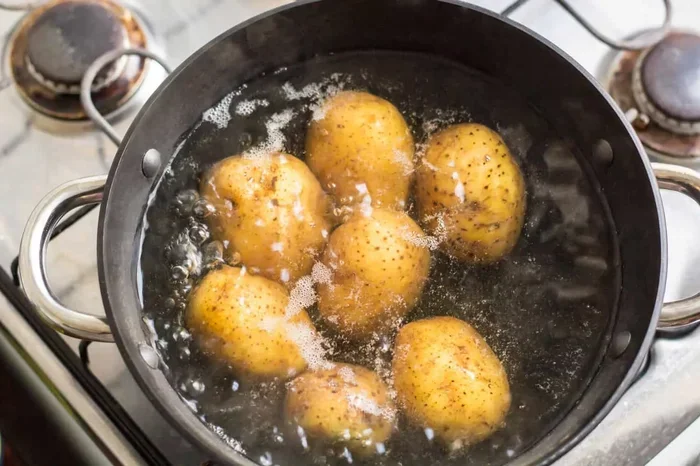
Boiling potatoes for mashed potatoes typically takes 15 to 20 minutes once the water reaches a rolling boil. The exact potato boiling time depends on the variety, size of your potato chunks, and whether you leave the skins on. Using the right boiling potatoes, cutting them into even pieces, and testing for fork tender texture are the keys to achieving creamy mashed potatoes every single time. This guide covers everything from choosing the best potato variety to avoiding common mistakes that ruin your mashed potatoes.
Timing matters whether you are in the kitchen or at the gym. Just like knowing how long to see results from kettlebell workout sessions depends on consistency and proper duration, getting the perfect boil time for potatoes is all about patience and precision. Whether you are figuring out how long should the kettlebell workout be for or how long to boil potatoes, the answer always comes down to the right duration. Much like tracking how long to use rowing machine for weight loss sessions, the time you spend on each task directly determines your results.
If you have ever ended up with lumpy, watery, or gluey mashed potatoes, the problem likely started with the boiling step. How long to boil potatoes for mashed potatoes is one of the most important questions any home cook can ask. The good news is that once you understand the basics, it becomes second nature. This guide walks you through everything you need to know about boiling potatoes for the fluffiest, creamiest mashed potatoes you have ever tasted.
Key Takeaways
- Boil Time: Most potatoes take 15 to 20 minutes to boil for mashing, depending on size and variety.
- Choose the Right Potato: Russet and Yukon gold potatoes are the best choices for creamy mashed potatoes.
- Cut Evenly: Uniform potato chunks ensure even cooking and consistent texture throughout.
- Test with a Fork: Potatoes are done when they slide off the fork easily with no resistance.
- Drain and Dry: Let boiled potatoes sit briefly to remove excess moisture for fluffier results.
- Season the Water: Salting the boiling water adds flavor from the inside out.
- Avoid Overcooking: Mushy potatoes lead to gluey mashed potatoes, so watch your timing carefully.
📑 Table of Contents
Why Boiling Time Matters for Mashed Potatoes
The potato boiling time directly affects the texture and flavor of your final dish. Too little time and your potato chunks will be hard and lumpy. Too much time and they will absorb too much water, leading to soggy, thin mashed potatoes. Finding the sweet spot is essential for perfect mashed potatoes. Many home cooks underestimate how much the cooking time impacts the final result, and then wonder why their mashed potatoes turn out less than ideal.
The Science Behind Boiling Potatoes
When you drop potatoes into boiling water, the heat breaks down the starches inside each piece. Starchy potatoes like russets absorb more water and break down more easily, which is exactly what you want for creamy mashed potatoes. Waxy potatoes hold their shape better and need a slightly different approach. Understanding this science helps you choose the right boiling potatoes and adjust your cooking time accordingly.
The potato cooking time also depends on whether you leave the skins on or peel before boiling. Leaving skins on adds a few extra minutes but can also help the potato retain its shape during cooking. Many chefs prefer peeling first for a smoother final texture. The potato peels also add a bit of extra flavor and fiber, so keeping them on is a healthy option if you prefer.
How Long to Boil Potatoes for Mashed Potatoes
As a general rule, how long to boil potatoes for mashed potatoes is about 15 to 20 minutes after the water reaches a rolling boil. Here is a quick breakdown of times based on size:
- Small chunks (1 inch): 12 to 15 minutes
- Medium chunks (1.5 inches): 15 to 20 minutes
- Large chunks or whole small potatoes: 20 to 25 minutes
- With skins on: Add 2 to 3 extra minutes
Always start checking at the 12-minute mark. The best way to test is to scoop out a piece and press it with a fork. When the potato slides off the fork easily with no resistance, it is fork tender and ready to go. Do not rely solely on the clock. Every stove and pot is different, so the visual and tactile test is your best tool for perfect potato texture.
Choosing the Right Potatoes for Mashing
Not all potatoes are created equal when it comes to mashing. The potato variety you choose plays a huge role in the final texture and flavor of your dish. Using the wrong type can lead to disappointing results no matter how perfectly you time the boil.
Best Potato Varieties for Mashed Potatoes
Here are the top choices for creamy mashed potatoes:
- Russet Potatoes: These are the most popular choice for mashing. They are high in starch, which gives you a light, fluffy texture. Russets absorb butter and cream beautifully, making them the go-to for many home cooks looking for the ultimate mashed potato experience.
- Yukon Gold Potatoes: These have a buttery, naturally creamy texture. They are slightly lower in starch than russets but still mash wonderfully. Many cooks consider Yukon golds the best all-around potato for mashing because they offer a rich, buttery flavor without being too heavy.
- Red Potatoes: These are waxy and hold their shape well. They can work for mashed potatoes but tend to give a denser, heavier result. They are better suited for potato salads or roasting.
- New Potatoes: Small and thin-skinned, these are great for summer mashing. They have a slightly waxy texture that holds some body in the mash and adds a delicate flavor.
For the best results, stick with starchy potatoes like russets or all-purpose potatoes like Yukon golds. Avoid waxy varieties if you want the fluffiest mashed potatoes recipe results. The starchy potatoes break down more easily during mashing, giving you that smooth, velvety texture everyone loves.
Size and Cut Matter
How you cut your potatoes affects the potato boiling time significantly. Uniform pieces cook evenly, which means no more biting into a hard center while the outside falls apart. Uneven cuts are one of the most common reasons potatoes come out undercooked or overcooked in the same pot.
Cut your potatoes into roughly 1.5-inch cubes for the most even cooking. If you are in a hurry, smaller 1-inch pieces will cook faster but may break down too much during mashing. Larger pieces take longer but hold their structure better, giving you more control over the final potato texture. Always try to make your potato pieces as similar in size as possible for the most consistent potato cooking time across the entire batch.
Step-by-Step Process for Boiling Potatoes
Follow these steps to get consistently great results every time you make mashed potatoes. Each step plays a role in achieving the best possible potato texture and flavor.
Step 1: Prep the Potatoes
Start by rinsing your potatoes under cold water to remove any dirt. You can peel them now or after boiling, depending on your preference. If you are leaving the skins on, scrub them well with a vegetable brush. Cut the potatoes into even chunks and place them in a large pot. A large pot gives the potatoes room to move around, which promotes even cooking.
Step 2: Add Cold, Salted Water
Cover the potatoes with cold water by about two inches. Cold water is important because it allows the potatoes to heat evenly from the outside in. Adding warm or hot water can cause the outside to cook too fast before the inside is done. Add a generous pinch of salt to the water. This is your chance to season the potatoes from the inside out, which is a key mashed potato tip many home cooks overlook. The salted water should taste like mild seawater.
Step 3: Bring to a Boil
Place the pot over high heat and bring the water to a rolling boil. Once boiling, reduce the heat to medium-high to maintain a steady, gentle boil. A violent, rolling boil can break apart the potato pieces and create uneven texture. You want steady, consistent heat that cooks the potato pieces evenly throughout.
Step 4: Cook and Test
Set a timer for 15 minutes and start checking at the 12-minute mark. Use a fork to test the largest piece. The potato should slide off the fork with no resistance. If it still feels hard in the center, give it another 2 to 3 minutes and test again. Do not test only one piece. Check potatoes from different parts of the pot since heat distribution can vary.
Step 5: Drain Thoroughly
Once the potatoes are fork tender, drain them in a colander. Let them sit for a minute to allow excess water to evaporate. This step is crucial for avoiding watery mashed potatoes. You can also return the drained potatoes to the warm pot and let them sit with the lid off for a few minutes. This extra step ensures your drain potatoes are ready to absorb the butter and cream perfectly.
Common Mistakes When Boiling Potatoes
Even experienced cooks make mistakes when boiling potatoes for mashing. Being aware of these errors helps you avoid them and serve perfect mashed potatoes every time.
Overcooking the Potatoes
Overcooked potatoes absorb too much water and become waterlogged. When you mash them, the result is a thin, runny consistency that no amount of butter can fix. To avoid this, start checking early and pull the potatoes off the heat as soon as they are fork tender. Remember, the potatoes will continue to soften slightly as they drain. This carryover cooking effect is one of the most overlooked mashed potato tips in home kitchens.
Undercooking the Potatoes
Undercooked potatoes are the opposite problem. You end up with hard, crunchy centers in your mash. This usually happens when the pieces are too large or the water was not hot enough when the potatoes went in. Always start with cold, salted water and bring it to a boil before the potatoes go in for the most even cooking. Cutting your potato chunks to a uniform size is the simplest way to prevent this issue.
Skipping the Draining Step
Some cooks skip letting the potatoes drain and dry out, which leads to excess moisture in the final dish. Take the extra minute to let the water escape. Your creamy mashed potatoes will thank you for it. A thorough drain followed by a brief rest in the warm pot makes all the difference between a dense, wet mash and a light, fluffy one.
Using the Wrong Potato Type
Using waxy potatoes like red or new potatoes for mashing is not necessarily wrong, but it produces a different texture. If you want light and fluffy mashed potatoes, choose starchy varieties like russets. If you prefer a denser, more potato-forward mash, waxy potatoes can work well too. Knowing your starchy potatoes from your waxy potatoes is one of the simplest ways to improve your mashed potatoes recipe results.
Tips for the Creamiest Mashed Potatoes
Once your potatoes are boiled perfectly, the next steps matter just as much. Here are proven tips for achieving the best mashed potatoes every single time. These small details separate good mashed potatoes from absolutely great ones.
Mash While Hot
Mash your potatoes while they are still hot. Cold potatoes resist mashing and can turn lumpy. Work quickly after draining to get the best potato texture. Heat helps the starches break down smoothly, which is exactly what you want for a silky, creamy result. If your potatoes start to cool down while you are mashing, pop the pot back on low heat for a minute to warm them up again.
Use Warm Butter and Cream
Add warm butter and warm cream to your hot potatoes. Cold dairy can cool the potatoes down too quickly and create an uneven texture. Heating your butter and cream slightly before mixing helps them incorporate more smoothly into the mashed potatoes. This simple mashed potato tip takes just a few extra seconds but makes a noticeable difference in the final smoothness and richness of your dish.
Do Not Overwork the Potatoes
Overworking potatoes releases too much starch, which makes the mash gluey and stiff. Use a potato masher or a ricer for the best results. If you are using a mixer, beat on low speed only until the ingredients are just combined. A ricer is especially effective for achieving the lightest, fluffiest potato texture. The goal is to break the potatoes apart without turning them into a paste.
Season at Every Stage
Season the water, season the mash, and taste before serving. Proper seasoning is one of the simplest ways to elevate your mashed potato recipe from good to great. Start with salt in the boiling water, add salt and pepper to the mash, and then taste again after adding your butter and cream. Adjust as needed. Many home cooks under-season their creamy mashed potatoes, which makes the dish taste flat despite using quality ingredients.
How Long to Boil Potatoes for Different Methods
The potato boiling time can vary slightly depending on your cooking method. Here is a quick comparison of the most common approaches for making mashed potatoes.
Stovetop Boiling: This is the most traditional method and takes about 15 to 20 minutes for standard chunks. It gives you the most control over heat and timing. You can easily monitor the boil and adjust as needed. Most mashed potatoes recipes are written for this method, making it the most reliable option for consistent results.
Pressure Cooker: If you use a pressure cooker, the time drops significantly to about 5 to 8 minutes at high pressure. This is a great option when you need mashed potatoes on a tight schedule. Just remember to let the pressure release naturally for the best texture. Pressure-cooked potatoes can sometimes be slightly wetter, so make sure to drain them well before mashing.
Instant Pot: Similar to a pressure cooker, the Instant Pot takes about 4 to 6 minutes on high pressure with a natural release. The result is evenly cooked potatoes that mash beautifully. The shorter cooking time in a pressure appliance means the potatoes absorb less water, which can actually produce a denser mash. Adjust your butter and cream accordingly.
No matter which method you choose, always test for fork tender texture before draining. The method may change, but the doneness test stays the same. Each approach has its advantages, so choose the one that fits your schedule and preferences best.
Conclusion
Mastering how long to boil potatoes for mashed potatoes is a simple skill that transforms your home cooking. The key is understanding that the potato boiling time depends on the size of your chunks, the potato variety, and whether you leave the skins on. Stick with 15 to 20 minutes for standard cubes, test with a fork, and drain thoroughly before mashing.
With the right boiling potatoes, proper cooking time, and a few simple mashed potato tips, you can serve up creamy mashed potatoes that rival any restaurant. The next time you step up to the stove, you will know exactly how long to boil potatoes for mashed potatoes and why it matters. Happy cooking!
Frequently Asked Questions
Can I boil potatoes with the skins on for mashed potatoes?
Yes, you can boil potatoes with the skins on, and many cooks prefer this method. The skins add extra flavor and nutrients to your mashed potatoes. Just make sure to scrub them thoroughly before boiling. You may need to add 2 to 3 extra minutes to the potato boiling time when cooking with skins on.
What is the best potato for creamy mashed potatoes?
Russet potatoes and Yukon gold potatoes are the best choices for creamy mashed potatoes. Russets are high in starch and produce a light, fluffy texture. Yukon golds offer a naturally buttery flavor and creamy consistency. Both are excellent boiling potatoes that mash beautifully.
How do I know when potatoes are done boiling for mashing?
Potatoes are done when they are fork tender, meaning a fork slides in and out with no resistance. Start checking at the 12-minute mark for standard 1.5-inch chunks. If the fork meets any hardness in the center, give the potatoes another 2 to 3 minutes. Do not rely only on the timer.
Why are my mashed potatoes gluey and stiff?
Gluey mashed potatoes are usually caused by overworking the potatoes, which releases too much starch. Use a potato masher or ricer instead of a mixer. Also, make sure you are not overcooking the potato pieces, as overcooked potatoes break down too much and create a stiff, paste-like texture.
Should I use hot or cold water to start boiling potatoes?
Always start with cold water. Cold water allows the potatoes to heat evenly from the outside in, which prevents the outside from falling apart before the inside is cooked. This is one of the most important mashed potato tips for achieving consistent potato texture throughout every piece.
Can I boil potatoes ahead of time for mashed potatoes?
Yes, you can boil potatoes ahead of time, but it is best to drain them and let them sit in the warm pot with the lid slightly cracked. This keeps them warm without overcooking. When you are ready to mash, simply add warm butter and cream. However, for the best flavor and potato texture, mashing right after boiling is always ideal.