How Long to Thaw a Frozen Turkey Safely and Quickly
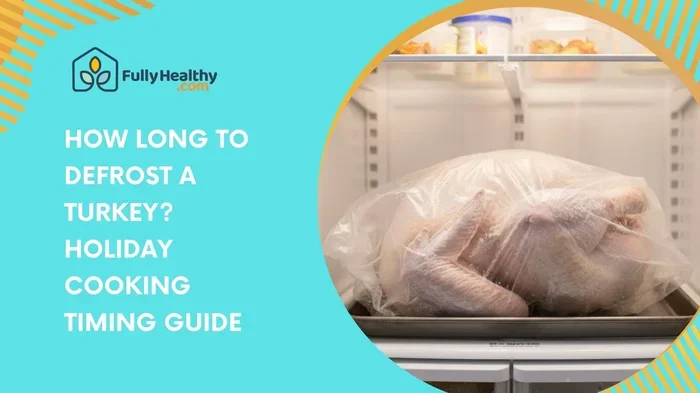
Knowing how long to thaw a frozen turkey is the first step to a safe, delicious holiday meal. The right thawing method depends on your turkey size and how much time you have. This guide covers refrigerator thawing, cold water thawing, and microwave thawing with exact timing charts and essential food safety tips.
Cooking a turkey is one of the most rewarding kitchen experiences you can have. But before you even think about seasoning or roasting, you need to tackle the most important first step. How long to thaw a frozen turkey safely is the question every home cook should answer before the big day.
Thawing a frozen turkey might seem simple, but getting it wrong can lead to uneven cooking, bland results, or even foodborne illness. Whether you are prepping for Thanksgiving, Christmas dinner, or a weekend roast, understanding your options makes all the difference. This guide walks you through every thawing method, exact timing estimates, and practical tips that will save you stress in the kitchen.
The good news is that there are three reliable ways to defrost a turkey. Each method has its own advantages, and the best choice depends on your schedule and the size of your bird. Read on to find the method that fits your needs and get ready for a flawless roast.
Key Takeaways
- Refrigerator thawing: Allow 24 hours for every 4 to 5 pounds of turkey weight in the fridge.
- Cold water thawing: Plan for about 30 minutes per pound with ice cold water changes every 30 minutes.
- Microwave thawing: Use the defrost setting and cook immediately after thawing for food safety.
- Never thaw at room temperature: Leaving raw turkey out invites dangerous bacterial growth.
- Check with a meat thermometer: Ensure your turkey reaches 165°F internally before serving.
- Plan ahead: Large turkeys need several days in the fridge, so start early for Thanksgiving or holiday meals.
- Cook immediately after cold water or microwave thawing: Do not refreeze thawed turkey without cooking it first.
📑 Table of Contents
- Why Proper Thawing Matters for Food Safety
- How Long Does It Really Take to Thaw a Frozen Turkey?
- Common Mistakes People Make When Thawing Turkey
- Quick Tips for Perfect Turkey Thawing Every Time
- How to Tell When Your Turkey Is Fully Thawed
- What to Do If You Run Out of Time
- Final Thoughts on Thawing Your Turkey Safely
Why Proper Thawing Matters for Food Safety
Thawing is not just about convenience. It is a critical food safety step. When a turkey thaws incorrectly, bacteria like salmonella and campylobacter can multiply rapidly on the surface. These pathogens thrive in the temperature danger zone between 40°F and 140°F. Leaving your turkey out on the counter to defrost overnight might feel tempting, but it is one of the riskiest moves you can make in the kitchen.
The United States Department of Agriculture (USDA) recommends three safe thawing methods. Each keeps the turkey out of the danger zone and reduces the risk of foodborne illness. Let us break down each method so you can choose the best one for your situation.
The Refrigerator Thawing Method
Refrigerator thawing is the gold standard for defrosting turkey. It is the safest and most hands-off approach. The key advantage is that the turkey stays at a consistent, safe temperature throughout the process. You simply place the wrapped turkey on a tray or rack on the bottom shelf of your refrigerator and let time do the work.
Here is the general rule for refrigerator thawing:
- Allow 24 hours for every 4 to 5 pounds of turkey weight.
- A 12-pound turkey takes roughly 3 days to thaw fully.
- A 20-pound turkey needs about 5 days in the fridge.
- A small 8-pound turkey will be ready in about 2 days.
This method gives you the most flexibility. Once thawed, a turkey can safely stay in the refrigerator for an additional 1 to 2 days before cooking. That buffer is helpful if your cooking plans shift at the last minute. Just make sure your fridge stays at 40°F or below the entire time.
The Cold Water Thawing Method
If you forgot to move the turkey to the fridge days ago, cold water thawing is your best backup plan. This method is faster than refrigerator thawing, but it requires more attention. You need to submerge the turkey in its original wrapping in ice cold water and change the water every 30 minutes to keep it at a safe temperature.
The timing for cold water thawing is straightforward:
- Plan for approximately 30 minutes per pound of turkey weight.
- A 12-pound turkey takes about 6 hours to thaw.
- A 20-pound turkey needs around 10 hours with water changes.
- An 8-pound turkey thaws in roughly 4 hours.
This method works well if you start the process in the morning and plan to cook the turkey that same evening. The key is never to skip the water changes. Warm water speeds up bacterial growth and compromises the safety of your meal. If you have a large sink or a clean cooler, either works perfectly for submerging the bird.
The Microwave Thawing Method
Microwave thawing is the fastest option available, but it comes with trade-offs. Not all microwaves have a defrost setting that accommodates a full-sized turkey, so this method works best for smaller birds or turkey parts. The microwave can begin cooking edges of the turkey while other areas remain frozen, which creates uneven results.
If you choose this route, follow these guidelines:
- Use the microwave’s defrost setting and follow the manufacturer’s instructions based on weight.
- Remove all packaging before placing the turkey in the microwave.
- Cook the turkey immediately after thawing. Do not refreeze raw turkey that has been microwaved.
- Expect a 10 to 12-pound turkey to take about 10 to 15 minutes in the microwave using the defrost cycle.
Because the turkey may start cooking during the thawing process, you must roast it right away. This method is not ideal for large whole turkeys, but it is a lifesaver when you are short on time and working with a smaller cut.
How Long Does It Really Take to Thaw a Frozen Turkey?
The thawing time for a frozen turkey depends on three main factors: the method you choose, the weight of the bird, and the starting temperature. Let us put it all together with a handy comparison table that shows estimated thawing times for common turkey sizes across all three methods.
| Turkey Weight | Refrigerator (24 hrs per 4-5 lbs) | Cold Water (30 min per lb) | Microwave (Defrost Setting) |
|---|---|---|---|
| 8 lbs | 2 days | 4 hours | 8-10 minutes |
| 12 lbs | 3 days | 6 hours | 12-15 minutes |
| 16 lbs | 4 days | 8 hours | 15-20 minutes |
| 20 lbs | 5 days | 10 hours | Not recommended |
| 24 lbs | 6 days | 12 hours | Not recommended |
These estimates assume the turkey starts fully frozen and stays at a consistent temperature throughout. Always add a little extra time if your turkey is particularly thick in the breast or if your refrigerator runs warm. When in doubt, give yourself more time than you think you need.
Think of it this way. The time it takes to thaw a large turkey is similar to the duration of a long endurance session. If you were to complete a full 5K rowing session, you would be exercising for a comparable amount of time. Patience is just as important in the kitchen as it is in the gym.
Common Mistakes People Make When Thawing Turkey
Even experienced cooks sometimes make mistakes when it comes to thawing. Avoiding these common errors keeps your turkey safe and your dinner stress-free.
Leaving the turkey on the counter. This is the number one mistake. Room temperature thawing lets the outer layers of the bird enter the danger zone while the inside stays frozen. Bacteria multiply fast between 40°F and 140°F, and by the time the center thaws, the surface could be unsafe to eat.
Using warm or hot water. Some people think warm water speeds up the process. It does, but it also creates the perfect environment for bacterial growth. Always use cold water and change it every 30 minutes without exception.
Not planning ahead. Many people buy their turkey the day before cooking and then realize they do not have enough time to thaw it properly. A good rule is to check your turkey weight and start the thawing process at least three days in advance if using the refrigerator method.
Refreezing without cooking. If you thaw a turkey using the cold water or microwave method, you must cook it immediately. Refreezing raw turkey that has been thawed without cooking can lead to quality loss and food safety risks. If you need to pause the process, the refrigerator method is the only one that gives you a safe window to delay cooking.
Forgetting to check the temperature. After thawing, always verify that the turkey is fully thawed before cooking. Run your hand along the thickest part of the breast and the inner thigh. If you feel any ice crystals or frozen pockets, the bird needs more time.
Quick Tips for Perfect Turkey Thawing Every Time
Thawing a turkey does not have to be complicated. A few simple habits make the entire process smoother and safer. Here are some expert-backed tips to keep in mind.
- Buy a thawing tray or drip pan. These catch runoff and prevent cross-contamination in your fridge. A dedicated tray keeps everything sanitary and makes cleanup effortless.
- Keep the turkey wrapped tightly. Proper wrapping prevents juices from leaking onto other foods and reduces the risk of bacterial transfer. Use the original packaging or wrap tightly in plastic wrap and aluminum foil.
- Place the turkey on the bottom shelf. This prevents any drips from reaching ready-to-eat foods below. Food safety starts with proper storage positioning in your refrigerator.
- Set a timer for water changes. If you are using the cold water method, mark your calendar or set phone reminders. Changing the water every 30 minutes is non-negotiable for safe thawing.
- Brine during thawing for extra flavor. If you plan to brine your turkey, the refrigerator thawing method gives you the perfect window to start a wet brine. The turkey can absorb flavorful liquids while it defrosts slowly and safely.
While you are waiting for your turkey to thaw, you might want to stay active in the kitchen or at home. If you enjoy staying fit, a quick jump rope workout can be a great way to pass the time and burn some energy. Many people find that light exercise during long cooking sessions keeps their energy up and their mood positive.
How to Tell When Your Turkey Is Fully Thawed
Knowing when the turkey is ready to cook is just as important as knowing how long to thaw it. A fully thawed turkey has a few telltale signs that confirm it is safe to proceed with cooking.
First, check the thickest part of the breast. Press gently with your finger. A fully thawed turkey breast feels soft and pliable with no hard or icy spots. Next, check the inner thigh area near the cavity. This is the last part to thaw because it is the densest section of the bird.
You can also check by wiggling the leg gently. A fully thawed turkey leg moves freely in the socket with no resistance from frozen joints. If the leg feels stiff or stuck, the turkey needs more time.
Finally, look at the juices. When you press on the breast, liquid should flow clear or slightly pink. If you see any ice crystals or very thick, slushy liquid, the turkey still has frozen areas that need more thawing time.
Using a meat thermometer is the most reliable way to confirm thawing. Insert the probe into the thickest part of the breast and the inner thigh without touching bone. The temperature should read at or above 32°F throughout. If any area reads below freezing, continue thawing and check again in a few hours.
Some cooks like to stay active while they wait. A steady session on a rowing machine can help you burn off nervous energy while the turkey thaws safely in the fridge. The rowing machine is one of the best full-body workouts you can do at home, and it pairs perfectly with a long cooking day.
What to Do If You Run Out of Time
Sometimes life gets in the way and you realize you did not give yourself enough time to thaw the turkey properly. Do not panic. You still have options that can save your meal.
If you only have a few hours before cooking, the cold water method is your fastest safe option. Submerge the wrapped turkey in ice cold water and change the water every 30 minutes. A 12-pound turkey can go from fully frozen to ready to cook in about 6 hours using this method. It is not ideal, but it is safe and effective when planned correctly.
Another option is to cook the turkey from frozen. The USDA confirms that cooking a frozen turkey is safe, but you need to add at least 50 percent more cooking time. The turkey will take longer to reach the safe internal temperature of 165°F, and the results may be slightly less even than a properly thawed bird. If you choose this route, use a meat thermometer and check multiple spots to ensure doneness throughout.
Some cooks like to stay moving during the long wait. A quick session on a stationary bike can help pass the time while keeping your heart rate up. Light exercise during a busy cooking day keeps you refreshed and focused on the task at hand.
Final Thoughts on Thawing Your Turkey Safely
Thawing a frozen turkey is the foundation of a great holiday meal. Get this step right, and everything that follows falls into place. Whether you choose the slow and steady refrigerator method, the faster cold water approach, or the quick microwave option, the key is planning and patience.
Remember that how long to thaw a frozen turkey depends on the method and the weight of your bird. Always allow extra time rather than cutting it close. Food safety should never be compromised for convenience. A little extra planning now means a delicious, stress-free meal later.
Keep these guidelines in mind for every turkey you cook, whether it is Thanksgiving, Christmas, or a casual weekend dinner. Your family and guests deserve a safe, perfectly cooked bird, and proper thawing is the first step toward that goal. With the right approach and a bit of preparation, you will serve a turkey that everyone remembers for all the right reasons.
Stay organized, follow the timing charts, and trust the process. A well-thawed turkey is the start of a memorable meal that brings people together around the table. Happy cooking!
Frequently Asked Questions
Can I thaw a turkey on the counter overnight?
No. Leaving a turkey out at room temperature is not safe. The outer layers enter the danger zone while the inside stays frozen, creating a perfect environment for bacterial growth. Always use one of the three USDA-recommended thawing methods for food safety.
How long does a 20-pound turkey take to thaw in the fridge?
A 20-pound turkey takes approximately 5 days to thaw in the refrigerator using the standard 24 hours per 4 to 5 pounds rule. Start the process early to ensure the turkey is fully thawed before your cooking day arrives.
Can I cook a turkey straight from frozen?
Yes, it is safe to cook a turkey from frozen according to the USDA. However, you will need to add at least 50 percent more cooking time. Use a meat thermometer to check that the internal temperature reaches 165°F in multiple spots before serving.
How do I know if my turkey is fully thawed?
Check the thickest part of the breast and the inner thigh for any ice crystals or frozen spots. A fully thawed turkey feels soft and pliable throughout, and the leg moves freely in the socket. A meat thermometer should read at or above 32°F in all areas.
Can I refreeze a turkey after thawing it?
You can refreeze a turkey that was thawed in the refrigerator within 1 to 2 days. However, do not refreeze a turkey thawed using the cold water or microwave method unless you cook it first. Refreezing uncooked turkey that has been in the temperature danger zone can compromise both safety and quality.
What is the fastest safe way to thaw a turkey?
The cold water method is the fastest safe option for most home cooks. It takes about 30 minutes per pound and requires changing the water every 30 minutes to maintain a safe temperature. For even faster results, the microwave defrost setting works well for smaller turkeys under 12 pounds.
=== CONCLUSION ===
How long to thaw a frozen turkey is a question with a clear answer once you know your options and your timeline. The refrigerator method offers the safest, most hands-off approach and works best when you plan ahead. The cold water method provides a faster alternative for those short on time, while the microwave method is ideal for smaller birds or last-minute situations. No matter which method you choose, always prioritize food safety and use a meat thermometer to confirm doneness. With the right plan and a little patience, you will serve a delicious, perfectly thawed turkey that makes every bite worth it. Happy cooking and enjoy the feast!