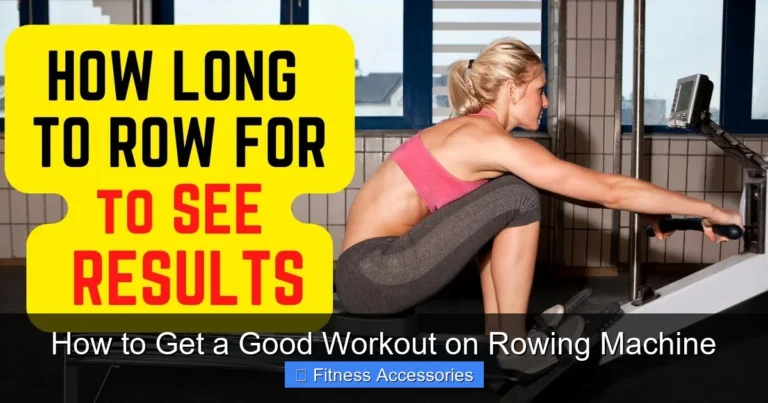
How Long on a Rowing Machine to Lose Weight

Want to shed pounds on a rowing machine but aren’t sure how long to row? This guide breaks down the exact minutes, intensity levels, and weekly schedules you need to burn fat efficiently. Follow the simple, science‑backed plan and start seeing results within weeks.
Key Takeaways
- Ideal session length: 30‑45 minutes of moderate‑intensity rowing 4‑5 times a week is most effective for weight loss.
- Calorie burn matters: You need to create a daily deficit of 300‑500 calories to lose 0.5‑1 lb per week.
- Intensity over time: Mixing steady‑state rows with high‑intensity interval training (HIIT) maximizes fat loss.
- Consistency beats marathon sessions: Short, regular workouts keep metabolism elevated longer than occasional long rows.
- Form first: Proper technique prevents injury and ensures you engage the right muscles for maximum calorie burn.
- Track progress: Use a rowing log or app to monitor distance, strokes per minute, and calories burned.
- Combine with nutrition: Pair rowing with a balanced diet for the fastest, healthiest weight‑loss results.
📑 Table of Contents
- Introduction: Why Rowing Is a Weight‑Loss Powerhouse
- 1. Understanding the Math: Calories, Deficit, and Weight Loss
- 2. How Long Should You Row? The Ideal Session Length
- 3. Intensity Matters: Steady‑State vs. HIIT Rowing
- 4. Perfecting Your Form: The Foundation of Effective Rowing
- 5. Tracking Progress: Tools, Metrics, and Motivation
- 6. Nutrition: The Other Half of the Equation
- Conclusion: Your Personalized Path to Weight Loss on the Rowing Machine
Introduction: Why Rowing Is a Weight‑Loss Powerhouse
Imagine a single piece of equipment that gives you a full‑body workout, boosts your heart health, and torches calories—all while being gentle on your joints. That’s the rowing machine, or “ergometer,” in a nutshell. Whether you’re a beginner or a seasoned athlete, rowing can help you lose weight because it engages the legs, core, and arms simultaneously. The result? A higher calorie burn per minute than many other cardio options.
But the big question most people ask is: How long on a rowing machine to lose weight? The answer isn’t a one‑size‑fits‑all number. It depends on your current fitness level, diet, and the intensity you can sustain. In this article, we’ll break down the science, give you a clear weekly schedule, and share practical tips so you can confidently hop on the erg and start shedding pounds.
1. Understanding the Math: Calories, Deficit, and Weight Loss
How many calories does rowing actually burn?
Rowing is a high‑efficiency activity because it uses both large and small muscle groups. On average, a 155‑lb person burns about 260 calories in 30 minutes of moderate rowing (about 20‑22 strokes per minute). A heavier person (185 lb) can burn roughly 311 calories in the same time. If you push the intensity to a vigorous level (30+ strokes per minute), those numbers jump to 400‑500 calories per 30‑minute session.
Creating a calorie deficit
Weight loss occurs when you consistently consume fewer calories than you expend. A safe, sustainable deficit is 300‑500 calories per day, which translates to 0.5‑1 lb of fat loss per week (since 1 lb of fat ≈ 3,500 calories). This means you don’t have to spend hours on the machine; you just need to hit the right calorie‑burn target and pair it with a modest diet tweak.
Putting numbers to the question
Let’s say you aim for a 400‑calorie burn per session, five days a week. That’s a 2,000‑calorie weekly deficit from exercise alone. Add a 250‑calorie daily diet reduction, and you’re looking at a 3,500‑calorie weekly deficit—exactly the amount needed to lose one pound.
2. How Long Should You Row? The Ideal Session Length
30‑45 minutes: The sweet spot
Most fitness experts agree that 30‑45 minutes per session, performed 4‑5 times weekly, offers the best balance of calorie burn, recovery, and adherence. Here’s why:
- Consistent metabolic boost: After a 30‑minute row, your metabolism stays elevated for about 30 minutes, a phenomenon called excess post‑exercise oxygen consumption (EPOC).
- Reduced injury risk: Longer sessions increase the chance of form breakdown, which can lead to back or knee pain.
- Time‑friendly: A 30‑minute workout fits easily into most busy schedules, making it more likely you’ll stick with it.
When to extend beyond 45 minutes
If you’re an advanced rower with a solid base, occasional longer rows (60‑75 minutes) can be beneficial for endurance and mental stamina. However, these should be limited to once a week and paired with lower‑intensity days to avoid overtraining.
Sample weekly schedule
Below is a beginner‑to‑intermediate plan that totals 150‑225 minutes of rowing per week—perfect for weight loss.
- Monday: 30‑minute steady‑state row (moderate intensity, 20‑22 SPM)
- Tuesday: Rest or light activity (walking, stretching)
- Wednesday: 20‑minute HIIT row (1 min hard, 1 min easy, repeat 10×)
- Thursday: 30‑minute steady‑state row
- Friday: Rest or cross‑train (cycling, swimming)
- Saturday: 45‑minute mixed row (15 min moderate, 15 min HIIT, 15 min cool‑down)
- Sunday: Active recovery (yoga, gentle walk)
3. Intensity Matters: Steady‑State vs. HIIT Rowing
Steady‑state rowing
Steady‑state means keeping a constant pace for the entire session. It’s great for beginners because it teaches rhythm and builds aerobic capacity. Aim for a Rate of Perceived Exertion (RPE) of 5‑6 on a 10‑point scale—enough to sweat but still able to hold a conversation.
HIIT rowing
High‑Intensity Interval Training (HIIT) alternates short bursts of maximal effort with recovery periods. A typical HIIT row might be 30 seconds all‑out followed by 60 seconds easy rowing. This method burns more calories in less time and spikes the after‑burn effect (EPOC), meaning you continue to burn calories long after you finish.
Choosing the right mix
For weight loss, a 70/30 split—70% steady‑state, 30% HIIT—works well. This keeps you in the fat‑burning zone while still giving you the metabolic boost from intervals. As you progress, you can flip the ratio to challenge yourself further.
4. Perfecting Your Form: The Foundation of Effective Rowing
The four phases of the rowing stroke
- Catch: Sit tall, shins vertical, arms extended, and lean slightly forward from the hips.
- Drive: Push with the legs first, then lean back while pulling the handle to your chest.
- Finish: Legs straight, slight lean back, handle at the lower ribs, elbows drawn past the torso.
- Recovery: Extend arms, hinge forward from the hips, then slide forward, returning to the catch.
Common form mistakes and fixes
- Rounding the back: Keep a neutral spine; engage your core.
- Using the arms too early: Lead with the legs on the drive; arms should finish the pull.
- Over‑gripping the handle: Keep a relaxed grip to avoid wrist strain.
Why good form matters for weight loss
Proper technique recruits more muscle fibers, especially in the glutes and hamstrings, which are large calorie‑burning muscles. Bad form not only reduces the number of calories you burn but also increases injury risk, which can derail your weight‑loss journey.
5. Tracking Progress: Tools, Metrics, and Motivation
Key metrics to log
- Distance (meters): Gives a sense of overall work done.
- Strokes per minute (SPM): Helps you gauge intensity.
- Calories burned: Most rowing machines estimate this based on your weight and power output.
- Heart rate: Aim for 60‑80% of max heart rate during moderate rows.
Apps and devices
Popular apps like Concept2 Logbook, MyFitnessPal, and Strava can sync with many rowing machines. Wearables (Fitbit, Apple Watch) add heart‑rate data for more accurate calorie estimates.
Staying motivated
Set mini‑goals—such as “row 5,000 meters this week” or “increase average SPM by 2.” Celebrate milestones with non‑food rewards (new workout gear, a massage). Seeing progress on paper keeps you accountable and excited.
6. Nutrition: The Other Half of the Equation
Calorie control without starvation
Cutting 250‑300 calories a day is enough to complement your rowing workouts. Simple swaps work wonders: choose water over sugary drinks, replace a high‑calorie snack with a piece of fruit, or reduce portion sizes by using smaller plates.
Macronutrient balance for rowers
- Protein: 0.8‑1 g per pound of body weight helps repair muscles after rowing.
- Carbohydrates: Provide the quick energy needed for high‑intensity intervals; aim for complex carbs like oats, sweet potatoes, and whole grains.
- Fats: Healthy fats (avocado, nuts, olive oil) support hormone health and satiety.
Timing meals around workouts
Eat a light, carb‑protein snack (e.g., banana with peanut butter) 30‑60 minutes before rowing to fuel performance. After the session, refuel within two hours with a balanced meal to kickstart recovery.
Conclusion: Your Personalized Path to Weight Loss on the Rowing Machine
So, how long on a rowing machine to lose weight? The answer is a combination of time, intensity, and consistency. Aim for 30‑45 minutes per session, 4‑5 times a week, mixing steady‑state rows with HIIT. Keep your form sharp, track your metrics, and pair your workouts with a modest calorie reduction. By following the plan outlined above, you can expect to lose 0.5‑1 lb per week, feel stronger, and enjoy a low‑impact workout that’s easy on the joints.
Remember, the journey is personal. Start where you are, stay consistent, and adjust the variables as you get fitter. Your rowing machine is ready—now it’s your turn to row toward a healthier, leaner you.
Frequently Asked Questions
How many calories does a 30‑minute rowing session burn?
For a 155‑lb person, moderate rowing burns about 260 calories in 30 minutes; a 185‑lb person burns roughly 311 calories. Vigorous rowing can push those numbers to 400‑500 calories.
Can I lose weight by rowing only three times a week?
Yes, but progress will be slower. Three 45‑minute moderate sessions can still create a calorie deficit if you pair them with a modest diet cut.
Is HIIT better than steady‑state rowing for fat loss?
HIIT burns more calories in less time and elevates post‑exercise metabolism, but steady‑state rowing builds endurance and is easier to sustain for beginners. A mix of both is ideal.
Do I need a fancy rowing machine to see results?
No. Any functional rowing ergometer that tracks distance, strokes, and calories will work. Consistency and proper form matter far more than the brand.
How soon will I see weight‑loss results?
Most people notice changes within 2‑4 weeks if they maintain a 300‑500 calorie daily deficit and row 30‑45 minutes per session.
Should I stretch before or after rowing?
Do a brief dynamic warm‑up (leg swings, arm circles) before rowing, and static stretches for the hamstrings, hip flexors, and back after your session to aid recovery.