Perfect Boiled Eggs Time Tips for Soft Hard and Medium
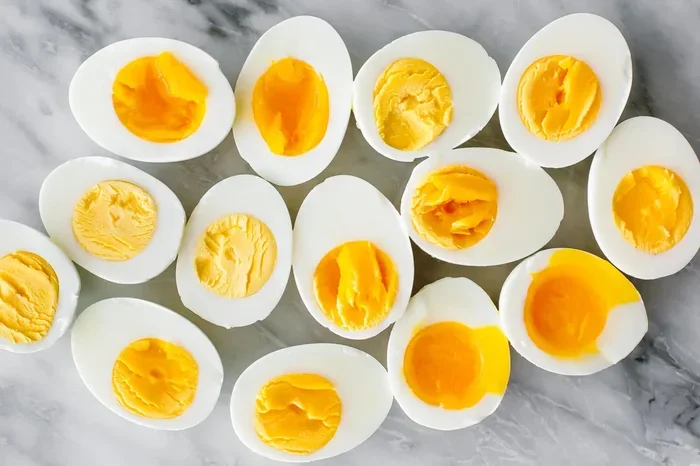
Getting the boiled eggs time right is the single most important step to perfect eggs every time. Whether you want a runny soft yolk, a creamy medium center, or a fully set hard egg, the right cooking duration makes all the difference. This guide covers exact times for every preference, the factors that change your results, and the common mistakes to avoid.
Making boiled eggs seems simple, but small mistakes can lead to rubbery whites or undercooked yolks. The boiled eggs time you choose depends entirely on the texture you want. A soft boiled egg has a warm, runny center. A hard boiled egg is fully set through and through. Getting the boiled eggs time right takes a bit of practice, but it is easy once you know the basics. Let us walk through everything you need to know.
Whether you enjoy eggs for breakfast, lunch, or a quick snack, nailing the boiled eggs time saves you from frustration. You will learn the exact minutes for each style, the science behind why timing matters, and practical tips that work every single time. No guesswork. No ruined eggs. Just perfectly cooked eggs your way.
Key Takeaways
- Soft boiled eggs: Cook for 4 to 6 minutes for a warm, runny yolk and fully set white.
- Medium boiled eggs: Cook for 7 to 8 minutes for a thick, custard-like yolk.
- Hard boiled eggs: Cook for 10 to 12 minutes for a firm, fully set yolk.
- Egg size matters: Adjust your boiled eggs time up or down based on small, large, or jumbo eggs.
- Always use an ice bath: It stops cooking immediately and makes peeling easier.
- Altitude changes everything: Add extra minutes at elevations above 2,000 feet.
- Start with a timer: Guessing the boiled eggs time leads to inconsistent results every time.
📑 Table of Contents
The Science Behind Boiled Eggs Time
The boiled eggs time you choose directly affects the yolk texture and white consistency. A difference of just 30 seconds can change your egg from soft to medium. When you cook an egg, the proteins in the white and yolk set at different temperatures. The white sets around 144 degrees Fahrenheit, while the yolk begins to thicken at 158 degrees and fully sets at 170 degrees. Understanding this helps you control the boiled eggs time with confidence.
The boiled eggs time also affects how easy the egg is to peel. Overcooked eggs develop a greenish ring around the yolk. This happens because iron and sulfur compounds react at high temperatures. Keeping your boiled eggs time precise prevents this unappealing ring and keeps your eggs looking and tasting fresh. The right timing also preserves the nutrients inside the egg, making your meal as healthy as it is delicious.
Why Timing Matters So Much
Think of the boiled eggs time like a recipe for egg doneness. Too little time and the white stays runny. Too much time and the yolk turns dry and chalky. The sweet spot for each style of egg exists because of how egg proteins behave under heat. When you respect the boiled eggs time, you get a beautiful, consistent result every time. When you ignore it, you get frustration and wasted eggs.
Just like knowing when is the best time to do treadmill workouts for maximum results, timing your eggs correctly makes all the difference in the final product.
How Altitude Affects Cooking Time
Altitude plays a big role in your boiled eggs time. Water boils at a lower temperature at higher altitudes. This means your eggs cook more slowly. If you live above 3,000 feet, you may need to add 1 to 2 minutes to your usual boiled eggs time. Always check your local boiling point and adjust accordingly for perfect eggs every time. This is one of the most overlooked factors in home cooking, and it can completely throw off your results if you ignore it.
Perfect Soft Boiled Eggs Time
What Makes a Soft Boiled Egg Ideal
A soft boiled egg has a fully set white and a warm, liquid yolk. The ideal boiled eggs time for a soft boiled egg is about 4 to 6 minutes. The yolk stays runny and creamy, making it perfect for dipping toast or drizzling over rice. Many people enjoy soft boiled eggs as a quick and protein-rich breakfast that takes only minutes to prepare.
The key to a great soft boiled egg is using fresh eggs and a steady boiled eggs time. Fresh eggs have a tighter white that holds its shape better during cooking. If you are unsure about freshness, try the egg freshness test by placing the egg in water. A fresh egg sinks and lies flat on its side. An older egg stands upright or floats. Use the freshest eggs you can find for the best soft boiled results.
Step-by-Step for Soft Boiled Eggs
Here is a simple method to nail your boiled eggs time for soft eggs every time:
- Bring a pot of water to a rolling boil.
- Gently lower your eggs into the water using a spoon or strainer.
- Set a timer for exactly 4 minutes for a very runny yolk or 6 minutes for a slightly thicker yolk.
- Once the time is up, transfer the eggs immediately to an ice bath.
- Let them cool for at least 1 minute before peeling.
Following these steps ensures your boiled eggs time is spot on. The ice bath stops the cooking process right away, which is crucial for getting that perfect soft texture. You can also add a splash of vinegar to the boiling water. This helps the white set faster if the shell cracks during cooking.
Getting Medium Boiled Eggs Time Just Right
The Medium Egg Texture You Want
Medium boiled eggs are the sweet spot for many people. The white is fully set, and the yolk is thick and custard-like but not completely firm. The ideal boiled eggs time for medium eggs is about 7 to 8 minutes. This gives you a yolk that is creamy and rich without being runny. Medium boiled eggs hit a texture that many people find more satisfying than fully soft or fully hard eggs.
Medium boiled eggs work wonderfully in salads, on toast, or sliced over avocado. The boiled eggs time for medium eggs gives you more versatility than soft eggs. You can slice them neatly and they hold their shape well. They also make a great addition to bento boxes and meal prep containers because they travel well and taste great cold or warm.
Quick Tips for Medium Boiled Eggs
Here are some quick tips to get your medium boiled eggs just right:
- Use large eggs for consistent results. Smaller eggs may need 1 minute less, and extra-large eggs may need 1 minute more.
- Start with room temperature eggs. This helps the heat distribute more evenly and reduces cracking.
- Use a reliable egg timer or a digital timer on your phone. Guessing the boiled eggs time often leads to uneven results.
- Add a pinch of salt to the boiling water. This can help the white set faster and make peeling easier.
- If you are cooking multiple eggs, make sure they are in a single layer so heat reaches each one evenly.
Mastering Hard Boiled Eggs Time
Why Hard Boiled Eggs Need Precision
Hard boiled eggs are fully cooked through, with a firm yolk and white. The standard boiled eggs time for hard boiled eggs is about 10 to 12 minutes. This duration ensures the yolk is completely set without becoming dry or chalky. Hard boiled eggs are incredibly versatile. You can chop them for egg salad, slice them for sandwiches, or pickle them for a tangy snack.
But getting the boiled eggs time wrong can make them rubbery or develop that unpleasant greenish ring around the yolk. Precision matters. The difference between a great hard boiled egg and a bad one often comes down to just 1 or 2 minutes. That is why using a timer is non-negotiable when you are aiming for the perfect hard boiled result.
The Best Method for Hard Boiled Eggs
Follow these steps for the best hard boiled eggs:
- Place your eggs in a single layer at the bottom of a pot.
- Cover them with cold water by about an inch.
- Bring the water to a full rolling boil over high heat.
- Once boiling, cover the pot, remove it from the heat, and let the eggs sit for 10 to 12 minutes.
- Transfer the eggs to an ice bath immediately.
- Let them cool for at least 5 minutes before peeling.
This method gives you perfectly hard boiled eggs with a bright yellow yolk and easy-to-peel shells. The boiled eggs time of 10 to 12 minutes is the sweet spot for most large eggs at sea level. The off-heat rest method also reduces the risk of overcooking, which is the number one mistake people make with hard boiled eggs.
Factors That Change Your Boiled Eggs Time
Egg Size and Freshness
Egg size is one of the biggest factors that changes your boiled eggs time. Small eggs cook faster, while extra-large eggs take longer. Here is a quick reference:
- Small eggs: Reduce your boiled eggs time by 1 minute from the standard times.
- Large eggs: Use the standard times as a guide.
- Extra-large eggs: Add 1 minute to the standard times.
- Jumbo eggs: Add 2 minutes to the standard times.
Freshness also matters. Very fresh eggs are harder to peel because the pH of the white is lower. The membrane sticks more tightly to the shell. If you notice your eggs are difficult to peel, try using eggs that are 7 to 10 days old. The boiled eggs time stays the same, but the peeling becomes much easier. This is a simple trick that saves a lot of frustration in the kitchen.
Starting Temperature Matters
The temperature of your eggs before cooking affects the boiled eggs time. Cold eggs straight from the fridge need a bit more time to cook through. Room temperature eggs cook more evenly and may need 30 seconds less. If you forget to take your eggs out ahead of time, do not worry. You can place cold eggs in warm (not boiling) water for a minute before bringing the water to a full boil. This small step helps bridge the gap and keeps your boiled eggs time accurate.
Also, the amount of water in the pot matters. Too much water and it takes longer to reach a boil, which can throw off your timing. Use just enough water to cover the eggs by an inch. This keeps your cooking time consistent and predictable from batch to batch.
Altitude and Cooking Adjustments
As mentioned earlier, altitude changes your boiling point and thus your boiled eggs time. Here are some general guidelines:
- Sea level to 2,000 feet: No adjustment needed.
- 2,000 to 5,000 feet: Add 1 to 2 minutes.
- Above 5,000 feet: Add 2 to 4 minutes.
These adjustments ensure your boiled eggs time accounts for the lower boiling temperature at high altitudes. Without these changes, your eggs may come out undercooked no matter how long you wait. If you are new to cooking at altitude, start with the longer end of the range and adjust from there based on your results.
Quick Tips and Common Mistakes
Quick Tips for Perfect Eggs
Here are some kitchen tips to help you get the best results every time:
- Always use a timer. Do not rely on guessing your boiled eggs time. Even a few seconds can make a difference.
- Use a slotted spoon or strainer to lower eggs into the water gently. Dropping them can crack the shells.
- Add eggs to already boiling water for a tighter white. This method is great for soft and medium eggs.
- For easy peeling, steam your eggs instead of boiling them. Steam boiled eggs time is similar but the steam loosens the membrane under the shell.
- Store peeled eggs in a sealed container with a damp paper towel. They stay fresh for up to 5 days in the fridge.
If you also enjoy jump rope workouts, you might wonder how long is a good time to jump rope for a solid cardio session. The answer depends on your fitness level, but most beginners start with 10 to 15 minutes. Much like your boiled eggs time, consistency and precision are the keys to getting the best results in both cooking and exercise.
Common Mistakes to Avoid
Even experienced cooks make mistakes with their boiled eggs time. Here are the most common ones:
- Starting with hot water for hard boiled eggs: This can cause the white to stick to the shell. For hard boiled eggs, start with cold water.
- Skipping the ice bath: The ice bath stops cooking immediately. Without it, residual heat continues to cook the egg, throwing off your boiled eggs time. Waiting for your eggs to cool can feel slow, much like when you want to know how to make time go faster on the treadmill during a long workout. The ice bath is the fastest way to stop the clock on your cooking process.
- Overcrowding the pot: Too many eggs in one pot means uneven cooking. Cook them in a single layer for best results.
- Not adjusting for egg size: Using the same time for all egg sizes leads to inconsistent results every time.
- Waiting too long to peel: The longer you wait after the ice bath, the harder peeling becomes. Aim to peel within a few minutes of cooling.
Conclusion
Getting the boiled eggs time right is one of the simplest yet most satisfying kitchen skills you can master. Whether you like your eggs soft with a runny yolk, medium with a creamy center, or hard and fully set, the right timing makes all the difference. Remember to consider your egg size, starting temperature, and altitude when setting your timer. Use the tips and methods in this guide to get perfect boiled eggs time every single time.
Practice makes perfect, and soon you will be able to cook a flawless batch without even thinking about it. Enjoy your eggs however you like them best! Whether you are making a quick snack or a full breakfast spread, knowing your boiled eggs time gives you the confidence to serve eggs that are exactly the way you want them.
Frequently Asked Questions
How long should I boil eggs for a soft yolk?
For a soft boiled egg with a runny yolk, boil for 4 to 6 minutes. The exact boiled eggs time depends on how runny you like the yolk. Four minutes gives you a very liquid center, while six minutes produces a slightly thicker but still creamy yolk. Always use a timer for the best results.
Can I use the boiled eggs time for steam cooking?
Yes, the boiled eggs time is similar for steaming. Steam cooking takes about the same amount of time, but it can make peeling easier because the steam loosens the shell membrane. For soft steamed eggs, aim for 5 to 6 minutes. For hard steamed eggs, aim for 11 to 13 minutes.
Why do my hard boiled eggs have a green ring around the yolk?
The greenish ring forms when the boiled eggs time is too long. Iron and sulfur compounds in the yolk react with the white at high temperatures. To prevent this, stick to the 10 to 12 minute range and always use an ice bath immediately after cooking. This stops the cooking process and keeps the yolk bright yellow.
How do I know if my eggs are fresh before boiling?
Perform the egg freshness test by placing the egg in a bowl of water. A fresh egg sinks and lies flat on its side. An older egg stands upright. A very old egg floats. For the best boiled eggs time results, use eggs that sink and lay flat, as they have the best texture and are easiest to peel.
Can I freeze boiled eggs?
It is best not to freeze boiled eggs. The whites become rubbery and the yolk texture changes significantly. Instead, store peeled hard boiled eggs in the fridge for up to 5 days. Getting the boiled eggs time right means you can enjoy them fresh without needing to freeze them at all.
Does the number of eggs I cook at once change the boiled eggs time?
The boiled eggs time stays the same regardless of how many eggs you cook. However, overcrowding the pot can lead to uneven cooking because the water temperature drops when you add eggs. Always cook eggs in a single layer and make sure the water covers them by at least an inch for consistent results.