Prime Rib Cook Time Chart Tips for Juicy Perfect Meat
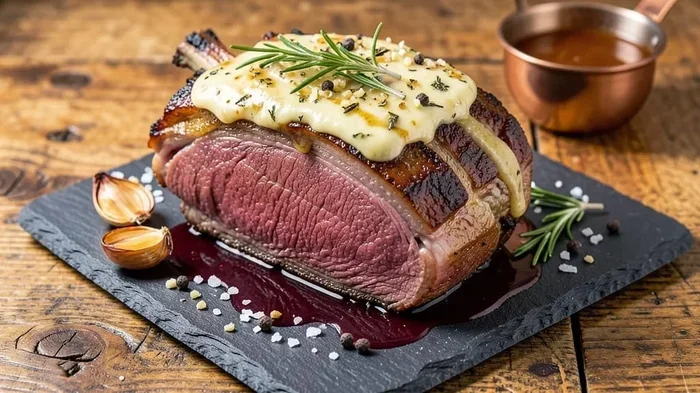
Our prime rib cook time chart gives you everything you need to roast the perfect prime rib at home. You will learn exact cook times by weight, safe internal temperatures, and simple step-by-step instructions. Whether you prefer rare, medium, or well-done, this guide helps you achieve juicy, tender results every single time.
Prime rib is one of the most impressive cuts of beef you can serve. It is rich, tender, and full of flavor. But cooking it perfectly takes a little know-how. Many people worry about getting the timing right. That is exactly why we created this prime rib cook time chart. It removes all the guesswork from your dinner planning.
Whether you are cooking for a holiday gathering or a weekend family dinner, timing is everything. A roast that is undercooked or overcooked can ruin the whole meal. But with the right prime rib cook time chart and a few simple tips, you will serve a show-stopping roast every time. This guide covers everything from weight-based timing to internal temperatures and resting periods.
Let us walk through the entire process together. By the end, you will feel confident enough to tackle a bone-in prime rib like a pro. You will know exactly how long to cook it, what temperature to aim for, and how to make it juicy and tender. No fancy equipment needed. Just a basic oven, a meat thermometer, and this guide.
Key Takeaways
- Cook Time by Weight: Use our chart to calculate the exact roast time based on your prime rib size.
- Internal Temperature Matters: Always use a meat thermometer to hit the perfect doneness every time.
- Resting Is Essential: Letting the roast rest for 20 to 30 minutes keeps all the juices inside.
- Low and Slow Wins: A lower oven temperature gives you a more even, juicy cook.
- Bone-In vs. Boneless: Bone-in roasts take slightly longer but offer more flavor.
- Searing Adds Flavor: A quick sear before roasting creates a delicious crust.
📑 Table of Contents
- Understanding Prime Rib Cook Time by Weight
- The Best Oven Temperature for Prime Rib
- Internal Temperature Guide for Perfect Doneness
- Step-by-Step Instructions for Roasting Prime Rib
- Common Mistakes to Avoid When Cooking Prime Rib
- Expert Tips for the Juiciest Prime Rib
- Prime Rib vs. Other Roasts: How Does It Compare
- Planning Your Prime Rib Dinner: Timing and Serving Tips
- Conclusion
Understanding Prime Rib Cook Time by Weight
The most important factor in your prime rib cook time chart is the weight of the roast. Larger roasts take longer, but the relationship is not always straight line. Here is a simple breakdown to help you plan.
Cook Time Chart for Bone-In Prime Rib
Bone-in prime rib is the classic choice. The bone adds extra flavor and helps protect the meat during cooking. Use this general guide for a bone-in roast cooked at 325°F:
- 3 to 4 pounds: About 25 to 30 minutes per pound for medium-rare
- 4 to 6 pounds: About 22 to 25 minutes per pound
- 6 to 8 pounds: About 20 to 22 minutes per pound
- 8 to 10 pounds: About 18 to 20 minutes per pound
- 10+ pounds: About 15 to 18 minutes per pound
These numbers give you a great starting point. But every oven is different. Some ovens run hot, while others run cool. That is why a meat thermometer is your best friend. Always check the internal temperature near the end of the estimated cook time.
Cook Time Chart for Boneless Prime Rib
Boneless prime rib cooks a bit faster because there is no bone to heat through. Here is a quick reference:
- 3 to 5 pounds: About 20 to 22 minutes per pound
- 5 to 8 pounds: About 18 to 20 minutes per pound
- 8 to 12 pounds: About 15 to 18 minutes per pound
Boneless roasts are easier to slice and serve, but they can dry out faster if you are not careful. Keep an eye on the internal temperature and pull the roast early if needed. You can always let it rest longer to carry over cooking.
The Best Oven Temperature for Prime Rib
Temperature control is the secret to a perfect prime rib. Most experts agree that 325°F is the sweet spot. This temperature allows the roast to cook evenly without drying out the outer edges.
Why Low and Slow Works
Cooking at a lower temperature for a longer time gives the heat time to penetrate the meat gently. This method, often called low and slow, helps retain moisture. The fat melts slowly, basting the meat from the inside out.
Some cooks like to start at a higher temperature for the first 15 minutes. This creates a nice sear on the outside. After searing, you drop the temperature to 325°F and continue roasting. This two-step approach gives you the best of both worlds.
If you are in a hurry, you can cook at 350°F. But you will need to watch the roast more closely. Higher temperatures increase the risk of a gray band forming just under the crust. For the juiciest results, stick with 325°F.
Internal Temperature Guide for Perfect Doneness
Knowing your target internal temperature is just as important as tracking cook time. The temperature tells you exactly how done your roast is. Here is a simple guide:
- Rare: 120°F to 125°F
- Medium Rare: 130°F to 135°F
- Medium: 140°F to 145°F
- Medium Well: 150°F to 155°F
- Well Done: 160°F and above
Most people prefer medium-rare for prime rib. This is the sweet spot where the meat is juicy, tender, and full of beefy flavor. If you prefer your roast more done, simply cook it a few degrees higher. Just remember that the temperature will rise about 5 to 10 degrees during resting.
This carryover cooking is an important part of the process. When you pull the roast from the oven, the inside will continue to cook for several minutes. That is why it is smart to pull the roast a few degrees below your target temperature. This way, it lands perfectly when you serve it.
Step-by-Step Instructions for Roasting Prime Rib
Now that you understand the basics of timing and temperature, let us walk through the actual cooking process. Follow these steps for a flawless prime rib every time.
Step 1: Bring the Roast to Room Temperature
Take your prime rib out of the refrigerator about 2 to 3 hours before cooking. Let it sit on the counter uncovered. This helps the roast cook more evenly. A cold roast going into a hot oven will cook unevenly, with the outside overcooking before the inside is done.
Step 2: Season Generously
Rub the roast with olive oil or melted butter. Then coat it generously with salt, pepper, garlic powder, and any other seasonings you like. Some people add fresh rosemary or thyme for extra flavor. The seasoning crust creates a beautiful bark during roasting.
Step 3: Sear the Roast
Heat a large skillet or roasting pan on the stove over medium-high heat. Add a little oil and sear the roast on all sides until browned. This step takes about 3 to 4 minutes per side. Searing locks in juices and adds a rich, caramelized flavor.
While searing, you might find yourself with a few extra minutes to pass the time by prepping side dishes or setting the table. Multitasking in the kitchen is a great way to keep things moving.
Step 4: Place in the Oven
Transfer the seared roast to a roasting pan or rack. Insert a meat thermometer into the thickest part of the roast, making sure it does not touch the bone. Place the pan in the oven and start your timer based on the prime rib cook time chart above.
Step 5: Monitor the Temperature
Check the internal temperature about 30 minutes before you expect the roast to be done. This gives you time to adjust if needed. If the roast is close to your target temperature, you can lower the oven temperature slightly to prevent overcooking.
Step 6: Rest the Roast
Once the roast reaches your target temperature, pull it from the oven. Cover it loosely with aluminum foil and let it rest for 20 to 30 minutes. While the roast rests, you could take a moment to catch up on some quick tasks or simply enjoy the aroma filling your kitchen.
Resting allows the juices to redistribute throughout the meat. If you cut into it too soon, the juices will run out and the roast will dry out. Patience here pays off big time.
Common Mistakes to Avoid When Cooking Prime Rib
Even experienced cooks make mistakes with prime rib. Here are the most common errors and how to avoid them.
- Skipping the meat thermometer: Relying on time alone is risky. Ovens vary, and every roast is different. A thermometer takes the guesswork out completely.
- Cooking from cold: A straight-from-the-fridge roast cooks unevenly. Always let it come to room temperature first.
- Cutting too early: Resting is not optional. Cutting into the roast right away releases all those precious juices.
- Over-seasoning: Prime rib has a natural, rich flavor. A simple seasoning of salt and pepper is often enough. Let the meat shine.
- Opening the oven too often: Every time you open the door, heat escapes. This can extend your cook time and affect the crust. Trust the process and check only when needed.
Expert Tips for the Juiciest Prime Rib
Want to take your prime rib to the next level? Here are some pro tips that make a real difference.
First, dry brine your roast the night before. Spread salt all over the meat and leave it uncovered in the fridge. The salt draws out moisture, which then gets reabsorbed. This seasons the meat deeply and creates a better crust. It is a simple trick that elevates the entire roast.
Second, let the roast rest at the right temperature after cooking. Do not leave it on the counter for more than 30 minutes. If you live in a warm climate, tent it loosely with foil to keep it warm without overcooking it.
Third, save the drippings. The juices left in the roasting pan make an incredible gravy. Simply deglaze the pan with a splash of beef broth, scrape up the browned bits, and simmer until thickened. Your guests will love it.
Finally, slice against the grain. This makes each slice more tender and easier to chew. Use a sharp carving knife and cut thin, even slices for the best presentation.
Remember, timing is everything when it comes to prime rib. Keep your prime rib cook time chart handy and refer to it every time you roast. With practice, you will instinctively know when your roast is perfect. The more you cook, the more confident you will become.
Prime Rib vs. Other Roasts: How Does It Compare
Prime rib is often compared to other beef roasts like chuck roast, ribeye roast, and standing rib roast. Here is a quick look at how they differ in cook time and flavor.
Prime rib comes from the rib section of the cow, the same area as ribeye steaks. It is more marbled and tender than a chuck roast. Chuck roast requires much longer cooking, often several hours of braising. Prime rib, on the other hand, is best cooked with dry heat in the oven.
Compared to a leaner cut like a top round roast, prime rib stays juicier because of its fat content. This fat also means it is more forgiving during cooking. A slight overcook is less noticeable with prime rib than with a lean roast.
If you love the flavor of prime rib but want a smaller cut, a bone-in ribeye roast is a great alternative. It has similar marbling and flavor but is easier to manage for smaller gatherings. The cook time is shorter, usually about 15 to 20 minutes per pound at 325°F.
Planning Your Prime Rib Dinner: Timing and Serving Tips
Serving prime rib is an event. Getting the timing right ensures your roast is hot and ready when your guests arrive. A good rule of thumb is to plan for about 1 pound of bone-in prime rib per person. For boneless, plan for 1/2 pound per person.
Start your roast about 3 to 4 hours before serving time. This accounts for the room temperature rest, the searing, the roasting, and the resting period. If you are cooking a large roast over 10 pounds, add an extra 30 minutes to be safe.
While the roast rests, prepare your sides. Mashed potatoes, roasted vegetables, and a simple green salad pair beautifully with prime rib. The resting time gives you a perfect window to finish everything without rushing.
When it is time to serve, carve the roast at the table for a dramatic presentation. Arrange the slices on a warm platter and pour the pan juices over the top. Your guests will be impressed, and the compliments will flow.
Conclusion
Cooking a perfect prime rib is easier than you think. With the right prime rib cook time chart, a reliable meat thermometer, and a little patience, you can roast a juicy, tender masterpiece at home. Remember to account for the weight of your roast, target the right internal temperature, and always let the meat rest before slicing.
Use the charts and tips in this guide as your go-to reference. Each time you cook, you will refine your technique and build confidence. Prime rib is a showstopper dish that will impress everyone at your table. So go ahead, fire up that oven, and enjoy the process of creating something truly special.
The key to a perfect prime rib is preparation and timing. Keep this guide bookmarked for your next roast. You will be glad you did. Happy cooking!
Frequently Asked Questions
How long does it take to cook a 5-pound prime rib?
At 325°F, a 5-pound bone-in prime rib takes about 2 to 2.5 hours for medium-rare. This is based on roughly 22 to 25 minutes per pound. Always use a meat thermometer to confirm doneness.
What is the best temperature to cook prime rib?
325°F is the recommended oven temperature for most prime rib roasts. It provides even cooking and a juicy result. Some cooks start at 450°F for 15 minutes to sear, then lower to 325°F.
Should I cover my prime rib with foil while cooking?
No, do not cover the roast during cooking. Leaving it uncovered allows the outside to develop a flavorful crust. You can tent it with foil during the resting period to keep it warm.
How do I know when my prime rib is done?
The only reliable way is to use a meat thermometer. Check the internal temperature in the thickest part, away from the bone. For medium-rare, aim for 130°F to 135°F.
Can I cook prime rib ahead of time?
Yes, you can roast it a day ahead and reheat gently. Slice the roast, store it with the juices, and reheat at 300°F covered with foil. This keeps it moist and tender for serving later.
How long should prime rib rest before slicing?
Let the roast rest for 20 to 30 minutes after removing it from the oven. This allows the juices to redistribute, making each slice more flavorful and juicy. Do not skip this step.