Do You Need a Yoga Mat on Carpet
Using a yoga mat on carpet can offer extra cushioning and grip, but it depends on your mat type, carpet texture, and personal comfort. Some yogis love practicing directly on carpet, while others swear by a mat for stability and joint support. This guide breaks down the pros, cons, and practical tips to help you decide if a yoga mat on carpet is right for your routine.
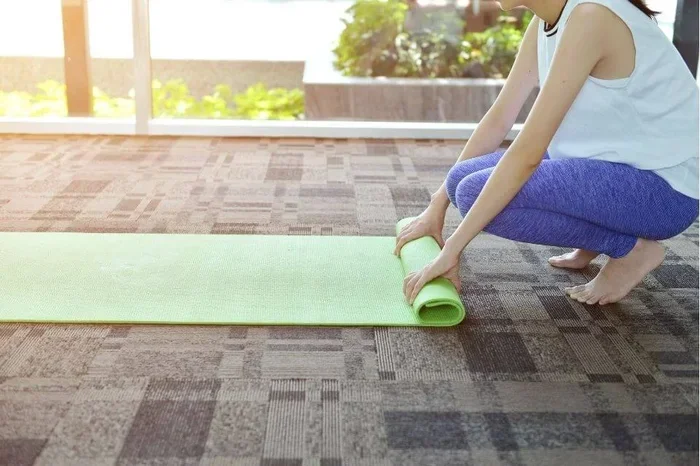
You unroll your yoga mat on carpet and pause. Is this really necessary? Maybe the carpet feels soft enough. Maybe your feet grip the floor fine. The truth is, whether you need a mat on carpet depends on several things. Your mat type, your carpet thickness, and the style of yoga you practice all play a role.
Many people assume a mat is only for hard floors. But carpet brings its own set of challenges. It can grab your toes. It can hide dust. It can feel squishy in ways that throw off your balance. Let us walk through everything you need to know about using a yoga mat on carpet so you can make the best choice for your body and your practice.
Key Takeaways
- Carpet can act as a natural cushion: Thick carpet may reduce the need for a mat, but thin carpet often benefits from added support.
- Grip matters most: A non-slip yoga mat prevents slipping on carpet fibers and keeps your poses stable.
- Hygiene is a real concern: Carpet traps dust, dirt, and allergens that can transfer to your mat and body.
- Mat thickness choice is key: Matching your mat thickness to your carpet type makes a big difference in comfort.
- Some styles don’t need a mat: Certain yoga practices work perfectly fine barefoot on carpet without any mat at all.
- Cleaning both surfaces matters: Keeping your carpet and mat clean ensures a safe and healthy practice space.
📑 Table of Contents
Why Carpet Changes Your Yoga Game
Carpet is not the same as a hardwood floor or a tiled surface. It has texture, depth, and give. These qualities change how your body interacts with the ground during yoga. Understanding these differences helps you decide if you need a mat.
The Texture Factor
Carpet fibers create a textured surface. This texture can actually help with grip in some cases. Your toes and fingers can dig into the fibers, which feels stabilizing. But here is the catch. That same texture can catch on your mat or your skin. If you have a sticky non-slip yoga mat, the carpet fibers might create uneven resistance. This can shift your hands or feet mid-pose.
Think about it like this. Carpet is like a sponge with millions of tiny fibers. When you press down, those fibers compress and then push back. This springy feeling can throw off your alignment in standing poses. If you have ever felt wobbly in Tree Pose on carpet, this is why.
The Cushioning Effect
One of the biggest perks of carpet is the built-in cushioning. A thick carpet pad can feel wonderful on your knees and elbows during floor poses. You might not need a yoga mat on carpet for comfort alone. But thin carpets, like low-pile rugs, offer very little padding. In that case, a mat adds valuable joint protection.
If you practice on a thick plush carpet, you might find that a mat actually reduces your stability. The extra squish can make it harder to root your feet firmly. This is something to keep in mind when choosing your setup.
When You Definitely Need a Yoga Mat on Carpet
Not every carpet situation is the same. Some setups absolutely call for a mat. Others might not need one at all. Let us break down the scenarios where a mat becomes essential.
Thin or Low-Pile Carpets
If your carpet is thin or has a short pile, you are probably missing out on natural cushioning. In this case, a yoga mat on carpet gives you the padding your joints need. Without it, your knees and wrists take a beating during poses like Cobra or Child’s Pose.
Thin carpets also offer less insulation from the cold. If your floor beneath the carpet is concrete or tile, you will feel that chill. A mat acts as a barrier and keeps your practice comfortable. For these situations, a mat is not just nice to have. It is a necessity.
High-Flow or Vinyasa Styles
Dynamic yoga styles like Vinyasa or Ashtanga involve a lot of movement. You flow from pose to pose quickly. Your hands and feet slide across the floor constantly. On carpet, this movement can create friction that heats up your skin and causes discomfort.
A mat creates a smooth, consistent surface for your transitions. It lets you move freely without catching on carpet fibers. If you practice yoga on carpet with fast-paced flows, a mat improves both comfort and performance. The grip it provides keeps you locked into each pose.
Sweaty Practices
Hot yoga or intense sessions make you sweat. Sweat and carpet do not mix well. Moisture can soak into carpet fibers and create a breeding ground for bacteria and mold. A non-slip yoga mat acts as a protective layer between your body and the carpet. It catches sweat and keeps your practice hygienic.
Even if your carpet looks clean, microscopic bacteria can lurk deep in the fibers. A mat adds a layer of defense. It is especially important if anyone in your household has allergies or sensitive skin. Think of the mat as a shield for both your body and your carpet.
When You Can Skip the Mat on Carpet
Here is the other side of the story. Sometimes practicing directly on carpet is perfectly fine. In fact, some yogis prefer it. Let us look at when you can leave the mat behind.
Thick, High-Pile Carpets
If you have a thick, plush carpet, the natural cushioning might be all you need. Deep-pile rugs feel soft under your knees and hands. They provide enough padding for most gentle yoga practices. In this case, you can skip the mat and still have a comfortable session.
However, keep an eye on your grip. Thick carpet can sometimes feel slippery, especially if the fibers are long and smooth. Test a few poses barefoot before committing to a mat-free practice. If you feel stable, you are good to go.
Gentle or Restorative Yoga
Slow-paced styles like Yin or Restorative yoga involve holding poses for long periods. You move gently and slowly. There is less sliding and less dynamic movement. For these practices, carpet alone can provide a comfortable surface. A mat might even get in the way by adding unnecessary height.
If you are doing seated meditation or gentle stretches on a thick carpet, the floor is probably fine. Listen to your body. If your joints feel supported and your feet feel grounded, trust that feeling.
Barefoot Comfort
Some people simply feel better barefoot on carpet. The texture of the fibers stimulates the feet and improves proprioception. This is the body’s ability to sense its position in space. Practicing barefoot on carpet can actually enhance your balance in certain poses.
If you have clean carpet and no allergies, going barefoot can be a great option. Just make sure your carpet is well-vacuumed and free of debris. A clean carpet surface is safe and supportive for many yoga practices.
Choosing the Right Mat for Carpet Practice
If you decide a mat is right for you, picking the correct one matters a lot. Not all mats work well on carpet. The wrong mat can make your practice harder instead of easier.
Thickness Matters
Carpet already adds some cushioning, so you do not need the thickest mat available. A standard yoga mat thickness of about 3 to 5 millimeters works well on most carpets. Thicker mats, like 6mm or 8mm, can make you feel unstable on carpet because the combined cushioning is too much.
If you need extra joint support, look for a mat with dense construction rather than just extra thickness. A firm, dense mat on carpet gives you support without sacrificing stability. Think of it as a balance between comfort and control.
Material and Grip
Not all mat materials perform the same on carpet. TPE (thermoplastic elastomer) mats tend to grip carpet well. Natural rubber mats offer excellent traction but can be heavy. PVC mats are affordable and durable, but they may slide on thick carpet if the backing is weak.
Here is a quick comparison to help you decide.
- TPE Mats: Lightweight, good grip on carpet, eco-friendly options available.
- Natural Rubber: Excellent non-slip performance, heavy, very durable.
- PVC Mats: Budget-friendly, decent grip, may slide on plush carpet.
- Cork Mats: Natural antimicrobial properties, firm feel, great grip when wet.
For carpet practice, prioritize grip over thickness. A mat that stays put on carpet keeps you safe and focused on your flow. If you want more details on choosing the right thickness, check out this guide on how thick of a yoga mat do I need.
Hygiene and Cleaning Considerations
Carpet and yoga mats both collect dirt, dust, and sweat. When you combine the two, keeping things clean becomes even more important. Hygiene should be a big part of your decision-making process.
What Lives in Your Carpet
Carpet traps dust mites, pet dander, pollen, and dead skin cells. These allergens sit deep in the fibers and get stirred up every time you walk or move on the carpet. When you practice yoga barefoot, all of those particles come into direct contact with your skin.
A yoga mat creates a barrier between you and all of that debris. It keeps your practice cleaner and reduces the chance of skin irritation or allergic reactions. If your carpet has not been deep cleaned recently, a mat is a smart choice.
Keeping Your Mat Clean
When you use a mat on carpet, it picks up carpet fibers, dust, and moisture. Regular cleaning of your mat is essential. You can wipe it down with gentle cleaners designed for yoga mats. Avoid harsh chemicals that can damage the mat material and leave residue on your carpet.
For specific cleaning tips, this article on what do you use to clean a yoga mat covers safe and effective methods. Clean both your mat and your carpet regularly to maintain a healthy practice space.
Common Mistakes People Make on Carpet
Even experienced yogis make mistakes when practicing on carpet. Avoiding these common errors can improve your practice and protect your joints.
Using a Slippery Mat
Some mats are designed for hard floors and lose their grip on carpet. If your mat slides around during poses, it is time for an upgrade. Look for a mat specifically designed for soft or uneven surfaces. A mat with a textured bottom grips carpet fibers and stays in place.
Ignoring Carpet Height
Not all carpets are created equal. Practicing on a thick shag rug without adjusting your setup can throw off your balance. Be mindful of your carpet type and choose your mat and poses accordingly. If the carpet is too thick, consider moving to a different area of your room.
Forgetting to Clean Both Surfaces
It is easy to focus on cleaning the mat and forget about the carpet underneath. Dirty carpet transfers grime to your mat every time you unroll it. Make vacuuming and carpet cleaning part of your regular routine. A clean practice space supports a healthy body and mind.
Expert Tips for Yoga on Carpet
Experienced yogis know that carpet practice has its own set of rules. Here are some insider tips to get the most out of your carpet yoga sessions.
Test Your Grip First
Before you start your full practice, test a few key poses on the carpet. Try Downward Dog, Warrior II, and Tree Pose. Notice how your feet and hands feel. If you feel stable and secure, you are ready to flow. If you feel any slipping or discomfort, adjust your setup.
Use a Towel for Extra Absorption
If you sweat a lot, place a thin towel over your mat on carpet. The towel absorbs excess moisture and prevents slipping. It also keeps sweat from soaking into the carpet fibers. This simple trick extends the life of both your mat and your carpet.
Consider a Double Layer
If your carpet is thin and you need more cushioning, try layering two mats. A thin mat on top of a thicker one gives you both stability and comfort. This works well on carpet with a hard floor underneath. Just make sure the combined thickness does not make you feel unsteady.
Practice Near a Window
Carpet can hold odors over time, especially in rooms with little airflow. Practicing near an open window or in a well-ventilated space keeps the area fresh. Good ventilation also helps dry any moisture from your practice quickly, which protects both your carpet and your mat.
Final Thoughts
So, do you need a yoga mat on carpet? The answer is: it depends. Your carpet type, your yoga style, and your personal comfort all matter. Thick carpet and gentle yoga might not need a mat at all. Thin carpet and dynamic flows almost always benefit from one.
A good mat gives you grip, cushioning, and hygiene protection. It can transform your carpet practice into something safer and more enjoyable. Take the time to find the right mat for your carpet setup. Your joints, your balance, and your peace of mind will thank you.
Whether you roll out a mat or go bare, the most important thing is that you show up on your mat. Your practice is yours. Make it work for your space, your body, and your life. If you want to explore more about mat needs, check out this guide on do you need a yoga mat to do yoga for broader insights.
Frequently Asked Questions
Can I do yoga barefoot on carpet without a mat?
Yes, you can practice barefoot on carpet without a mat, especially if the carpet is thick and clean. Thick carpet provides natural cushioning and grip for gentle yoga styles. Just make sure the carpet is free of debris and allergens before you start.
What type of yoga mat works best on carpet?
TPE and natural rubber mats work best on carpet because they offer excellent grip and stability. Look for a mat with a textured bottom that grips carpet fibers. Avoid very thick mats on carpet, as they can reduce your balance and stability.
Does carpet make yoga harder or easier?
Carpet can make yoga both harder and easier depending on the type. Thick carpet adds cushioning that makes floor poses more comfortable, but it can also reduce stability in standing poses. Thin carpet offers less cushioning and may feel harder on your joints during poses like Child’s Pose.
How often should I clean my yoga mat when using it on carpet?
You should clean your yoga mat after every few uses, especially when practicing on carpet. Carpet fibers, dust, and moisture transfer to your mat during practice. Wiping it down with a gentle mat cleaner keeps it hygienic and extends its lifespan.
Is it better to practice yoga on carpet or a hard floor?
Both surfaces have benefits. Carpet offers cushioning and is gentler on joints, while hard floors provide a stable, firm base for better balance. The best choice depends on your yoga style, your mat type, and your personal comfort preferences.
Can carpet damage my yoga mat over time?
Carpet can wear down your yoga mat gradually, especially if the carpet is rough or abrasive. Dirt and grit trapped in carpet fibers can scratch and degrade mat surfaces over time. Regularly cleaning both your carpet and your mat helps prevent this damage.