Do You Need a Yoga Mat to Workout

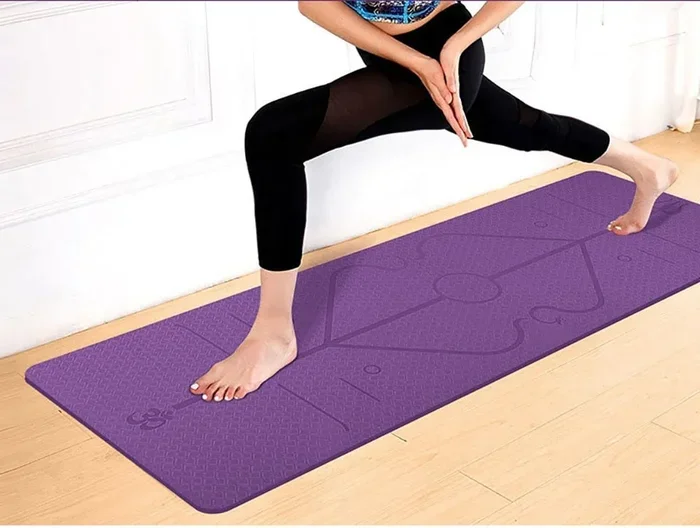
You don’t always need a yoga mat to workout, but it depends on your exercises, surface, and goals. A yoga mat provides cushioning, grip, and hygiene benefits that can make a big difference in your home workout experience. Let us explore when a mat is essential and when you can skip it entirely.
Do you need a yoga mat to workout? This is a question that pops up in every fitness community. The short answer is: it depends. If you are doing push-ups on a carpeted floor, you probably do not need one. But if you are doing deep stretches or core work on a hardwood surface, a mat can change everything.
In this guide, we will walk through every scenario. You will learn when a mat helps, when it does not matter, and what alternatives you can use. Whether you are a beginner or a seasoned fitness lover, this article has you covered.
The truth is, most people underestimate the role a simple exercise mat plays in their routine. It is not just about comfort. It is about safety, stability, and consistency. Let us dig into the details so you can make the best choice for your body and your goals.
Key Takeaways
- Not mandatory: You can do many workouts without a mat on carpet or grass.
- Joint protection: A mat cushions your knees, spine, and hips during floor exercises.
- Better grip: A non-slip surface keeps you stable during balance and core work.
- Hygiene factor: A mat creates a clean barrier between you and the floor.
- Thickness matters: Choose the right mat thickness based on your workout type.
- Alternatives exist: Towels, carpet, or foam tiles can substitute in a pinch.
📑 Table of Contents
What Does a Yoga Mat Actually Do?
A yoga mat is more than just a piece of fabric. It serves several important functions during your fitness routine. Understanding these functions helps you decide if you truly need one.
Cushioning and Joint Protection
Your knees, elbows, spine, and hips take a beating during floor exercises. A mat provides cushioning that absorbs impact. This is especially important for bodyweight training like planks, push-ups, and sit-ups. Without a mat, hard surfaces can cause joint pain over time.
Think about it. You would not do a hundred push-ups on concrete. A mat softens that surface and protects your bones. This is why many people who do floor exercises regularly swear by their mats.
Grip and Stability
A good mat gives you a non-slip surface. This is crucial for balance poses and standing exercises. When your hands or feet slide around, you lose focus and increase injury risk. A mat keeps you grounded and confident during every movement.
This is especially true for balance training and stretching routines. You want to feel secure so your mind can focus on the exercise, not on staying upright.
Hygiene and Cleanliness
A mat creates a personal space. It keeps sweat, dirt, and bacteria away from your body. This is a big deal in shared spaces like gyms or studios. If you want to know how to keep your mat clean, check out our guide on what you use to clean a yoga mat.
When You Do NOT Need a Yoga Mat
Here is the thing: not every workout requires a mat. In fact, some exercises are better done without one. Let us look at the situations where you can skip the mat entirely.
Standing Exercises and Cardio
If your workout involves standing movements, you likely do not need a mat. Exercises like squats, lunges, burpees, and jumping jacks are all done upright. A mat would just get in the way. For these resistance exercises, a firm surface is actually better.
Cardio workouts like jogging in place, high knees, and mountain climbers also do not need a mat. These movements are dynamic and require a stable, firm floor. A thick mat could even throw off your balance during quick footwork.
Working Out on Carpet or Grass
If you have carpet at home or access to a grassy area, you already have natural cushioning. Carpet provides enough padding for most core exercises and stretching routines. Grass is even better for outdoor workouts. In these cases, a mat is optional, not necessary.
Many people love doing yoga or pilates on grass during summer. The natural surface feels great and adds a connection to nature. You can also try bodyweight training on a soft patch of grass without any mat at all.
Using a Towel or Blanket
A thick towel or blanket can work in a pinch. It is not as good as a proper mat, but it offers some cushioning. This works fine for casual stretching or light exercises at home. If you are traveling or forgot your mat, do not let that stop your fitness routine.
When You Absolutely Need a Yoga Mat
Now let us flip the coin. There are clear situations where a yoga mat is not just helpful but essential.
Deep Stretching and Flexibility Work
If your workout involves deep stretches, a mat is a must. Holding stretches on a hard floor can be painful and even dangerous. Your muscles need to relax fully, and that is hard to do when your knees are pressing against cold hardwood.
Yoga and pilates are prime examples. These practices involve holding poses for extended periods. A mat provides the comfort and support you need to go deeper safely. If you want to learn more about whether you need a mat for yoga specifically, read our article on do you need a yoga mat to do yoga.
Balance and Stability Exercises
Balance work demands a stable, non-slip surface. Standing on one leg or holding a tree pose on a slippery floor is a recipe for disaster. A mat gives you the traction and confidence to hold these poses properly.
This applies to both yoga and general fitness routines. Even simple single-leg exercises benefit from a mat. Your feet stay planted, and you can focus on form instead of worrying about slipping.
Knife-Edge Hard Surfaces
Hardwood, tile, and concrete floors are tough on your body. These surfaces offer zero cushioning. Doing any kind of floor work directly on them can lead to bruising, joint pain, and discomfort. A mat creates a protective layer between you and the hard ground.
If you work out at home on a hard floor, investing in a mat is one of the best decisions you can make. It protects your body and makes your sessions more enjoyable. For guidance on choosing the right thickness, see our piece on how thick of a yoga mat do I need.
How to Choose the Right Mat for Your Workout
Not all mats are created equal. Different workouts call for different features. Here is what to look for when picking a mat.
Thickness
Mat thickness ranges from thin travel mats to thick cushioned ones. Thin mats (about 3mm) are great for balance work because they keep you close to the ground. Thick mats (6mm or more) offer better cushioning for joint protection.
If you do a mix of exercises, a medium-thick mat around 5mm is a solid choice. It balances comfort and stability. The key is matching the thickness to your primary workout type.
Material and Texture
mats come in PVC, TPE, rubber, and cork. PVC is affordable and durable. TPE is eco-friendly and lightweight. Rubber offers excellent grip. Cork is naturally antimicrobial and feels premium.
Choose a texture that suits your needs. A slightly textured surface gives you better grip during sweaty workouts. A smooth surface is easier to clean. Think about where and how often you will use the mat.
Size and Portability
Standard mats are about 68 inches long and 24 inches wide. If you are taller, look for longer options. If you travel often, consider a lightweight or foldable mat. The best mat is one you actually carry with you.
For those wondering about bringing mats on trips, our article on can you bring a yoga mat on a plane covers travel-friendly options.
Can You Use Other Surfaces Instead of a Mat?
Yes, you can. But each alternative has trade-offs. Let us compare some common options.
Exercise Mat vs. Alternatives Comparison
| Surface | Cushioning | Grip | Best For |
|---|---|---|---|
| Yoga Mat | Excellent | Excellent | Yoga, pilates, stretching |
| Carpet | Good | Moderate | Light floor exercises |
| Grass | Good | Variable | Outdoor yoga, stretching |
| Towel | Fair | Poor | Quick stretch sessions |
| Foam Tile | Very Good | Good | Home gym flooring |
| Hardwood Floor | None | Poor | Standing exercises only |
As you can see, a dedicated mat wins in most categories. But alternatives work fine for specific situations. The key is knowing what your workout demands and choosing accordingly.
Common Mistakes People Make With Yoga Mats
Even people who use mats regularly make mistakes. Here are a few to avoid.
Buying the wrong thickness. A thick mat feels comfortable but can throw off your balance during standing poses. Pick thickness based on your primary activity.
Skipping mat cleaning. Sweat builds up fast. A dirty mat can cause skin irritation and odors. Clean your mat regularly with the right products.
Using a mat on a wet surface. This creates a slipping hazard. Always dry your mat and your floor before use.
Ignoring wear and tear. Mats degrade over time. Replace yours when it loses its grip or cushioning. A worn-out mat does more harm than good.
Expert Insights on Mat Usage
Fitness professionals agree that a mat is not always necessary but is highly recommended for floor-based workouts. Personal trainers often suggest that clients who do core exercises or flexibility training invest in a quality mat. It shows commitment to the practice and protects the body.
Many trainers also emphasize that the exercise equipment you use should match your workout style. If your routine is mostly standing and dynamic, a mat is a nice-to-have. If it involves a lot of ground work, it becomes a must-have. Listen to your body and let it guide your decision.
One more thing to consider: consistency. When you have a mat ready and accessible, you are more likely to actually do your workout. That simple fact makes a mat a powerful tool for building a lasting home workout habit.
Final Thoughts
So, do you need a yoga mat to workout? The honest answer is: it depends on what you are doing. For standing cardio and resistance exercises, you can skip it. For yoga, pilates, stretching, and floor work, a mat makes a huge difference.
The best approach is to assess your routine honestly. If you do mostly floor-based exercises, get a mat. Your joints will thank you. If your workouts are mostly upright, you can start without one and add a mat later as your routine evolves.
Either way, the most important thing is that you show up and move your body. A mat is a tool to support that journey. Use it when it helps, and do not stress when you do not need it. Your fitness journey is yours, and it works best when it fits your life.
Frequently Asked Questions
Can you do yoga without a yoga mat?
Yes, you can practice yoga without a mat, especially on carpet or grass. However, a mat provides better grip and cushioning for floor poses. For a detailed look at this topic, check out our guide on whether you need a mat to do yoga.
What can I use instead of a yoga mat for workouts?
A thick towel, blanket, carpet, or foam tiles can substitute for a yoga mat in a pinch. Each option offers different levels of cushioning and grip. For light stretching, a towel works fine. For more intense floor work, foam tiles are a better alternative.
Is a yoga mat necessary for pilates?
A yoga mat is highly recommended for pilates. Most pilates exercises involve floor work that requires cushioning and a non-slip surface. Without a mat, you may experience discomfort and reduced stability during your practice.
How often should I replace my yoga mat?
A yoga mat typically lasts 1 to 5 years depending on usage and quality. Signs you need a replacement include loss of grip, thinning cushioning, and persistent odors. Regular cleaning can extend your mat’s lifespan significantly.
Can you use a yoga mat for other exercises besides yoga?
Absolutely. A yoga mat works great for pilates, stretching, core exercises, and even bodyweight training. Some people also use a mat for jump rope recovery stretches or as a comfortable surface for foam rolling and mobility work.
Do I need a thick mat for knee-intensive exercises?
Yes, if your workout involves a lot of kneeling or knee-down poses, a thicker mat (5mm or more) is important. It protects your knees from pressure and discomfort. For exercises that do not involve kneeling, a thinner mat may be sufficient.