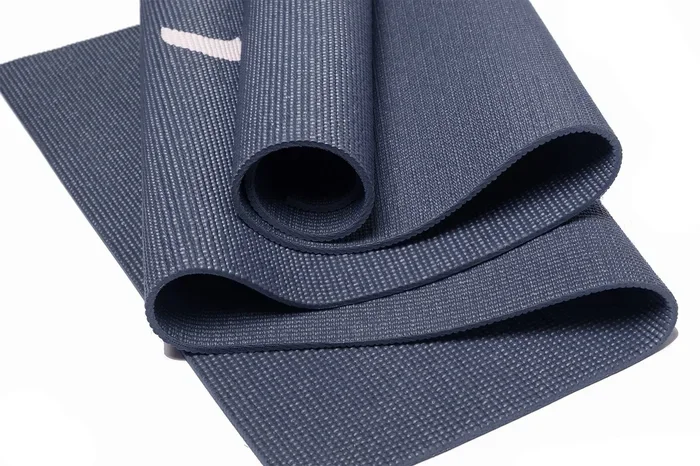
Do You Need a Yoga Mat for Yoga
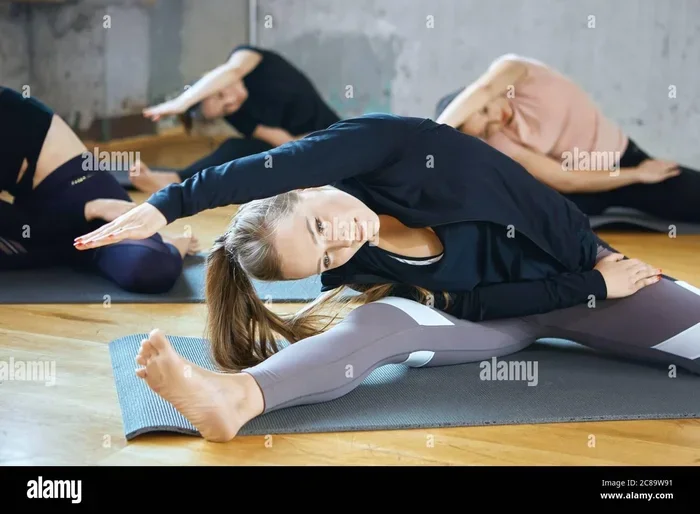
Do you need a yoga mat for yoga? The short answer is yes — a yoga mat provides cushioning, grip, and support that make your practice safer and more comfortable. Whether you practice at home or in a studio, the right exercise mat helps with alignment, reduces joint stress, and prevents slipping during poses.
You have rolled out your yoga mat, taken a deep breath, and prepared to move through your yoga practice. But wait — do you actually need a yoga mat for yoga? It seems like a simple question, but the answer is more nuanced than you might think.
The truth is, a yoga mat is one of the most important pieces of yoga equipment you can own. It gives you a stable, comfortable surface to perform yoga poses on. Without it, you might slip, lose balance, or put unnecessary pressure on your knees, wrists, and spine. But does everyone need one? And what if you are just starting out? Let us break it all down.
If you are new to yoga or thinking about starting, you might wonder whether investing in a mat is really necessary. Some people practice on carpet, others on grass, and some use towels or blankets. Each option has its pros and cons. But a proper exercise mat designed for yoga offers benefits that alternatives simply cannot match. In this guide, we will walk you through everything you need to know about yoga mats, from thickness and material to cleaning and storage.
Key Takeaways
- A yoga mat is essential: It protects your joints, prevents slipping, and improves your overall yoga experience.
- Thickness matters: Standard mats are 3-5mm thick, but thicker options exist for sensitive joints or hard floors.
- Material choice affects performance: PVC, TPE, and rubber mats each offer different levels of grip, durability, and eco-friendliness.
- You can practice without one: Some styles and surfaces allow for mat-free yoga, but a mat adds significant benefits.
- Cleaning your mat regularly: Keeps it hygienic and extends its lifespan, especially if you sweat a lot.
- Size and portability count: Choose a mat that fits your body and your lifestyle, whether you travel or practice at home.
📑 Table of Contents
Why Do You Need a Yoga Mat for Yoga?
A yoga mat is not just a fancy accessory. It serves real, practical purposes that directly impact your safety and comfort during practice. Let us look at the main reasons a mat matters.
It Provides Cushioning for Your Joints
Many yoga poses involve balancing on your hands, knees, or elbows. Without a mat, these joints bear the full force of your body weight against a hard floor. Over time, this can cause pain, bruising, or even injury. A yoga mat adds a layer of cushioning that absorbs shock and protects your joints. This is especially important for people with sensitive knees or wrists.
It Prevents Slipping
When you sweat — and you will sweat during a vigorous yoga routine — your hands and feet can slide on a smooth floor. A non-slip surface on a quality mat keeps you grounded. You can hold poses with confidence, knowing you will not slip mid-movement. This is critical for balance poses like Tree Pose or Warrior III.
It Helps with Alignment
Good alignment is the foundation of safe yoga. A mat gives you a clear visual boundary for your body. You can see where your hands and feet are placed, which helps you maintain proper form. Over time, this awareness carries over into your practice and reduces the risk of strain.
It Creates a Personal Space
In a studio setting, a mat marks your personal space. It signals to others where your practice area begins and ends. Even at home, rolling out a mat creates a mental cue that tells your brain, “It is time to focus.” This small ritual can improve your mindfulness and make your sessions more effective.
Can You Do Yoga Without a Mat?
Some people ask, do you have to have a mat for yoga? The answer is no — you can practice without one. But there are trade-offs. Let us explore when going mat-free makes sense and when it does not.
When You Can Skip the Mat
- On thick carpet: Carpet provides natural cushioning and grip, so a mat may feel redundant.
- On grass outdoors: The ground itself offers a soft, natural surface for gentle stretching.
- For seated meditation: If your practice is mostly seated and still, a blanket or cushion may be enough.
- During restorative yoga: Gentle, slow-paced sessions with lots of lying down may not need the same grip as a dynamic flow.
When You Really Need a Mat
- On hardwood or tile floors: These surfaces are slippery and hard. A mat is almost essential.
- For vinyasa or power yoga: Fast-moving styles involve a lot of sweating and weight-bearing poses.
- If you have joint issues: The extra cushioning protects your knees, hips, and wrists from pressure.
- For hot yoga: High heat means more sweat, which means more slipping without a proper mat.
If you are still unsure, check out our detailed guide on do you need a yoga mat to do yoga for more insight into when a mat is truly necessary.
What Thickness Should Your Yoga Mat Be?
Not all mats are created equal. Mat thickness is one of the most important factors to consider. The right thickness depends on your body, your practice style, and the surface you are working on.
Standard Thickness (3mm to 5mm)
Most standard yoga mats are between 3mm and 5mm thick. This range works well for most people. It offers enough cushioning for comfort while keeping you close to the ground. Close contact with the floor helps with balance and stability, which is why many experienced yogas prefer thinner mats.
Thick Mats (6mm to 8mm)
Thicker mats provide extra joint support. They are ideal for beginners, people with joint pain, or anyone practicing on very hard surfaces. However, thick mats can feel less stable during standing poses. If you choose a thicker mat, look for one with a textured, non-slip surface to compensate.
Extra Thick Mats (10mm and above)
Extra thick mats are great for restorative yoga or gentle stretching. They provide maximum comfort for poses where you lie or kneel for long periods. But they are not ideal for active styles like Ashtanga or Power Yoga because they reduce your connection to the floor.
Want to learn more about choosing the right thickness? Check out our guide on how thick of a yoga mat do I need for detailed recommendations.
Yoga Mat Materials: Which One Is Right for You?
The material of your mat affects its grip, durability, comfort, and environmental impact. Here is a breakdown of the most common materials used in yoga mats.
PVC (Polyvinyl Chloride)
PVC is the most traditional and widely used material. It is affordable, durable, and offers excellent grip. PVC mats come in a wide range of thicknesses and colors. The downside is that PVC is not biodegradable and is made from synthetic chemicals. However, many high-quality PVC mats are free from harmful toxins and are safe to use.
TPE (Thermoplastic Elastomer)
TPE is a popular eco-friendly alternative to PVC. It is lightweight, recyclable, and free from harmful chemicals. TPE mats offer good cushioning and a decent grip. They are a great choice for people who want a sustainable yoga mat without sacrificing comfort.
Natural Rubber
Rubber mats are dense, durable, and provide superior grip — even when wet. They are naturally antimicrobial and long-lasting. The downside is that they are heavier than other options and may have a strong smell when new. Some people are also allergic to latex, so check before buying a rubber mat.
Cotton and Jute
Natural fiber mats made from cotton or jute offer a unique, earthy feel. They are breathable and eco-friendly. However, they provide less cushioning than foam or rubber mats. These are often used as yoga towels that lay on top of a thicker mat for extra grip.
How to Choose the Best Yoga Mat
With so many options available, picking the right yoga mat can feel overwhelming. Here are the key factors to consider.
Consider Your Practice Style
Are you a gentle, slow-paced practitioner or an intense, fast-flowing yogi? Your style determines the thickness and grip you need. Active styles like Vinyasa or Power Yoga benefit from thinner, grippier mats. Gentle or restorative styles work well with thicker, softer mats.
Think About Where You Practice
If you practice at home on hardwood floors, a standard 5mm mat with good grip is ideal. If you travel often, look for a lightweight or travel-sized mat that is easy to carry. For outdoor practice on grass, a thicker mat with a textured surface works best.
Check the Grip and Texture
A non-slip surface is essential, especially if you sweat a lot. Look for mats with a textured or ridged surface on top. Some mats have a sticky feel that grips your skin, while others rely on friction. Both types work, but sticky mats tend to perform better in hot conditions.
Set a Budget
Yoga mats range from under $10 to over $100. You do not need to spend a fortune to get a good mat. A mid-range mat in the $20 to $40 range will serve most practitioners well. Invest more if you practice frequently or need specific features like extra cushioning or eco-friendly materials.
For guidance on the ideal specifications, see our article on what is the best thickness for a yoga mat to make an informed decision.
How to Clean and Care for Your Yoga Mat
Your mat picks up sweat, dirt, and bacteria over time. Regular cleaning keeps it fresh, hygienic, and long-lasting. Here is how to care for your yoga mat.
Daily Care
- Wipe it down after each use with a damp cloth or a yoga mat spray.
- Let it air dry completely before rolling it up. Never store a wet mat.
- Avoid direct sunlight when drying, as UV rays can degrade the material.
Deep Cleaning
- Mix a gentle cleaner with water — a few drops of mild dish soap works well.
- Wipe the entire surface with a soft cloth soaked in the solution.
- Rinse with a clean damp cloth to remove any soap residue.
- Hang it to dry over a shower rod or clothesline.
Many people ask, what do you use to clean a yoga mat? The answer is simple: a gentle soap, water, and a soft cloth. Avoid harsh chemicals like bleach or alcohol, as they can break down the material and reduce grip. For more detailed cleaning tips, visit our guide on what do you use to clean a yoga mat.
Storage Tips
- Roll your mat loosely rather than folding it. Folding can cause creases and cracks over time.
- Store it flat or rolled up in a cool, dry place.
- Use a mat bag or strap to keep it clean and protected when traveling.
Common Mistakes People Make With Yoga Mats
Even experienced practitioners make mistakes when it comes to their mats. Here are the most common ones to avoid.
Buying the Wrong Thickness
Some people buy a thick mat for comfort but end up feeling unstable during standing poses. Others buy a thin mat for balance but experience knee pain. Choose your thickness based on your primary needs and the type of yoga you practice most often.
Skipping Regular Cleaning
A dirty mat is not just unpleasant — it can harbor bacteria and cause skin irritation. Make cleaning your mat part of your regular routine. It only takes a few minutes and keeps your practice space hygienic.
Using the Wrong Mat for Your Practice
A travel mat is great for the gym but may be too thin for a home practice on hard floors. A rubber mat offers great grip but may be too heavy for frequent travel. Match your mat to your lifestyle and practice style.
Ignoring Wear and Tear
Over time, mats lose their grip and cushioning. When your mat starts to peel, thin out, or become slippery, it is time for a replacement. Using a worn-out mat increases your risk of slipping and injury.
Final Thoughts
So, do you need a yoga mat for yoga? The answer is a clear yes for most people. A quality yoga mat protects your joints, prevents slipping, and helps you maintain proper alignment during your practice. It is a small investment that pays off in comfort, safety, and performance.
Whether you are a complete beginner or an experienced practitioner, the right mat makes a real difference. Consider your practice style, the surfaces you use, and your body’s needs when choosing a mat. Take care of it with regular cleaning and proper storage, and it will serve you well for years to come.
If you want to dive deeper into the topic of mat necessity, check out our article on do you have to have a mat for yoga for additional perspectives and expert insights.
Start with a mat that fits your body and your budget. Roll it out, take a deep breath, and enjoy your practice. Your joints, your balance, and your mind will thank you.
Frequently Asked Questions
Can I use a towel instead of a yoga mat?
A towel can work in a pinch, especially for gentle or seated practices. However, towels lack the cushioning and non-slip grip of a proper yoga mat. They can slide on hard floors and do not protect your joints as well. A yoga mat is a better long-term investment for any regular practice.
How often should I replace my yoga mat?
Most yoga mats last between one and five years, depending on how often you use them. Signs that it is time for a replacement include loss of grip, thinning of the material, visible wear and tear, or persistent odors even after cleaning. Listen to your body — if you feel less stable or comfortable, your mat may be worn out.
What is the best yoga mat for beginners?
Beginners benefit from a standard thickness mat (5mm) that offers a balance of cushioning and stability. Look for a non-slip surface, moderate firmness, and a budget-friendly price point. You do not need an expensive mat to start. A simple, well-made mat will serve you perfectly as you build your practice.
Is a thicker yoga mat always better?
Not necessarily. Thicker mats provide more cushioning but can feel less stable during standing and balance poses. A thicker mat works best for restorative yoga or gentle stretching. For active styles like Vinyasa or Power Yoga, a standard 3mm to 5mm mat offers the best combination of comfort and stability.
Can I use a yoga mat on carpet?
Yes, you can use a yoga mat on carpet, but it may feel less necessary since carpet already provides some cushioning and grip. A thinner mat works well on carpet, while a thicker mat may feel too bulky. If you practice mostly on carpet, a standard or thin mat is a good choice.
How do I choose the right size yoga mat?
Your mat should be long enough to fit your full body with a few inches to spare. Most standard mats are about 72 inches long. If you are taller than 6 feet, consider a long mat (84 inches or more). Width is usually around 24 inches, which works for most people. Choose a size that allows you to move freely without feeling cramped.