Do I Need to Stretch with the Elliptical
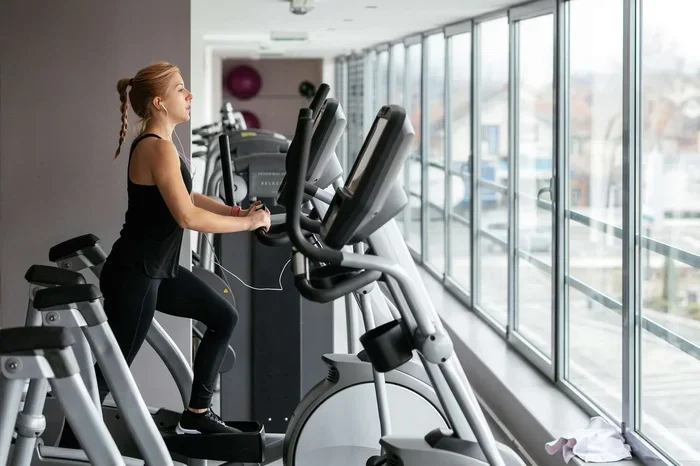
Yes, stretching with the elliptical matters more than most people think. A proper warm up and cool down routine protects your joints, improves flexibility, and helps you get better results from every session. Whether you are new to the machine or a seasoned gym goer, adding stretches to your elliptical habit can make a real difference in how your body feels and performs.
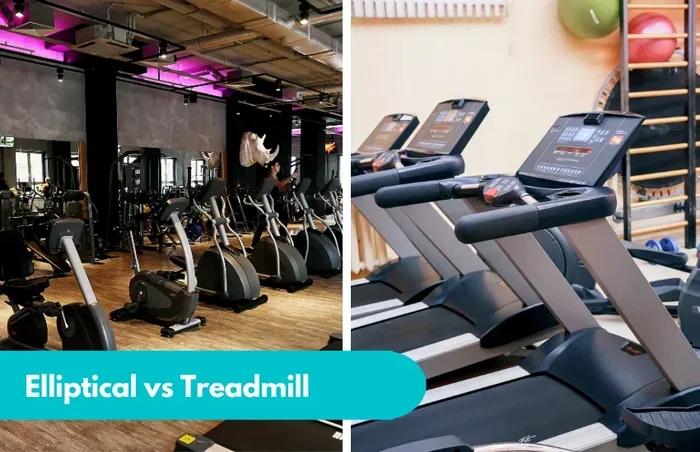
You hop on the elliptical machine, start pedaling, and push through your workout. When you are done, you hop off and walk away. Sound familiar? If so, you might be skipping one of the most important parts of your routine: stretching.
So do you really need to stretch with the elliptical? The short answer is yes. Whether you use the elliptical for weight loss, heart health, or general fitness, stretching plays a big role in how your body responds to the workout. It is not just something trainers say to fill time. It is a proven way to protect your joints, improve your range of motion, and get more out of every session.
In this guide, we will walk through everything you need to know about stretching with the elliptical. We will cover when to stretch, which stretches work best, and how a few extra minutes can save you from pain and injury down the road.
Key Takeaways
- Stretching before the elliptical prepares your muscles and joints for movement, reducing the risk of strains and pulls.
- Stretching after the elliptical helps with recovery, reduces muscle soreness, and improves long term flexibility.
- Dynamic stretches are best before your workout, while static stretches work well after you finish.
- Skipping stretches can lead to tight hip flexors, sore calves, and even knee pain over time.
- Even just 5 to 10 minutes of stretching before and after your session can deliver noticeable benefits.
- People with joint issues or past injuries should pay extra attention to their elliptical stretching routine.
📑 Table of Contents
Why Stretching Matters with the Elliptical
The elliptical is a low impact cardio machine, but that does not mean it is easy on your body. Your legs, hips, and back are all working together to keep the pedals moving. Without proper preparation and recovery, repetitive motion can lead to tight muscles and joint stiffness.
Here is why stretching with the elliptical deserves a spot in your routine:
- Injury prevention: Warm muscles are more flexible and less likely to tear or strain. Stretching before you start helps your body handle the repetitive motion of the elliptical.
- Better performance: When your muscles are loose and ready, you can push harder and last longer on the machine. This means more calories burned and better cardiovascular results.
- Faster recovery: Stretching after your workout helps flush out lactic acid and reduces the soreness you feel the next day.
- Improved flexibility: Over time, regular stretching increases your range of motion, which makes everyday movements easier and more comfortable.
Think of it this way. You would not start your car in freezing weather and immediately floor the accelerator. Your engine needs time to warm up. Your muscles work the same way. Stretching before elliptical workouts gives your body that warm up period it needs.
What Happens If You Skip Stretching?
Skipping stretches might seem harmless at first, but the effects add up. Many people who skip their elliptical stretching routine notice tight hip flexors, sore calves, and stiff lower backs after just a few sessions. Over weeks and months, this can turn into chronic pain or even injury.
If you have ever felt a sharp pull in your calf mid workout or woke up with sore legs the day after an intense session, that is your body telling you it needs more stretching. The good news is that adding even a few minutes of stretching can make a big difference.
Also, if you have any existing conditions like a pulled groin or a torn meniscus, skipping stretches on the elliptical can make things worse. Always listen to your body and give it the care it needs.
When Should You Stretch with the Elliptical?
The timing of your stretches matters just as much as the stretches themselves. There are two key moments to focus on: before your workout and after your workout.
Before Your Elliptical Workout
Stretching before you hop on the elliptical is all about warming up your muscles. You want to get blood flowing and prime your joints for movement. This is where dynamic stretching shines.
Dynamic stretches are movements that take your joints through their full range of motion. They are active, not static. You are not holding a position. You are moving through it. This type of stretching is perfect for preparing your body for cardio exercise.
Try these dynamic stretches before elliptical sessions:
- Leg swings: Hold onto a wall and swing one leg forward and back. Do 10 to 15 reps per leg.
- Hip circles: Stand on one leg and rotate your other hip in big circles. Switch sides after 10 reps.
- Walking lunges: Take a step forward and lower your hips until both knees bend at about 90 degrees. Walk forward with alternating legs.
- Ankle rolls: Lift one foot and roll your ankle in circles. This is especially important because your feet stay locked into the elliptical pedals.
These stretches take about 5 minutes and make a huge difference. They tell your body, “Hey, we are about to work out,” and help prevent sudden strains.
After Your Elliptical Workout
Once you finish your elliptical session, your muscles are warm and pliable. This is the perfect time for static stretching, where you hold a stretch in place for 15 to 30 seconds. Static stretching after exercise helps your muscles relax and recover.
Here are some great post elliptical stretches to try:
- Standing calf stretch: Place one foot behind you and press the heel into the floor. Lean forward slightly until you feel a stretch in your calf. Hold for 20 seconds per side.
- Hamstring stretch: Sit on the floor with one leg extended and reach toward your toes. Keep your back straight and hold for 20 to 30 seconds.
- Quad stretch: Stand on one leg, pull the other foot toward your glute, and hold. This counteracts the repetitive pedaling motion.
- Hip flexor stretch: Step one foot forward and lower your back knee toward the floor. Push your hips forward gently until you feel a stretch in the front of your back hip.
These stretches also take about 5 to 10 minutes. Making them a habit after every session will improve your flexibility and reduce muscle tightness over time.
Best Stretches for the Elliptical
Not all stretches are created equal when it comes to the elliptical. The machine targets your lower body heavily, so your focus should be on the legs, hips, and lower back. Here is a closer look at the best stretches for each area.
Lower Body Stretches
Your calves, hamstrings, quads, and glutes do most of the work on the elliptical. Keeping these muscles flexible is essential for a comfortable and effective workout.
- Calf stretch: The repetitive pushing motion on the pedals tightens your calves. A simple wall calf stretch done before and after your session keeps them loose.
- Hamstring stretch: Tight hamstrings can limit your range of motion on the machine and lead to lower back pain. A seated or standing hamstring stretch helps a lot.
- Quad stretch: The elliptical works your quads throughout the pedaling cycle. A standing quad stretch after your workout helps prevent stiffness.
- Glute stretch: Your glutes power each stride. A figure four stretch or pigeon pose opens up the hips and releases tension in the glute area.
Upper Body Stretches
Many people forget that the elliptical also works your arms and shoulders, especially if you use the moving handlebars. Stretching your upper body is just as important.
- Shoulder stretch: Pull one arm across your chest and hold it with the opposite hand. This relieves tension built up from gripping the handlebars.
- Tricep stretch: Raise one arm overhead and bend your elbow, reaching down your back. Hold for 20 seconds per side.
- Neck rolls: Gently roll your head in slow circles. This is a simple but effective way to release neck tension after a workout.
Core and Back Stretches
Your core and lower back stabilize you on the elliptical. Stretching these areas helps with posture and reduces the risk of lower back pain.
- Cat cow stretch: Get on all fours and alternate between arching your back and rounding it. This gently mobilizes the entire spine.
- Child pose: Kneel on the floor, sit back on your heels, and reach your arms forward on the ground. This is a great stretch for the lower back after cardio.
- Standing side bend: Raise one arm overhead and lean to the opposite side. This stretches the obliques and the muscles along your spine.
How to Build an Elliptical Stretching Routine
Now that you know which stretches to do, the next step is putting them together into a routine. A good elliptical stretching routine does not need to be complicated. It just needs to be consistent.
Here is a simple routine you can follow before and after every session:
Pre Workout Routine (5 minutes):
- Leg swings (10 per leg)
- Hip circles (10 per side)
- Walking lunges (10 per leg)
- Ankle rolls (10 per ankle)
Post Workout Routine (5 to 10 minutes):
- Standing calf stretch (20 seconds per side)
- Seated hamstring stretch (20 to 30 seconds per side)
- Standing quad stretch (20 seconds per side)
- Hip flexor stretch (20 seconds per side)
- Shoulder stretch (20 seconds per arm)
- Cat cow stretch (10 reps)
- Child pose (hold for 30 seconds)
Doing this routine consistently will improve your joint mobility and make your elliptical sessions feel easier and more enjoyable. Over time, you may notice that you can go longer, recover faster, and feel less sore overall.
How Long Should Your Stretching Sessions Be?
You do not need to spend 30 minutes stretching. 5 to 10 minutes before and after your workout is plenty for most people. The key is consistency. A short routine done every time will beat a long routine done once in a while.
If you are short on time, even just 3 minutes of stretching is better than zero. Focus on the areas that feel tightest. Your calves, hip flexors, and hamstrings tend to be the biggest culprits after an elliptical session.
Common Mistakes to Avoid
Even with the best intentions, people make mistakes when stretching. Here are some common ones to watch out for.
Bouncing During Stretches
Bouncing, or ballistic stretching, can actually cause small tears in your muscles. Instead, move slowly and hold your stretches steady. Smooth, controlled movements are always safer and more effective.
Holding Your Breath
It is easy to forget to breathe when you are holding a stretch, but oxygen is essential for muscle recovery. Breathe deeply and steadily throughout every stretch. Inhale through your nose and exhale through your mouth.
Stretching Cold Muscles
Never jump straight into deep static stretches before your muscles are warm. Always do a brief warm up first, even if it is just a few minutes of light pedaling on the elliptical machine. Cold muscles are tight muscles, and tight muscles are more prone to injury.
Ignoring Pain
There is a difference between a good stretch and pain. A stretch should feel tight but not sharp. If you feel pain, back off immediately. Pushing through pain can turn a minor issue into a serious injury.
Skipping the Cool Down
Many people love the rush of a good cardio session but skip the cool down entirely. This is a mistake. Your heart rate and muscles need time to come back to normal. A proper cool down with stretches helps your body transition smoothly and reduces next day soreness.
Stretching and Overall Recovery
Stretching is just one piece of the recovery puzzle. If you want to get the most from your elliptical workouts, consider how other habits support your body too. Proper hydration, balanced nutrition, and adequate sleep all play a role in how well your muscles recover.
Some people also find that supplementing their diet with recovery focused supplements like protein powder or electrolytes helps them bounce back faster. While stretching alone cannot fix everything, it is a simple and free habit that makes a noticeable difference.
If you are dealing with an injury, be extra careful with your stretching routine. For example, if you have a torn meniscus, certain stretches may need to be modified or avoided altogether. Always check with a healthcare professional if you are unsure.
Also, stretching can complement other forms of exercise. If you use dumbbells for strength training or a treadmill for running, stretching on rest days from those activities keeps your body flexible and ready for the next session. The same goes for kettlebell exercises or jump rope routines. A consistent stretching habit benefits every type of workout you do.
Final Thoughts
The answer to “do I need to stretch with the elliptical” is a clear yes. Stretching before and after your elliptical sessions protects your joints, boosts your performance, and helps you recover faster. It is one of the simplest habits you can build, and the benefits are real and measurable.
Start small. Add 5 minutes of stretching before and after your next elliptical workout. Focus on the areas that feel tightest. Over time, you will notice the difference in how your body feels during and after your sessions.
Your elliptical machine is a great tool for fitness, but it works best when paired with a smart stretching routine. Make stretching a non negotiable part of your workout, and your body will thank you for it.
Frequently Asked Questions
Should I stretch before or after using the elliptical?
You should stretch both before and after. Dynamic stretches before your workout warm up your muscles and prepare them for movement. Static stretches after your workout help your muscles recover and reduce soreness. Both are important for a complete routine.
How long should I stretch before using the elliptical?
A 5 to 10 minute stretching session before your elliptical workout is enough for most people. Focus on dynamic movements like leg swings and hip circles that get your blood flowing and your joints ready for the pedaling motion.
Can stretching help me burn more calories on the elliptical?
Stretching itself does not burn a lot of calories, but it can improve your performance on the machine. When your muscles are loose and flexible, you can work out harder and longer, which leads to more calories burned during your session.
Is it safe to stretch if I have knee pain from the elliptical?
Gentle stretching can help relieve knee pain, but you should be careful. Avoid deep bends or aggressive stretches if your knees feel sore. If the pain persists, consult a healthcare professional before continuing your routine.
Do I need any special equipment to stretch with the elliptical?
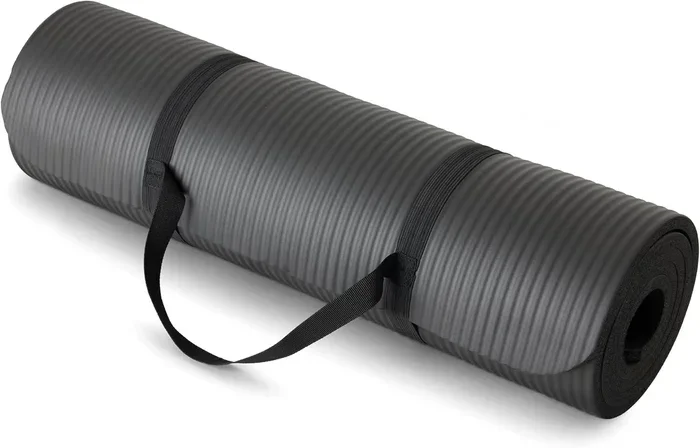
No special equipment is needed. A yoga mat can make floor stretches more comfortable, but most stretches can be done anywhere. A wall or sturdy chair is helpful for balance during standing stretches like calf and quad stretches.
How often should I stretch with my elliptical routine?
You should stretch before and after every elliptical session. Even on rest days, light stretching helps maintain flexibility and prevents muscle tightness. Consistency matters more than duration, so aim for a few minutes every time.