The Correct Challah Pronunciation Guide You Really Need
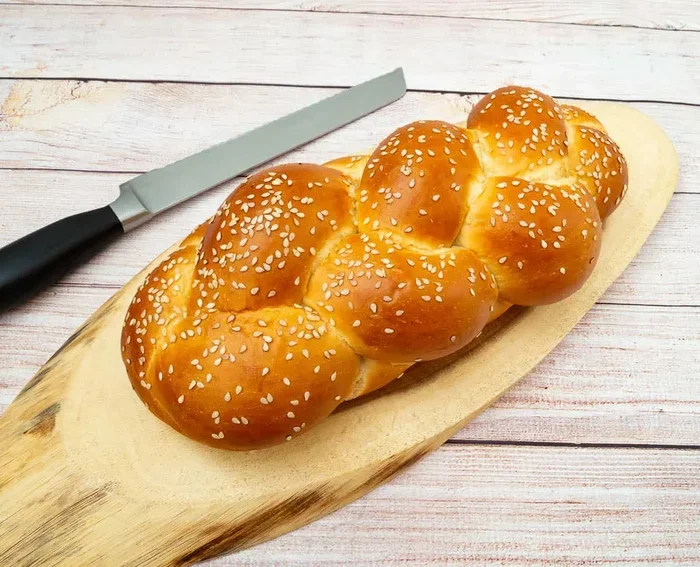
The correct challah pronunciation is “HAH-luh” with a soft “ch” sound, not the common English mispronunciation. This guide breaks down the Hebrew origins, common mistakes, and simple tips to help you say it right every time. Whether you are baking, ordering, or just curious, mastering the challah pronunciation is easier than you think.
Have you ever stood in a bakery, staring at a beautiful braided loaf, and wondered how to say the name without feeling a little awkward? You are not alone. The challah pronunciation trips up almost everyone who encounters it for the first time. Whether you are a home baker, a food lover, or someone exploring Jewish culture, getting this word right matters more than you might think.
It is not just about sounding smart at a dinner party. Pronouncing challah correctly shows respect for the tradition and history behind this beloved bread. The good news is that once you understand the basics, the challah pronunciation becomes second nature. This guide will walk you through everything you need to know, from the Hebrew roots to the most common mistakes people make.
Key Takeaways
- Correct pronunciation: The proper challah pronunciation is “HAH-luh” with a guttural but soft “ch” sound from the Hebrew origin.
- Common mistake: Most English speakers say it wrong by adding a hard “k” or rhyming it with “salad.”
- Hebrew roots matter: Understanding the Hebrew word helps you grasp why the pronunciation sounds the way it does.
- Regional variations exist: Different Jewish communities may pronounce it slightly differently, but the core sound stays the same.
- Practical tips help: Simple listening exercises and phonetic breakdowns make learning the correct sound easy and fun.
- Confidence comes with practice: Using the word in real conversations will lock in the correct challah pronunciation fast.
📑 Table of Contents
- What Is Challah and Why Does the Pronunciation Matter?
- Breaking Down the Correct Challah Pronunciation
- Common Mistakes in Challah Pronunciation
- How Different Communities Pronounce Challah
- Tips to Master the Challah Pronunciation
- Challah Bread: More Than Just a Pronunciation
- Why People Get Confused About the Challah Pronunciation
- Key Takeaways
- Conclusion
What Is Challah and Why Does the Pronunciation Matter?
Challah is a traditional Jewish egg bread known for its soft texture and beautiful braided shape. People love it during Shabbat dinners and holiday meals. But the bread is more than just food. It carries deep cultural and spiritual meaning in Jewish tradition. That is why getting the challah pronunciation right matters. When you say the word correctly, you honor the heritage it comes from.
The word itself comes from Hebrew. It has roots that go back thousands of years. Many people assume it rhymes with “salad” or starts with a hard “k” sound. Neither of those is correct. The true challah pronunciation uses a soft, breathy “ch” sound that comes straight from the Hebrew language. Once you hear it and practice it, the correct sound clicks into place surprisingly fast.
The Cultural Significance of the Name
In Jewish culture, bread is never just bread. Challah represents blessings, rest, and community. Families bake it every Friday to welcome the Sabbath. The word challah also appears in the Torah, referring to a portion of dough that is set aside as an offering. This connection gives the word a weight that goes beyond its simple sound. When you learn the challah pronunciation, you are connecting to a tradition that spans centuries.
Breaking Down the Correct Challah Pronunciation
Let us get into the details. The correct challah pronunciation breaks into two syllables: HAH-luh. The first syllable sounds like the word “ha” in “haha.” The second syllable sounds like “luh” in “lullaby.” Put them together smoothly, and you get HAH-luh. That is it. No hard “k” sound. No extra syllables. Just two clean, soft sounds.
The tricky part is that soft “ch” sound at the beginning. In English, we often make the “ch” sound like in “chair” or “cheese.” That is not what happens here. The Hebrew letter “chet” creates a sound that is somewhere between an “h” and a gentle throat clearing. Think of it as a breathy, guttural whisper at the back of your throat. It is not harsh. It is not aggressive. It is soft and warm, much like the bread itself.
Phonetic Spelling to Help You
If you are a visual learner, try this phonetic breakdown. Write it out as HAH-luh or even HAH-lah. Some people prefer to think of it as rhyming with “Florida” without the “Florida” part. The key is to keep the first syllable open and relaxed. Do not clamp your mouth shut. Let the sound flow naturally from your throat.
Here is a simple exercise. Say the word “ha” like you are greeting a friend. Then add “luh” right after it, almost like a gentle tap on the tongue. Do not pause between the two parts. The whole thing should feel smooth and effortless. Practice this a few times a day, and the challah pronunciation will start to feel completely natural.
Common Mistakes in Challah Pronunciation
People make a few predictable errors when trying to say challah. Knowing what these mistakes are helps you avoid them. Let us look at the most common ones so you can steer clear.
Mistake 1: The Hard “K” Sound
This is the number one error. Many people pronounce it as “KAH-luh” or even “KAL-uh.” They treat the “ch” like a “k” because that is how English often handles the letter combination. But in Hebrew, the “ch” in challah is never a hard “k.” It is a soft, breathy sound. Dropping the hard “k” is the single biggest step toward getting the challah pronunciation right.
Mistake 2: Rhyming with “Salad”
Some people hear the word and think it sounds like “salad.” They say “chuh-LAD” with a short “a” at the end. This is wrong for two reasons. First, the ending is “luh,” not “lad.” Second, the first syllable is open and drawn out, not clipped. Saying it like “salad” strips away the Hebrew character of the word entirely.
Mistake 3: Adding Too Many Syllables
You might hear someone say “cha-LOO” or “cha-LO-tah.” These extra syllables creep in because people try to over-articulate. The word is only two syllables. Keep it simple. HAH-luh. That is all you need. Adding extra sounds makes it sound forced and unnatural.
Mistake 4: Stressing the Wrong Syllable
English speakers tend to stress the second syllable in many words, which leads to “chah-LOO.” But in the correct challah pronunciation, the stress falls on the first syllable. HAH-luh, not chah-LOO. Think of it like the word “happy” — the first syllable gets the emphasis. Same idea here.
How Different Communities Pronounce Challah
One interesting thing about language is that it shifts depending on where you are. The challah pronunciation is not exactly the same in every Jewish community. These variations are beautiful and reflect the rich diversity of Jewish culture around the world.
Ashkenazi Pronunciation
The Ashkenazi tradition comes from Eastern European Jewish communities. In this group, the challah pronunciation is typically “HAH-luh” with a clear, soft “ch” at the start. This is the version most people in America hear and recognize. It is the standard you will encounter in most bakeries and cookbooks.
Sephardi Pronunciation
Sephardi Jews trace their roots to Spain, North Africa, and the Middle East. In some Sephardi communities, the pronunciation shifts slightly. The “ch” sound may be a bit more breathy, and the ending might sound closer to “lah” rather than “luh.” Both versions are correct. The core sound remains the same, and neither is wrong.
Israeli Hebrew Pronunciation
In modern Israeli Hebrew, the challah pronunciation follows the standard Hebrew phonetics closely. The “chet” sound is clear and guttural, similar to the Ashkenazi version but with a slightly more pronounced throat sound. If you listen to a native Israeli speaker, you will hear the soft but distinct breathy quality that makes the word uniquely Hebrew.
| Community | Approximate Pronunciation | Key Feature |
|---|---|---|
| Ashkenazi | HAH-luh | Soft “ch,” clear and standard |
| Sephardi | HAH-lah | Slightly more breathy ending |
| Israeli Hebrew | HAH-luh (guttural “ch”) | Distinct throat sound on “chet” |
No matter which community you are learning from, the foundation of the challah pronunciation stays the same. Focus on that soft “ch” and the two-syllable rhythm, and you will sound great in any setting.
Tips to Master the Challah Pronunciation
Getting the challah pronunciation right is a skill, and like any skill, it improves with practice. Here are some practical tips that actually work.
Listen Before You Speak
The fastest way to learn any word is to hear it spoken correctly. Search for videos of people saying challah in Hebrew. YouTube has plenty of native speakers who break it down clearly. Listen to the same word over and over. Let your ears get used to the sound before you try to produce it yourself. This simple step makes a huge difference.
Use a Mirror
Watch your mouth when you say the word. The soft “ch” sound requires your throat to be slightly constricted, but not tight. Your mouth should be open and relaxed. If you feel tension in your jaw or throat, you are probably pushing too hard. Relax and let the sound come from deeper in your throat.
Practice in Context
Words stick better when you use them in sentences. Try saying things like “I bought a fresh challah this morning” or “The challah was so soft and warm.” Putting the challah pronunciation into real sentences helps your brain remember the correct sound pattern. It also builds your confidence for using the word in actual conversations.
Record Yourself
This might feel silly, but it works. Record yourself saying “challah” on your phone. Play it back and compare it to a native speaker. You will quickly notice if your “ch” is too hard or if your vowels are off. Small adjustments make a big difference over time.
Ask a Native Speaker
If you know someone from a Jewish background or someone who speaks Hebrew, ask them to say it for you and correct you gently. Most people love sharing their language and culture. A quick correction from a native speaker can save you weeks of guessing.
Challah Bread: More Than Just a Pronunciation
Now that you know how to say challah correctly, let us talk a little about the bread itself. Understanding what challah is makes the word even more meaningful.
Challah bread is a rich, egg-based bread that is typically braided before baking. It has a golden, slightly sweet crust and a soft, pillowy interior. Families often make it on Friday afternoons to prepare for the Sabbath meal. The act of braiding the dough is itself a tradition that brings people together in the kitchen.
The bread is often served with salt, honey, or olive oil. Some families dip it in honey at the start of the Sabbath as a symbol of wishing for a sweet year. The challah pronunciation matters here because saying the name correctly connects you to the meaning behind the tradition. It is a small gesture that shows you care about the culture and history of the food you are enjoying.
You will also hear challah used in recipes for things like challah French toast, challah bread pudding, and challah toast with butter and jam. Knowing the correct challah pronunciation makes these conversations feel more natural and respectful. It also shows that you have taken the time to learn about the food beyond just the recipe.
When you compare challah to other enriched breads like brioche or panettone, you start to see how unique it really is. Each of these breads carries its own cultural story. Challah stands out because of its deep ties to Jewish religious practice and weekly rituals. The pronunciation is the first step into that story.
Why People Get Confused About the Challah Pronunciation
It is completely normal to feel confused by the challah pronunciation at first. English and Hebrew use very different sound systems. The letter “ch” does not behave the same way in both languages. In English, “ch” makes a sharp, spitty sound like in “church.” In Hebrew, the letter “chet” makes a softer, breathier sound that does not exist in English at all.
This gap between the two languages is exactly why so many people stumble. Your brain is trying to map a Hebrew sound onto an English pattern, and the two do not line up. The trick is to stop thinking in English terms and just listen to the Hebrew sound directly. Once you do that, the challah pronunciation starts to make sense on its own terms.
Another reason for confusion is that people encounter the word in different contexts. You might hear it in a recipe, in a synagogue, or at a friend’s dinner table. Each setting might use a slightly different regional accent. This variety can feel overwhelming, but it is also a sign of a living, evolving tradition. Embrace the variation and focus on the core sound that all versions share.
Key Takeaways
- Correct pronunciation: The proper challah pronunciation is “HAH-luh” with a soft, breathy “ch” sound at the start, not a hard “k.”
- Two syllables only: The word has exactly two syllables with the stress on the first one. Avoid adding extra syllables or stressing the wrong part.
- Hebrew origin shapes the sound: The Hebrew letter “chet” creates the unique throat sound that makes the word distinct from English words with “ch.”
- Regional variations exist: Ashkenazi, Sephardi, and Israeli Hebrew communities may pronounce it slightly differently, but the core sound remains consistent.
- Common mistakes are easy to avoid: Ditch the hard “k,” stop rhyming with “salad,” and keep the syllables simple and smooth.
- Practice makes permanent: Listening, recording, and using the word in real conversations will lock in the correct challah pronunciation quickly.
- Pronunciation connects to culture: Saying the word correctly honors the Jewish tradition and history behind this meaningful bread.
Conclusion
The challah pronunciation is simpler than most people expect. Once you know the two-syllable rhythm and the soft, breathy “ch” sound, you can say it confidently in any situation. The key is to let go of English phonics habits and embrace the Hebrew sound as it naturally flows. Practice the HAH-luh rhythm, listen to native speakers, and use the word in real conversations.
Getting the challah pronunciation right is a small effort that carries a lot of meaning. It shows respect for a tradition that has been around for thousands of years. It connects you to the families who bake this bread every Friday and the communities who share it with joy. So the next time you see a beautiful braided loaf on the table, say the name with confidence. Say it the right way. Say challah like you mean it.
Share what you have learned with friends and family. The more people who know the correct challah pronunciation, the more the tradition stays alive and respected. That is a beautiful thing, one soft “ch” sound at a time.
Frequently Asked Questions
What is the correct challah pronunciation?
The correct challah pronunciation is “HAH-luh,” with a soft, breathy “ch” sound at the beginning. The stress falls on the first syllable, and the word has exactly two syllables. Avoid the hard “k” sound that many English speakers mistakenly add.
Why do people mispronounce challah?
Most mispronunciations happen because English speakers try to apply English phonics rules to a Hebrew word. The “ch” in challah does not make the same sound as in English words like “chair.” The Hebrew “chet” creates a softer, breathier sound that does not exist in standard English, which is why it takes a little practice to get right.
Is there more than one correct way to pronounce challah?
Yes, there are slight variations depending on the Jewish community. Ashkenazi, Sephardi, and Israeli Hebrew speakers may pronounce the word a bit differently. However, the core challah pronunciation remains the same across all groups: a soft “ch” sound followed by two clear syllables with stress on the first one.
Can I say challah with a hard “ch” sound?
A hard “ch” sound, like the one in “church,” is the most common mistake. The correct challah pronunciation uses a soft, breathy sound made at the back of the throat. While some people understand you with the hard sound, using the soft “ch” is more accurate and shows respect for the Hebrew origin of the word.
How can I practice the challah pronunciation daily?
Start by listening to native speakers say the word on YouTube or cooking videos. Repeat it out loud several times a day. Try saying it in sentences like “I am making challah for dinner.” Recording yourself and comparing to native speakers is one of the fastest ways to improve your challah pronunciation.
Does the challah pronunciation differ in recipes and cookbooks?
Most English-language cookbooks use the standard “HAH-luh” pronunciation. Some older or less accurate sources may use the hard “k” version or add extra syllables. When you follow a challah recipe, use the soft “ch” and two-syllable rhythm to stay consistent with the traditional Hebrew pronunciation of the bread name.