How to Cook Lentils the Easy Way for Delicious Results
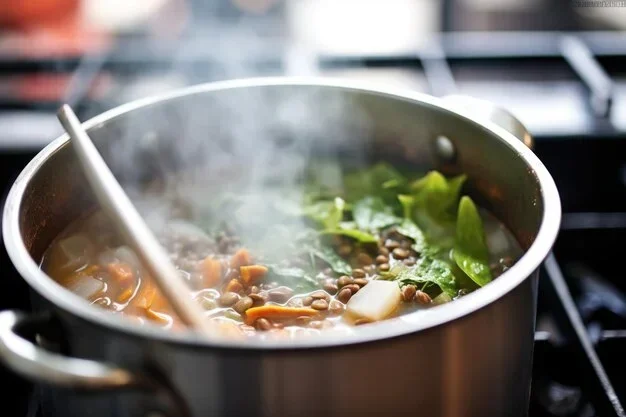
Learning how to cook lentils is simple, fast, and rewarding. This guide walks you through every step, from picking the right lentils to serving a delicious meal. Whether you prefer stovetop or pressure cooker methods, you will find easy tips for flavorful results.
Key Takeaways
- Choose the right lentil type: red, green, and black lentils each cook differently and suit different dishes.
- Soaking is optional but helpful: it can reduce cooking time and improve digestibility.
- Stovetop and pressure cooker are the best methods: both are simple and produce great results.
- Season early and often: adding aromatics while cooking builds deep, rich flavor.
- Store cooked lentils properly: they last up to 5 days in the fridge and freeze well for later use.
- Avoid common mistakes: skipping the rinse, adding salt too early, and overcooking are top errors to skip.
📑 Table of Contents
- How to Cook Lentils: A Simple Guide for Beginners and Busy Cooks
- Types of Lentils and What They Do Best
- How to Prepare Lentils Before Cooking
- The Best Ways to Cook Lentils
- Flavor Boosters: How to Make Lentils Taste Amazing
- Common Mistakes to Avoid When Cooking Lentils
- Storing and Reheating Cooked Lentils
- Delicious Lentil Recipes to Try This Week
- Final Thoughts on How to Cook Lentils
How to Cook Lentils: A Simple Guide for Beginners and Busy Cooks
Lentils are one of the most underrated foods in the kitchen. They are cheap, packed with nutrients, and incredibly easy to prepare. If you have never cooked them before, do not worry. Learning how to cook lentils takes almost no effort at all. You do not need fancy equipment or advanced cooking skills. A pot, some water, and a few basic ingredients are all you need.
This guide will show you exactly how to make lentils that taste great every single time. We will cover the different types of lentils, how to prep them, and the best cooking methods. By the end, you will feel confident enough to make lentil dishes all week long. Cooking lentils at home is one of the easiest ways to eat healthier and save money.
Whether you want a warm soup, a hearty stew, or a simple side dish, lentils can do it all. They soak up flavors beautifully and turn creamy or firm depending on the variety. Let us dive in and make your first batch perfect.
Why Cook Lentils?
Before we get into the how, let us talk about the why. Lentils are a nutritional powerhouse. They are full of protein, fiber, iron, and folate. A single cup of cooked lentils gives you about 18 grams of protein and 15 grams of fiber. That makes them a fantastic choice for vegetarian and vegan diets.
Beyond nutrition, lentils are incredibly budget-friendly. A bag of dried lentils costs just a few dollars and can make multiple meals. They also cook much faster than most other legumes. Unlike dried beans, lentils do not always need soaking. This makes them perfect for quick weeknight dinners.
Pulse cooking is a growing trend in healthy eating, and lentils are at the center of it. They are versatile, filling, and pair well with almost any flavor profile. From Indian curries to Mediterranean salads, lentils fit right in.
Types of Lentils and What They Do Best
Not all lentils are the same. Each type has a unique texture, flavor, and cooking time. Choosing the right one matters for your recipe. Here are the most common varieties you will find at the store.
Red Lentils
Red lentils are the most popular choice for beginners. They cook quickly, usually in about 15 to 20 minutes. They break down into a soft, creamy texture, which makes them perfect for soups and curries. Red lentils have a mild, slightly sweet flavor that absorbs spices beautifully.
If you want a smooth lentil soup or a silky dal, red lentils are your best bet. They also work well in purees and spreads. One thing to keep in mind: red lentils overcook easily, so watch your timer closely.
Green Lentils
Green lentils hold their shape much better than red ones. They have a firm, peppery texture that works well in salads and stews. Cooking time is around 20 to 30 minutes, depending on whether you soak them first.
These lentils are great for dishes where you want each lentil to be visible and distinct. Think of a hearty vegetable stew or a grain bowl. Green lentils add a satisfying bite and a earthy flavor that pairs well with bold seasonings.
Black Lentils (Beluga)
Black lentils are the most flavorful of the bunch. They look like tiny caviar and have a rich, earthy taste. They hold their shape excellently and take about 20 to 25 minutes to cook on the stovetop.
Black lentils are perfect for salads, side dishes, and grain bowls. Their dramatic color also makes any plate look beautiful. If you want to try something new with lentils, black lentils are a great place to start.
Yellow and Orange Lentils
Yellow and orange lentils are similar to red lentils in that they cook down soft and creamy. They are common in Middle Eastern and Indian cooking. They work wonderfully in dals, curries, and purees. Their mild flavor makes them a blank canvas for any spice blend you like.
How to Prepare Lentils Before Cooking
Preparation is the step most people skip, but it makes a big difference. Taking a few extra minutes to prep your lentils leads to better texture and flavor. Here is what you need to do.
Sort and Rinse
Start by spreading your dried lentils on a clean surface. Pick out any small stones, debris, or discolored lentils. This is a quick visual check that takes less than a minute. Next, place the lentils in a fine-mesh strainer and rinse them under cold running water. Use your fingers to spread them around and wash away any dust or dirt.
Rinsing lentils is especially important because it removes surface starch. This helps prevent foam from forming while they cook and reduces gas-causing compounds. It is a simple step that makes a noticeable difference in the final dish.
To Soak or Not to Soak
Unlike dried beans, lentils do not require soaking. However, soaking can still be helpful. If you soak them for 1 to 4 hours, they will cook faster and more evenly. Soaking also makes them easier to digest for people with sensitive stomachs.
If you are short on time, skip the soak. Just add a few extra minutes to your cooking time. For the best results with dried lentils, rinse them well and cook them directly. The choice is yours based on your schedule and preference.
Check for Damaged Lentils
While sorting, pay attention to any lentils that look shriveled, cracked, or discolored. These may not cook properly and can affect the texture of your dish. Removing them before cooking ensures a more consistent result every time.
The Best Ways to Cook Lentils
There are several methods for cooking lentils on the stove and beyond. Each method has its advantages. Let us walk through the most popular ones so you can pick what works best for you.
Stovetop Method
The stovetop method is the most traditional and straightforward way to cook lentils. It gives you the most control over texture and flavor. Here is how to do it step by step.
- Rinse and sort your lentils as described above.
- Add them to a pot with 3 cups of water or broth for every 1 cup of lentils.
- Bring the liquid to a boil over high heat.
- Reduce the heat to low, cover the pot, and let them simmer.
- Cook for 15 to 30 minutes depending on the lentil type. Stir occasionally.
- Check for doneness by tasting one. It should be tender but not mushy.
- Drain any excess liquid and season to taste.
The key to great stovetop lentils is the liquid ratio. Too much water and they become soupy. Too little and they stick to the bottom. Keep that ratio close to 3 parts liquid to 1 part lentils for the best results.
Pressure Cooker Method
If you want to save time, a pressure cooker is your best friend. Pressure cooker lentils cook in a fraction of the time. Most varieties are done in 10 to 15 minutes under pressure, plus natural release time.
Follow the same prep steps, then add your lentils and liquid to the pressure cooker. Use a 1:2 ratio of lentils to liquid for this method. Seal the lid, set the pressure to high, and cook for the recommended time. Let the pressure release naturally for about 10 minutes before opening the valve.
The pressure cooker method produces very consistent results. The lentils come out evenly cooked and creamy. It is a great option when you are short on time but still want a homemade meal.
Slow Cooker Method
A slow cooker is another hands-off option for preparing lentils. Add your rinsed lentils, liquid, and any aromatics to the slow cooker. Cook on low for 4 to 6 hours or on high for 2 to 3 hours. This method works best for soups and stews where the lentils will break down slightly.
Slow cooker lentils are incredibly convenient. You can set it in the morning and come home to a ready-made meal. Just make sure you add enough liquid since slow cookers retain moisture differently than stovetop cooking.
Flavor Boosters: How to Make Lentils Taste Amazing
Lentils on their own are mild and a bit bland. But with the right seasonings, they become incredibly delicious. The secret is to layer your flavors throughout the cooking process.
Build a Flavor Base
Start by sautéing aromatics in a pot before adding your lentils and liquid. Dice up onions, garlic, and celery, and cook them in a little olive oil until they are soft and fragrant. This creates a flavor foundation that infuses the entire dish.
You can also add ginger, cumin, turmeric, or smoked paprika at this stage. These spices bloom in hot oil and release their full aroma. The result is a rich, deep flavor that simple boiling cannot achieve.
Use Broth Instead of Water
One of the easiest upgrades is to swap water for vegetable or chicken broth. The lentils will absorb the savory liquid and taste much more flavorful. This small change makes a huge difference, especially for simple lentil soups.
If you are watching your sodium intake, low-sodium broth works just as well. You control the salt level this way, and the flavor is still far superior to plain water.
Add Acid and Freshness at the End
Once your lentils are cooked, a squeeze of lemon juice or a splash of vinegar brightens the entire dish. Acid cuts through the earthiness and adds a fresh, lively note. Fresh herbs like cilantro, parsley, or dill also make a wonderful finish.
Try stirring in a spoonful of yogurt or a drizzle of olive oil just before serving. These touches add creaminess and richness that take your lentils from basic to restaurant-quality.
Common Mistakes to Avoid When Cooking Lentils
Even though lentils are forgiving, a few common mistakes can ruin the texture and flavor. Here is what to watch out for.
Skipping the Rinse
This is the number one mistake people make. Dried lentils can carry dust, debris, and residue from processing. Always rinse them thoroughly before cooking. Skipping this step can lead to a gritty or off-tasting dish.
Adding Salt Too Early
Salt can toughen the outer skin of lentils if added too early in the cooking process. Add salt toward the end of cooking, once the lentils are mostly tender. This keeps them soft and creamy throughout.
Using Too Much Liquid
While lentils absorb water, too much liquid will leave you with a watery mess. Stick to the recommended ratios and adjust based on the type of lentil you are using. Red lentils need less liquid because they break down, while green and black lentils hold more of their shape.
Overcooking
Overcooked lentils turn to mush. Nobody wants that. Start checking for doneness a few minutes before the suggested cooking time ends. You want them tender but still holding their shape, especially for green and black varieties.
Not Letting Them Rest
After cooking, let your lentils sit for 5 to 10 minutes off the heat. This allows them to absorb any remaining liquid and firm up slightly. It is a small step that improves the final texture noticeably.
Storing and Reheating Cooked Lentils
One of the best things about lentils is that they store beautifully. Cooked lentils keep in the refrigerator for up to 5 days. Let them cool completely before transferring to an airtight container. This prevents condensation and keeps them fresh longer.
Freezing cooked lentils is also a great option. Portion them into freezer-safe bags or containers and they will keep for up to 3 months. When you are ready to eat, thaw them in the fridge overnight or reheat directly from frozen on the stovetop.
Reheating is simple. Add a splash of water or broth to loosen them up, then warm over medium heat. Frozen lentils may need a bit more liquid since they absorb moisture during storage. Stir occasionally and heat until warmed through.
Meal prepping with lentils is a smart strategy for busy weeks. Cook a big batch on Sunday and use them throughout the week in salads, wraps, soups, and grain bowls. They are one of the best budget-friendly meals you can prep ahead.
Delicious Lentil Recipes to Try This Week
Now that you know how to cook lentils perfectly, here are a few simple ideas to get you started.
- Classic Lentil Soup: Sauté onion, carrot, and celery. Add rinsed green lentils, broth, cumin, and a bay leaf. Simmer for 30 minutes and finish with lemon juice and fresh parsley.
- Red Lentil Curry: Cook red lentils in coconut milk with curry paste, garlic, and ginger. Serve over rice for a comforting dinner.
- Lentil and Vegetable Salad: Toss cooked black lentils with chopped cucumber, tomatoes, red onion, and a lemon-olive oil dressing. It makes a perfect lunch.
- Lentil Tacos: Season cooked lentils with taco spices, serve in tortillas with avocado, salsa, and shredded cabbage. A fun plant-based twist.
- Simple Lentil Side Dish: Sauté cooked lentils with garlic, olive oil, and a pinch of red pepper flakes. Serve alongside roasted vegetables or grilled chicken.
Each of these recipes uses the basic lentil cooking techniques from this guide. Once you master the fundamentals, the flavor combinations are truly endless. Start with one recipe and build from there.
Final Thoughts on How to Cook Lentils
Cooking lentils at home is one of the simplest and most rewarding things you can do in the kitchen. They are affordable, nutritious, and incredibly versatile. Whether you choose red, green, or black lentils, the process is straightforward and forgiving.
Remember to rinse your lentils, use the right liquid ratio, and season generously. Avoid the common pitfalls of adding salt too early or overcooking. With a little practice, you will be making delicious lentil dishes with your eyes closed.
The beauty of learning how to cook lentils is that once you know the basics, you can adapt them to any cuisine or craving. They work in soups, stews, salads, curries, and even tacos. Keep a bag of dried lentils in your pantry at all times. They are your shortcut to a healthy, satisfying meal any night of the week.
Start simple. Pick one recipe from this guide and give it a try tonight. You will be surprised how easy and delicious home-cooked lentils can be. Happy cooking!
Frequently Asked Questions
Do I need to soak lentils before cooking?
No, soaking is not required for lentils. Unlike dried beans, lentils cook without soaking. However, soaking them for 1 to 4 hours can reduce cooking time and improve digestibility. If you are short on time, simply rinse and cook them directly.
How long does it take to cook lentils on the stovetop?
Cooking time depends on the lentil type. Red lentils take about 15 to 20 minutes, green lentils need 20 to 30 minutes, and black lentils require 20 to 25 minutes. Always check for tenderness by tasting a few lentils before draining.
Can I cook lentils in a rice cooker?
Yes, you can cook lentils in a rice cooker. Use a 1:2 ratio of lentils to liquid, similar to cooking rice. The rice cooker will bring the liquid to a boil and then switch to a warm setting. Check for doneness after about 20 minutes.
Why are my lentils still hard after cooking?
Hard lentils are usually the result of old dried lentils or not enough cooking time. Make sure your lentils are not past their expiration date. Also, acidic ingredients like tomatoes or vinegar added too early can prevent lentils from softening. Add these ingredients after the lentils are mostly tender.
Are lentils good for weight loss?
Yes, lentils are excellent for weight loss. They are high in protein and fiber, which keep you feeling full longer. They are also low in fat and calories. Using lentils for weight loss is a smart strategy because they are filling and nutrient-dense without being calorie-heavy.
Can I freeze cooked lentils?
Absolutely. Cooked lentils freeze very well for up to 3 months. Let them cool completely, then store them in freezer-safe containers or bags. When ready to eat, thaw them in the fridge overnight or reheat directly from frozen with a splash of water or broth.