Can I Do Hip Thrusts Without a Barbell
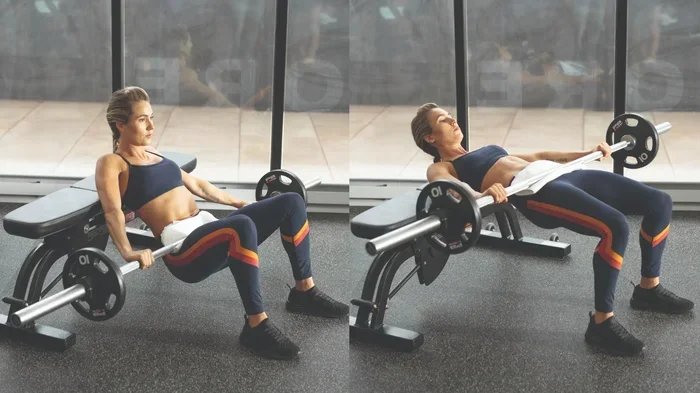
Yes, you can absolutely do hip thrusts without a barbell. Whether you are looking for bodyweight hip thrusts, kettlebell hip thrusts, or resistance band hip thrusts, there are plenty of ways to target your glutes effectively. This guide covers every alternative, proper form tips, and how to get the same glute-building results without a traditional barbell.
Have you ever wondered if you can still get an amazing glute workout without a barbell? Maybe you do not have one at home, or maybe the gym is crowded and the barbell rack is always taken. Whatever the reason, the good news is that hip thrusts without a barbell are not only possible but can be incredibly effective. Your glutes do not care what kind of weight you use. They care about tension, stretch, and squeeze. And there are many ways to deliver all three without loading a heavy barbell across your hips.
In this guide, we will walk through every hip thrust alternative you need. From bodyweight versions to using a kettlebell, a dumbbell, or even a resistance band, you will have everything you need to build strong, shapely glutes. We will also cover proper hip thrust form, common mistakes to avoid, and how to progressively overload your muscles without a traditional barbell. Let us get into it.
Key Takeaways
- Bodyweight hip thrusts work great: You do not need any equipment to activate your glutes effectively.
- Kettlebells and dumbbells are excellent substitutes: They provide the resistance needed for progressive overload.
- Resistance bands offer a portable option: Perfect for home workouts and travel.
- Proper form matters more than the equipment: Focus on hip extension and glute squeeze for best results.
- Multiple alternatives exist: From machines to single-leg variations, you can keep your workouts fresh and challenging.
- The posterior chain benefits from all these variations: Your glutes, hamstrings, and lower back all get worked regardless of equipment.
📑 Table of Contents
- Why Do Hip Thrusts Without a Barbell?
- Bodyweight Hip Thrusts: The Foundation
- Kettlebell Hip Thrusts: A Great Barbell Alternative
- Dumbbell Hip Thrusts: Another Solid Option
- Resistance Band Hip Thrusts: Portable and Effective
- Other Hip Thrust Alternatives Worth Trying
- Common Mistakes to Avoid
- How to Progress Without a Barbell
- Final Thoughts
Why Do Hip Thrusts Without a Barbell?
The barbell hip thrust is one of the most popular glute exercises out there. But it is not the only way. There are many reasons someone might want to skip the barbell. Perhaps you are training at home and do not have the equipment. Maybe you are recovering from an injury and need a lighter option. Or perhaps you just want variety in your lower body workout routine. Whatever the reason, the benefits of barbell-free hip thrusts are real and worth exploring.
First, bodyweight hip thrusts let you focus purely on form and muscle connection. Without heavy weight, you can really feel your glutes engaging. This mind-muscle connection is huge for building strength and size. Second, using alternative equipment like a kettlebell or dumbbell allows you to train anywhere. You do not need a fancy gym setup. Third, resistance band hip thrusts add a different kind of tension that challenges your muscles in new ways. Variety keeps workouts fun and your muscles guessing.
Who Should Try Hip Thrusts Without a Barbell?
Almost anyone can benefit from these alternatives. Beginners who are just learning how to activate their glutes will find bodyweight versions very helpful. Home gym enthusiasts who do not have a barbell can still get a serious glute-building workout. Travelers who want to stay fit on the road can use resistance bands. And advanced lifters looking for a pump or a burnout set can grab a kettlebell or dumbbell and get great results.
If you are dealing with hip bursitis or other joint issues, lighter equipment options can be much more comfortable than a heavy barbell. Always listen to your body and choose the variation that feels right for you.
Bodyweight Hip Thrusts: The Foundation
The simplest and most accessible version of the hip thrust is the bodyweight hip thrust. All you need is a flat surface behind you, like a bench, a chair, or even the floor. This exercise teaches you the basic movement pattern and helps you build a strong mind-muscle connection with your glutes.
How to Perform a Bodyweight Hip Thrust
Here is how to do it step by step:
- Sit on the floor with your upper back resting against a bench or sturdy chair.
- Place your feet flat on the ground, shoulder-width apart.
- Push through your heels and squeeze your glutes to lift your hips toward the ceiling.
- Hold at the top for one second, really focusing on the squeeze.
- Lower back down with control and repeat.
Keep your chin tucked and your core tight throughout the movement. Do not let your lower back take over. The goal is to feel the work in your glutes, not your back. If the movement feels too easy, try a single-leg hip thrust to increase the challenge. Simply lift one foot off the ground and do the thrust on one leg.
Benefits of Bodyweight Hip Thrusts
- Zero equipment needed: You can do them anywhere, anytime.
- Great for beginners: They teach proper form without the intimidation of heavy weights.
- Easy on the joints: No heavy load means less stress on your hips and spine.
- Perfect for warm-ups: Use them to activate your glutes before heavier exercises.
Want to learn more about hip thrust variations with a barbell? Check out our detailed guide on how to do a hip thrust with a barbell for a deeper dive into the classic version of this exercise.
Kettlebell Hip Thrusts: A Great Barbell Alternative
If you have a kettlebell at home, you are in luck. Kettlebell hip thrusts are one of the best ways to replace the barbell. The unique shape of a kettlebell allows it to sit comfortably on your hips, and the handle gives you a secure grip. This is a very popular option for people who want a glute exercise that feels different from the standard barbell version.
How to Do a Kettlebell Hip Thrust
Follow these steps for a perfect kettlebell hip thrust:
- Sit on the floor with your back against a bench and place a kettlebell between your thighs.
- Roll the kettlebell to the crease of your hips, using both hands to hold the handle.
- Plant your feet firmly on the ground and keep your shoulders back on the bench.
- Drive your hips up, squeezing your glutes hard at the top.
- Lower the kettlebell back down with control and repeat.
Start with a lighter kettlebell and focus on form before going heavier. A common mistake is using too much weight too soon, which can cause your lower back to take over. Keep the focus on your glutes throughout every rep.
Can you use a dumbbell instead of a kettlebell? Absolutely. In fact, you can even use a dumbbell for kettlebell swings as a related exercise to complement your hip thrust routine. For more on this, check out can you do kettlebell swings with a dumbbell.
Kettlebell vs. Barbell for Hip Thrusts
Both options work your glutes effectively. The barbell allows you to load more weight, which is great for building maximum strength. The kettlebell is more portable and easier to set up, making it ideal for home workouts. Neither is better, they just serve different needs. Choose based on what you have available and what your goals are.
Dumbbell Hip Thrusts: Another Solid Option
A dumbbell can also serve as a great replacement for a barbell in hip thrusts. Dumbbells are one of the most common pieces of home gym equipment, so this option is very accessible. You can use a single dumbbell held in place or two lighter dumbbells, one on each side of your hips.
The key to a successful dumbbell hip thrust is stability. Because a dumbbell is smaller than a barbell, it can roll or shift if you are not careful. Use a pad or a towel to cushion the contact point on your hips. This also makes the exercise more comfortable.
One thing to keep in mind is that dumbbells usually have a lower weight capacity than barbells. If you are an advanced lifter looking for very heavy resistance, you might find dumbbells limiting. In that case, a resistance band or a machine-based option might be a better fit. Also, if you are wondering whether you need a barbell at all when you have dumbbells, we have covered that in our article do I need a barbell if I have dumbbells.
Resistance Band Hip Thrusts: Portable and Effective
Resistance bands are one of the most underrated tools for glute training. They are lightweight, portable, and incredibly versatile. A band hip thrust adds constant tension throughout the entire range of motion, which is something that free weights cannot always replicate. This makes resistance band hip thrusts a fantastic addition to any workout routine.
How to Use a Resistance Band for Hip Thrusts
Here is the setup:
- Place a loop band just above your knees or around your thighs.
- Sit with your back against a bench and your feet flat on the floor.
- Drive your hips up, pushing your knees outward against the band at the top.
- Squeeze your glutes hard and hold for one second.
- Lower back down and repeat.
The band adds resistance in a different direction than gravity, which challenges your glutes from angles that a barbell simply cannot. This is why many physical therapists and glute specialists love band work for glute activation and rehabilitation.
If you are traveling or working out at home with limited equipment, resistance bands are your best friend. They take up no space and can be used for dozens of exercises beyond hip thrusts.
Other Hip Thrust Alternatives Worth Trying
If you are looking for even more variety beyond the options above, there are plenty of other hip thrust alternatives that target the same muscle groups. These exercises can round out your lower body workout and keep your training fresh.
Glute Bridge
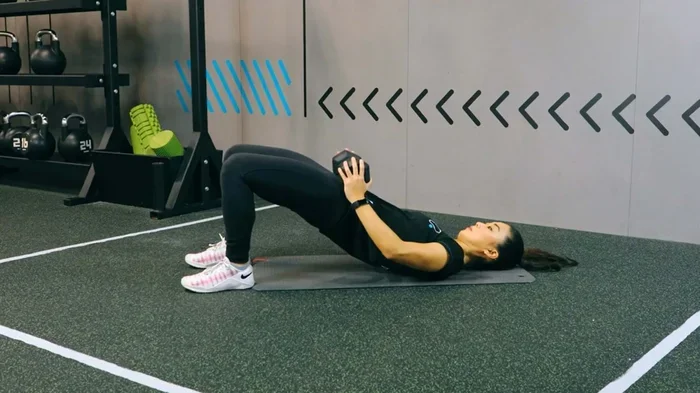
The glute bridge is essentially a floor version of the hip thrust. You do not need a bench, and you can use bodyweight or add a dumbbell across your hips. It is a simple but powerful exercise for building glute strength and activating the posterior chain.
Single-Leg Hip Thrust
Once bodyweight hip thrusts become too easy, progress to a single-leg version. This dramatically increases the load on each glute and helps correct any strength imbalances between your left and right sides. It is a challenging but rewarding variation.
Hip Thrust Machine
If your gym has a hip thrust machine, this is worth trying. The machine guides the movement and allows you to load heavy weight safely. It is a great option if you want the benefits of a barbell hip thrust without the setup hassle or the discomfort of a barbell pressing into your hips.
What Can You Do Instead of Barbell Hip Thrusts?
There are so many great alternatives to the barbell hip thrust. You can use kettlebells, dumbbells, resistance bands, or simply your own bodyweight. Each option targets your glutes effectively and offers unique benefits. For a full list of alternatives, check out our guide on what can I do instead of barbell hip thrust.
Common Mistakes to Avoid
Even without a barbell, it is easy to make mistakes during hip thrusts. Here are the most common ones to watch out for:
- Using your lower back instead of your glutes: This happens when you push too much weight or lack mind-muscle connection. Focus on squeezing your glutes at the top.
- Rushing the movement: Hip thrusts should be controlled. Take one to two seconds on the way up and two to three seconds on the way down.
- Not using enough resistance: Bodyweight is a great starting point, but you need to progress over time. Add a kettlebell, dumbbell, or band to keep challenging your muscles.
- Letting your hips shift side to side: Keep your hips square and level throughout the movement. If you notice swaying, reduce the weight or pause at the top.
- Skipping the warm-up: Your glutes need to be activated before heavy work. Do a few bodyweight reps or band walks to get things flowing.
Avoiding these mistakes will help you get better results and stay injury-free. Proper hip thrust form is always more important than the amount of weight you use.
How to Progress Without a Barbell
One of the biggest concerns with barbell-free hip thrusts is progressive overload. How do you keep getting stronger if you cannot just add more plates? The good news is there are many ways to progress without a barbell.
- Increase reps: Add more repetitions to each set before moving to heavier weight.
- Add pauses: Hold the top position for three to five seconds to increase time under tension.
- Use a single leg: Single-leg variations dramatically increase the difficulty.
- Upgrade equipment: Move from bodyweight to a band, then to a dumbbell, and finally to a kettlebell.
- Slow down the tempo: Take three to four seconds on both the up and down phases of each rep.
- Increase frequency: Train your glutes more often with moderate volume to stimulate growth.
These strategies work incredibly well for building glute strength and size without ever touching a barbell. The key is consistency and gradual progression over time.
Final Thoughts
The bottom line is that hip thrusts without a barbell are not only possible but highly effective. Whether you choose bodyweight, a kettlebell, a dumbbell, or a resistance band, you can build strong, beautiful glutes from home or anywhere you train. The most important thing is to focus on proper form, feel your glutes working, and progressively challenge yourself over time.
Do not let the lack of a barbell hold you back from your glute-building goals. There are countless ways to train your hips and get great results. Pick the variation that works best for you, stay consistent, and enjoy the process. Your glutes will thank you.
Remember, the best exercise is the one you will actually do consistently. So grab whatever equipment you have, find a comfortable surface, and start thrusting your way to stronger glutes today.
Frequently Asked Questions
Can you do hip thrusts with just bodyweight?
Yes, absolutely. Bodyweight hip thrusts are a great starting point for beginners and a useful warm-up for advanced lifters. They help you master the movement pattern and build a strong mind-muscle connection with your glutes before adding any external weight.
What is the best alternative to a barbell for hip thrusts?
A kettlebell is one of the best alternatives because it sits comfortably on the hips and is easy to hold. A dumbbell works well too, and a resistance band adds unique tension throughout the movement. Choose based on what equipment you have available.
Are hip thrusts without a barbell effective for glute growth?
Yes, they absolutely are. Glute growth depends on tension, stretch, and progressive overload, not specifically on a barbell. Using kettlebells, dumbbells, or bands can all provide the necessary stimulus for building strong glutes.
Do I need a bench for hip thrusts without a barbell?
A bench makes the movement more effective by allowing a greater range of motion, but you can also do hip thrusts on the floor. Floor versions are slightly less intense but still very effective for glute activation and building strength.
Can I build strong glutes at home without a barbell?
You can absolutely build strong glutes at home without a barbell. Bodyweight hip thrusts, single-leg variations, kettlebell hip thrusts, and resistance band work can all deliver excellent results when performed consistently and with proper form.
How do I make hip thrusts harder without a barbell?
You can increase the difficulty by using a single leg, adding a pause at the top of each rep, slowing down the tempo, or progressing to heavier equipment like a kettlebell or dumbbell. These methods all create progressive overload without needing a barbell.
=== META TITLE ===
Can I Do Hip Thrusts Without a Barbell? Effective Alternatives
=== URL SLUG ===
/can-i-do-hip-thrusts-without-a-barbell/