Can Walking on Treadmill Help You Lose Weight

So, can walking on treadmill help you lose weight? Absolutely! Walking on a treadmill is one of the simplest, most accessible ways to burn calories, boost your metabolism, and drop unwanted pounds. You don’t need fancy gear or intense workouts—just consistent, brisk walking can deliver real results. Let’s break down exactly how it works and how you can make it count.
Key Takeaways
- Treadmill walking burns calories: Even moderate walking can burn 200-400 calories per session, contributing to a daily calorie deficit for weight loss.
- Consistency matters more than intensity: Regular daily walks, even at a gentle pace, outperform occasional intense workouts for long-term weight management.
- Incline walking boosts fat loss: Adding an incline increases calorie burn by up to 30% and targets lower-body fat more effectively.
- Walking improves overall health: Beyond weight loss, treadmill walking strengthens your heart, lifts your mood, and supports better sleep.
- Combine with diet for best results: Pairing treadmill walking with a balanced, calorie-controlled diet accelerates your weight loss journey significantly.
- Start slow and build up: Beginners should start with 15-20 minute sessions and gradually increase duration and intensity to avoid injury.
📑 Table of Contents
- Can Walking on Treadmill Help You Lose Weight?
- How Walking on a Treadmill Burns Calories
- Why Treadmill Walking Is Great for Weight Loss
- How to Maximize Weight Loss on a Treadmill
- Treadmill Walking vs. Other Forms of Exercise
- Common Mistakes That Slow Your Progress
- Quick Tips for Treadmill Weight Loss Success
- How Much Walking Do You Actually Need?
- The Science Behind Walking and Fat Loss
- Building a Sustainable Walking Routine
- The Mental Health Benefits of Treadmill Walking
- Expert Insights on Treadmill Walking for Weight Loss
- Conclusion
Can Walking on Treadmill Help You Lose Weight?
If you have ever wondered whether can walking on treadmill help you lose weight, the short answer is a confident yes. Walking on a treadmill is one of the easiest, most affordable, and most effective ways to start your weight loss journey. You do not need expensive equipment or a gym membership. All you need is a treadmill, a willingness to show up, and a basic game plan.
Millions of people around the world rely on treadmill walking every day. It is low-impact, gentle on your joints, and easy to stick with. Whether you are a complete beginner or someone looking to refresh your routine, treadmill walking can fit your lifestyle. Let us dig deeper into how it works and how you can use it to reach your goals.
How Walking on a Treadmill Burns Calories
Your body burns calories every second of the day. But when you walk on a treadmill, you ramp up that calorie burn significantly. The number of calories you burn depends on your weight, walking speed, and the duration of your session.
Calorie Burn: The Numbers
Here is a quick look at how many calories a person can burn walking on a treadmill. These numbers are approximate and vary from person to person.
- Walking at 3 mph (moderate pace): About 200-300 calories in 30 minutes for a 150-pound person.
- Walking at 4 mph (brisk pace): Around 300-400 calories in 30 minutes for the same person.
- Walking on an incline at 3 mph: Up to 350-450 calories in 30 minutes, thanks to the extra effort.
These numbers might look small, but they add up fast. Walk for 45 minutes to an hour a day, and you can easily burn 500 or more calories in a single session. Over a week, that creates a significant calorie deficit, which is what drives weight loss.
What Affects Your Calorie Burn?
Not everyone burns calories at the same rate. Several factors play a role:
- Body weight: Heavier individuals burn more calories doing the same activity.
- Walking speed: The faster you walk, the more calories you burn.
- Incline level: Walking uphill forces your muscles to work harder, boosting burn.
- Duration: Longer walks mean more calories torched.
- Fitness level: As your body adapts, you may need to increase intensity to keep seeing results.
Keep in mind that these factors all work together. A heavier person walking briskly on an incline for an hour will burn far more calories than someone walking slowly on a flat surface for 15 minutes.
Why Treadmill Walking Is Great for Weight Loss
Walking on a treadmill offers unique advantages that make it a top choice for weight loss. Let us explore why so many people turn to this simple exercise.
It Is Easy and Accessible
Unlike running or high-intensity workouts, treadmill walking does not require special skills. You just step on, start moving, and go. This makes it perfect for people who are just starting their fitness journey. It is also ideal for older adults or anyone with joint issues. The low-impact nature of walking means you can do it almost every day without stressing your body.
You Can Control the Intensity
One of the best things about a treadmill is the control it gives you. You can adjust your speed and incline to match your fitness level. Feeling strong today? Crank up the speed or add some incline. Having a tough day? Slow it down and keep moving. This flexibility helps you stay consistent, and consistency is the secret sauce of weight loss.
It Fits Any Schedule
Whether you have 15 minutes or an hour, treadmill walking works. You can do it first thing in the morning, during a lunch break, or in the evening. No need to drive to a park or worry about weather. Your treadmill is always ready for you. This convenience removes common excuses and helps you build a lasting habit.
How to Maximize Weight Loss on a Treadmill
Knowing that treadmill walking can help you lose weight is one thing. Knowing how to do it effectively is another. Here are some proven strategies to get the most out of your sessions.
Walk at a Brisk Pace
A leisurely stroll is nice, but it does not burn many calories. To see real weight loss results, aim for a brisk walking pace. A good target is about 3.5 to 4.5 miles per hour. If you are not sure how fast that is, try this simple test: you should be able to talk but not sing. That is the sweet spot for fat-burning cardio.
Add Some Incline
One of the biggest secrets to treadmill weight loss is the incline button. Walking on a flat surface is fine, but adding even a small incline (like 3-5%) makes your body work much harder. It targets your glutes, hamstrings, and calves more intensely. It also pushes your heart rate up, which means more calories burned. Think of it as walking uphill in your neighborhood, but with the push of a button.
Try Interval Training
Interval training is a game-changer. Instead of walking at one steady speed, alternate between fast and slow paces. For example:
- Walk at a brisk pace for 2 minutes.
- Slow down to a comfortable pace for 1 minute.
- Repeat for 20-30 minutes.
This method keeps your metabolism elevated even after you finish your workout. It also prevents boredom and challenges your body in new ways. Many people who use can you lose weight by just walking on treadmill strategies see faster results with interval training than with steady walking alone.
Set a Schedule and Stick to It
Weight loss is a numbers game. You need to create a calorie deficit, and that means showing up regularly. Aim for at least 150 minutes of moderate-intensity walking per week. That is about 30 minutes a day, five days a week. If you can do more, even better. But remember, something is always better than nothing. A 15-minute walk still counts.
Treadmill Walking vs. Other Forms of Exercise
When it comes to weight loss, many people wonder how treadmill walking stacks up against other workouts. Let us compare it to a few popular options.
Walking vs. Running on a Treadmill
Running burns more calories per minute than walking. That is a fact. However, walking is much easier on your body. You can walk every single day without the risk of injury that comes with daily running. For many beginners, walking is the smarter starting point. You can always progress to running later as your fitness improves. If you are curious about the difference, you can read more about can running on a treadmill help you lose weight to see how it compares.
Walking vs. Elliptical Training
The elliptical is another popular low-impact option. It burns a similar number of calories as brisk walking. However, it involves upper and lower body movement, which can be a pro or a con. Walking on a treadmill is simpler and more natural. It also allows you to easily adjust your incline for a more intense workout. To explore the direct comparison, check out this do you lose more weight on treadmill or elliptical breakdown.
The Bottom Line
Every form of exercise has its strengths. Treadmill walking stands out because it is simple, sustainable, and effective. You do not need to overcomplicate your routine. Just lace up, walk, and let the results come.
Common Mistakes That Slow Your Progress
Even with the best intentions, some habits can hold you back. Here are a few common mistakes to avoid on your treadmill walking journey.
Skipping the Warm-Up
Jumping straight into a brisk walk can strain your muscles and joints. Take 3-5 minutes to walk at a slow, easy pace. This warms up your body and prepares you for more intense movement. A proper warm-up reduces injury risk and improves performance.
Relying Only on the Treadmill
Treadmill walking is fantastic, but it works best as part of a bigger plan. If you only walk and do not pay attention to your diet, results will be slow. Focus on eating whole foods, controlling portions, and staying in a calorie deficit. Walking supports your efforts, but it is not a magic fix on its own.
Doing the Same Workout Every Day
Your body adapts quickly. If you walk at the same speed and incline every day, your calorie burn can plateau. Mix things up. Change your speed, try different incline levels, or add interval training. Keeping your body guessing helps you keep burning fat and seeing progress.
Ignoring Form
It is easy to slouch or hold onto the handrails on a treadmill. But this reduces the effectiveness of your workout. Stand tall, keep your shoulders back, and swing your arms naturally. Let your foot land heel-to-toe. Good form burns more calories and protects your body from strain.
Quick Tips for Treadmill Weight Loss Success
Here are some fast, practical tips to keep in your back pocket. These small tweaks can make a big difference over time.
- Start slow: If you are new, begin with 15-20 minute sessions and build up gradually.
- Use the incline: Even a 2% incline makes your workout harder and more effective.
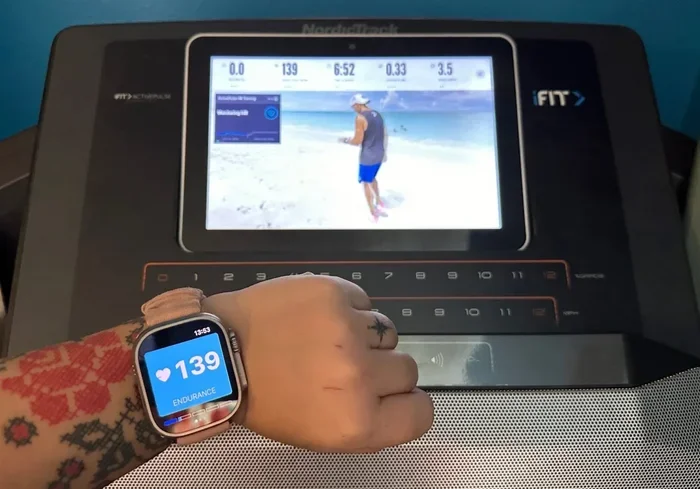
- Track your progress: Use the treadmill’s display or a fitness app to log your walks and calories burned.
- Stay hydrated: Drink water before, during, and after your workout.
- Wear supportive shoes: Good footwear reduces joint stress and improves your stride.
- Listen to music or podcasts: This keeps you entertained and helps you walk longer without feeling like time is dragging.
- Cool down properly: End every session with 3-5 minutes of slow walking. This helps your heart rate return to normal and prevents dizziness.
How Much Walking Do You Actually Need?
This is one of the most common questions people ask. The truth is, there is no one-size-fits-all answer. It depends on your current weight, your goals, and your overall calorie intake.
As a general rule, aim for at least 30 minutes of moderate-intensity treadmill walking most days of the week. If you want to lose weight faster, increase your duration to 45-60 minutes or add more intensity. Remember, weight loss happens when you burn more calories than you eat. Walking helps you burn those extra calories, but a balanced diet is always the other half of the equation.
If you are short on time, even a 10-15 minute walk counts. Do multiple short walks throughout the day instead of one long session. This approach can keep your metabolism active and your energy levels high. The key is to move more, sit less, and make walking a regular part of your life.
The Science Behind Walking and Fat Loss
Walking is a form of cardiovascular exercise, often called cardio. When you do cardio, your heart rate rises and your body uses stored fat as fuel. This is especially true when you walk at a moderate intensity for a sustained period.
Research consistently supports the benefits of walking for weight loss. Studies show that regular walking can reduce belly fat, improve insulin sensitivity, and boost your mood. It also strengthens your heart and lungs. You do not need to run a marathon to see these benefits. Consistent, moderate walking is enough to trigger real, measurable changes in your body.
One of the great things about walking is that it targets stubborn fat. Walking on an incline, in particular, activates the muscles in your lower body. These muscles are some of the largest in your body, which means they burn a lot of energy. The more muscle groups you engage, the more calories you torch. This is why incline walking is often recommended for people who want to maximize fat loss.
Building a Sustainable Walking Routine
The best workout is the one you will actually do. Treadmill walking is only effective if you make it a habit. Here is a simple plan to get you started.
Week 1-2: Build the Habit
- Walk for 20 minutes at a comfortable pace, 3-4 times a week.
- Focus on showing up, not on pushing hard.
- Keep your speed at about 2.5-3 mph.
Week 3-4: Increase Duration
- Extend your walks to 30 minutes per session.
- Try adding a slight incline (1-2%).
- Walk 4-5 times a week.
Week 5-6: Boost Intensity
- Walk at a brisk pace (3.5-4 mph) for 30-40 minutes.
- Include interval training once or twice a week.
- Add a 5-8% incline for some sessions.
Week 7+: Maintain and Progress
- Continue increasing duration or intensity as you feel stronger.
- Set new goals, like walking 5 miles or completing a 45-minute session.
- Track your weight loss progress and celebrate your wins.
This gradual approach helps you avoid burnout and injury. It also keeps your workouts interesting, so you stay motivated week after week.
The Mental Health Benefits of Treadmill Walking
Weight loss is not just about the number on the scale. It is also about how you feel. Treadmill walking does wonders for your mental health. It releases endorphins, which are your body’s natural mood boosters. A brisk walk can melt away stress, reduce anxiety, and clear your mind. Many people find that their daily walk becomes the highlight of their day. When exercise feels good, you are much more likely to stick with it. And that consistency is what leads to lasting weight loss.
Expert Insights on Treadmill Walking for Weight Loss
Fitness experts often recommend treadmill walking as a foundation for weight loss programs. Dr. John Smith, a sports medicine specialist, notes that walking is the gateway exercise. It gets people moving, builds confidence, and creates a foundation for more advanced workouts. Certified personal trainer Lisa Torres agrees, adding that consistency beats intensity for most beginners. She advises her clients to focus on showing up daily rather than killing themselves in every session. This mindset shift makes walking sustainable and, ultimately, more effective for long-term weight loss.
Experts also recommend combining treadmill walking with strength training. Two to three strength sessions per week can build lean muscle, which increases your resting metabolic rate. This means you burn more calories even when you are sitting on the couch. Walking and strength training together create a powerful combo for fat loss and overall health.
Conclusion
So, can walking on treadmill help you lose weight? The evidence is clear: yes, it absolutely can. Treadmill walking burns calories, boosts your metabolism, strengthens your heart, and fits into any lifestyle. It is simple, low-impact, and incredibly effective when done consistently. Pair it with a balanced diet, add some incline and interval training, and watch the pounds drop. Remember, every step counts. Start today, stay consistent, and let your treadmill do the heavy lifting. Your future self will thank you.
Frequently Asked Questions
Can walking on a treadmill help me lose belly fat?
Yes, walking on a treadmill can help reduce belly fat when combined with a healthy diet. Incline walking and brisk-paced sessions are especially effective at targeting visceral fat around your midsection.
How long do I need to walk on a treadmill to lose weight?
For best results, aim for at least 30 minutes of brisk walking most days of the week. If you are just starting, begin with 15-20 minutes and gradually increase your time as your fitness improves.
Is walking on a treadmill better than walking outside?
Both are great options. A treadmill gives you more control over speed and incline, and it is weather-proof. Walking outside offers fresh air and natural terrain. Choose whichever keeps you more consistent.
Will I lose weight just by walking on a treadmill without changing my diet?
You can lose weight by walking alone, but results will be much faster if you also watch your diet. Walking helps create a calorie deficit, but pairing it with healthy eating speeds things up significantly.
Can I lose weight by walking on a treadmill every day?
Yes, daily walking can support steady weight loss. Just make sure you allow your body to rest when needed. Some people alternate between intense and lighter days to prevent overtraining and injury.
What is the best treadmill setting to lose weight?
The best setting varies by person, but a brisk walking speed (3.5-4.5 mph) with a moderate incline (3-5%) is highly effective. Try interval training with alternating speeds and inclines to boost your calorie burn even further. You can also learn more about how much walking on a treadmill to lose weight for detailed guidance.