Can Running on a Treadmill Help You Lose Weight
Yes, running on a treadmill is a highly effective tool for weight loss when combined with a consistent calorie deficit. It provides a controlled environment to burn significant calories through steady-state runs and high-intensity intervals. The key to success lies in consistency, progressive overload (increasing speed or incline), and pairing your workouts with a balanced, nutritious diet. Treadmills offer unique advantages like precise metrics and all-weather accessibility, making it easier to stick to your routine and see real results.
So, you’ve stood in the gym, looked at the row of humming treadmills, and wondered, “Can running on a treadmill actually help me lose weight?” It’s a fantastic question, and the answer is a resounding, scientifically-backed yes. But, and this is a big but, it’s not a magical solution that works on its own. Think of the treadmill as your most reliable and powerful tool in the weight loss toolbox. How effectively you use that tool—and what you do with the rest of your toolbox (namely, your diet and recovery)—determines your ultimate success. This guide will cut through the noise, give you the real science, and provide actionable strategies to make your treadmill running a cornerstone of a successful weight loss journey.
Key Takeaways
- Calorie Deficit is King: Treadmill running creates the calorie burn needed for weight loss, but you must consume fewer calories than you expend.
- Consistency Trumps Intensity: Regular, moderate sessions are more sustainable and effective for long-term weight loss than sporadic, extreme workouts.
- HIIT Maximizes Efficiency: Short bursts of high-intensity running on a treadmill can boost metabolism and burn more fat in less time.
- Incline Adds Intensity & Muscle: Walking or running uphill engages more muscle groups, increases calorie burn, and builds lean leg and glute muscle.
- Nutrition is Non-Negotiable: You cannot outrun a poor diet; weight loss success is 80% nutrition and 20% exercise.
- Track Everything: Use treadmill data and a food journal to understand your true energy balance and make informed adjustments.
- Listen to Your Body: Prevent injury and burnout by incorporating rest days, proper footwear, and gradual progression in your treadmill routine.
📑 Table of Contents
- The Undisputed Science: How Running Creates Weight Loss
- Treadmill vs. Pavement: Does It Matter for Weight Loss?
- Designing Your Treadmill Workouts for Maximum Fat Burn
- The Unspoken Truth: Nutrition is 80% of the Weight Loss Battle
- Breaking Through Plateaus and Staying Motivated
- Safety, Sustainability, and Long-Term Success
- Conclusion: Your Treadmill, Your Results
The Undisputed Science: How Running Creates Weight Loss
At its core, weight loss is a simple equation: you must burn more calories than you consume. This is called a calorie deficit. Running, whether on a trail or a treadmill, is one of the most efficient cardiovascular exercises for creating that deficit. It’s a high-impact, full-body activity that torches calories during the session and can even give your metabolism a slight, post-workout boost (known as EPOC, or Excess Post-exercise Oxygen Consumption).
The Calorie Burn Equation
A person weighing 155 pounds can burn approximately 298 calories in 30 minutes running at a 5 mph pace (12-minute mile) on a flat surface. That number climbs significantly with speed and incline. The treadmill’s big advantage here is control and measurement. It gives you an exact readout of your speed, distance, time, and often an estimated calorie burn based on your inputted weight. This data is gold for tracking your weekly output and ensuring you’re consistently in a deficit. However, remember that treadmill calorie counters are estimates. Factors like your muscle mass, metabolism, and even the machine’s calibration play a role. They are best used as a consistent relative measure (“I burned 20% more today than last week”) rather than an absolute gospel.
Fat Loss vs. Weight Loss
It’s crucial to differentiate between losing weight and losing fat. The scale can be misleading. When you begin running, you might initially see a bigger drop on the scale due to water loss. True, sustainable weight loss comes from reducing body fat. Running is excellent for this because it primarily uses stored fat as fuel during moderate-intensity, longer-duration sessions. Furthermore, running helps preserve (and even build, when combined with resistance training) lean muscle mass. Muscle is metabolically active tissue, meaning it burns calories at rest. So, a successful running program helps you lose fat while keeping your metabolic engine running strong.
Treadmill vs. Pavement: Does It Matter for Weight Loss?
This is a classic debate. Purists will swear by outdoor running, but when it comes to the pure, fundamental goal of burning calories to lose weight, the treadmill is not just an equal—it’s often a superior platform for consistency and precision.
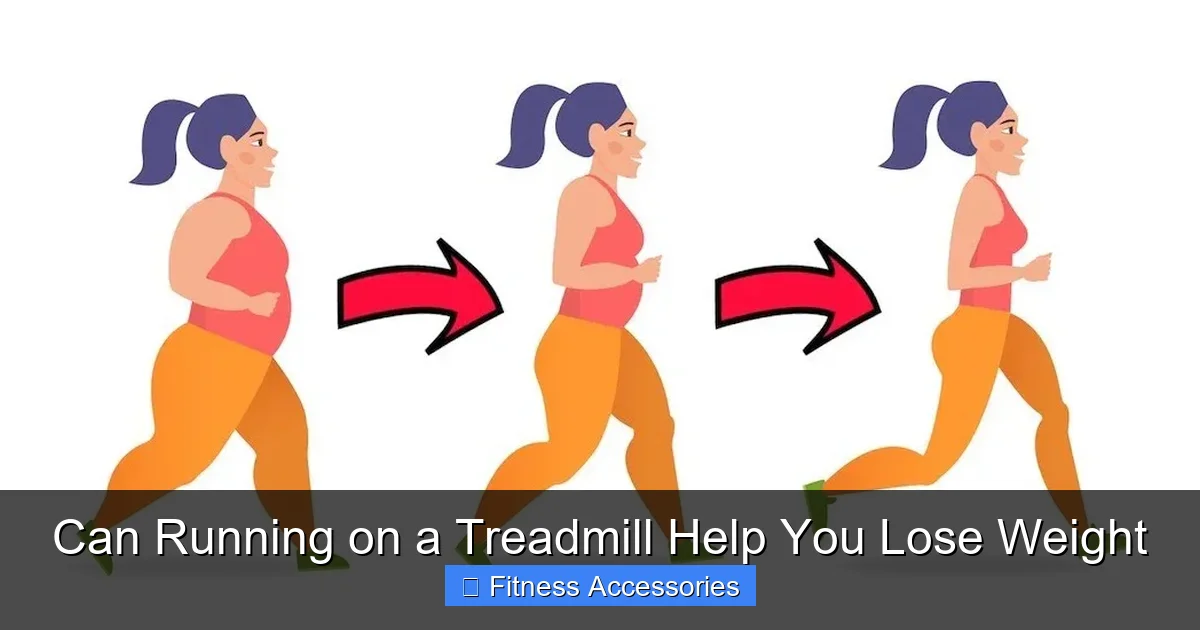
Visual guide about Can Running on a Treadmill Help You Lose Weight
Image source: superuntreadmill.com
The Advantages of the Treadmill for Weight Loss
- Unmatched Control & Precision: You set the exact speed and incline. There’s no guessing if you’re maintaining a 6-minute pace or if that hill is a 5% grade. This allows for perfectly structured interval workouts and progressive overload, which are key for continued adaptation and calorie burn.
- Consistency is Guaranteed: Rain, snow, ice, or extreme heat? No problem. The treadmill eliminates weather as an excuse. This consistency is the single greatest factor in long-term weight loss success. You can run your scheduled workout every single day without disruption.
- Reduced Impact (Potentially): Modern treadmills have advanced cushioning systems that can be easier on your joints—ankles, knees, and hips—than concrete or asphalt. This can reduce injury risk, allowing you to train more frequently.
- Perfect for Form Focus: With no terrain to navigate, you can focus entirely on your running form, posture, and breathing. Good form is more efficient and reduces injury risk.
- Built-In Metrics & Entertainment: The console provides constant feedback. Many have pre-set programs (like “fat burn” or “hill climb”) and compatibility with tablets or TVs. Distraction can make longer sessions feel easier and more enjoyable, helping you complete them.
The Case for Outdoor Running (And How to Integrate It)
Outdoor running has its perks: varied terrain engages more muscles, it’s free, and the changing scenery can be mentally refreshing. It also typically requires slightly more energy due to wind resistance and minor terrain changes. However, for a laser-focused weight loss plan, the treadmill’s control often wins. A smart strategy is to use the treadmill for your primary, structured workouts (especially intervals and hill repeats) and use occasional outdoor runs for easy, recovery-paced jogs or as a mental break. This hybrid approach maximizes both physical results and mental sustainability.
Designing Your Treadmill Workouts for Maximum Fat Burn
Simply hopping on and running at a steady, comfortable pace is better than nothing, but to truly optimize for weight loss, you need a plan. Two primary workout styles should form the core of your treadmill routine: Steady-State Endurance and High-Intensity Interval Training (HIIT).

Visual guide about Can Running on a Treadmill Help You Lose Weight
Image source: cdn.shopify.com
1. Steady-State Endurance (The Foundation)
This is your longer, moderate-pace run, typically in the 30-60 minute range at an intensity where you can hold a conversation (about 60-70% of your max heart rate). It’s fantastic for building aerobic capacity, burning a high total number of calories in a single session, and teaching your body to efficiently use fat as fuel. Example: Start with a 5-minute warm-up walk. Set the treadmill to a pace that feels “comfortably hard” (e.g., 5.5-6.5 mph for many). Run for 30-45 minutes. Cool down with a 5-minute walk. Aim for 1-2 of these per week.
2. High-Intensity Interval Training (HIIT – The Game Changer)
HIIT alternates short bursts of all-out effort with periods of low-intensity recovery. It’s incredibly time-efficient (sessions often 20-30 minutes) and highly effective for weight loss. The intense spikes create a significant EPOC effect, meaning your body continues to burn calories at an elevated rate for hours after the workout. It also improves insulin sensitivity, which aids fat loss.
Example Treadmill HIIT Workout (Total Time: 25 mins):
- 5 min warm-up walk/jog
- Repeat 8 times:
- 30 seconds at a sprint pace (as fast as you can safely go)
- 90 seconds at a slow walk or very light jog for recovery
- 5 min cool-down walk
Start with 4-6 repeats and build up. The key is that the “sprint” phase is truly maximal effort.
3. The Incline Factor: Your Secret Weapon
Never underestimate walking on an incline. It’s low-impact, builds serious lower body muscle (glutes, hamstrings, calves), and skyrockets your calorie burn. A 155-pound person walking at 3.5 mph on a 10% incline burns about 400 calories in 30 minutes—comparable to a much faster run on a flat surface. Try this “Incline Walk” fat-burner: Warm up. Set incline to 4-6%. Walk at a brisk pace (3.5-4.5 mph) for 10 minutes. Decrease incline to 1% for 2 minutes (active recovery). Repeat the 10-min hill segment 2-3 more times. Cool down. This is perfect for recovery days or as a primary workout for beginners.
The Unspoken Truth: Nutrition is 80% of the Weight Loss Battle
Let’s be brutally clear. You can run 5 miles on a treadmill every single day and still not lose weight if your diet is not aligned. Exercise creates the opportunity for weight loss by increasing your calorie expenditure, but diet creates the reality by controlling your intake. A single large latte and a pastry can easily erase the 300-400 calories you burned in a 30-minute run.
Visual guide about Can Running on a Treadmill Help You Lose Weight
Image source: wildairsports.com
How to Align Your Diet with Your Treadmill Goals
You don’t need a drastic, unsustainable diet. Focus on these principles:
- Prioritize Protein: Protein is essential for repairing the muscle micro-tears from running and keeps you feeling full. Aim for a source of lean protein (chicken, fish, tofu, Greek yogurt, eggs) with every meal.
- Fiber is Your Friend: Load up on vegetables, fruits, and whole grains. They are nutrient-dense, low in calories, and promote satiety.
- Hydrate, Hydrate, Hydrate: Often, thirst is mistaken for hunger. Drink water throughout the day. Consider a zero-calorie electrolyte drink after very long or sweaty runs.
- Mind Your Portions: Use a smaller plate. Be aware of high-calorie condiments, sauces, and drinks. These are silent diet-killers.
- Don’t “Eat Back” Exercise Calories: It’s very difficult to accurately calculate how many calories you burned. Instead of eating back those estimated calories, focus on eating a balanced, whole-food diet that supports your activity level. If you’re excessively hungry, add a small, smart snack (e.g., an apple with peanut butter) rather than a full meal.
The goal is to create a modest, sustainable calorie deficit of 300-500 calories per day through a combination of your treadmill running and mindful eating. This leads to a safe, maintainable fat loss of about 0.5-1 lb per week.
Breaking Through Plateaus and Staying Motivated
After initial success, it’s common to hit a weight loss plateau. Your body is smart and adapts to the same stress. The same 30-minute run that burned 300 calories last month might now burn 280 because you’re more efficient. This is where intelligent programming on the treadmill becomes critical.
Progressive Overload is Non-Negotiable
To keep losing, you must continually challenge your body. You must progress. On the treadmill, this means:
- Increase Speed: Run the same distance/time but at a slightly faster pace.
- Increase Incline: Add 0.5-1% to your hill segments or steady-state walk/run.
- Increase Duration: Add 5-10 minutes to your long run.
- Increase Frequency: Add an extra day of running (if recovery allows).
Change one variable at a time every 2-3 weeks. This constant stimulus forces your body to keep adapting and burning calories.
Variety is the Spice of a Fat-Burning Life
Don’t let your treadmill routine get boring—both for your mind and your muscles. Alternate between:
- HIIT Days
- Incline Walk Days
- Steady-State Tempo Runs (a “comfortably hard” pace, just below your lactate threshold)
- Recovery Jogs (very easy, flat)
Use the treadmill’s pre-set programs (like “hills,” “random,” or “fat burn”) to automatically vary your workout. This mental and physical variation is key to long-term adherence and continued progress.
Safety, Sustainability, and Long-Term Success
The fastest way to fail is to get injured or to burn out. Weight loss is a marathon, not a sprint. Your goal is to build a lifelong habit, not just endure 90 days of misery.
Injury Prevention on the Treadmill
While lower impact, treadmill running isn’t zero-impact. Common issues include shin splints, knee pain, and IT band syndrome.
- Invest in Proper Shoes: This is the #1 piece of equipment. Get fitted at a running store for shoes that match your gait. Replace them every 300-500 miles.
- Never Skip the Warm-Up & Cool-Down: 5-10 minutes of brisk walking and dynamic stretches (leg swings, high knees) before you run. 5 minutes of walking and static stretching (quads, hamstrings, calves) after.
- Focus on Form: Look ahead, not at your feet. Keep your shoulders relaxed, arms swinging naturally at your sides (not crossing your body), and land with a mid-foot strike under your center of gravity, not out in front.
- Cross-Train: Don’t run every day. Incorporate strength training (2x/week) to build muscle that supports your joints, and low-impact activities like cycling, swimming, or elliptical on rest days.
The Mindset Shift: From “Exercise” to “Movement”
Stop viewing treadmill sessions as a punishment for what you ate. Reframe them as a celebration of what your body can do. Track non-scale victories: can you run longer? Is your recovery heart rate lower? Do you have more energy? These are the real markers of health and the true drivers of sustainable weight management. The weight loss will follow as a natural consequence of a healthy, active lifestyle.
Conclusion: Your Treadmill, Your Results
So, can running on a treadmill help you lose weight? Absolutely. It is a powerful, controllable, and accessible machine for burning calories, improving cardiovascular health, and building the discipline needed for lasting change. However, it is not a standalone solution. The most successful weight loss journeys weave consistent, progressive treadmill workouts (mixing HIIT, steady-state, and incline training) with a mindful, protein-rich, whole-food diet. Start where you are. Use the treadmill to build a habit of daily movement. Master your nutrition. Progress slowly to avoid injury. Celebrate the process, not just the number on the scale. By respecting the science of the calorie deficit and using your treadmill with strategy and consistency, you hold a direct line to achieving your weight loss goals. Now, go lace up those shoes and take that first step.
Frequently Asked Questions
Is 30 minutes on a treadmill enough to lose weight?
Yes, 30 minutes of consistent treadmill running can absolutely contribute to weight loss, especially when paired with a healthy diet. A 30-minute moderate run can burn 200-400 calories. The key is making those 30 minutes count with a mix of steady-state and interval training and ensuring you maintain a daily calorie deficit through nutrition.
Can treadmill running specifically target belly fat?
No exercise can “spot reduce” fat from a specific area like the belly. However, running on a treadmill is excellent for overall fat loss. As you create a sustained calorie deficit, your body will draw from fat stores all over, including your abdominal area. Combining running with strength training to build core muscle can help tone the area as fat reduces.
How often should I run on a treadmill to see weight loss results?
Aim for at least 3-5 days per week of treadmill running or cardio for noticeable weight loss results. This should be combined with 2 days of strength training and proper rest. Consistency over weeks and months is far more important than daily extremes. Start with 3 days and gradually build frequency as your fitness improves.
Is it better to run faster or longer on a treadmill for weight loss?
Both have merit, but for efficient fat loss, a combination is best. Longer, steady-state runs (45-60 min) burn more total calories per session. Faster, high-intensity interval training (HIIT) (20-30 min) burns more calories per minute and boosts post-workout metabolism. A weekly plan that includes both will yield the best results for weight loss and fitness.
How quickly can I expect to lose weight from treadmill running?
A safe and sustainable rate of weight loss is 0.5 to 2 pounds per week. This requires a daily calorie deficit of 250-500 calories, which you can achieve by combining your treadmill workouts (e.g., burning 300 calories/day) with dietary adjustments. Rapid weight loss is often water or muscle loss and is difficult to maintain.
Is treadmill running safe for complete beginners?
Yes, it’s one of the safest ways to start running. The controlled surface, handrails for balance (use them lightly!), and ability to stop instantly make it ideal. Beginners should start with walking, then progress to walk/run intervals (e.g., 2 min walk, 1 min jog). Focus on time over speed or distance initially, and invest in good running shoes to prevent injury.