Simple Roasted Pork Shoulder That Falls Apart Every Time
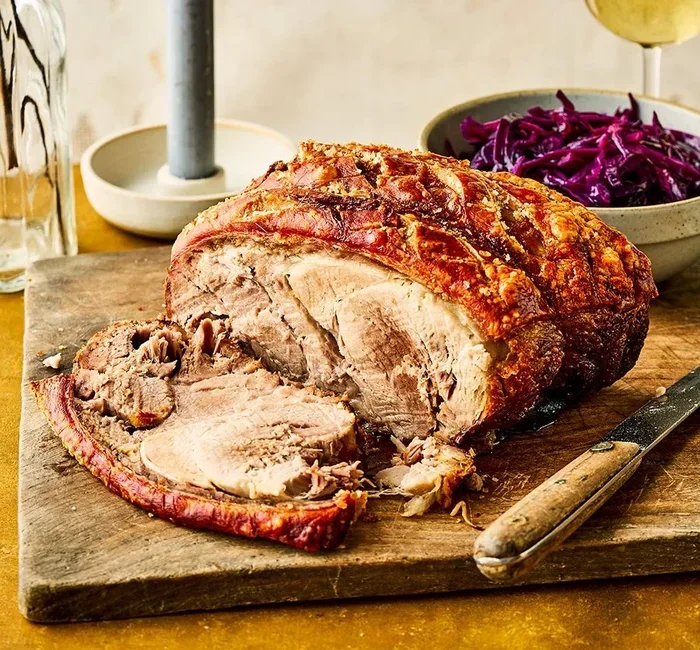
Making a simple roasted pork shoulder is easier than you think. This foolproof recipe walks you through every step, from choosing the perfect cut to pulling the meat apart. You will learn how to get crispy skin, juicy meat, and incredible flavor with minimal effort.
There is something magical about a simple roasted pork shoulder. It is one of those cuts that transforms from tough to tender with just a little time and patience. Whether you are cooking for a family dinner or a weekend gathering, this cut never lets you down. The best part is that you do not need fancy equipment or hard-to-find ingredients. A basic oven, a few spices, and some time are all you need.
Many people think roasting pork shoulder is intimidating. They picture complicated techniques and expensive tools. But the truth is far different. A simple roasted pork shoulder recipe is one of the most forgiving dishes you can make. Even if you overcook it slightly, the meat still tastes amazing. That is what makes this cut perfect for beginners and experienced cooks alike.
This guide covers everything you need to know. We will go through choosing the right cut, preparing your seasoning, cooking times, and serving ideas. By the end, you will feel confident enough to make this dish on your own. Let us get started.
Key Takeaways
- Bone-in pork shoulder gives the best flavor: The bone adds richness and helps the meat stay moist during roasting.
- A simple dry rub is all you need: Salt, pepper, garlic, and paprika create a beautiful crust and deep flavor.
- Low and slow is the secret: Cooking at 300°F for several hours makes the pork tender and easy to pull apart.
- Always rest the meat: Letting it rest for 20 minutes keeps the juices inside and improves texture.
- Use a meat thermometer: An internal temperature of 195°F to 205°F ensures the pork is perfectly cooked.
- Leftovers taste even better: Pulled pork sandwiches and tacos are great ways to use leftover roasted pork.
📑 Table of Contents
Choosing the Right Pork Shoulder
The foundation of any great roasted pork shoulder starts at the store. Picking the right cut makes a huge difference in your final result. Not all pork shoulders are created equal, so knowing what to look for saves you from disappointment.
Bone-In vs. Boneless
You will find pork shoulder in two main forms: bone-in and boneless. Both work well for roasting, but they have different advantages.
Bone-in pork shoulder adds more flavor to the meat. The bone slowly releases minerals and richness as it cooks. It also acts as a natural heat distributor, which helps the meat cook more evenly. If you want the most flavorful result, go with bone-in every time.
Boneless pork shoulder is more convenient. It is easier to slice and serves more people per pound. It also cooks slightly faster because there is no bone to heat through. If you are short on time, boneless is a great option.
For the best results with a simple roasted pork shoulder, we recommend bone-in. The extra effort is worth the flavor payoff.
What to Look for at the Store
When you are shopping for pork shoulder, look for a few key things. First, check the color. The meat should be a nice pinkish-red color. Avoid anything that looks gray or dull.
Next, look at the fat cap. A good layer of fat on top helps keep the meat moist during long cooking times. The fat melts slowly and bastes the meat from above. This is especially important for achieving that fall-apart texture.
Finally, check the size. A 4 to 6 pound pork shoulder feeds about 6 to 8 people comfortably. If you are cooking for a larger group, go bigger. Pork shoulder shrinks as it cooks, so buy more than you think you need.
Preparing Your Simple Roasted Pork Shoulder
Preparation is where the magic begins. A well-prepared pork shoulder cooks better and tastes deeper. The good news is that you do not need a long list of ingredients.
Making the Perfect Dry Rub
A dry rub is the easiest and most effective way to season pork shoulder. You probably already have most of the ingredients in your kitchen.
Here is what you need for a basic rub:
- 2 tablespoons kosher salt
- 1 tablespoon black pepper
- 2 teaspoons smoked paprika
- 1 teaspoon garlic powder
- 1 teaspoon onion powder
- 1 teaspoon brown sugar
- 1 teaspoon cumin
Mix all of these together in a small bowl. Then pat the pork shoulder dry with paper towels. This helps the rub stick to the surface. Sprinkle the mixture generously over the entire cut, pressing it into the meat with your hands.
Do not be shy with the salt. The pork shoulder needs a good amount of seasoning because it is a large, thick cut. The salt draws out moisture at first, but during roasting, it gets reabsorbed and creates a beautiful, flavorful crust.
Marinating vs. Dry Rubbing
Some people prefer to marinate their pork overnight. While this works, a dry rub is simpler and more effective for roasting. A marinade adds surface moisture, which can prevent the skin from crisping up. A dry rub, on the other hand, helps create that gorgeous golden-brown exterior.
If you do want to marinate, keep it short. A few hours is plenty. Overnight marinating can make the surface too wet, which affects the roast. For the best simple roasted pork shoulder, stick with a dry rub applied at least one hour before cooking.
Cooking Temperature and Time
Getting the temperature and timing right is the key to success. Pork shoulder needs low, steady heat to break down the connective tissue and become tender.
Oven Temperature Guide
Set your oven to 300°F. This low temperature is perfect for a slow, even roast. Higher temperatures will cook the outside too fast, leaving the inside tough and dry.
If you want crispy skin, you can start at 425°F for the first 20 minutes. This initial blast of high heat helps the skin puff up and crackle. Then reduce the temperature to 300°F and continue roasting. This two-step method gives you the best of both worlds.
How Long to Cook
A general rule is about 40 minutes per pound at 300°F. So a 5-pound pork shoulder will take roughly 3 to 4 hours. However, time is just a guide. The real indicator is the internal temperature.
Insert a meat thermometer into the thickest part of the shoulder, avoiding the bone. You want the internal temperature to reach 195°F to 205°F. At this range, the collagen in the meat has fully broken down, and the pork will be incredibly tender.
Tips for Fall-Off-the-Bone Texture
Everyone wants that perfect fall-apart texture. It is what makes roasted pork shoulder so satisfying. Here are some tips to guarantee success every time.
Low and Slow Method
Patience is your best friend when roasting pork shoulder. Resist the urge to raise the temperature to speed things up. High heat toughens the meat and prevents the collagen from breaking down properly.
The low and slow approach works because it gives the connective tissues time to dissolve into gelatin. This gelatin fills the spaces between muscle fibers, making the meat incredibly juicy and tender. Think of it as a slow transformation from tough to melt-in-your-mouth.
Resting the Meat
Once your simple roasted pork shoulder comes out of the oven, resist the urge to cut into it right away. Let it rest for at least 20 minutes. This might feel counterintuitive, but it makes a big difference.
During cooking, the juices get pushed toward the center of the meat. Resting allows them to redistribute throughout the cut. If you slice too early, the juices run out, and the meat dries out. A good rest keeps everything moist and flavorful.
Use a Meat Thermometer
Guessing when the pork is done leads to inconsistent results. A meat thermometer takes the guesswork out of cooking. It is an inexpensive tool that pays for itself many times over.
Push the probe into the thickest part of the meat, away from the bone. Wait for the temperature to hit 195°F before pulling the roast out. The carryover heat will raise it another 5 to 10 degrees during resting. This is the sweet spot for tender, pull-apart pork.
Serving and Pulling the Pork
The moment you have been waiting for is here. Your simple roasted pork shoulder is done, and it is time to serve it.
Best Sides to Serve
Pork shoulder pairs well with many sides. Here are some crowd favorites:
- Mac and cheese: The creamy cheese complements the rich pork perfectly.
- Coleslaw: The crunch and acidity cut through the richness of the meat.
- Cornbread: A classic pairing that works every time.
- Roasted vegetables: Carrots, potatoes, and Brussels sprouts make a hearty side.
- BBQ baked beans: Adds a smoky, savory element to the plate.
Storing Leftovers
Leftover pork shoulder keeps well in the refrigerator for up to 4 days. Store it in an airtight container to maintain moisture. You can also freeze pulled pork for up to 3 months.
One of the great things about leftover pork is that it tastes even better the next day. The flavors have time to meld together. Try using it in sandwiches, tacos, or fried rice for a quick and delicious meal.
Common Mistakes to Avoid
Even with the best recipe, mistakes can happen. Here are the most common ones and how to avoid them.
Skipping the Dry Brine
Some people skip salting the pork ahead of time. This is a mistake. Salt draws moisture out and then reabsorbs it, seasoning the meat deeply from within. If you have time, rub the pork with salt the night before and refrigerate it uncovered. This simple step makes a noticeable difference.
Opening the Oven Too Often
Every time you open the oven door, heat escapes. This can significantly increase your cooking time and affect the final result. Trust the process and resist the urge to peek. Use the oven light to check on the roast instead.
Not Letting the Meat Rest
We mentioned this earlier, but it bears repeating. Cutting into hot pork shoulder immediately causes the juices to run out. Give it the time it needs to rest, and you will be rewarded with moist, tender meat.
Conclusion
A simple roasted pork shoulder is one of the most rewarding dishes you can make. It requires minimal effort but delivers incredible results. The low and slow cooking method transforms a humble cut into something extraordinary. Your family and guests will be impressed, and you will feel proud of what you created.
Remember the key points: choose a good bone-in cut, use a simple dry rub, cook low and slow, and let it rest before serving. These steps are all it takes to make pork shoulder that falls apart every time.
So next time you are planning a weekend meal, give this recipe a try. You will not be disappointed. A simple roasted pork shoulder is comfort food at its finest, and once you make it, you will want to make it again and again.
Frequently Asked Questions
Can I use a slow cooker instead of an oven for a simple roasted pork shoulder?
Yes, you absolutely can. A slow cooker on low for 8 to 10 hours produces similar results. The meat will be just as tender and flavorful. The only difference is you will not get the crispy skin that oven roasting provides.
How do I get crispy skin on my roasted pork shoulder?
Pat the skin completely dry before applying your rub. Then, for the last 30 minutes of cooking, increase the oven temperature to 425°F or use the broiler setting. This high heat crisps up the skin beautifully. Just watch it closely to prevent burning.
What is the best wood for smoking pork shoulder?
Hickory and applewood are the most popular choices. Hickory gives a strong, smoky flavor, while applewood offers a milder, sweeter taste. If you are using a simple roasted pork shoulder recipe without a smoker, you can add a few wood chips to your oven for a hint of smoke.
Can I freeze cooked pork shoulder?
Absolutely. Let the pork cool completely, then wrap it tightly in plastic wrap and aluminum foil. Place it in a freezer-safe bag and freeze for up to 3 months. Thaw overnight in the refrigerator before reheating. The meat stays moist and flavorful when frozen properly.
How do I reheat leftover roasted pork shoulder?
The best method is to reheat it in a covered dish with a splash of chicken broth or apple cider vinegar. This adds moisture and prevents the meat from drying out. Heat at 250°F for about 20 to 30 minutes until warmed through. A slow cooker on low also works wonderfully for reheating.
What cuts can I substitute for pork shoulder in this recipe?
Pork butt and Boston butt are essentially the same cut and work perfectly as substitutes. Pork loin is leaner and cooks faster, but it does not have the same rich, fall-apart texture. Stick with pork shoulder for the best results with this recipe.