The Ultimate Guide to Cordon Bleu Cooking at Home
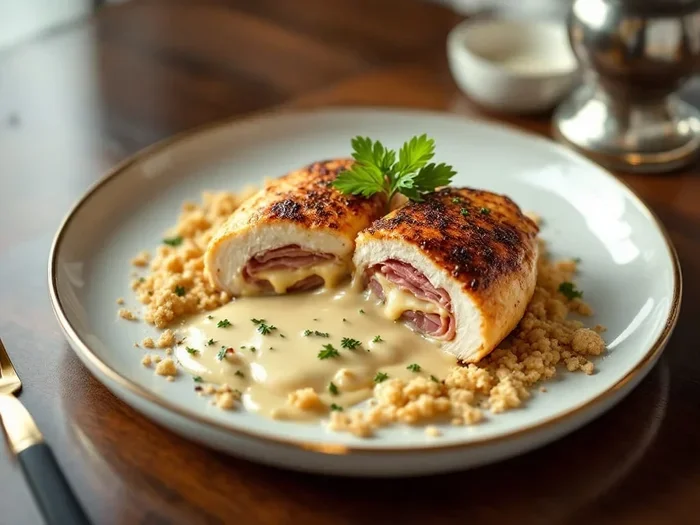
Cordon bleu is a classic French dish that brings restaurant-quality elegance to your home kitchen. This guide covers everything you need to know, from the history and essential techniques to foolproof recipes and expert tips. You will learn how to select the right ingredients, prepare the perfect breading, and cook chicken cordon bleu like a pro. Whether you are a beginner or a seasoned home cook, these methods will elevate your cooking skills and impress your family at dinner.
There is something magical about a dish that tastes like it came from a fancy restaurant but actually comes from your own kitchen. Cordon bleu is one of those recipes that looks impressive but is surprisingly approachable. If you have ever wanted to wow your dinner guests or simply enjoy a delicious homemade meal, this guide is for you.
The word cordon bleu actually comes from French, and it originally referred to a blue ribbon given to master chefs. Today, the name represents a beloved dish of breaded, stuffed chicken that is crispy on the outside and juicy on the inside. In this article, we will walk you through every step of making cordon bleu at home with confidence and ease.
You will learn about the history behind this classic recipe, the essential ingredients you need, and the techniques that separate a good cordon bleu from a great one. We will also share practical tips, common mistakes to avoid, and creative variations to keep things interesting. By the end, you will feel ready to prepare this elegant dish any night of the week.
Key Takeaways
- Master the basics: Understanding the core components of cordon bleu sets you up for consistent success every time you cook.
- Choose quality ingredients: The flavor of your dish depends heavily on the chicken, cheese, and ham you select.
- Perfect breading technique: A proper three-step breading process creates a crispy, golden crust that stays intact during cooking.
- Multiple cooking methods: You can pan-fry, bake, or air-fry cordon bleu to suit your preferences and equipment.
- Avoid common mistakes: Simple errors like overstuffing or overheating oil can ruin an otherwise great dish.
- Experiment with variations: Once you master the classic recipe, you can explore creative twists and global adaptations.
📑 Table of Contents
- What Is Cordon Bleu and Where Does It Come From?
- Essential Ingredients for the Perfect Cordon Bleu
- Step-by-Step Guide to Making Cordon Bleu
- Cooking Methods Compared
- Common Mistakes to Avoid When Making Cordon Bleu
- Creative Cordon Bleu Variations to Try
- Serving Suggestions and Pairings
- Meal Prep and Storage Tips
- Expert Tips for Restaurant-Quality Results
- Why Cordon Bleu Deserves a Spot in Your Regular Rotation
- Conclusion
What Is Cordon Bleu and Where Does It Come From?
Cordon bleu is a traditional French dish that features chicken breast stuffed with ham and cheese, then breaded and cooked until golden. The name translates to “blue ribbon,” which historically was the highest honor a chef could receive. Over time, the term became associated with the dish itself, especially in American and European home kitchens.
The classic version uses thin chicken cutlets wrapped around slices of ham and Swiss cheese. The assembly is then coated in flour, egg wash, and breadcrumbs before being cooked. This method creates a beautiful contrast between the crispy outer layer and the rich, melty filling inside.
The History Behind the Dish
The origins of cordon bleu trace back to France, where culinary excellence was deeply respected. Early versions of the recipe appeared in French cookbooks during the 19th century. The dish gained popularity across Europe and eventually made its way to American kitchens after World War II.
Today, cordon bleu is a staple in many households because it is versatile and satisfying. It has become a go-to recipe for dinner parties, family meals, and meal prep. The beauty of this dish is that it can be as simple or as elaborate as you want it to be.
Essential Ingredients for the Perfect Cordon Bleu
The secret to a great cordon bleu starts with choosing the right ingredients. Each component plays an important role in the final flavor and texture of the dish. Let us break down what you need and why it matters.
Choosing the Right Chicken
Chicken breast is the traditional choice for cordon bleu. Look for boneless, skinless breasts that are uniform in thickness. This makes them easier to pound flat and stuff evenly. You can also use chicken thighs if you prefer a juicier result, but the classic recipe calls for breast meat.
When selecting chicken, aim for fresh, high-quality pieces. Frozen chicken can work, but make sure it is fully thawed before you start preparing it. Pat the chicken dry with paper towels before you begin the stuffing process.
The Cheese Factor
Swiss cheese is the traditional choice for cordon bleu because it melts beautifully and has a mild, nutty flavor. However, you can use other cheeses depending on your preference. Gruyere, provolone, and even mozzarella all work well as substitutes.
The key is to use a cheese that melts smoothly and does not ooze out during cooking. Pre-sliced cheese from the deli counter is often the perfect thickness for stuffing. Avoid using too much cheese, or it may spill out when you cook the chicken.
The Role of Ham
Thinly sliced ham adds a savory, salty dimension to cordon bleu. Black Forest ham is a popular choice because of its rich flavor and delicate texture. You can also use prosciutto for a more refined taste, or regular deli ham for a budget-friendly option.
The ham should be sliced thin enough to wrap around the chicken without creating too much bulk. If the ham is too thick, it can make the stuffing difficult to seal and may cause the chicken to unravel during cooking.
Step-by-Step Guide to Making Cordon Bleu
Making cordon bleu at home is easier than most people think. Once you understand the basic process, you can prepare this dish in under an hour. Here is a clear, simple guide that walks you through every step.
Step One: Prepare the Chicken
Start by laying the chicken breasts flat on a clean cutting board. Use a meat mallet or rolling pin to gently pound them to an even thickness of about a quarter inch. This ensures the chicken cooks evenly and provides a flat surface for stuffing.
Place a piece of plastic wrap over the chicken before pounding. This prevents the meat from tearing and keeps your workspace clean. Take your time with this step because even thickness is the foundation of a great cordon bleu.
Step Two: Assemble the Stuffing
Lay a slice of ham flat on the chicken breast, followed by a piece of cheese. Leave about a half-inch border around the edges so the filling stays inside during cooking. Do not overstuff, or the chicken will burst open when you cook it.
Once the filling is in place, fold the chicken over the ham and cheese to enclose the filling completely. Use toothpicks to secure the chicken if needed. Make sure there are no gaps where the filling could leak out.
Step Three: Bread the Chicken
The breading process is what gives cordon bleu its signature crispy exterior. Set up three shallow dishes in a row. Place flour in the first dish, beaten eggs in the second, and breadcrumbs in the third.
Dredge each stuffed chicken piece in flour first, shaking off the excess. Next, dip it into the egg wash, making sure it is fully coated. Finally, press it into the breadcrumbs, coating all sides evenly. This three-step process creates a thick, crunchy layer that holds up during cooking.
Step Four: Cook to Perfection
You can cook cordon bleu using several methods. Pan-frying is the most traditional approach and produces a beautifully golden crust. Heat oil in a skillet over medium heat, then place the breaded chicken in the pan. Cook for about four to five minutes on each side until the internal temperature reaches 165 degrees Fahrenheit.
Alternatively, you can bake cordon bleu in the oven at 375 degrees Fahrenheit for about 25 to 30 minutes. This method is hands-off and produces a lighter coating. Air-frying is another excellent option that yields a crispy result with less oil. Whatever method you choose, always let the chicken rest for a few minutes before serving.
Cooking Methods Compared
Each cooking method for cordon bleu has its own advantages. The table below compares the three most popular approaches so you can choose the one that fits your needs best.
| Method | Time | Texture | Best For |
|---|---|---|---|
| Pan-Frying | 15-20 minutes | Crispy, golden crust | Quick weeknight dinners |
| Oven-Baking | 25-30 minutes | Light, even coating | Hands-off cooking |
| Air-Frying | 12-15 minutes | Crispy with less oil | Health-conscious cooks |
Pan-frying gives you the most control over the cooking process and produces a restaurant-quality crust. Oven-baking is ideal when you are cooking for a crowd because you can prepare multiple pieces at once. Air-frying is a modern favorite because it uses hot air circulation to create a crispy finish without excess oil.
Common Mistakes to Avoid When Making Cordon Bleu
Even experienced home cooks can run into trouble when preparing cordon bleu. Being aware of these common pitfalls will help you avoid frustration and achieve better results every time.
Overstuffing the Chicken
The most frequent mistake is adding too much cheese and ham inside the chicken. When the filling overflows, it creates gaps in the breading and causes the stuffing to leak out during cooking. Keep your portions modest and focus on sealing the chicken tightly.
Skipping the Resting Period
After cooking, it is tempting to cut into the chicken right away. However, letting it rest for three to five minutes allows the juices to redistribute throughout the meat. This simple step makes a big difference in the juiciness and tenderness of your cordon bleu.
Using the Wrong Oil Temperature
If you are pan-frying, maintaining the right oil temperature is crucial. Oil that is too hot will burn the breading before the chicken cooks through. Oil that is too cool will make the coating soggy and greasy. Aim for a medium heat and test with a small piece of breading first.
Creative Cordon Bleu Variations to Try
Once you have mastered the classic recipe, you can start experimenting with different flavors and ingredients. These variations add excitement and let you tailor the dish to your personal taste.
Try using pepper jack cheese instead of Swiss for a spicy kick. Add a thin layer of mustard between the chicken and ham for extra tang. You can also wrap the stuffed chicken in bacon for a smoky, rich flavor that takes the dish to the next level.
For a healthier twist, swap regular breadcrumbs for panko or whole wheat breadcrumbs. You can also use baked chicken cordon bleu instead of fried for a lighter meal. The possibilities are truly endless, and part of the fun is discovering your favorite combination.
Serving Suggestions and Pairings
Cordon bleu pairs wonderfully with a variety of sides that complement its rich, savory flavor. Roasted vegetables like asparagus, broccoli, or green beans make excellent accompaniments. A light salad with a vinaigrette dressing balances the richness of the dish perfectly.
For a heartier meal, serve cordon bleu with mashed potatoes, rice, or pasta. A creamy garlic sauce or mushroom sauce drizzled over the top adds an extra layer of flavor that elevates the entire plate. These simple sides turn cordon bleu into a complete and satisfying dinner.
When hosting guests, consider serving cordon bleu as an appetizer by cutting the chicken into bite-sized pieces. This makes the dish feel elegant and interactive, perfect for a dinner party or holiday gathering.
Meal Prep and Storage Tips
Cordon bleu is a great make-ahead meal because the assembly process can be done in advance. You can stuff and bread the chicken the night before, then store it covered in the refrigerator until you are ready to cook.
Leftover cordon bleu stores well in the refrigerator for up to three days. Reheat it in the oven or air fryer to keep the coating crispy. Avoid microwaving, as it tends to make the breading soggy and the cheese rubbery.
If you want to freeze uncooked cordon bleu, wrap each piece tightly in plastic wrap and foil, then store them in freezer bags. They will keep for up to three months. Cook them from frozen by adding a few extra minutes to the cooking time.
Expert Tips for Restaurant-Quality Results
Professional chefs use a few tricks that make their cordon bleu stand out. Here are some insider tips you can apply at home to take your dish from good to outstanding.
First, butterfly the chicken breast instead of pounding it flat. This creates a larger surface area for stuffing and helps the filling stay secure. Second, use a meat thermometer to check the internal temperature. This ensures the chicken is fully cooked without drying out.
Another pro tip is to let the breaded chicken rest on a wire rack for ten minutes before cooking. This allows the coating to set and adhere better to the meat, resulting in less breading loss during cooking. Finally, finish the pan-fried cordon bleu in the oven for a few minutes to ensure the inside is fully cooked while keeping the outside perfectly crispy.
Why Cordon Bleu Deserves a Spot in Your Regular Rotation
Cordon bleu is more than just a fancy French recipe. It is a practical, delicious meal that fits into any lifestyle. It is great for weeknight dinners, weekend cooking projects, and entertaining guests alike. The combination of crispy breading, melty cheese, and savory ham creates a flavor profile that appeals to almost everyone.
Once you learn the basic technique, you will find that cordon bleu becomes one of your go-to recipes. It is forgiving, customizable, and consistently impressive. Whether you are cooking for yourself, your family, or a group of friends, this dish delivers every time.
The best part is that you do not need professional culinary training to make it well. With the right ingredients, a little patience, and the tips shared in this guide, you can create restaurant-quality cordon bleu in your own kitchen. Start with the classic recipe, experiment with variations, and soon you will have a signature dish that everyone loves.
Conclusion
Cordon bleu is a timeless classic that brings French elegance to your home cooking. From selecting the best ingredients to mastering the breading and cooking techniques, this guide has given you everything you need to succeed. The process is straightforward, the results are impressive, and the flavors are unforgettable.
Now that you understand the fundamentals, it is time to put your knowledge into action. Gather your ingredients, follow the steps outlined in this article, and enjoy the satisfaction of creating a beautiful cordon bleu from scratch. Your family and guests will thank you, and you will feel proud of the delicious meal you created with your own hands.
Remember, cooking is about having fun and experimenting. Do not be afraid to try new variations, adjust flavors to your liking, and make the dish your own. With practice, you will become more confident, and your cordon bleu will only get better over time. Happy cooking!
Frequently Asked Questions
What does cordon bleu mean?
Cordon bleu is a French term that translates to “blue ribbon.” It originally referred to the highest honor given to master chefs, but today it is most commonly associated with the classic dish of breaded, stuffed chicken filled with ham and cheese.
Can I use a different type of cheese for cordon bleu?
Yes, absolutely. While Swiss cheese is traditional, you can use Gruyere, provolone, mozzarella, or even cheddar depending on your taste preferences. The best cheese is one that melts smoothly and complements the ham and chicken flavors.
Is cordon bleu healthy?
Cordon bleu is a rich and indulgent dish, but you can make it healthier by baking or air-frying instead of pan-frying. Using whole wheat breadcrumbs and lean chicken breast also reduces the calorie and fat content while keeping the flavor intact.
Can I make cordon bleu ahead of time?
Yes, you can assemble and bread the chicken the night before and store it in the refrigerator. You can also freeze uncooked cordon bleu for up to three months. Just add a few extra minutes to the cooking time if you start from frozen.
What is the best way to reheat leftover cordon bleu?
The oven and air fryer are the best methods for reheating cordon bleu because they keep the breading crispy. Reheat at 350 degrees Fahrenheit for about 10 to 15 minutes. Avoid microwaving, as it makes the coating soggy and the cheese rubbery.
Can I make cordon bleu without ham?
Yes, you can make a version without ham if you prefer or if you have dietary restrictions. Simply stuff the chicken with cheese and herbs for a lighter, still delicious alternative. The ham adds a savory depth, but the dish is still enjoyable without it.