How Many Tablespoons in an Ounce A Quick Conversion Guide
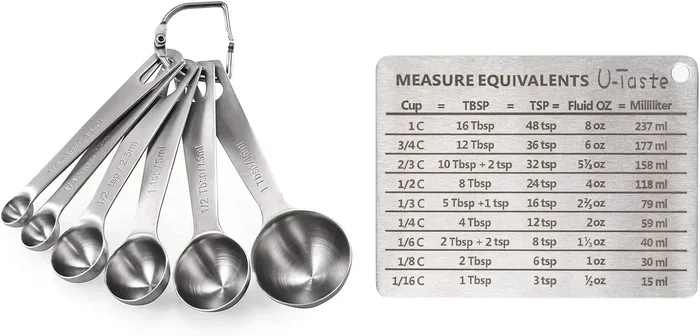
One fluid ounce equals two tablespoons, making it one of the simplest kitchen conversions to remember. Whether you are scaling a recipe up or down, knowing how many tablespoons in an ounce saves time and prevents costly mistakes. This guide covers everything from fluid ounces to dry measurements and includes a handy reference chart.
Cooking and baking can be a joyful experience until you hit a wall with measurements. Maybe your favorite recipe calls for 4 ounces of an ingredient, and all you have is a tablespoon. Or perhaps you are trying to halve a recipe and need to know exactly how many tablespoons in an ounce. Whatever the reason, understanding this simple conversion can make your time in the kitchen smoother and more enjoyable.
This guide breaks down everything you need to know about converting tablespoons and ounces. We will cover fluid ounces, dry ounces, practical tips, and common mistakes to avoid. By the end, you will feel confident tackling any recipe that comes your way.
Key Takeaways
- 1 fluid ounce = 2 tablespoons: This is the most important conversion to memorize for everyday cooking.
- Dry ounces and fluid ounces are different: Weight and volume are not the same, so knowing which one your recipe calls for matters.
- A quick reference chart helps: Keep a conversion chart in your kitchen for fast, accurate measuring.
- Measuring tools vary: Use liquid measuring cups for fluids and dry measuring cups for solids.
- Scaling recipes is easier: Understanding tablespoons and ounces lets you adjust servings with confidence.
- Common mistakes happen: Confusing fluid and dry ounces is the most frequent kitchen error.
📑 Table of Contents
- What Is a Tablespoon?
- What Is an Ounce?
- How Many Tablespoons in an Ounce?
- Fluid Ounces vs Dry Ounces
- Common Kitchen Measurement Conversions
- How to Measure Tablespoons Accurately
- Quick Conversion Chart
- Tips for Scaling Recipes
- Common Mistakes People Make with Tablespoons and Ounces
- Why This Conversion Matters
- Final Thoughts
What Is a Tablespoon?
A tablespoon is a unit of volume used in cooking and baking. It is commonly abbreviated as “tbsp” or “T.” In the United States, one tablespoon equals approximately 14.8 milliliters. Most kitchens have tablespoon measures built into their measuring spoon sets, making it one of the most accessible units of measurement.
Tablespoons are used for both liquid and dry ingredients. Think of things like oil, vinegar, honey, flour, sugar, and spices. The way you measure matters, though. For liquids, you want to fill the spoon to the top. For dry ingredients, you should level it off with a straight edge for accuracy.
Tablespoons in Everyday Cooking
You encounter tablespoons more often than you might think. Salad dressings, marinades, and sauces are often measured in tablespoons. Baking recipes frequently call for butter, leavening agents, and extracts in tablespoon amounts. Even medicine dosing sometimes uses tablespoons, though that is a different context entirely.
The key takeaway is that the tablespoon is a versatile and essential tool in any kitchen. Mastering it sets the foundation for understanding larger and smaller units of measurement.
What Is an Ounce?
An ounce can mean two very different things in the kitchen, and this is where many home cooks get confused. There is the fluid ounce, which measures volume, and the dry ounce, which measures weight. Both are abbreviated as “oz,” but they serve completely different purposes.
A fluid ounce measures how much space a liquid takes up. In the US system, one fluid ounce is about 29.6 milliliters. A dry ounce measures how much something weighs. One dry ounce is approximately 28.3 grams.
Why the Distinction Matters
When a recipe says “2 ounces of flour,” it means weight, so you need a kitchen scale. When it says “2 ounces of milk,” it means volume, and a measuring cup works best. Confusing the two can lead to incorrect amounts and, ultimately, a dish that does not turn out as expected.
This distinction is especially important in baking, where precision is everything. A little extra flour or too much liquid can change the texture and structure of baked goods dramatically. Always check whether your recipe is calling for a volume measurement or a weight measurement before you start.
How Many Tablespoons in an Ounce?
Here is the answer you have been waiting for. One fluid ounce equals two tablespoons. This is the golden rule for liquid measurements in the US customary system. So if a recipe calls for 3 fluid ounces of lemon juice, you would need 6 tablespoons. For 8 fluid ounces, you would need 16 tablespoons.
This conversion is straightforward because the US customary system was designed with these neat ratios. Once you memorize that 1 fluid ounce equals 2 tablespoons, you can quickly calculate any amount.
The Conversion Math Made Simple
To convert fluid ounces to tablespoons, simply multiply the number of ounces by 2. To go the other direction, divide the number of tablespoons by 2.
Here are a few quick examples:
- 1 fluid ounce = 2 tablespoons
- 2 fluid ounces = 4 tablespoons
- 4 fluid ounces = 8 tablespoons (also half a cup)
- 8 fluid ounces = 16 tablespoons (also 1 cup)
These numbers are easy to remember because they follow a pattern. The number 2 is your best friend here. Anytime you see fluid ounces, just double it to get tablespoons.
Fluid Ounces vs Dry Ounces
This is the section where things get a little more complicated, but stick with me. The reason we cannot simply say “one ounce equals two tablespoons” for all ingredients is that dry ingredients vary in density. A tablespoon of flour weighs less than a tablespoon of honey, even though they take up the same amount of space.
Fluid ounces measure volume, and the tablespoon-to-ounce ratio stays constant for liquids. But dry ounces measure weight, and the weight of a tablespoon depends entirely on what ingredient you are using.
Examples of Dry Ingredient Weights
Let us look at some common dry ingredients and how much a tablespoon weighs:
- All-purpose flour: About 0.5 ounces per tablespoon
- Granulated sugar: About 0.7 ounces per tablespoon
- Brown sugar: About 0.6 ounces per tablespoon
- Butter: About 0.5 ounces per tablespoon
- Honey: About 0.7 ounces per tablespoon
As you can see, the weight varies quite a bit. This is why a kitchen scale is so valuable for baking. If your recipe calls for 4 dry ounces of flour, you cannot simply use 8 tablespoons and expect the same result. You would need far more than 8 tablespoons to reach 4 ounces of flour by weight.
When to Use Volume vs Weight
For liquids like water, milk, oil, and juice, fluid ounces and tablespoons work perfectly together. The conversion ratio of 1 fluid ounce to 2 tablespoons is always accurate. For dry ingredients, use a kitchen scale when precision matters, especially in baking.
If you are cooking savory dishes like soups, stews, or casseroles, slight variations in dry ingredient amounts are usually fine. But for delicate baked goods like cakes, cookies, and bread, precision is key. Invest in a good kitchen scale if you bake regularly.
Common Kitchen Measurement Conversions
Knowing how many tablespoons in an ounce is just the starting point. A broader understanding of kitchen conversions makes you a more efficient and confident cook. Here are some other conversions you will use again and again.
Teaspoons and Tablespoons
- 1 tablespoon = 3 teaspoons
- 2 tablespoons = 6 teaspoons
- 1 teaspoon = about 5 milliliters
Tablespoons and Cups
- 16 tablespoons = 1 cup
- 8 tablespoons = 1/2 cup
- 4 tablespoons = 1/4 cup
- 2 tablespoons = 1/8 cup
Fluid Ounces and Cups
- 8 fluid ounces = 1 cup
- 4 fluid ounces = 1/2 cup
- 2 fluid ounces = 1/4 cup
These conversions form a complete system. Once you know them, you can move freely between teaspoons, tablespoons, fluid ounces, and cups without needing to look anything up.
Metric Conversions for Reference
If you use metric measurements or are following international recipes, here are the equivalents:
- 1 US tablespoon = 14.8 milliliters (about 15 ml)
- 1 US fluid ounce = 29.6 milliliters (about 30 ml)
- 1 cup = 240 milliliters (about 250 ml)
These rounded figures are close enough for most cooking purposes. The slight difference between 14.8 ml and 15 ml will not affect your recipes in any noticeable way.
How to Measure Tablespoons Accurately
Accurate measuring is the secret to consistent cooking and baking results. Even if you know how many tablespoons in an ounce, using the wrong technique can throw off your measurements.
For Liquid Ingredients
Use a clear liquid measuring cup placed on a flat surface. Pour the liquid in and bend down to eye level to read the measurement. The meniscus, or the curved surface of the liquid, should line up with the marking you need. Never hold the measuring cup in the air while reading it.
For Dry Ingredients
Use dry measuring cups or measuring spoons. Spoon the ingredient into the spoon or cup, then level it off with the back of a knife. Do not pack the ingredient down unless the recipe specifically tells you to. Packing creates denser measurements and can add more ingredient than intended.
Quick Tips for Better Accuracy
- Always use the right type of measuring tool for the ingredient.
- Level off dry measurements for consistency.
- Do not tap or shake the measuring cup, as this settles the ingredient.
- Use a kitchen scale for dry ingredients when precision matters.
- Keep your measuring spoons clean and dry between uses.
Quick Conversion Chart
Here is a handy reference chart you can print out or save to your phone. It covers the most common conversions you will need in the kitchen.
Fluid Ounces to Tablespoons:
- 1 fl oz = 2 tbsp
- 2 fl oz = 4 tbsp
- 3 fl oz = 6 tbsp
- 4 fl oz = 8 tbsp (1/2 cup)
- 6 fl oz = 12 tbsp (3/4 cup)
- 8 fl oz = 16 tbsp (1 cup)
Teaspoons to Tablespoons:
- 3 tsp = 1 tbsp
- 6 tsp = 2 tbsp
- 9 tsp = 3 tbsp
- 12 tsp = 4 tbsp (1/4 cup)
Tablespoons to Cups:
- 2 tbsp = 1/8 cup
- 4 tbsp = 1/4 cup
- 8 tbsp = 1/2 cup
- 16 tbsp = 1 cup
Keep this chart somewhere visible in your kitchen. Over time, these conversions will become second nature, and you will not need to reference it as often.
Tips for Scaling Recipes
One of the most practical applications of understanding tablespoons and ounces is scaling recipes. Maybe a recipe serves 4, but you need to feed 6 people. Or perhaps you want to make a half batch of cookies.
When you scale a recipe, every measurement needs to change proportionally. If the original recipe calls for 2 fluid ounces of vanilla extract (4 tablespoons), and you are doubling the recipe, you need 4 fluid ounces (8 tablespoons). If you are halving it, you need 1 fluid ounce (2 tablespoons).
The same logic applies to dry ingredients by weight. A kitchen scale makes scaling much easier because you can simply multiply or divide the weight. Trying to scale by volume alone for dry ingredients often leads to inconsistent results.
Common Scaling Mistakes to Avoid
- Do not simply eyeball the measurement. Always calculate the scaled amount.
- Be careful with spices and salt. These ingredients do not scale perfectly because their impact changes with quantity.
- When in doubt, measure precisely rather than estimating.
- Remember that baking is more sensitive to measurement changes than cooking.
Common Mistakes People Make with Tablespoons and Ounces
Even experienced cooks make measurement mistakes. Here are the most common ones and how to avoid them.
Confusing Fluid Ounces with Dry Ounces
This is the number one mistake. Fluid ounces measure volume, and dry ounces measure weight. They are not interchangeable. A recipe that calls for 4 ounces of water needs 8 tablespoons. But 4 ounces of flour by weight is a completely different number of tablespoons.
Using the Wrong Measuring Tool
Using a liquid measuring cup for dry ingredients or a dry measuring cup for liquids leads to inaccurate amounts. Each tool is designed for a specific purpose, and using the wrong one introduces error.
Not Leveling Off Dry Ingredients
When you scoop flour directly from the bag with a measuring spoon, you pack in more than you need. Always spoon the ingredient into the measure and level it off. This one small habit makes a big difference over the course of a recipe.
Ignoring Temperature Effects
Ingredients like butter and honey change in volume depending on their temperature. Soft butter packs differently than cold butter. Warm honey flows differently than cold honey. For the most accurate measurements, use ingredients at room temperature unless the recipe specifies otherwise.
Why This Conversion Matters
You might be wondering why knowing how many tablespoons in an ounce is such a big deal. The truth is, it matters more than most people realize. Recipes are essentially formulas, and measurements are the variables. Change one variable, and the outcome changes.
Understanding this conversion gives you flexibility. You can adjust recipes on the fly, substitute ingredients when you are short on something, and scale recipes to any serving size. It also helps you troubleshoot when something goes wrong. If your dish turned out too salty or too dry, a measurement mistake might be the culprit.
Beyond the practical benefits, there is a confidence that comes with mastering kitchen measurements. You stop second-guessing yourself and start trusting your instincts. That confidence translates into better food and more enjoyment in the kitchen.
Final Thoughts
The simple fact that one fluid ounce equals two tablespoons is one of the most useful pieces of kitchen knowledge you can carry. It is easy to remember, simple to apply, and essential for accurate cooking and baking. Pair this knowledge with a basic understanding of dry versus fluid measurements, and you are well on your way to becoming a more confident home cook.
Keep a conversion chart handy, invest in good measuring tools, and practice your technique. Over time, these conversions will feel automatic. You will move through recipes with ease and consistently achieve great results. The kitchen is a place of creativity and experimentation, and a solid foundation in measurements makes that journey all the more enjoyable.
Next time you find yourself reaching for a tablespoon to substitute for a fluid ounce, you will know exactly what to do. Two tablespoons, every time. Simple, reliable, and always useful.
Frequently Asked Questions
How many tablespoons are in 1 fluid ounce?
There are exactly 2 tablespoons in 1 fluid ounce. This is a standard US customary measurement conversion that applies to all liquids including water, milk, oil, and juice.
Are fluid ounces and dry ounces the same thing?
No, they are not the same. A fluid ounce measures volume, while a dry ounce measures weight. The conversion between tablespoons and ounces only works directly for fluid ounces, not dry ounces.
Can I use a regular spoon from my kitchen drawer to measure a tablespoon?
It is not recommended. A regular spoon is not standardized and may hold more or less than a true tablespoon. Use proper measuring spoons for accurate results in your recipes.
How many tablespoons are in 8 ounces?
For fluid measurements, 8 fluid ounces equals 16 tablespoons. This is also equal to 1 cup. Keep in mind that this applies to fluid ounces only, not dry weight ounces.
What is the difference between a US tablespoon and a metric tablespoon?
A US tablespoon is about 14.8 milliliters, while a metric tablespoon is 15 milliliters. The difference is very small and will not affect most recipes in a noticeable way.
Do I need a kitchen scale to measure dry ounces?
Yes, a kitchen scale is the best tool for measuring dry ingredients by weight in ounces. Volume measurements like tablespoons vary in weight depending on the ingredient and how it is packed.