How to Cook a Fully Cooked Ham in the Oven Perfectly
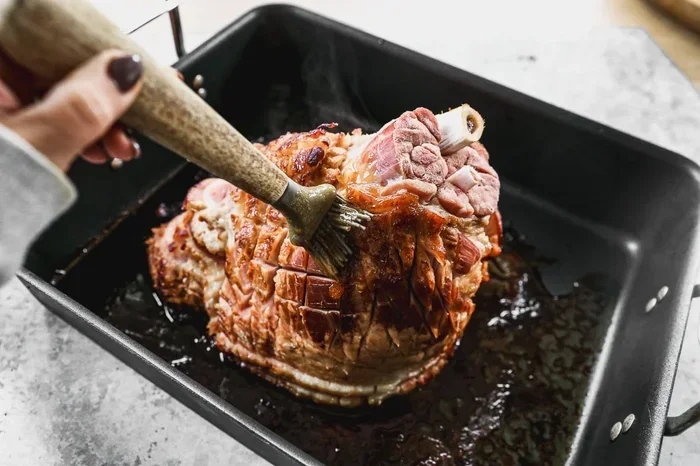
Cooking a fully cooked ham in the oven is one of the easiest ways to prepare a stunning holiday meal. This guide covers everything you need, from oven temperature and cooking time to the perfect glaze. Follow our tips and you will serve a tender, flavorful ham that everyone will love.
There is something special about pulling a perfectly baked ham out of the oven. The aroma fills the kitchen. The edges are golden. And the center is tender and juicy. Whether you are preparing a holiday dinner or a weekend family meal, cooking a fully cooked ham in the oven is a rewarding experience.
Many people think oven-baked ham is complicated. But the truth is, it really is not. A fully cooked ham just needs heat, time, and a good glaze. This guide will show you exactly how to do it right. You will learn the best temperature, how long to cook it, and how to make a glaze that everyone will rave about.
If you have been searching for a reliable baked ham recipe, you are in the right place. This article covers everything from choosing your ham to slicing and serving it. Let us get started.
Key Takeaways
- Choose the Right Ham: A fully cooked spiral ham or whole ham works best for oven baking.
- Low and Slow Is Best: Cook at 325°F for even heating without drying out the meat.
- Glaze Matters: A brown sugar or honey glaze adds flavor and a beautiful caramelized finish.
- Use a Meat Thermometer: Always check that the internal temperature reaches 140°F for safe serving.
- Rest Before Slicing: Let the ham rest for 15 minutes to lock in the juices.
- Store Properly: Leftover ham keeps well in the fridge for up to 5 days or frozen for 3 months.
📑 Table of Contents
- Why Cooking a Fully Cooked Ham in the Oven Is Worth It
- What You Will Need to Cook a Fully Cooked Ham
- Step-by-Step Instructions for Cooking the Ham
- How to Make the Perfect Ham Glaze
- How Long to Cook a Fully Cooked Ham
- Serving and Storing Your Oven-Baked Ham
- Common Mistakes to Avoid When Cooking Ham
- Expert Tips for the Best Oven-Baked Ham
- Conclusion
Why Cooking a Fully Cooked Ham in the Oven Is Worth It
A fully cooked ham saves you a lot of time. You do not need to worry about food safety or undercooking. The ham just needs to be heated through and glazed to perfection. Oven baking gives you control over the texture and flavor. You can adjust the temperature and timing based on the size of your ham.
Compared to other cooking methods, the oven provides even heat distribution. This means no hot spots or dried-out edges. An oven-baked ham also allows you to baste it throughout the cooking process. Basting keeps the meat moist and builds layers of flavor. Plus, the oven frees up your stovetop for side dishes like mashed potatoes and green beans.
After a big meal, you might want to stay active. Many families enjoy a post-dinner walk or some light exercise. If you are looking to stay fit at home, How To Get A Treadmill In The House can help you maintain your routine even after a big holiday meal. Staying active complements a great meal perfectly.
What You Will Need to Cook a Fully Cooked Ham
Before you start, gather your tools and ingredients. Having everything ready makes the process smooth and stress-free. Here is what you need:
Essential Tools
- A roasting pan or large baking dish
- Aluminum foil for covering the ham
- A meat thermometer (this is non-negotiable)
- A basting brush or spoon
- A sharp knife for slicing
Ingredients for the Ham and Glaze
- One fully cooked ham (spiral or whole, about 8-10 lbs)
- Brown sugar or honey for the glaze
- Cloves, cinnamon, or mustard for extra flavor
- Pineapple juice or apple cider (optional)
- Butter for basting
Choosing the right ham matters. A spiral ham is pre-sliced and very convenient. A whole ham gives you more control over portions. Both work great for oven baking. Look for a ham that is labeled “fully cooked” or “ready to eat.” This ensures you are heating it, not cooking it from raw.
Step-by-Step Instructions for Cooking the Ham
Now comes the fun part. Follow these steps for a perfect cooking ham every single time.
Step 1: Preheat Your Oven
Set your oven to 325°F. This is the ideal temperature for heating a fully cooked ham. It warms the meat evenly without drying it out. While the oven heats, remove the ham from the fridge. Let it sit at room temperature for about 30 minutes. This helps it cook more evenly.
Step 2: Prepare the Ham
Place the ham cut-side down in your roasting pan. If it is a spiral ham, keep it on the rack it came with. Cover the ham loosely with aluminum foil. The foil traps moisture and prevents the outside from burning before the inside is heated through.
Some people like to score the outside of the ham before glazing. This creates channels for the glaze to seep in. Use a sharp knife to make shallow diamond cuts. Be careful not to cut too deep. You just want to open up the surface.
Step 3: Apply the Glaze
After the ham has been in the oven for about 15 minutes, remove the foil. Brush on your first layer of glaze. This early application helps the glaze set and caramelize. You will apply more glaze later in the cooking process.
Step 4: Cook and Baste
Let the ham cook uncovered. Baste it every 20 to 30 minutes with the pan juices and any remaining glaze. Basting is one of the most important steps. It keeps the ham moist and builds a beautiful glaze on the outside. The ham is done when it reaches an internal temperature of 140°F.
A whole ham usually takes about 15 to 18 minutes per pound. A spiral ham may take slightly less time. Always rely on your meat thermometer rather than the clock. Every oven is different, and ham sizes vary.
When the ham is done, remove it from the oven and let it rest. Resting the ham allows the juices to redistribute. This makes every slice tender and flavorful. Cover it loosely with foil and wait about 15 minutes before slicing.
On a busy weekend, you might have other things on your plate too. Many people balance cooking with their hobbies and fitness routines. If you enjoy jump rope workouts, How To Adjust The Length Of A Jump Rope properly can make your exercise sessions much more effective. A well-adjusted rope prevents tripping and reduces joint strain.
How to Make the Perfect Ham Glaze
The glaze is what transforms a good ham into a great one. It adds sweetness, depth, and a gorgeous caramelized finish. Here are some classic options.
Brown Sugar and Honey Glaze
This is the most popular glaze for oven-baked ham. Mix together brown sugar, honey, and a splash of mustard. Add a pinch of cinnamon for warmth. Spread it over the ham in the last 30 minutes of cooking. The sugar caramelizes and creates a sticky, sweet crust.
Pineapple and Brown Sugar Glaze
For a tropical twist, use pineapple juice and brown sugar. Simmer them together until thickened. Brush this onto the ham during the final 20 minutes. The acidity of the pineapple tenderizes the meat and adds a subtle tang.
Mustard and Cloves Glaze
This is a traditional option. Mix whole grain mustard with brown sugar and stud the ham with whole cloves. The cloves add a warm, aromatic flavor. This glaze pairs especially well with holiday meals.
You can also experiment with apple cider, maple syrup, or even a splash of bourbon. The key is to apply the glaze in layers. This builds complexity and prevents the sugar from burning.
How Long to Cook a Fully Cooked Ham
Timing depends on the size of your ham. Here is a general guide for ham cooking time at 325°F:
- Small ham (4-6 lbs): 1.5 to 2 hours
- Medium ham (7-9 lbs): 2 to 2.5 hours
- Large ham (10-12 lbs): 2.5 to 3 hours
- Extra large ham (13+ lbs): 3 to 3.5 hours
These times are for heating the ham through. If you prefer a darker, more caramelized glaze, extend the uncovered cooking time by 15 to 20 minutes. Watch the glaze closely during this phase. Sugar can burn quickly, so keep an eye on it.
Remember to check the internal temperature. The target is 140°F for a fully cooked ham. If you are unsure, check in multiple spots. The thickest part of the ham takes the longest to heat through.
After your oven-baked ham is done, you might want to freshen up your space. Holiday cooking can leave a mess in the kitchen. If you practice yoga at home, How To Wash A Yoga Mat In The Washer is a quick and easy way to clean up after a busy day. A clean mat is refreshing and ready for your next session.
Serving and Storing Your Oven-Baked Ham
Serving a ham is almost as satisfying as cooking it. Here are some tips for presentation and storage.
How to Slice a Fully Cooked Ham
For a spiral ham, the slices are already done for you. Simply pull them apart along the cuts. For a whole ham, slice against the grain for the most tender pieces. Start at the narrower end and work your way down. Thicker slices hold more glaze and look beautiful on a platter.
Serving Suggestions
- Classic sides: mashed potatoes, roasted vegetables, and dinner rolls
- Sandwiches: use leftover ham for amazing pulled ham sandwiches
- Breakfast: ham slices alongside eggs and toast the next morning
- Salads: diced ham adds protein to green salads and pasta salads
Storing Leftover Ham
Leftover ham keeps well in the refrigerator. Wrap it tightly in plastic wrap or foil. It will stay fresh for up to 5 days. For longer storage, freeze the ham. It keeps in the freezer for up to 3 months. When you are ready to eat it, thaw it in the fridge overnight and reheat gently.
If your home gym equipment is taking up space after the holidays, consider How To Hide A Treadmill In Your Living Room for clever storage ideas. A tidy space helps you feel organized and ready for your next cooking or workout session.
Common Mistakes to Avoid When Cooking Ham
Even experienced cooks make mistakes with ham. Here are the most common ones and how to avoid them.
- Cooking at too high a temperature: This dries out the ham quickly. Stick to 325°F for the best results.
- Skipping the rest time: Cutting into the ham right away releases all the juices. Let it rest for at least 15 minutes.
- Adding the glaze too early: Sugar burns if it is on too long. Apply the glaze only in the last 20 to 30 minutes.
- Not using a meat thermometer: Guessing the temperature leads to overcooking or underheating. A thermometer takes the guesswork out.
- Forgetting to score the ham: Scoring helps the glaze penetrate and creates an attractive presentation.
Avoiding these mistakes will elevate your precooked ham from good to great. Each tip is simple but makes a noticeable difference in the final result.
Expert Tips for the Best Oven-Baked Ham
Here are some bonus tips from experienced cooks. These small details can make a big impact.
- Use the ham juices: Save the drippings from the roasting pan. They make an excellent base for gravy or a rich sauce for sides.
- Add fruit: Stud the ham with pineapple rings, apple slices, or orange wedges. They add moisture and a subtle fruity flavor.
- Brush with butter: A thin layer of melted butter under the glaze adds richness and helps the sugar adhere better.
- Let it shine: Remove the foil for the last portion of cooking. This allows the outside to brown and caramelize beautifully.
- Plan ahead: A large ham needs time to rest and come to room temperature. Start early so you are not rushed on serving day.
These tips apply whether you are cooking a small ham for two or a large one for a dinner party. The principles remain the same: low heat, patience, and a great glaze.
Conclusion
Cooking a fully cooked ham in the oven is a skill anyone can master. With the right temperature, timing, and glaze, you will create a show-stopping centerpiece for any meal. Remember to use a meat thermometer, rest the ham before slicing, and apply your glaze in the final stages of cooking.
Whether it is a holiday celebration or a simple Sunday dinner, a perfectly baked ham brings everyone to the table. The aroma, the flavor, and the satisfaction of serving a homemade meal are unbeatable. Use this guide every time you cook ham, and you will never go wrong.
Now that you know how to cook a fully cooked ham in the oven perfectly, it is time to put these tips into action. Grab your ham, fire up the oven, and enjoy the process. Your family and guests will thank you for it.
Frequently Asked Questions
Can I cook a fully cooked ham at a higher temperature to save time?
It is not recommended. Higher temperatures dry out the ham quickly. Sticking to 325°F ensures even heating and keeps the meat moist and tender throughout.
How do I know when the ham is done?
Use a meat thermometer. The internal temperature should reach 140°F for a fully cooked ham. Insert the thermometer into the thickest part of the ham for the most accurate reading.
Can I use a glaze made from store-bought ingredients?
Absolutely. Many store-bought glazes work well and save time. However, making a homemade glaze with brown sugar, honey, and mustard gives you more control over the flavor and sweetness level.
What is the difference between a spiral ham and a whole ham?
A spiral ham is pre-sliced and carved in a spiral pattern, making serving very easy. A whole ham is uncut and gives you more flexibility in portion sizes and presentation. Both work equally well for oven baking.
Can I freeze leftover cooked ham?
Yes, you can freeze cooked ham for up to 3 months. Wrap it tightly in plastic wrap and aluminum foil, or place it in an airtight container. Thaw it in the refrigerator overnight before reheating.
Should I soak a fully cooked ham before cooking it?
Most fully cooked hams do not need soaking. However, if your ham is very salty, you can soak it in water for a few hours before cooking to reduce the saltiness. This step is optional and depends on personal preference.