How to Adjust the Length of a Jump Rope
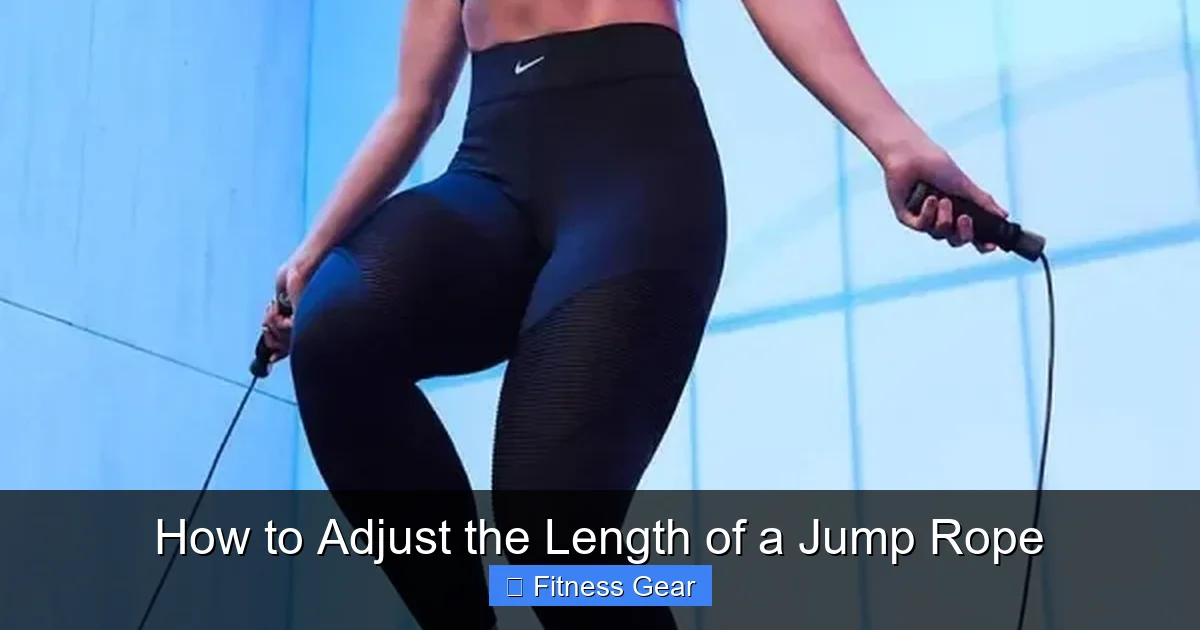
Finding the right rope length is the secret to smoother, safer jumps. This guide walks you through measuring, cutting, and fine‑tuning your jump rope so you can jump with confidence, whether you’re a beginner or a seasoned athlete. Follow the simple steps and start improving your rhythm today.
Key Takeaways
- Measure correctly: Use your height and a simple “stand‑and‑hold” test to get the ideal length.
- Adjust without cutting: Most ropes have built‑in clips or knots that let you shorten them instantly.
- Cutting is permanent: If you must cut, leave extra slack for future adjustments.
- Weight matters: Heavier ropes need a slightly longer length for proper swing.
- Check tension regularly: Rope stretch changes with use; re‑measure every few weeks.
- Customize for sport: Different activities—speed, double‑unders, cross‑fit—require different lengths.
- Safety first: A rope that’s too long can hit your feet; too short can strain your wrists.
📑 Table of Contents
- Introduction: Why Rope Length Matters
- 1. How to Measure the Perfect Rope Length
- 2. Quick Adjustments Without Cutting
- 3. Permanent Adjustments: Cutting and Re‑Attaching
- 4. Tailoring Rope Length for Specific Workouts
- 5. Maintaining Your Rope After Adjustment
- Conclusion: Jump Confidently With the Right Length
Introduction: Why Rope Length Matters
Jumping rope looks simple, but the right rope length makes the difference between a fluid rhythm and a clumsy stumble. A rope that’s too long will slap the ground and catch your feet, while a rope that’s too short forces you to lift your elbows higher than necessary, tiring your shoulders fast.
Whether you’re training for a marathon, mastering double‑unders for CrossFit, or just getting fit at home, a correctly sized rope improves timing, reduces injury risk, and lets you focus on technique instead of fixing mistakes. In this article we’ll break down everything you need to know to adjust the length of a jump rope—from quick on‑the‑fly tweaks to permanent cuts—so you can jump confidently every time.
1. How to Measure the Perfect Rope Length
Step 1: Stand on the Rope
Place the rope on a flat surface and stand in the middle with both feet together. Pull the handles straight up, keeping them vertical. The ideal length is usually where the handles reach somewhere between your armpits and your shoulders.
Visual guide about How to Adjust the Length of a Jump Rope
Image source: i5.walmartimages.com
Step 2: Use Your Height as a Guide
A quick rule of thumb works for most beginners:
- If you’re under 5’0″ (152 cm), aim for a rope about 8 ft (2.44 m) long.
- 5’0″–5’6″ (152–168 cm): 9 ft (2.74 m).
- 5’6″–6’0″ (168–183 cm): 10 ft (3.05 m).
- Over 6’0″ (183 cm): 11 ft (3.35 m) or longer.
These are starting points; personal preference and rope type will fine‑tune the final length.
Step 3: The “Handle‑to‑Floor” Test
Hold the handles at your sides with palms facing backward. When the rope is correctly sized, the handles should rest just above your hips when the rope is on the ground. If they’re higher, shorten the rope; if they’re lower, lengthen it.
2. Quick Adjustments Without Cutting
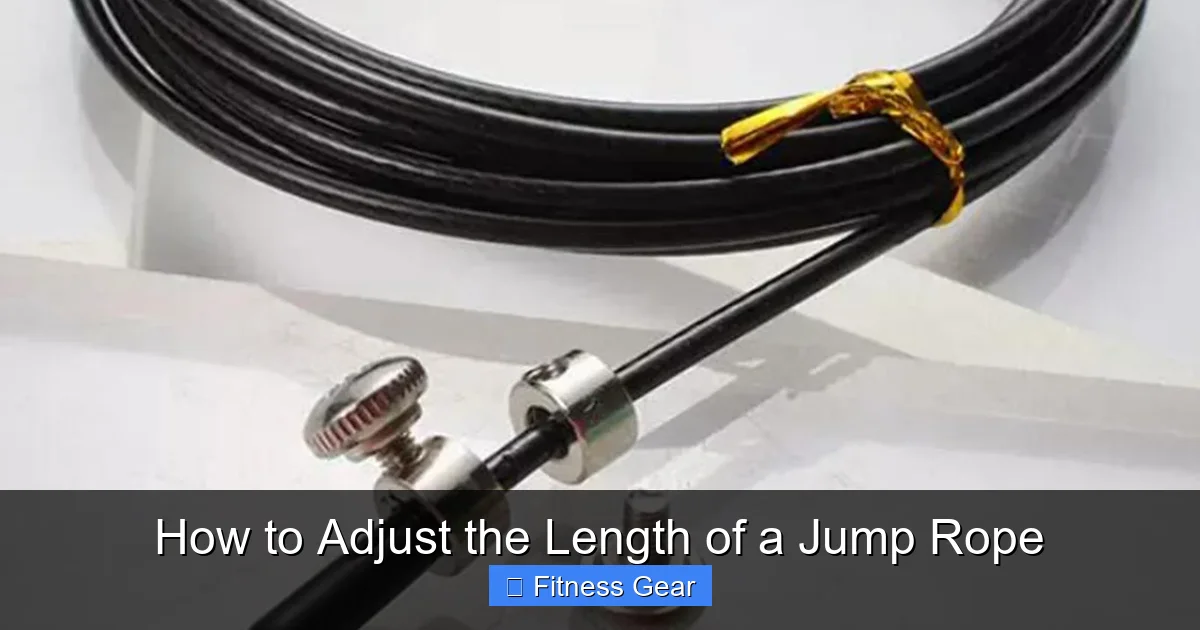
Adjustable Clip Ropes
Many modern speed ropes come with a spring‑loaded clip. To shorten:
Visual guide about How to Adjust the Length of a Jump Rope
Image source: elevaterope.com
- Open the clip by pulling the small lever.
- Slide the rope through until the desired length is reached.
- Release the lever; the clip snaps back to hold the rope.
This method is reversible—great for switching between speed work and double‑unders.
Knot‑Based Ropes
Some PVC or beaded ropes have a series of knots near the handles. To adjust:
- Untie the nearest knot.
- Pull the rope through the handle until the handles sit at the correct height.
- Retie a tight knot to lock the new length.
Because the rope stays intact, you can lengthen it again later if needed.
Using a Slip‑Knot for Temporary Changes
If you own a basic rope with no built‑in adjuster, create a slip‑knot near the handle:
- Form a loop about 2 inches (5 cm) from the handle.
- Pass the free end through the loop, then pull tight.
- Slide the knot up or down to change length on the fly.
This is a handy hack for weekend trips when you can’t bring a full‑size rope.
3. Permanent Adjustments: Cutting and Re‑Attaching
When Cutting Is Necessary
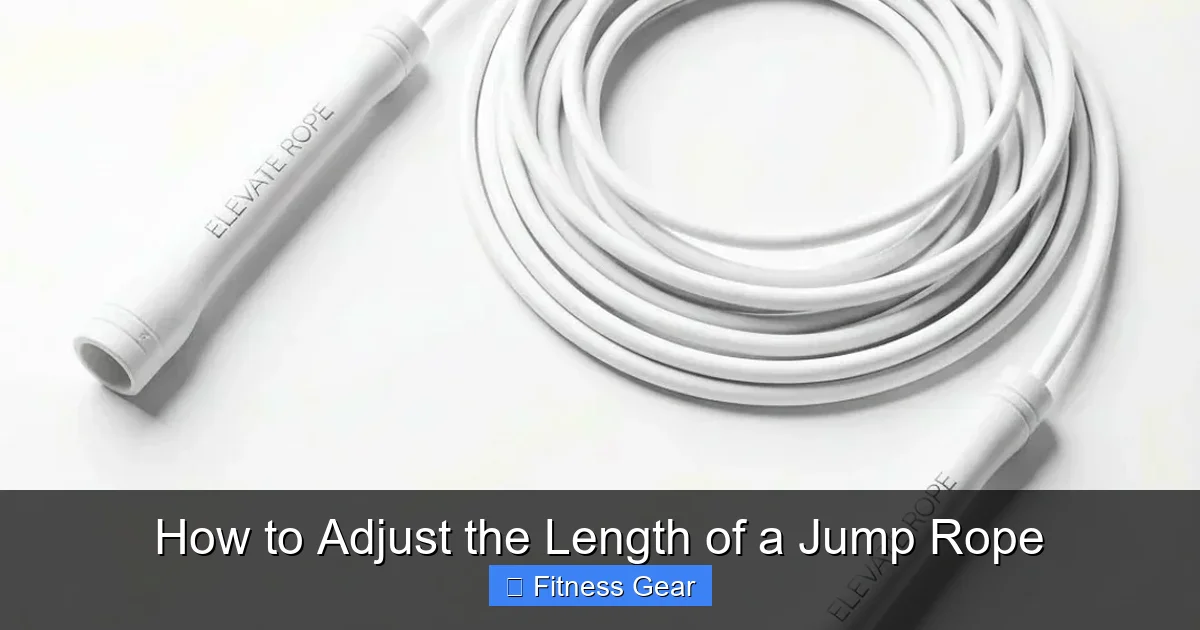
Some heavy‑weight ropes or specialty ropes (like leather) don’t have adjustable clips. If you’ve measured and still find excess length, cutting is the final option. Follow these steps to keep the rope functional:
Visual guide about How to Adjust the Length of a Jump Rope
Image source: elevaterope.com
- Mark the cut point: Use a piece of masking tape at the spot you’ll cut.
- Leave a safety margin: Cut about 2–4 inches (5–10 cm) longer than your target length. You can always trim more later.
- Use the right tools: Sharp scissors for PVC, heavy‑duty wire cutters for steel‑core, or a utility knife for leather.
- Seal the ends: Heat‑shrink tubing or electrical tape prevents fraying.
- Re‑attach the handle: Most handles slide onto the rope and lock with a set screw. Tighten securely.
Re‑Attaching Broken Handles
If the handle came off during adjustment, you can often reuse it:
- Insert the rope end into the handle’s barrel.
- Secure with the set screw using a small screwdriver.
- Test by pulling the handle firmly; it should not wobble.
When in doubt, replace the handle—most manufacturers sell them separately for a few dollars.
4. Tailoring Rope Length for Specific Workouts
Speed Work (Fast Single Unders)
For maximum turnover, a slightly shorter rope is ideal. Aim for the handles to reach just below your armpits. This reduces the arc, letting your wrists stay relaxed and your forearms do the work.
Double‑Unders and Triple‑Unders
These require a bit more rope length to give the rope extra flight time. Handles should align with your shoulders when the rope is on the floor. A 1‑2 inch (2.5‑5 cm) increase from your speed‑rope length often makes the difference.
CrossFit “Rope Climbers”
When using a heavy rope for climbs, you’ll want a longer rope to accommodate the vertical distance. Measure from the ground to the top of the climbing area, add a foot (30 cm) for safety, and adjust accordingly.
Kids and Beginners
Children under 5 years old benefit from a rope that reaches just above the knees. This keeps the swing low and reduces the chance of tripping.
5. Maintaining Your Rope After Adjustment
Regular Tension Checks
Rope fibers stretch with use. Every 2–3 weeks, repeat the “handle‑to‑floor” test. If the rope feels loose, tighten the clip or add a small knot.
Cleaning and Storage
Wipe PVC or beaded ropes with a damp cloth after sweaty sessions. Store them coiled loosely—tight coils can cause permanent kinks.
Replacing Worn Sections
If a section shows fraying, cut out the damaged part and splice in a short new segment using heat‑shrink tubing. This extends the rope’s life without buying a whole new one.
Conclusion: Jump Confidently With the Right Length
Adjusting the length of a jump rope isn’t a chore; it’s a quick habit that pays off in smoother swings, fewer missed jumps, and a more enjoyable workout. By measuring correctly, using built‑in adjusters, or making careful permanent cuts, you can customize any rope for speed work, double‑unders, or even rope climbs. Remember to re‑check tension regularly and keep your rope clean. With the perfect fit, you’ll find your rhythm faster, burn calories more efficiently, and maybe even have a little fun while you’re at it.
Frequently Asked Questions
How do I know if my jump rope is too long?
If the handles reach above your shoulders when the rope is on the ground, or if the rope consistently hits your feet, it’s too long. Shorten it until the handles sit near your armpits.
Can I use a regular household rope for jumping?
Technically yes, but most household ropes are too heavy and lack swivel handles, which can cause tangles and strain your wrists. A purpose‑made jump rope is recommended for smooth performance.
What is the best way to store a jump rope?
Coil the rope loosely and hang it on a hook or place it in a drawer. Avoid tight loops, which can create permanent kinks.
Do different rope materials require different lengths?
Yes. Heavier ropes (like leather or weighted PVC) need a slightly longer length to achieve the same swing arc as lighter speed ropes.
Is it okay to cut a speed rope and still use it for double‑unders?
Yes, as long as you leave a few extra inches beyond the measured ideal length. You can always trim a little more later if needed.
How often should I re‑measure my rope?
Check every few weeks, especially if you jump frequently. Stretching and wear can change the effective length over time.