How to Cook Prime Rib Roast to Absolute Perfection at Home
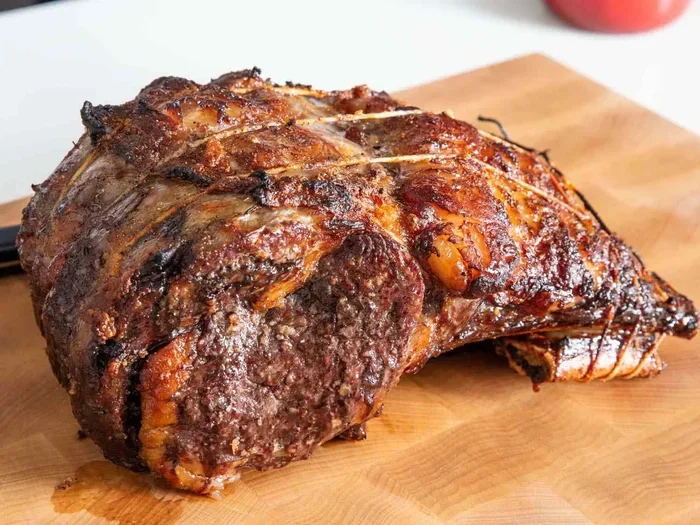
Cooking a prime rib roast at home is easier than you think. This guide walks you through every step, from choosing the perfect cut to nailing the internal temperature. You will learn simple seasoning tricks, oven settings, and resting methods that guarantee a restaurant-quality result. Whether you are a beginner or a seasoned cook, these tips will elevate your beef roast game instantly.
There is nothing quite like a perfectly cooked prime rib roast sitting on your dinner table. The aroma fills the whole house, and the reactions from your guests are always priceless. If you have ever wondered how to cook prime rib roast at home like a pro, you are in the right place.
This guide covers everything you need to know. We will talk about picking the right cut, prepping your roast, cooking times, and temperatures. By the end, you will feel confident enough to tackle this impressive dish on any special occasion. Let us get started.
Key Takeaways
- Choose the right cut: A bone-in standing rib roast delivers the best flavor and presentation for your prime rib roast.
- Dry brine ahead of time: Salting your roast 24 hours before cooking creates a deeper, more flavorful crust.
- Use a meat thermometer: Checking the internal temperature is the single most important step for perfect doneness every time.
- Rest the roast properly: Letting your beef roast rest for at least 20 minutes keeps the juices locked inside.
- Low and slow wins: Roasting at a lower temperature ensures even cooking and a tender, juicy result.
- Slice against the grain: This simple technique makes every slice tender and easy to chew.
- Season simply: Quality beef needs minimal seasoning — just salt, pepper, and garlic go a long way.
📑 Table of Contents
- What Is a Prime Rib Roast and Why It Deserves Your Attention
- Choosing the Right Prime Rib Roast at the Store
- How to Prep Your Prime Rib Roast Like a Pro
- The Best Cooking Method for Prime Rib Roast
- Checking Temperature and Resting Your Roast
- Slicing and Serving Your Prime Rib Roast
- Expert Tips for the Best Prime Rib Roast Every Time
- Frequently Asked Questions About Cooking Prime Rib Roast
- Conclusion
What Is a Prime Rib Roast and Why It Deserves Your Attention
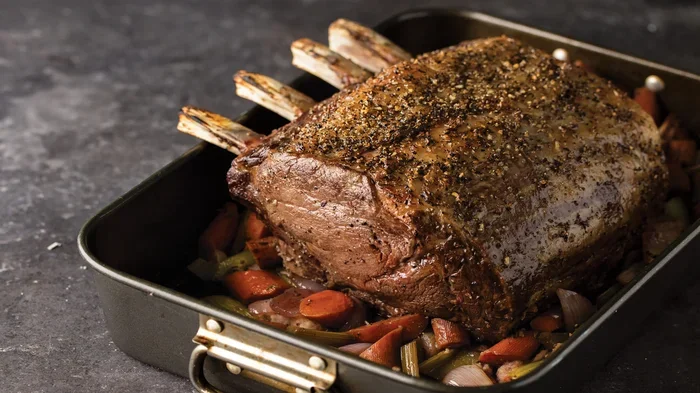
A prime rib roast comes from the primal rib section of the cow. It is also called a standing rib roast because the ribs remain intact during cooking. This cut is well known for its rich marbling, which means fat runs beautifully through the meat. That marbling is what gives you that melt-in-your-mouth texture when done right.
Many people confuse a ribeye roast with a prime rib roast. While they come from the same area, there is a key difference. A prime rib roast is typically larger and includes the bone, while a ribeye roast is usually cut into individual steaks. For a show-stopping centerpiece roast, the bone-in version wins every time.
So why does this cut deserve your attention? First, it is incredibly forgiving to cook. Second, it feeds a crowd easily. Third, the flavor is unmatched. A well-prepared oven roasted beef roast like this one will have everyone asking for seconds.
Bone-In vs Boneless Prime Rib Roast
When shopping for your roast, you will see both bone-in and boneless options. A bone-in prime rib roast adds more flavor during cooking because the bone radiates heat evenly. It also makes a stunning presentation on the table. A boneless version is easier to slice and serves more people per pound, but it can dry out faster if you are not careful.
For beginners, a bone-in roast is the better choice. The bone acts as a natural insulator, protecting the meat from overcooking. It also gives you a built-in handle for turning the roast in the pan.
Choosing the Right Prime Rib Roast at the Store
Picking the right roast at the butcher or grocery store sets the foundation for success. Not all prime rib roasts are created equal, so knowing what to look for makes a big difference.
Here are the key things to check when selecting your beef roast:
- Marbling: Look for fine white streaks of fat throughout the meat. More marbling means more flavor and juiciness.
- Color: The meat should be a bright cherry-red color. Avoid anything that looks brown or gray.
- Fat cap: A thick layer of fat on the outside helps keep the roast moist during cooking.
- Size: Plan for about one pound per person. A three-bone roast feeds roughly six to eight people comfortably.
- Age: Wet-aged or dry-aged beef roasts both work well. Dry-aged has a more concentrated, beefy flavor.
A good rule of thumb is to buy from a trusted butcher whenever possible. They can help you pick the perfect roast for your gathering and may even trim it for you. When comparing prices, remember that a higher-priced prime rib roast often means better quality beef, which means better results with less effort.
How Big Should Your Roast Be?
The size of your roast depends on how many people you are feeding. A standing rib roast with three ribs feeds about four to six people. A five-bone roast works well for eight to ten guests. If you are cooking for a holiday crowd, do not be afraid to go big. Leftover prime rib roast sandwiches the next day are absolutely delicious.
How to Prep Your Prime Rib Roast Like a Pro
Preparation is where the magic begins. Taking the time to prep your roast correctly makes a huge difference in the final result. You do not need fancy techniques — just a few simple steps that anyone can follow.
The Dry Brine Method
Dry brining is the best way to season a beef roast for deep flavor. Here is how to do it the night before you cook:
- Remove the roast from the refrigerator about one hour before brining.
- Pat the surface completely dry with paper towels.
- Rub a generous amount of kosher salt all over the roast.
- Place it uncovered on a wire rack set over a sheet pan.
- Let it sit in the refrigerator overnight.
The salt draws out moisture at first, then gets reabsorbed into the meat. This process seasons the roast from the inside out and creates a beautiful, crispy crust when you cook it. It is one of the best cooking tips for any beef roast you will ever use.
Seasoning Your Roast on Cooking Day
When you are ready to cook, take the roast out of the fridge about 30 minutes early. This lets it come closer to room temperature, which helps it cook more evenly. Then, apply a simple seasoning blend of coarse black pepper, garlic powder, and a little fresh thyme or rosemary if you like.
Keep it simple. The beef is the star. Heavy spice blends can mask the natural flavor of a quality prime rib roast. A light touch with salt and pepper lets the beef shine.
Preheating Your Oven
Preheat your oven to 450°F for the initial sear. This high heat creates a golden-brown crust on the outside, which locks in juices. After the sear, you will drop the temperature down to 325°F for the slow roast phase. This two-stage method is the secret to perfectly cooked prime rib every single time.
The Best Cooking Method for Prime Rib Roast
Now comes the fun part — actually cooking your roast. There are a few methods you can use, but the oven roast method is the most reliable for home cooks. It gives you excellent control and consistent results.
Step-by-Step Oven Roasting Guide
Follow these steps for a foolproof oven roasted prime rib roast:
- Place a rack inside a large roasting pan. If you have a V-rack, even better.
- Set the roast fat-side up on the rack. This allows the fat to baste the meat as it cooks.
- Put the roast in the preheated 450°F oven for 15 minutes to sear.
- After 15 minutes, reduce the oven temperature to 325°F.
- Continue roasting until the internal temperature reaches your target doneness.
- Remove the roast and let it rest before slicing.
Cooking time per pound varies depending on how well-done you like your roast. For medium-rare, expect about 15 to 18 minutes per pound. For medium, add a few extra minutes. Always rely on the internal temperature rather than a timer alone.
Prime Rib Roast Temperature Guide
Knowing your target temperatures is essential for serving prime rib roast at the perfect level of doneness. Here is a quick reference table:
| Doneness | Pull Temperature | Final Temperature After Resting |
|---|---|---|
| Rare | 120°F | 125°F |
| Medium Rare | 125°F | 130°F |
| Medium | 135°F | 140°F |
| Medium Well | 145°F | 150°F |
| Well Done | 155°F | 160°F |
Remember that the temperature will rise about 5 to 10 degrees after you pull the roast from the oven. This is called carryover cooking, and it is why you should always pull the roast a few degrees early. A good instant-read meat thermometer is your best friend here.
Slow Roasting for Extra Tender Results
If you prefer an even more tender result, try the reverse sear method. Start roasting at a low temperature of 225°F until the internal temperature is about 10 degrees below your target. Then crank the oven up to 450°F for a quick 10-minute sear. This method gives you the most even doneness from edge to edge, with a gorgeous crust on the outside.
This slow roast approach works especially well for larger roasts. It gives you more control and reduces the risk of overcooking the outer layers while waiting for the center to catch up.
Checking Temperature and Resting Your Roast
This step is so important that it deserves its own section. Many home cooks skip resting, and it costs them a juicy, tender roast. Do not make that mistake.
Why Resting Matters
When you cook a beef roast at high heat, the juices get pushed toward the center. If you slice into it right away, all those juices run out onto the cutting board. Resting allows the juices to redistribute evenly throughout the meat. The result is a much juicier, more flavorful bite.
For a prime rib roast, rest for at least 20 minutes before slicing. If your roast is very large, give it 30 minutes. Tent it loosely with aluminum foil to keep it warm without trapping too much steam, which can soften that beautiful crust you worked hard to create.
How to Use a Meat Thermometer Correctly
Insert the thermometer into the thickest part of the roast, avoiding the bone. The bone conducts heat differently than the meat and can give you a false reading. Check the temperature in at least two spots for accuracy. A digital instant-read thermometer gives you the fastest and most reliable results.
Pro tip: do not leave the thermometer in the roast during resting. Pull it out, note the temperature, and let the carryover heat do its work. This small habit makes a noticeable difference in your final result.
Slicing and Serving Your Prime Rib Roast
You have done the hard work. Now it is time to slice and serve your masterpiece. How you cut the roast affects the texture and the overall experience for your guests.
The Right Way to Slice
Always slice against the grain of the meat. The grain is the direction the muscle fibers run. Cutting against them shortens the fibers, making each bite more tender and easier to chew. If you slice with the grain, even a perfectly cooked roast can feel tough.
For a bone-in roast, start by slicing along the bone to remove the ribs. Then cut the slices about half an inch thick. Aim for uniform thickness so every piece cooks at the same rate on the plate.
Serving Suggestions
A classic prime rib roast pairs wonderfully with simple sides. Think creamy mashed potatoes, roasted vegetables, and a rich pan gravy made from the drippings. A sharp horseradish sauce on the side adds a nice kick that complements the beef beautifully.
If you have leftovers, do not throw them away. Prime rib roast makes incredible sandwiches the next day. Simply slice the cold roast thin, pile it on toasted bread with a little horseradish mayo, and enjoy.
Common Mistakes to Avoid
Even experienced cooks make mistakes with prime rib roast. Here are a few to watch out for:
- Skipping the dry brine: This step adds so much flavor and helps create that perfect crust.
- Overcooking the roast: Always pull the roast early and let carryover cooking finish the job.
- Not resting the roast: Slicing too early means losing precious juices.
- Using a dull knife: A sharp knife gives you clean slices and a much better presentation.
- Cooking from cold: Letting the roast sit at room temperature for 30 minutes before cooking promotes more even roasting.
Avoiding these simple mistakes will put you ahead of most home cooks. You will serve a prime rib roast that looks and tastes like it came from a fine dining restaurant.
Expert Tips for the Best Prime Rib Roast Every Time
Here are some bonus tips from experienced cooks and chefs that take your roast to the next level:
- Use a roasting pan with a rack. Elevating the roast allows hot air to circulate around it evenly, preventing soggy bottoms.
- Save the drippings. The pan drippings from your oven roasted beef roast make the best gravy you will ever taste.
- Let the roast come to room temperature. This reduces cooking time and promotes even doneness throughout.
- Do not skip the sear. That initial high-heat phase creates the flavorful crust that makes prime rib roast so special.
- Invest in a good meat thermometer. It removes all the guesswork and takes the stress out of cooking a large roast.
- Plan for leftovers. A prime rib roast reheats beautifully and makes amazing sandwiches, hash, and even tacos the next day.
These small adjustments do not add much effort but make a significant difference in your final result. Think of them as the finishing touches that turn a good roast into a great one.
Frequently Asked Questions About Cooking Prime Rib Roast
How long does it take to cook a prime rib roast?
A typical prime rib roast takes about 3 to 4 hours total, including the initial sear and slow roast phase. The exact time depends on the size of the roast and your target doneness. A good rule is about 15 to 18 minutes per pound for medium-rare. Always use a meat thermometer to confirm doneness rather than relying solely on a timer.
Should I cover my prime rib roast with foil while cooking?
No, you should not cover the roast during cooking. Leaving it uncovered allows the heat to circulate freely around the meat, which creates a better crust and more even browning. You only need to tent it loosely with foil during the resting period to keep it warm while the juices redistribute.
What is the difference between prime rib and ribeye?
A prime rib roast is a large, bone-in cut from the rib section, while a ribeye is typically cut into individual steaks from the same area. The prime rib roast includes the bone and more surrounding meat, making it ideal for roasting a crowd. A ribeye steak is great for individual servings but does not have the same dramatic presentation as a whole roast.
Can I cook prime rib roast from frozen?
It is not recommended to cook a prime rib roast from frozen. Thawing it in the refrigerator for 24 to 48 hours before cooking gives you much better control over the cooking process. Cooking from frozen leads to uneven cooking, with the outside potentially overcooking while the center is still thawing. Always thaw your roast safely in the refrigerator.
What temperature should prime rib roast be cooked to?
For the best results, pull your prime rib roast at 125°F for rare, 130°F for medium-rare, or 135°F for medium. Remember that the temperature will rise another 5 to 10 degrees during resting due to carryover cooking. Using a reliable instant-read meat thermometer is the single most important tool for nailing the perfect temperature every time.
How do I make gravy from the prime rib roast drippings?
Making gravy from the drippings is simple and adds a restaurant-quality touch to your meal. Pour off excess fat from the roasting pan, leaving the brown bits behind. Add a cup of beef broth and scrape up the browned bits from the bottom of the pan. Simmer for a few minutes, thicken with a cornstarch slurry if desired, and season with salt and pepper. The result is a rich, savory gravy that pairs perfectly with your prime rib roast.
Conclusion
Cooking a prime rib roast at home does not have to be intimidating. With the right cut, a simple dry brine, and a reliable thermometer, you can achieve results that rival any steakhouse. The key is patience — take your time with prep, cook low and slow, and never rush the resting phase.
A perfectly cooked prime rib roast is one of the most rewarding dishes you can make. It brings people together, impresses your guests, and fills your home with an incredible aroma. Follow the steps in this guide, and you will be serving up a stunning beef roast that everyone will remember.
Now go pick out that perfect roast, fire up your oven, and enjoy the process. You have got this, and your prime rib roast will absolutely be a hit.