Learn How to Cook Steak in a Frying Pan Like a Pro
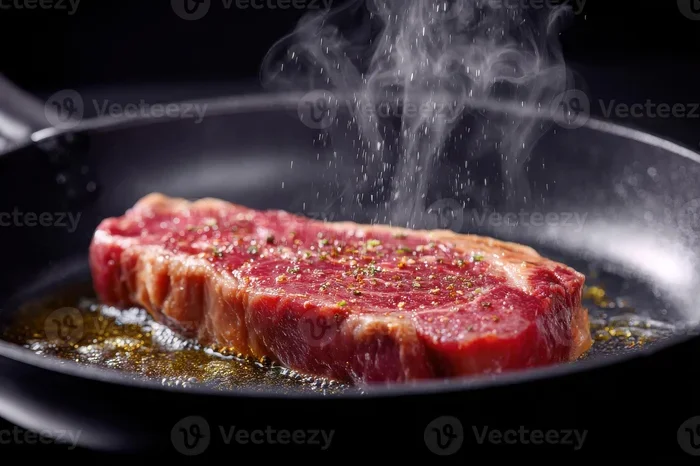
Learning how to cook steak in a frying pan is easier than you think. With the right cut, proper seasoning, and high heat, you can achieve a restaurant-quality steak at home. This guide walks you through every step, from choosing your beef to letting it rest before serving.
There is something deeply satisfying about cooking a great steak in a frying pan. The sizzle. The aroma. That first perfect cut that reveals a juicy, tender interior. Whether you are a beginner in the kitchen or a seasoned home cook, learning how to cook steak in a frying pan is a skill that will serve you well for the rest of your life.
Many people think you need a fancy grill or a professional kitchen to get great steak results. But the truth is, a simple frying pan and a few basic techniques can produce incredible pan-seared steak right on your stovetop. In this guide, we will walk you through every step of the process. You will learn how to select the best cut, season it properly, sear it to perfection, and serve it like a true pro.
After you finish getting in shape on a treadmill, there is nothing better than refueling with a perfectly cooked steak. Good nutrition and great cooking go hand in hand when you live an active lifestyle. And the best part? You do not need any special equipment. Just a good frying pan and a quality piece of beef.
Key Takeaways
- Choose the right cut: Ribeye, strip steak, and filet mignon are the best options for pan cooking.
- Pat your steak dry: Removing moisture is the key to getting a crispy, golden crust.
- Use high heat and the right oil: Avocado oil or vegetable oil handles high temperatures best.
- Let your steak rest: Resting for 5 to 8 minutes keeps all those juicy flavors locked in.
- Use a kitchen thermometer: This is the only reliable way to know your steak doneness.
- Butter basting adds richness: A simple technique that elevates your steak to the next level.
- Avoid common mistakes: Don’t skip seasoning, overcrowd the pan, or cut into your steak too early.
📑 Table of Contents
Why Cooking Steak in a Frying Pan Is the Best Method
Grilling gets a lot of attention, but cooking steak in a frying pan has some real advantages. First, you have more control over the heat. You can adjust the temperature instantly. Second, you can use butter basting to add incredible flavor and richness. Third, it works year round, rain or shine, no matter what the weather is doing outside.
When you sear a steak in a hot pan, you trigger the Maillard reaction. This is a chemical process that creates those beautiful brown flavors and aromas we all love. It is the same reaction that gives bread its golden crust and roasted coffee its deep flavor. By mastering this reaction in a frying pan, you unlock a whole new level of cooking.
Many people who have a treadmill in an apartment also love cooking steak in their kitchen. Apartment living does not mean sacrificing great meals. A frying pan fits perfectly on any stovetop, and you can cook a steak in just minutes. It is fast, efficient, and absolutely delicious.
Cast Iron vs. Stainless Steel
Not all frying pans are created equal when it comes to cooking steak. Two materials stand out above the rest.
- Cast iron skillets: These retain heat incredibly well. They create an even, consistent sear across the entire surface of your steak. If you own a cast iron skillet, this is your best tool for the job.
- Stainless steel pans: These heat up quickly and are easy to clean. They work well for searing steak too, though they may not hold heat as evenly as cast iron.
Avoid non-stick pans for steak. They cannot handle the high heat you need, and they will not give you that crispy, golden crispy crust that makes a great steak so special.
Choosing the Right Steak and Pan
Before you start cooking, you need to pick the right beef steak. The cut you choose will determine the flavor, texture, and overall result. Here are the best options for frying pan cooking.
| Steak Cut | Thickness | Best For | Flavor Profile |
|---|---|---|---|
| Ribeye | 1 to 1.5 inches | Rich, juicy flavor | Buttery, beefy, marbled |
| Strip Steak | 1 to 1.5 inches | Balanced taste and texture | Robust, slightly chewy |
| Filet Mignon | 1.5 to 2 inches | Tender, lean option | Mild, delicate, buttery |
| Sirloin | 1 to 1.5 inches | Budget-friendly option | Bold, slightly lean |
Look for steaks that are at least one inch thick. Thinner cuts cook too quickly and are easy to overcook. Thicker steaks give you more room for error and allow for a beautiful sear without burning the outside before the inside is done.
When it comes to your pan, remember that high heat cooking is essential. You want a pan that can handle temperatures of 450 to 500 degrees Fahrenheit without warping. A heavy-bottomed pan distributes heat more evenly, which leads to better results every time.
Preparing Your Steak for the Perfect Sear
Preparation is where the magic begins. Taking the time to prep your steak properly makes a huge difference in the final result. Here is exactly what you need to do before the steak ever touches the pan.
Step 1: Pat Your Steak Dry
This is the single most important step people skip. Use paper towels to thoroughly pat dry steak on all sides. Moisture is the enemy of a good sear. When wet steak hits a hot pan, it steams instead of sizzles. You want that beautiful crispy crust, and dry meat is the key to getting it.
Step 2: Season Generously
Keep your steak seasoning simple and effective. Coarse salt and freshly ground black pepper are all you need for a classic result. Apply the seasoning generously to both sides at least 40 minutes before cooking. This gives the salt time to penetrate the meat and draw out moisture, which you then pat dry again.
Some cooks prefer to season right before cooking. Both methods work, but the 40-minute approach produces more flavorful results. If you want to get creative, add garlic powder, smoked paprika, or a touch of onion powder to your blend.
Step 3: Bring the Steak to Room Temperature
Take your steak out of the refrigerator 30 to 45 minutes before cooking. Letting it sit on the counter brings it closer to room temperature. This ensures more even cooking throughout the steak. A cold steak hitting a hot pan will cook unevenly, with a burnt outside and a cold center.
Step-by-Step: How to Cook Steak in a Frying Pan
Now for the fun part. Here is the complete process for cooking a perfect steak in your frying pan. Follow these steps carefully, and you will be amazed at the results.
Step 1: Heat the Pan
Place your frying pan on the stove over high heat. Let it get ripping hot for 2 to 3 minutes. You want to see a faint shimmer in the pan. You should feel the heat when you hold your hand a few inches above the surface. This high temperature is what creates the Maillard reaction and that beautiful crispy crust.
Add a high-smoke-point oil like avocado oil, grapeseed oil, or vegetable oil. Do not use olive oil for searing. It has a low smoke point and will burn at the temperatures you need. Swirl the oil around the pan to coat it evenly.
Step 2: Place the Steak in the Pan
Lay the steak in the pan away from you to avoid any oil splatter. You should hear an immediate, aggressive sizzle. If you do not hear that sizzle, your pan is not hot enough. Wait for it.
Resist the urge to move the steak around. Let it cook undisturbed for 3 to 4 minutes on the first side. Moving it too early will prevent a good sear from forming. Trust the process.
Step 3: Flip and Butter Bast
Use kitchen tongs to flip the steak. Once it is on the second side, reduce the heat to medium. Add a tablespoon of butter, a couple of crushed garlic cloves, and a sprig of fresh thyme if you have it. Tilt the pan slightly and use a spoon to butter baste the steak repeatedly. This technique adds incredible flavor and helps cook the top evenly.
Continue cooking for another 2 to 4 minutes depending on how thick your steak is and how done you want it. Use a kitchen thermometer inserted into the thickest part of the steak for the most accurate results.
Step 4: Check the Temperature
Here is a quick reference for steak doneness temperatures measured at the thickest part:
- Rare: 120 to 125 degrees Fahrenheit
- Medium Rare: 130 to 135 degrees Fahrenheit
- Medium: 140 to 145 degrees Fahrenheit
- Medium Well: 150 to 155 degrees Fahrenheit
- Well Done: 160 degrees Fahrenheit and above
Remember that the temperature will rise 5 to 10 degrees after you remove the steak from the pan. This is called carryover cooking, and it is important to account for it.
Step 5: Rest the Steak
This step is non-negotiable. Transfer your steak to a cutting board and let it rest for steak at least 5 to 8 minutes. During resting, the juices redistribute throughout the meat. If you cut into it too early, all those juices run out onto the board instead of staying in the steak where they belong.
Some people ask about the reverse sear method. This involves cooking the steak low and slow first, then finishing with a hot sear. It works well for very thick cuts, but for a standard frying pan steak, the method above is faster and produces excellent results.
Step 6: Slice and Serve
When your steak has rested, use a sharp knife to slice against the grain. Cutting against the grain makes the steak more tender and easier to chew. Serve it immediately with your favorite sides. A simple wedge of lemon, some flaky sea salt, and a drizzle of the pan juices are all you need to elevate the experience.
Much like learning how to use a treadmill in an apartment, cooking steak in a frying pan is all about technique and patience. Master the basics, and everything else becomes easier with practice.
Common Mistakes to Avoid
Even experienced home cooks make mistakes when frying steak. Here are the most common errors and how to avoid them.
- Using a cold pan: A cold pan means no sear. Always preheat your pan properly before adding the steak.
- Skipping the dry pat: Wet steak steams instead of sears. Always pat your meat dry with paper towels.
- Overcrowding the pan: If you are cooking more than one steak, give each piece plenty of space. Overcrowding drops the pan temperature and causes steaming.
- Using the wrong oil: Olive oil and butter burn at high temperatures. Stick to oils with high smoke points like avocado or vegetable oil.
- Cutting too early: Cutting into your steak to check doneness releases all those precious juices. Use a thermometer instead.
- Not resting the steak: Skipping the rest time is the fastest way to end up with a dry steak. Be patient and let the juices redistribute.
Avoiding these mistakes alone will put you ahead of most home cooks. Each one of them is easy to fix once you know what to look for.
Expert Tips for Next-Level Results
Once you have mastered the basics, try these advanced techniques to take your pan-seared steak to the next level.
- Dry brine overnight: Salt your steak and leave it uncovered in the fridge overnight. This draws out moisture, which gets reabsorbed, seasoning the meat deeply and creating an even better crust.
- Use compound butter: Mix softened butter with garlic, herbs, and a pinch of salt. Place a dollop on top of your rested steak and let it melt down the sides.
- Double sear method: Sear both sides, then finish in a 400-degree oven for 3 to 5 minutes. This gives you perfect edge-to-edge doneness.
- Let the pan do the work: Do not press down on the steak with a spatula. Pressing squeezes out juices and prevents a good crust from forming.
These tips might seem small, but they make a noticeable difference in flavor and texture. Try them one at a time and see which ones work best for you.
Frequently Asked Questions
What is the best steak cut for frying pan cooking?
Ribeye and strip steak are the top choices for frying pan cooking. They have great marbling, which keeps the meat juicy and adds incredible flavor. Filet mignon is the best option if you prefer a leaner, more tender steak. Choose a cut that is at least one inch thick for the best results.
Do I need a cast iron skillet to cook steak in a frying pan?
No, you do not need cast iron, but it helps. Cast iron retains heat better and gives you a more consistent sear. A heavy stainless steel pan works well too. The most important thing is that your pan is hot before the steak goes in. Any sturdy frying pan that can handle high heat will do the job.
How long should I cook a steak in a frying pan per side?
For a one-inch thick steak cooked over high heat, 3 to 4 minutes per side gives you a medium-rare result. Thicker steaks need a bit longer, about 4 to 5 minutes per side. Use a kitchen thermometer to check the internal temperature rather than relying on time alone. Every steak and every pan is slightly different.
Can I cook steak in a non-stick frying pan?
It is not recommended. Non-stick pans cannot handle the extremely high heat needed for a proper sear. They also tend to develop scratches over time, and high heat can damage the non-stick coating. Use a cast iron skillet or stainless steel pan instead for the best results and better durability.
How do I know when my steak is done without a thermometer?
The touch test is an old-school method where you press the center of the steak with your finger. A rare steak feels soft and squishy, while a well-done steak feels firm. However, a kitchen thermometer is far more accurate and takes the guesswork out entirely. It is a small investment that pays off every time you cook.
Should I add butter or oil to the pan before cooking?
Use oil with a high smoke point, like avocado oil or vegetable oil, for the initial sear. Butter has a low smoke point and will burn at the high temperatures needed for searing. You can add butter later for butter basting once you have flipped the steak and reduced the heat slightly. This gives you the rich flavor of butter without the risk of burning.
Conclusion
Learning how to cook steak in a frying pan is one of the most rewarding skills you can develop in the kitchen. It is fast, it is satisfying, and the results are always impressive. With the right cut, proper seasoning, high heat, and a little patience, you can produce steak that rivals any restaurant on your very own stovetop.
Remember the key steps: pat your steak dry, season generously, preheat your pan until it is smoking hot, sear without moving, butter bast for extra richness, and always let your steak rest before cutting. Avoid the common mistakes, try the expert tips, and soon enough, cooking steak will feel like second nature.
Whether you are cooking for yourself after a workout or preparing a special meal for friends and family, a perfectly fried steak never disappoints. Grab your frying pan, pick out a great cut of beef, and start cooking. You have got this.