Prime Rib Roasting Time Chart for Perfect Results Every Time
A prime rib roasting time chart is your go-to tool for nailing the perfect roast every single time. This guide breaks down cooking times by weight, temperature, and desired doneness so you never have to guess again. Whether you are a beginner or a seasoned cook, you will find actionable tips, expert insights, and a clear step-by-step plan. We cover everything from selecting the right cut to carving like a pro. Use this chart to impress your guests with a show-stopping prime rib.
There is nothing quite like a perfectly roasted prime rib sitting on the holiday table. The aroma fills the house, the meat is juicy and tender, and everyone gathers around wanting a slice. But getting that perfect roast is not always easy. Many people struggle with timing, temperature, and knowing exactly when to pull the roast out of the oven. That is where a prime rib roasting time chart becomes your best friend. Whether you are cooking for a small family dinner or a big holiday gathering, having a reliable chart takes all the guesswork out of the process. In this guide, we walk you through everything you need to know to roast prime rib like a pro.
If you have ever stood in front of an oven watching the clock tick, wondering if your roast is done, you are not alone. Cooking a prime rib roast beef can feel intimidating, especially if you have never done it before. But the truth is, with the right information and a simple chart to follow, it is one of the most rewarding things you can cook. A prime rib roast chart gives you clear times and temperatures based on the size of your roast. Think of it as your personal cooking guide that takes the stress out of meal prep. Let us dive into everything you need to know.
Key Takeaways
- Know your roast size: The prime rib roasting time chart depends heavily on the weight of your cut. Plan for about 15 to 20 minutes per pound at 325°F.
- Internal temperature is king: Always use a meat thermometer. Target 120°F for rare, 130°F for medium-rare, and 140°F for medium.
- Resting time matters just as much as cooking time: Let your prime rib rest for at least 20 to 30 minutes before carving to lock in the juices.
- Avoid common mistakes: Skipping the sear, overcooking, and not letting the meat come to room temperature before roasting are the top errors home cooks make.
- Timing your purchase is key: Just as knowing when is the best time to buy a treadmill saves you money, buying your prime rib in advance from a quality butcher ensures the best cut.
- Season simply and well: A good dry rub of salt, pepper, garlic, and rosemary goes a long way in enhancing the natural flavor of the beef.
- Use the chart as a starting point: Every oven is different. Adjust times based on your oven’s accuracy and the shape of your roast.
📑 Table of Contents
Understanding Prime Rib Cuts and Sizes
Before you even think about timing, you need to understand the cut you are working with. Prime rib, also known as standing rib roast, comes from the primal rib section of the cow. It is one of the most prized cuts of beef because of its rich marbling and incredible flavor. The size of your roast will directly affect your cooking time, which is exactly why a prime rib roast time chart is so important.
What Makes Prime Rib Special
Prime rib is special because of the fat marbling running through the meat. This fat melts during cooking, basting the roast from the inside out. The result is a tender, juicy, and deeply flavorful piece of beef that is hard to beat. When you are shopping for a prime rib, look for cuts with good white marbling throughout. The bones also add flavor, so a bone-in roast is often preferred for special occasions. A prime rib cooking guide always starts with choosing the right cut, and this is where it begins.
Choosing the Right Size Roast
The size of your roast determines how long it will take to cook. A general rule of thumb is to plan for about one pound of bone-in prime rib per person. So if you are hosting eight guests, look for an eight-pound roast. Here is a quick breakdown of how prime rib size cooking time works:
- Small roast (3 to 4 pounds): Serves 3 to 4 people. Cooks faster and is great for intimate gatherings.
- Medium roast (5 to 7 pounds): Serves 5 to 7 people. This is the most popular size for holiday dinners.
- Large roast (8 to 10 pounds): Serves 8 to 10 people. Perfect for big family events and celebrations.
- Extra large roast (10+ pounds): Serves 10 or more. These roasts require extra attention to ensure even cooking.
Keep in mind that bone-in roasts take a bit longer than boneless ones. The bone acts as insulation, which slows down the cooking process slightly. If you are using a prime rib per pound cooking time estimate, always factor in whether your roast has bones.
Prime Rib Roasting Time Chart
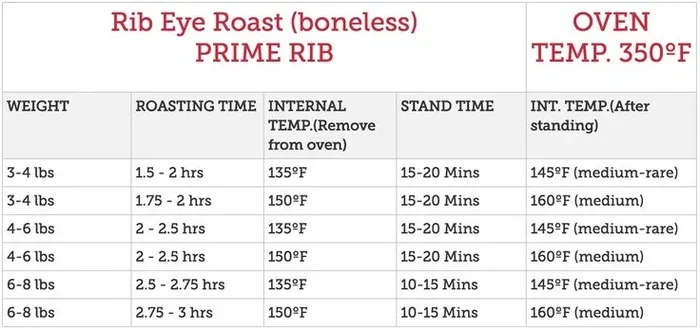
This is the heart of the guide. A prime rib roasting time chart gives you a clear, at-a-glance reference for how long to cook your roast based on its weight and your desired level of doneness. Use the chart below as your starting point, and always confirm with a meat thermometer for the most accurate results.
Time by Weight and Temperature
The chart below assumes you are roasting at 325°F, which is the most common and recommended temperature for prime rib. Times are estimates for a bone-in roast. Remember that every oven is different, so use these numbers as a guide, not a hard rule.
For a slow roast prime rib approach, some cooks prefer a lower temperature of 250°F, which takes longer but can produce incredibly tender results. If you go this route, simply add about 30 to 40 minutes per pound to the times listed above. The low and slow method is great if you have the time and want a very tender roast with a beautiful pink center.
Rare, Medium-Rare, and Well-Done Timings
The beef roast timing also depends on how done you want your meat. Here is how the prime rib roast chart breaks down by doneness:
- Rare (120 to 125°F internal): This is the most popular choice for prime rib. The center is bright red and very juicy. Plan for about 15 to 17 minutes per pound at 325°F.
- Medium-Rare (130 to 135°F internal): This is the sweet spot for most people. The center is pink and warm, with a wonderful balance of juice and flavor. Plan for about 17 to 19 minutes per pound.
- Medium (140 to 145°F internal): The center is pink but less red. This is a good choice if you have guests who prefer their beef more cooked. Plan for about 19 to 21 minutes per pound.
- Well-Done (150°F and above internal): This is not generally recommended for prime rib because it can dry out the meat. But if you have guests who prefer it well-done, plan for about 22 to 24 minutes per pound.
Always remember that the prime rib internal temperature will rise by about 5 to 10 degrees after you take the roast out of the oven. This is called carryover cooking, and it is why experienced cooks pull the roast out a few degrees before the target temperature. If you want medium-rare at 135°F, pull the roast at 125 to 130°F and let it rest.
Essential Equipment and Preparation
Great prime rib starts long before it hits the oven. Proper preparation and having the right tools make all the difference. Just as knowing when is the best time to buy a treadmill ensures you get the right equipment for your fitness journey, having the right kitchen tools sets you up for roasting success.
Tools You Will Need
You do not need a lot of fancy equipment to roast prime rib, but a few key tools will make the process much smoother:
- A good meat thermometer: This is the single most important tool. Do not rely on oven timers alone. A digital probe thermometer gives you real-time readings and takes the guesswork out of the equation.
- A roasting pan with a rack: The rack allows air to circulate around the roast, which promotes even cooking. If you do not have a rack, you can use vegetables like onions and carrots as a bed for the roast.
- A sharp carving knife: You will need a sharp knife to slice the roast cleanly after cooking. A dull knife will tear the meat and cause it to lose juices.
- Aluminum foil: You will use this to tent the roast during resting, which helps it retain moisture.
Seasoning Your Prime Rib
Seasoning is simple but important. The best prime rib seasoning lets the natural flavor of the beef shine. A classic dry rub includes coarse salt, freshly ground black pepper, minced garlic, and dried rosemary or thyme. Apply the seasoning at least one hour before cooking, or even the night before. Some cooks like to sear the roast before roasting, which adds a beautiful brown crust. However, searing is optional and not strictly necessary for a great result.
Step-by-Step Roasting Guide
Now that you have your roast and your chart ready, it is time to cook. This step-by-step guide walks you through the entire process from start to finish. Think of this as your prime rib cooking guide for the day of the roast.
Preheating and Temperature Settings
Start by preheating your oven to 325°F. While the oven is warming up, take your prime rib out of the refrigerator and let it sit on the counter for about one to two hours. This brings the meat closer to room temperature, which helps it cook more evenly. Skipping this step can lead to a roast that is brown on the outside but still cold in the center.
Some people wonder about timing their oven preheat and other cooking tasks. It is a bit like figuring out when is the best time to use a treadmill for your workout — timing everything right makes the whole process smoother and more efficient.
Monitoring Internal Temperature
Once your oven is preheated, place the seasoned roast on the rack in your roasting pan. Insert the meat thermometer into the thickest part of the roast, making sure it does not touch the bone. The bone conducts heat differently than the meat, and touching it with the thermometer can give you a false reading.
Now comes the waiting game. If you have ever wondered how to make time go faster on a treadmill during a long workout, you know the feeling of watching the clock. The same applies here. Use this time to prepare your sides, set the table, or simply relax. Check the temperature every 20 to 30 minutes as you get closer to the target time.
When the thermometer reads about 5 to 10 degrees below your target doneness temperature, it is time to pull the roast out. Remember the carryover cooking effect. The roast will continue to rise in temperature as it rests, so pulling it early is the secret to perfect results every time.
Resting and Carving Your Prime Rib
This is the step most people skip, and it is the step that makes the biggest difference. Resting your prime rib after cooking is absolutely essential. During cooking, the juices in the meat get pushed toward the center by the heat. If you cut into the roast immediately, all those juices will run out onto the cutting board, and your roast will be dry and less flavorful.
Why Resting Matters
Let the roast rest for at least 20 to 30 minutes before carving. Tent it loosely with aluminum foil to keep it warm while it rests. During this time, the juices redistribute throughout the meat, and the internal temperature stabilizes. If you have ever wondered what to do to pass time while your roast rests, this is the perfect opportunity to plate your sides, make a gravy from the pan drippings, or set out appetizers for your guests.
How to Carve Like a Pro
Carving prime rib is easier than it looks. Here are a few tips to get clean, beautiful slices every time:
- Identify the grain: Look at the roast and find the direction of the muscle fibers. You want to slice perpendicular to the grain for the most tender bite.
- Slice against the bone: For bone-in roasts, slice along the bone, cutting between each rib. This gives you clean portions with a bit of bone attached.
- Use a sharp knife: A sharp carving knife glides through the meat without tearing it. If your knife is dull, the slices will be messy and the meat will lose juices.
- Slice to desired thickness: For prime rib, aim for slices about a half-inch thick. This is thick enough to hold together but thin enough to be tender.
The prime rib carving process should be calm and unhurried. Your guests will appreciate the presentation, and the slices will look beautiful on the plate.
Common Mistakes to Avoid
Even experienced cooks can make mistakes when roasting prime rib. Here are the most common errors and how to avoid them:
- Skipping the room temperature rest: Putting a cold roast straight into the oven leads to uneven cooking. Always let it sit out for one to two hours before roasting.
- Relying on the oven timer alone: Oven timers are not thermometers. Always use a meat thermometer to check the internal temperature. This is the single most important tip in any prime rib cooking guide.
- Overcooking the roast: It is better to pull the roast out a little early and let carryover cooking do the rest. You can always put it back in for a few more minutes, but you cannot undo an overcooked roast.
- Not seasoning enough: Prime rib has a natural, rich flavor, but it still needs good seasoning. Do not be shy with the salt and pepper.
- Cutting too soon: Resist the urge to cut into the roast right away. Let it rest for at least 20 minutes so the juices can redistribute.
- Ignoring your oven’s hot spots: Every oven has areas that run hotter or cooler. Rotating the roast halfway through cooking can help ensure even results.
By avoiding these mistakes, you set yourself up for a prime rib that is juicy, tender, and full of flavor. A reliable prime rib roasting time chart combined with careful attention to these details will give you restaurant-quality results right in your own kitchen.
Final Thoughts and Serving Suggestions
Roasting a prime rib is one of those cooking achievements that truly impresses. Whether you are preparing it for a holiday feast, a birthday celebration, or a special weekend dinner, the prime rib roasting time chart is your roadmap to success. Start with the right size roast, season it simply, monitor the internal temperature closely, and give it plenty of time to rest before carving.
Pair your prime rib with classic sides like roasted potatoes, grilled asparagus, or a fresh green salad. A simple pan gravy made from the roasting juices ties everything together beautifully. With practice and the right chart, you will be able to roast prime rib with confidence and consistency every single time. So fire up your oven, invite your guests, and enjoy the process of creating something truly special.
The beauty of using a prime rib roast chart is that it takes the mystery out of roasting. You know exactly what to expect, when to check the temperature, and when to pull the roast. This frees you up to enjoy the occasion and spend time with your loved ones instead of worrying over the oven. Once you master this method, you will never go back to guessing again.
Frequently Asked Questions
What is the best internal temperature for prime rib?
The best internal temperature depends on your preference. For rare, aim for 120 to 125°F. For medium-rare, which is the most popular choice, target 130 to 135°F. Always pull the roast a few degrees early and let carryover cooking bring it up to the final temperature.
How long should prime rib rest before carving?
Let your prime rib rest for at least 20 to 30 minutes after taking it out of the oven. Tent it loosely with aluminum foil to keep it warm. This resting period allows the juices to redistribute, resulting in a much more tender and flavorful roast.
Can I cook prime rib from frozen?
It is not recommended to cook prime rib from frozen. Thawing the roast in the refrigerator for 24 to 48 hours before cooking ensures more even cooking and better results. Cooking from frozen can lead to an overcooked exterior and a raw center.
What is the difference between prime rib and ribeye?
Prime rib is a large, bone-in roast cut from the rib section of the cow, while a ribeye is a smaller, boneless steak cut from the same area. Prime rib is typically roasted whole, whereas ribeye is cooked as individual steaks on a grill or in a pan.
Do I need to sear prime rib before roasting?
Searing is optional but recommended if you want a flavorful brown crust on the outside of your roast. Sear all sides of the roast in a hot skillet with a little oil before transferring it to the oven. This step adds color and depth of flavor but is not required for a great result.
How many people does a 5-pound prime rib feed?
A 5-pound bone-in prime rib typically feeds about 5 to 6 people. Plan for roughly one pound per person if you are serving it as the main course with sides. If you are offering a buffet-style meal with multiple options, you may be able to stretch it a bit further.