How to Eat a Pomegranate Without Making a Huge Mess
Learning how to eat a pomegranate without making a mess is easier than you think. This guide walks you through every method, from scoring and soaking to using simple kitchen tools. You will discover the best techniques, helpful tips, and common mistakes to avoid so you can enjoy every seed mess-free.
Have you ever stood at the kitchen counter holding a pomegranate, dreading the red juice that seemed to find every surface? You are not alone. Learning how to eat a pomegranate without turning your kitchen into a crime scene is a skill worth mastering. This fruit is packed with antioxidants, vitamins, and a sweet-tart flavor that makes it worth the effort. In this guide, we will walk you through every method, tip, and trick so you can enjoy every seed without the stress.
Whether you are new to this fruit or have tried and failed a few times, this article covers everything. We will explore the best deseeding methods, storage tricks, and creative ways to enjoy pomegranate in your daily meals. By the end, you will feel confident enough to tackle any pomegranate like a pro. Let us dive in.
Key Takeaways
- Score and soak method: The easiest way to deseed a pomegranate with minimal mess and maximum yield.
- Water technique works great: Submerging the fruit helps separate seeds from the membrane cleanly.
- Use the right tools: A sharp knife, wooden spoon, and bowl make the process simple and fast.
- Store properly: Keep seeds fresh in the fridge for up to five days or freeze for longer use.
- Avoid common mistakes: Skip the white membrane and never squeeze too hard to prevent staining.
- Pair with healthy snacks: Pomegranate seeds complement smoothies, salads, and yogurt perfectly.
- Start with ripe fruit: A heavy, deep-colored pomegranate is easier to handle and tastes better.
📑 Table of Contents
- Why Pomegranate Is Worth the Effort
- The Best Methods to Deseed a Pomegranate
- Tools You Need for a Mess-Free Experience
- How to Store Pomegranate Seeds Properly
- Creative Ways to Enjoy Pomegranate
- Common Mistakes to Avoid When Eating Pomegranate
- Expert Tips for the Best Pomegranate Experience
- Final Thoughts
Why Pomegranate Is Worth the Effort
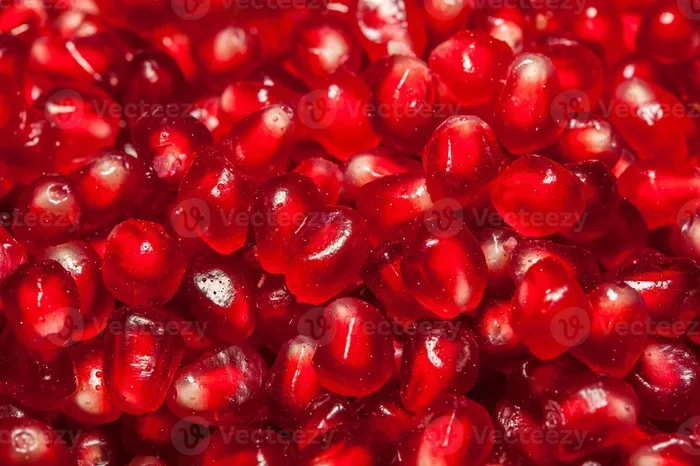
Pomegranate is one of the most nutrient-dense fruits on the planet. The tiny red seeds, called arils, are loaded with pomegranate antioxidants, vitamin C, and fiber. People have eaten this fruit for thousands of years, and for good reason. It supports heart health, boosts immunity, and tastes incredible.
But here is the challenge. How to eat a pomegranate without making a mess is not always obvious. The outer skin is tough, and the inner membrane holds the seeds tightly. If you just bite into it, you will end up with juice on your hands, clothes, and countertop. That is why learning the right technique matters so much.
Pomegranate Nutrition at a Glance
- Calories: About 144 per cup of seeds
- Fiber: 7 grams per serving
- Vitamin C: 30% of the daily value
- Potassium: Helps with muscle function and hydration
- Antioxidants: Three times more than green tea
These numbers alone should make you want to add pomegranate to your diet. And the good news is that once you learn the right pomegranate preparation method, it becomes second nature.
The Best Methods to Deseed a Pomegranate
There are several ways to remove the seeds from a pomegranate. Some methods are faster, while others are cleaner. Below, we break down the most popular and effective techniques for pomegranate deseeding.
Method 1: The Score and Soak Technique
This is the most popular method and works well for beginners. Start by cutting the pomegranate in half horizontally. You will see the seeds arranged in compartments inside. Use a sharp knife to score the surface in a cross pattern, being careful not to cut too deep.
Next, fill a large bowl with cool water. Submerge the scored halves and gently pull the seeds apart with your fingers. The seeds will sink to the bottom, and the white membrane will float to the top. This makes cleanup simple and keeps your hands stain-free.
Pro tip: Use a wooden spoon to gently tap the back of the skin. This helps release the seeds faster and more efficiently.
Method 2: The Water Submersion Method
If the score and soak method feels too fiddly, try the full submersion approach. Cut the pomegranate into quarters and place them directly into a bowl of water. Let them sit for about five minutes. Then, use your fingers to gently separate the seeds from the membrane while they are underwater.
The water does two things. First, it prevents juice splashes. Second, it makes it easy to see and remove any remaining pieces of white pith. Drain the water and pat the seeds dry with a paper towel before eating or storing.
Method 3: The Spoon Whack Method
This method is fast and fun. Take a halved pomegranate and hold it seed-side down over a bowl. Use a wooden spoon to firmly tap the back of the fruit. The seeds will pop right out and fall into the bowl. It is almost like magic.
This technique works best when the pomegranate is ripe and the seeds are plump. If the fruit is too dry, the seeds may not release easily. Always choose a heavy pomegranate with smooth, deep-red skin for the best results.
Tools You Need for a Mess-Free Experience
You do not need fancy equipment to eat a pomegranate cleanly. A few basic kitchen tools make the process much easier and faster.
- A sharp knife: A thin, serrated blade cuts through the skin without crushing the seeds inside.
- A wooden spoon: The rounded edge is perfect for tapping out seeds without damaging them.
- A large mixing bowl: Gives you room to work and catch all the seeds.
- A colander or strainer: Makes rinsing and draining the seeds quick and simple.
- Paper towels or a clean kitchen towel: Useful for drying seeds and wiping up any stray drips.
Having these tools ready before you start will save you time and frustration. Set up your workspace on a surface that is easy to wipe down, like a cutting board or a tray. This keeps your countertop clean and makes the whole process smoother.
How to Store Pomegranate Seeds Properly
Once you have deseeded your pomegranate, proper storage keeps the seeds fresh and flavorful. Nobody wants to throw away perfectly good pomegranate because of poor storage.
For short-term storage, place the seeds in an airtight container and keep them in the refrigerator. They will stay fresh for up to five days. If you want to keep them longer, spread the seeds on a baking sheet and freeze them. Once frozen, transfer them to a freezer bag. They will last for up to six months.
Quick tip: Frozen pomegranate seeds make a great addition to smoothies and oatmeal. You can use them straight from the freezer without thawing. This is perfect for anyone who likes to meal prep or keep healthy snacks ready to go.
Creative Ways to Enjoy Pomegranate
Now that you know how to deseed and store pomegranate, let us talk about how to actually eat it. There are so many delicious ways to enjoy this fruit beyond just eating the seeds on their own.
Pomegranate in Smoothies
Toss a handful of pomegranate seeds into your morning smoothie for a burst of color and nutrition. They pair beautifully with banana, mango, and yogurt. If you follow a kettlebell weight loss program or any fitness routine, pomegranate is a great addition to your post-workout smoothie.
Pomegranate on Salads
Add pomegranate seeds to green salads for a sweet and crunchy contrast. They go especially well with spinach, feta cheese, walnuts, and a simple balsamic vinaigrette. This makes a great side dish or light lunch option.
Pomegranate as a Snack
Sometimes the simplest way is the best way. Just eat the seeds straight from the bowl. They are naturally sweet, juicy, and satisfying. If you are looking for a healthy snack that supports an active lifestyle, pomegranate seeds are hard to beat.
Pomegranate Juice and Drinks
If you prefer drinking your pomegranate, you can blend the seeds and strain out the pulp. Fresh pomegranate juice is delicious on its own or mixed with sparkling water and a squeeze of lime. It is a refreshing alternative to sugary store-bought drinks.
Common Mistakes to Avoid When Eating Pomegranate
Even experienced fruit eaters make mistakes with pomegranate. Here are the most common errors and how to avoid them.
- Cutting too deep: If you cut all the way through the fruit, you will crush the seeds and create a juice mess. Always score lightly and pull the sections apart by hand.
- Skipping the water: Trying to deseed a pomegranate dry almost always leads to splashing. Use water whenever possible for a cleaner experience.
- Ignoring the white membrane: The white pith tastes bitter and should be removed. Leave it floating in the water and discard it before eating the seeds.
- Using a dull knife: A dull blade requires more force, which increases the chance of slipping and making a mess. Keep your knife sharp.
- Not wearing an apron: Even with the best technique, some juice may splash. Protect your clothes with a simple apron or old shirt.
Avoiding these mistakes will make your pomegranate eating experience much more enjoyable. Start with these basics and you will notice a big difference right away.
Expert Tips for the Best Pomegranate Experience
Here are some extra insights from people who eat pomegranate regularly and know what works best.
- Choose heavy fruit: A heavy pomegranate means it is full of juicy seeds. Light fruit may be dry or overripe.
- Look for deep color: The skin should be rich and dark red. Avoid fruits with cracks, bruises, or faded coloring.
- Room temperature ripening: If your pomegranate feels firm, leave it on the counter for a day or two. It will soften and become easier to deseed.
- Rinse seeds before eating: Even after deseeding, give the seeds a quick rinse in a colander. This removes any remaining bits of membrane.
- Pair with protein: Eating pomegranate seeds with nuts or cheese creates a balanced snack that keeps you full longer.
These small adjustments can take your pomegranate game from average to excellent. Once you try them, you will wonder how you ever ate this fruit without them.
Final Thoughts
How to eat a pomegranate without making a huge mess comes down to technique and preparation. Whether you choose the score and soak method, the water submersion technique, or the spoon whack approach, the key is to be patient and use the right tools. Once you get the hang of it, deseeding a pomegranate takes just a few minutes and leaves you with a bowl full of beautiful, nutritious seeds.
Remember to store your seeds properly, avoid the common mistakes we covered, and experiment with different ways to enjoy this superfood. Pomegranate is one of the most rewarding fruits you can add to your diet. It is healthy, delicious, and surprisingly easy once you know what you are doing.
So the next time you see a pomegranate at the store or farmer’s market, grab one with confidence. You now have all the skills and knowledge to handle it like a pro. Enjoy every seed, and do it without the mess.
Frequently Asked Questions
Is it safe to eat the white membrane inside a pomegranate?
The white membrane is bitter and not very pleasant to eat. It is best to remove it during the deseeding process. Most people discard it along with the outer skin before enjoying the seeds.
Can you eat the entire pomegranate including the skin?
No, the skin is tough and not meant to be eaten. Only the red seeds, called arils, are consumed. The skin is typically removed during the deseeding process and discarded.
How long do pomegranate seeds last in the refrigerator?
Fresh pomegranate seeds stay good in the refrigerator for up to five days when stored in an airtight container. For longer storage, freeze them and they will last up to six months.
Why does pomegranate juice stain so easily?
Pomegranate juice contains deep pigments called anthocyanins. These natural compounds give the fruit its rich red color but also make it prone to staining fabrics and surfaces. Always work on a protected surface when handling pomegranate.
Can you freeze pomegranate seeds?
Yes, freezing pomegranate seeds is a great way to preserve them. Spread them on a baking sheet first, freeze until solid, then transfer to a freezer bag. They keep well for up to six months.
What is the best time of year to buy pomegranates?
Pomegranates are in season from September through February. During these months, you will find the freshest and most flavorful fruits at grocery stores and farmers markets.