Can You Do a Lat Pulldown with Dumbbells
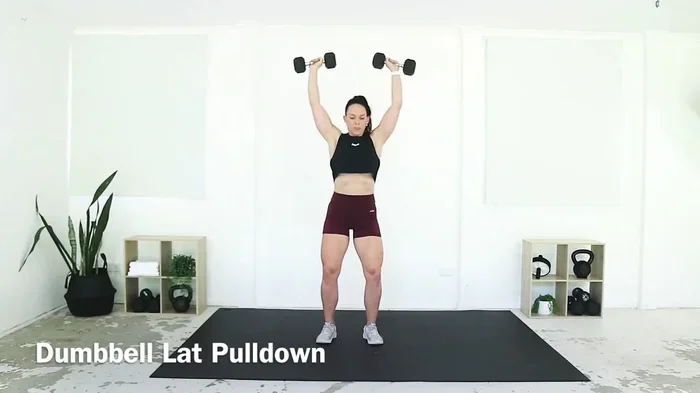
Yes, you can do a lat pulldown with dumbbells! While a cable machine is the classic tool for this exercise, dumbbells offer a versatile and effective alternative that targets your latissimus dorsi muscles just as well. In this guide, we will walk you through every step, from proper form to common mistakes, so you can build a wider, stronger back no matter where you train.
You have probably seen people at the gym pulling a cable bar down to their chest and thought, “Can I do that with dumbbells instead?” The short answer is yes. A lat pulldown with dumbbells is not only possible but also incredibly effective for building a wider, stronger back. Whether you are working out at home with limited equipment or just prefer the freedom of free weights, dumbbells can deliver serious results for your lat muscles.
The latissimus dorsi, commonly known as the lats, are the largest muscles in your upper body. They play a key role in pulling movements, shoulder stability, and overall back width. Many people rely on cable machines for lat pulldowns, but dumbbells offer unique advantages. They allow a greater range of motion, engage stabilizing muscles, and give you more flexibility in how you train. In this article, we will cover everything you need to know about performing this exercise correctly, avoiding mistakes, and getting the most out of your dumbbell back workout.
Key Takeaways
- Dumbbell lat pulldowns work the same muscles: The dumbbell version effectively targets the latissimus dorsi, just like a cable machine.
- Proper form is essential: Maintaining the right posture and range of motion prevents injury and maximizes results.
- Multiple variations exist: You can adjust grip, angle, and position to target different parts of your back.
- Dumbbells are a great home gym tool: You do not need expensive machines to build a strong, wide back.
- Common mistakes can limit progress: Avoid swinging, rounding your back, and using too much weight for best results.
- Complement with other back exercises: Pair dumbbell lat work with rows and pull-overs for a complete back routine.
📑 Table of Contents
- Can You Do A Lat Pulldown With Dumbbells?
- Muscles Worked During a Dumbbell Lat Pulldown
- Step-by-Step Guide to Performing a Dumbbell Lat Pulldown
- Common Mistakes to Avoid
- Variations and Progressions for Dumbbell Lat Pulldowns
- Benefits of Training Lats with Dumbbells
- Sample Dumbbell Lat Workout Routine
- How to Progress Over Time
- Final Thoughts
Can You Do A Lat Pulldown With Dumbbells?
The short answer is absolutely yes. A dumbbell lat pulldown mimics the movement pattern of a cable lat pulldown but uses free weights instead. You can perform this exercise by lying on a flat bench or standing with a slight lean, pressing your arms overhead, and bringing the dumbbells down toward your chest. The movement primarily targets the latissimus dorsi, but it also engages the teres major, rhomboids, and rear deltoids.
One of the biggest advantages of using dumbbells is the freedom of movement. Unlike a cable machine that forces a fixed path, dumbbells let your joints move naturally. This can reduce stress on your shoulders and elbows. Additionally, dumbbells force your core and stabilizing muscles to work harder, which means you get more bang for your buck. If you are following a full body workout with dumbbells, adding a lat-focused movement is a smart move.
How the Movement Compares to a Cable Pulldown
A cable lat pulldown keeps constant tension on the lats throughout the entire range of motion. A dumbbell version, on the other hand, has a slight shift in tension because gravity pulls straight down. However, this difference can actually be beneficial. The changing angle of resistance challenges the muscles in a slightly different way, which can promote new growth and strength gains.
Both exercises are excellent for building back width. If you do not have access to a cable machine, a pair of dumbbells is more than enough to develop strong, defined lats. For those who train at home, dumbbells are one of the most versatile pieces of equipment you can own. They allow you to target every major muscle group, including your back, chest, shoulders, and legs.
Muscles Worked During a Dumbbell Lat Pulldown
Understanding which muscles you are working helps you train smarter and avoid imbalances. The dumbbell lat pulldown is a compound movement, meaning it activates multiple muscle groups at once. Here is a breakdown of the primary and secondary muscles involved.
Primary Muscles
- Latissimus Dorsi: The large, flat muscles of your back that give your torso its V-shaped appearance. These are the main target of the exercise.
- Teres Major: A small muscle located beneath the lat that assists in shoulder extension and internal rotation.
Secondary Muscles
- Posterior Deltoids: The rear portion of your shoulder caps, which help control the lowering and pulling phase.
- Rhomboids: Located between your shoulder blades, these muscles help retract the scapulae during the movement.
- Lower Trapezius: Works to stabilize your shoulder blades as you pull the dumbbells down.
- Biceps Brachii: Your upper arms assist in the pulling motion, especially when using a shoulder-width or narrow grip.
- Core Muscles: Your abs and obliques engage to keep your torso stable, especially when performing the exercise standing or on an incline bench.
This makes the dumbbell lat pulldown a highly efficient exercise. You are not just training your lats; you are building overall upper body strength and coordination. For a more complete dumbbell back workout, consider pairing this movement with bent over rows and dumbbell pull-overs.
Step-by-Step Guide to Performing a Dumbbell Lat Pulldown
Getting the form right is the most important part of any exercise. Poor form leads to wasted effort and a higher risk of injury. Follow these steps carefully to get the most out of every rep.
Step 1: Set Up Your Position
Lie flat on a bench with your feet firmly planted on the floor. Hold a dumbbell in each hand with your arms extended straight above your shoulders. Your palms should face each other or face forward, depending on the variation you prefer. Keep your back pressed flat against the bench and your core tight. This is your starting position.
Step 2: Lower the Dumbbells with Control
Slowly bend your elbows and bring the dumbbells down toward the sides of your chest. Keep your elbows slightly tucked and your wrists firm. Do not let the dumbbells drift too far forward or outward. The movement should feel controlled and deliberate. Take about two to three seconds to lower the weights.
Step 3: Pull Back to the Starting Position
Squeeze your lats as you bring the dumbbells back up to the starting position. Focus on pulling your elbows down and back rather than simply lifting the weights. Pause briefly at the top and feel the contraction in your back muscles. Avoid locking your elbows completely at the top to keep tension on the lats.
Step 4: Repeat for Reps
Aim for 10 to 15 repetitions per set. Complete 3 to 4 sets with rest of 60 to 90 seconds between sets. As you get stronger, you can increase the weight gradually. Always prioritize form over lifting heavier dumbbells.
Quick Tip: If you do not have a bench, you can perform this exercise standing with a slight forward lean. Just keep your back straight and core engaged throughout the movement. This standing variation also activates your core more, making it a great addition to any full body workout with dumbbells.
Common Mistakes to Avoid
Even with the best intentions, it is easy to make mistakes when performing a dumbbell lat pulldown. These errors can reduce the effectiveness of the exercise and increase your risk of injury. Here are the most common mistakes and how to fix them.
Mistake 1: Using Too Much Weight
Lifting too heavy is the number one mistake people make with this exercise. When the weight is too heavy, your body compensates by swinging, using momentum, and relying on other muscles like your biceps and shoulders. This takes the focus away from your lats and increases the chance of strain. Start with a moderate weight and focus on feeling the lats work throughout the entire movement.
Mistake 2: Rounding Your Back
A rounded back puts unnecessary pressure on your spine and reduces the activation of your lat muscles. Whether you are lying on a bench or standing, keep your back in a neutral position. Your shoulders should be pulled back and down, and your chest should be lifted slightly. If you start to lose this posture, it is a sign that the weight is too heavy or you have reached the end of your set.
Mistake 3: Swinging the Dumbbells
Using momentum to swing the dumbbells up and down is a quick way to cheat the exercise. This not only reduces the work done by your lats but also puts stress on your lower back and shoulders. Move slowly and with purpose. Each rep should take about three to four seconds total, with a brief squeeze at the top.
Mistake 4: Flaring Your Elbows Too Wide
Letting your elbows flare out too much shifts the workload to your chest and shoulders instead of your lats. Keep your elbows slightly tucked and pointed toward your hips as you lower the dumbbells. Think about pulling your elbows down toward your pockets rather than out to the sides.
Mistake 5: Partial Range of Motion
Some people only lower the dumbbells halfway, which limits the stretch and contraction of the lats. For maximum benefit, lower the dumbbells until your upper arms are roughly parallel to the floor or slightly below. A full range of motion ensures that the muscles are fully engaged from start to finish.
Variations and Progressions for Dumbbell Lat Pulldowns
Once you have mastered the basic form, you can add variety to keep your workouts challenging and engaging. Here are some effective variations that target the lats from different angles.
Incline Bench Lat Pulldown
Set your bench to a 30 to 45 degree incline and perform the exercise while lying back. This changes the angle of resistance and places extra emphasis on the upper portion of the lats. It also increases the stretch at the bottom of the movement, which can help with muscle activation.
Single-Arm Dumbbell Lat Pulldown
Perform the exercise one arm at a time. This allows you to focus on each side individually, which helps correct imbalances. It also increases the demand on your core for stability. Use a lighter weight than you would for the two-arm version and maintain strict form throughout.
Neutral Grip vs. Pronated Grip
A neutral grip (palms facing each other) is gentler on the shoulders and emphasizes the outer portion of the lats. A pronated grip (palms facing forward) places more emphasis on the lower lats and biceps. Try both grips across different workouts to hit the lats from multiple angles.
Tempo Training
Slow down the eccentric (lowering) phase of the movement to three or four seconds. This increases time under tension, which is a key driver of muscle growth. You can also add a one-second pause at the bottom of each rep to maximize the stretch on the lats.
For those who want to train their lats at home without a bench, you can also explore dumbbell pullovers and single-arm dumbbell rows. These exercises complement the lat pulldown perfectly and help you build a complete back. Check out our guide on how to do a lat pulldown at home with dumbbells for more detailed instructions and tips.
Benefits of Training Lats with Dumbbells
Using dumbbells for your lat workouts comes with several advantages over machines and cables. Here are the key benefits that make dumbbells a great choice for back training.
Greater Range of Motion
Dumbbells allow your joints to move through a natural path, which means you can achieve a deeper stretch and a stronger contraction compared to a fixed machine. This increased range of motion can lead to better muscle development over time.
Improved Stabilization
Because dumbbells are free weights, your body must recruit stabilizing muscles to control the movement. This means your core, rotator cuff, and smaller back muscles all get worked in addition to the lats. The result is more balanced strength and better functional fitness.
Accessibility and Convenience
Not everyone has access to a cable machine or a full gym. A pair of adjustable dumbbells can fit in a small room and still provide an incredible back workout. You can train your lats anytime, without waiting for machines or dealing with crowded gym floors. If you are building a home gym, dumbbells should be at the top of your list.
Unilateral Training Opportunities
Dumbbells make it easy to train one side of your body at a time. This is incredibly useful for identifying and correcting strength imbalances. If your left lat is weaker than your right, single-arm dumbbell exercises will help you close the gap.
Joint-Friendly Training
Dumbbells allow your shoulders and elbows to move in a natural pattern, which reduces the stress that can come from fixed-path machines. For people who experience discomfort during cable pulldowns, the dumbbell alternative can be a much more comfortable option.
To build a well-rounded physique with just dumbbells, it is important to train all major muscle groups. Pair your lat work with chest presses, shoulder raises, rows, and squats. For more inspiration, check out our article on can you build a good body with just dumbbells for a complete training plan.
Sample Dumbbell Lat Workout Routine
Here is a simple and effective workout routine you can add to your next session. This routine targets your lats from multiple angles and can be completed in about 20 minutes.
- Dumbbell Lat Pulldown (lying on flat bench): 4 sets of 10 to 12 reps
- Single-Arm Dumbbell Row: 3 sets of 10 reps per side
- Dumbbell Pullover: 3 sets of 12 reps
- Incline Dumbbell Lat Pulldown: 3 sets of 10 to 12 reps
Rest for 60 to 90 seconds between sets. Focus on squeezing your lats at the top of every rep and controlling the weight on the way down. Over time, gradually increase the weight or add an extra set to continue progressing. This routine works well as part of an upper body day or a full body workout with dumbbells.
How to Progress Over Time
Progressive overload is the key to building strength and muscle. Here are simple ways to progress your dumbbell lat pulldown over weeks and months.
- Increase Weight Gradually: Add 2.5 to 5 pounds every one to two weeks once you can complete all sets with good form.
- Add Reps: Aim to add 1 to 2 reps per set each week until you reach the upper end of your rep range, then increase weight.
- Slow Down the Tempo: Extend the lowering phase to 4 seconds to increase time under tension.
- Add a Pause: Hold the bottom position for 2 seconds to deepen the stretch and increase muscle activation.
- Increase Sets: Move from 3 sets to 4 or 5 sets as your work capacity improves.
Remember, progress does not always mean lifting heavier. Sometimes it means better form, more control, and a stronger mind-muscle connection. Focus on quality over quantity, and your lats will grow over time.
Final Thoughts
So, can you do a lat pulldown with dumbbells? Absolutely. This exercise is a fantastic alternative to the cable version and offers unique benefits that can take your back training to the next level. Whether you are a beginner just starting out or an experienced lifter looking for variety, the dumbbell lat pulldown belongs in your routine.
The key is to focus on proper form, avoid common mistakes, and progressively challenge yourself over time. Pair this exercise with other back movements like rows and pull-overs for a complete dumbbell back workout that builds width, strength, and definition. You do not need a fancy gym or expensive machines to build a strong, wide back. A pair of dumbbells and the right knowledge are all you need.
Start adding the dumbbell lat pulldown to your next workout and feel the difference it makes. Your lats will thank you. For more dumbbell-based exercises and training tips, explore our other resources on full body workouts with just dumbbells and building a good physique with only dumbbells.
Frequently Asked Questions
Can I build a wide back with just dumbbells?
Yes, you can absolutely build a wide back using only dumbbells. Exercises like the dumbbell lat pulldown, dumbbell rows, and dumbbell pull-overs target the latissimus dorsi effectively. Consistency, proper form, and progressive overload are the keys to building back width with dumbbells.
Are dumbbell lat pulldowns as effective as cable lat pulldowns?
Both exercises are highly effective for targeting the lats. Dumbbells offer a greater range of motion and engage stabilizing muscles, while cables provide constant tension throughout the movement. Using both in your routine can give you the best of both worlds and promote balanced back development.
What weight should I use for a dumbbell lat pulldown?
Start with a weight that allows you to complete 10 to 15 reps with proper form. The weight should feel challenging by the last few reps but should not cause you to sacrifice form. As you get stronger, gradually increase the weight in small increments of 2.5 to 5 pounds.
Can beginners do a lat pulldown with dumbbells?
Yes, beginners can absolutely perform this exercise. It is a beginner-friendly movement that does not require advanced technique. Start with light dumbbells, focus on learning the proper form, and gradually increase the weight as you become more comfortable and confident with the exercise.
How often should I train my lats with dumbbells?
Training your lats once or twice per week is sufficient for most people. Your muscles need rest to recover and grow between sessions. Aim for at least 48 hours of rest between lat-focused workouts, and make sure you are also training other muscle groups for balanced development.
Can I do a dumbbell lat pulldown if I have shoulder pain?
If you have existing shoulder pain or injuries, consult a doctor or physical therapist before attempting this exercise. The dumbbell lat pulldown can be gentler on the shoulders than a cable version because it allows a more natural movement path. However, using too much weight or poor form can aggravate shoulder issues. Always prioritize comfort and proper alignment.