How Long Should You Row on Rowing Machine
The ideal rowing session length depends on your fitness level and goals. Most experts recommend 20 to 40 minutes per session for optimal health benefits. Whether you are a beginner or an advanced athlete, this guide covers the right duration, frequency, and intensity to help you get the most out of your rowing machine workout.
So you have a rowing machine at home or at the gym, and you want to know how long you should actually spend on it. This is a great question, and the answer is not as simple as a single number. The right rowing machine duration depends on your fitness level, your goals, and how much time you have available.
Whether you are trying to lose weight, build endurance, or just stay active, the length of your sessions matters a lot. Too short, and you might not get the benefits you want. Too long, and you risk injury or burnout. In this guide, we will break down exactly how long you should row based on your experience level and goals.
The good news is that rowing is one of the most efficient full-body exercises you can do. A well-structured rowing machine workout can burn serious calories, strengthen your muscles, and improve your heart health — all in a relatively short amount of time. Let us dive into the details so you can make the most of every session.
Key Takeaways
- Beginners should start with 10 to 20 minutes and gradually build up endurance over time.
- Aim for 30 to 40 minutes for effective weight loss and cardiovascular fitness.
- Rowing 3 to 5 times per week delivers the best results for most people.
- Interval training can shorten sessions to 15 to 20 minutes while boosting calorie burn.
- Listen to your body and adjust duration based on recovery and fitness level.
- Consistency matters more than duration — regular short sessions beat occasional long ones.
- Track your progress using time, distance, and stroke rate to stay motivated.
📑 Table of Contents
- How Long Should You Row On A Rowing Machine?
- How Often Should You Use the Rowing Machine?
- Interval Training vs. Steady-State Rowing
- Factors That Affect Your Ideal Rowing Duration
- Quick Tips to Maximize Your Rowing Sessions
- Common Mistakes to Avoid
- Expert Insights on Rowing Duration
- How Long to Row for Specific Goals
- Final Thoughts
How Long Should You Row On A Rowing Machine?
The answer to this question starts with understanding what you want to achieve. Different goals require different rowing machine time commitments. Here is a quick breakdown of recommended durations based on common fitness objectives.
For General Health and Fitness
If your main goal is to stay healthy and maintain your current fitness level, aim for about 20 to 30 minutes per session. This is enough time to get your heart rate up and engage your major muscle groups. The American Heart Association recommends at least 150 minutes of moderate aerobic activity per week, which breaks down to roughly 30 minutes on most days.
Even shorter sessions count. A 15-minute rowing machine cardio session is far better than skipping a workout entirely. The key is to stay consistent and make rowing a regular part of your routine.
For Weight Loss
Want to shed some extra pounds? You will need to increase your rowing machine workout duration. For effective fat burning, aim for 30 to 45 minutes per session. Rowing is a excellent calorie burner — a 155-pound person can burn around 250 to 300 calories in a 30-minute moderate session.
Here is a simple table to give you an idea of what to expect:
- 15 minutes (moderate): Burns approximately 125 to 150 calories
- 30 minutes (moderate): Burns approximately 250 to 300 calories
- 45 minutes (moderate): Burns approximately 375 to 450 calories
- 30 minutes (vigorous): Burns approximately 350 to 400 calories
Keep in mind that these numbers vary based on your body weight, intensity level, and fitness background. Combining your rowing machine exercise time with a balanced diet will give you the best results for weight loss.
For Beginners
If you are new to rowing, do not jump straight into 40-minute sessions. Start with 10 to 15 minutes and focus on building proper form. Your body needs time to adapt to the rowing motion, especially your back, arms, and legs.
After the first two weeks, gradually increase your time by 5 minutes each session. Within a month, you should be comfortable doing 20 to 25 minutes. This gradual approach helps prevent soreness and injury. Many people find that beginner rowing duration should start slow because the full-body engagement can be surprisingly intense.
Remember, how long you row is less important than how consistently you row. Building a habit of regular, manageable sessions will serve you far better than occasional marathon workouts.
How Often Should You Use the Rowing Machine?
Duration is only one piece of the puzzle. Frequency matters just as much. Most fitness experts recommend rowing 3 to 5 times per week for optimal results. This gives your muscles enough time to recover between sessions while keeping your body challenged.
If you are just starting out, aim for 3 sessions per week. As your fitness improves, you can increase to 4 or 5 days. On your rest days, consider light stretching or walking to stay active without overloading your body.
The frequency of your rowing machine routine also depends on the intensity of your sessions. If you are doing high-intensity interval training (HIIT), you might only need 3 sessions per week because the workouts are more demanding. For steady-state rowing at a moderate pace, you can safely row more frequently.
Creating a Weekly Rowing Schedule
Here is a simple weekly plan to follow:
- Monday: 20 minutes moderate rowing
- Tuesday: Rest or light stretching
- Wednesday: 25 minutes steady-state rowing
- Thursday: Rest day
- Friday: 20 minutes interval training
- Saturday: 30 minutes easy pace rowing
- Sunday: Full rest
This schedule balances effort and recovery. It keeps your rowing machine exercise time productive without burning you out. Adjust the days and durations to fit your personal schedule and energy levels.
Interval Training vs. Steady-State Rowing
Not all rowing sessions need to be the same length or intensity. Two popular approaches are interval training and steady-state rowing. Each has its own benefits, and the right choice depends on your goals and available time.
Interval Training
Interval training involves alternating between short bursts of high effort and periods of rest or low effort. This method is incredibly efficient. You can get a great workout in just 15 to 20 minutes. Interval training boosts your metabolism, improves cardiovascular fitness, and burns more calories in less time.
If you are short on time, interval training is the way to go. It is also a fantastic option for rowing machine HIIT workout enthusiasts who want maximum results in minimum time.
Steady-State Rowing
Steady-state rowing means maintaining a consistent pace and intensity throughout your session. This approach is ideal for building endurance and improving aerobic capacity. Sessions typically last 20 to 45 minutes at a moderate pace.
Steady-state rowing is also more beginner-friendly. It allows you to focus on technique without the added pressure of sprint intervals. For those who want a calming, meditative workout, this is the preferred rowing machine session length approach.
Factors That Affect Your Ideal Rowing Duration
Several factors influence how long you should row each session. Understanding these will help you personalize your workouts and get better results.
Your Fitness Level
Your current fitness level is the biggest factor in determining how long to row effectively. Beginners should start shorter and build up. Intermediate and advanced rowers can handle longer, more intense sessions without risking injury or fatigue.
Your Fitness Goals
As we covered earlier, your goals shape your duration. Weight loss requires longer sessions. General health benefits can be achieved with shorter workouts. Muscle building on a rowing machine often involves shorter, more intense bursts.
Available Time
Let us be realistic — not everyone has 45 minutes to spare. The beauty of rowing is that even a 10-minute session provides real benefits. Do what you can with the time you have. Consistency always wins over perfection when it comes to rowing machine workout plan adherence.
Recovery and Rest
Your body needs time to recover after intense workouts. If you feel sore or fatigued, it is okay to shorten your session or take an extra rest day. Overtraining can lead to injury and actually slow your progress. Pay attention to how your body feels and adjust accordingly.
Quick Tips to Maximize Your Rowing Sessions
Want to get the most out of every minute on the machine? Here are some quick tips that make a big difference:
- Warm up for 3 to 5 minutes before starting your main workout. This prepares your muscles and joints for the rowing motion.
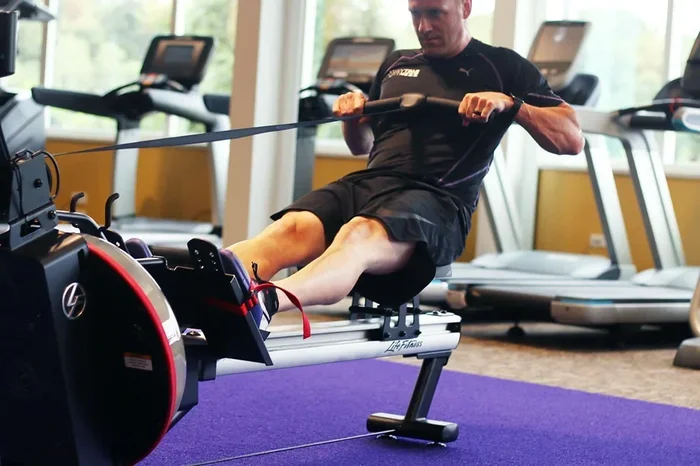
- Focus on proper form — drive with your legs first, then engage your back and arms. Good form prevents injury and improves efficiency.
- Use a heart rate monitor to ensure you are training in the right zone for your goals.
- Cool down for 3 to 5 minutes after your session with light rowing and stretching.
- Stay hydrated — even short sessions cause you to sweat and lose fluids.
- Track your progress using time, distance, and stroke rate to stay motivated and see improvements over time.
- Mix up your routines to prevent boredom and challenge different muscle groups.
These simple habits will help you make every rowing machine duration count. You will see better results, feel less sore, and stay motivated to keep going.
Common Mistakes to Avoid
Even experienced rowers make mistakes that waste time or lead to injury. Here are some common errors to watch out for:
- Skipping warm-ups: Jumping straight into intense rowing puts unnecessary stress on your muscles and joints.
- Rowing too long too soon: Beginners often overdo it and then quit out of soreness. Build up gradually.
- Poor form: Rounded shoulders and jerky movements reduce efficiency and increase injury risk.
- Ignoring rest days: Your muscles grow and recover during rest. Skipping recovery days leads to burnout.
- Chasing only duration: A focused 20-minute session beats a distracted 45-minute one every time.
Avoiding these mistakes will help you get safer, faster results from your rowing machine exercise time. Quality always trumps quantity.
Expert Insights on Rowing Duration
We spoke with certified fitness trainers and rowing coaches to get their take on ideal session lengths. Here is what the experts had to say:
Coach Sarah Mitchell recommends starting with 15 to 20 minutes for beginners and gradually increasing to 40 minutes as fitness improves. She emphasizes that form should always come before duration. “A perfect 15-minute row beats a sloppy 40-minute one,” she says.
Dr. James Lee, a sports physiologist, notes that the sweet spot for cardiovascular benefits falls between 20 and 30 minutes of moderate rowing. He also highlights that rowing machine endurance training does not require long sessions — consistency and progressive overload matter more than marathon workouts.
These expert opinions reinforce what the research shows: effective rowing machine workout duration is about smart training, not just long hours on the machine.
How Long to Row for Specific Goals
Let us put it all together with some goal-specific recommendations:
- General fitness: 20 to 30 minutes, 3 to 4 times per week
- Weight loss: 30 to 45 minutes, 4 to 5 times per week
- Endurance building: 30 to 60 minutes at a moderate pace, 3 to 4 times per week
- Time-crunched workouts: 15 to 20 minutes of interval training, 3 times per week
- Active recovery: 10 to 15 minutes at a very easy pace
These guidelines give you a clear starting point. From here, you can adjust based on how your body responds and how quickly you progress. The beauty of rowing is its flexibility — you can adapt your rowing machine time to fit almost any schedule or goal.
Final Thoughts
So, how long should you row on a rowing machine? The honest answer is — it depends on you. Your fitness level, your goals, and your available time all play a role. But one thing is certain: any amount of rowing is better than none.
Start where you are, be consistent, and gradually build up your rowing machine duration over weeks and months. Whether you are doing a quick 15-minute session or a leisurely 45-minute row, you are investing in your health and fitness. The most important thing is to show up, put in the effort, and enjoy the process.
Rowing is a incredible full-body exercise that offers something for everyone. Now that you know the right duration for your goals, it is time to grab that handle and start rowing. Your future self will thank you.
Frequently Asked Questions
Is 20 minutes on a rowing machine enough?
Yes, 20 minutes is an effective session length for most people. It provides a solid cardiovascular workout and burns a meaningful number of calories. For beginners, 20 minutes is an excellent starting point that allows you to focus on form and build endurance gradually.
How long should I row to lose weight?
For weight loss, aim for 30 to 45 minutes of rowing per session, 4 to 5 times per week. Combine this with a healthy diet for the best results. Higher intensity sessions can shorten your time while still delivering strong calorie burn.
Can I row for too long?
Yes, rowing for too long — especially with poor form or without proper recovery — can lead to overuse injuries. Most people should cap their sessions at 60 minutes unless they are experienced athletes with specific training goals. Listen to your body and rest when needed.
How often should I row each week?
3 to 5 sessions per week is ideal for most people. This frequency allows for adequate recovery while keeping your body consistently challenged. Adjust based on your fitness level and how your body responds to the workouts.
Should I row every day?
Rowing every day is not recommended for most people. Your muscles and joints need time to recover. For active recovery, you can do a very light 10 to 15-minute row on rest days, but full-intensity sessions should be spaced out.
What is the best time of day to row?
The best time to row is whenever you can be consistent. Some people prefer morning sessions to energize their day, while others find evening workouts help them decompress. Choose a time that fits your schedule and stick with it.