What Size Dumbbells Should I Start with Female
Choosing the right size dumbbells as a female beginner can feel overwhelming, but it doesn’t have to be. This guide breaks down the best starting weights based on your fitness level, goals, and experience. You will learn exactly what weight dumbbells a woman should start with for safe and effective strength training.
Starting a strength training journey as a woman comes with a lot of questions. One of the biggest is: what size dumbbells should I start with female? The answer depends on your fitness level, your goals, and the exercises you plan to do. But here is the good news. You do not need to guess. This guide gives you clear, practical advice on choosing the right dumbbell weight for women starting out.
Many beginners make the mistake of picking weights that are too heavy or too light. Too heavy can lead to poor form and injury. Too light and you will not challenge your muscles enough. Finding the sweet spot is key. Whether you want to tone up, build strength, or just feel more confident in the gym, the right starting dumbbell weight for women makes all the difference.
Key Takeaways
- Start Light: Most women should begin with 5 to 10 pound dumbbells to build proper form and confidence.
- Progress Gradually: Increase weight slowly as your strength improves to avoid injury and keep making gains.
- Match Weight to Goal: Toning, building muscle, and endurance training all require different starting dumbbell sizes.
- Listen to Your Body: If an exercise feels too easy or too hard, adjust the weight accordingly.
- Quality Matters: Invest in a good set of adjustable or fixed dumbbells that suit your home gym setup.
- Consistency Wins: Using the right weight regularly matters more than picking the heaviest dumbbells you can find.
📑 Table of Contents
- Why Choosing the Right Dumbbell Size Matters for Women
- What Weight Dumbbells Should a Female Beginner Use
- How to Choose the Best Dumbbell Weight for Your Goals
- Common Mistakes Women Make When Choosing Dumbbell Weight
- Quick Tips for Picking Your First Dumbbell Set
- How to Progress Safely With Your Dumbbell Weights
- Best Dumbbell Exercises for Female Beginners
- Comparing Dumbbell Weights: A Quick Reference
- Final Thoughts on Finding Your Perfect Dumbbell Starting Weight
Why Choosing the Right Dumbbell Size Matters for Women
Your dumbbell size directly affects your workout results. Using the wrong weight can slow your progress or even cause harm. When you pick the right female dumbbell starting weight, every rep counts more. Your muscles get the right amount of challenge without unnecessary strain.
Strength training for women has changed a lot over the years. More women are lifting weights than ever before. But the confusion around beginner dumbbell weight still exists. Many women think they need to start with very light weights or avoid heavy ones altogether. Both ideas are myths. The truth is simpler. You just need to match the weight to where you are right now.
The Role of Dumbbell Weight in Muscle Toning
Toning is one of the top goals for women starting out. To tone your muscles, you need enough weight to fatigue the muscle but not so much that you lose control. A light dumbbell weight for women usually falls between 5 and 15 pounds depending on the exercise. For example, lateral raises work well with lighter weights. Bicep curls might need slightly more. The key is feeling the burn without shaking or swinging the dumbbell.
How Dumbbell Size Affects Form and Safety
Good form is the foundation of every exercise. When your dumbbell weight for female beginners is too heavy, your body compensates. You start using momentum instead of muscle. This leads to sloppy reps and higher injury risk. Starting with a manageable weight lets you focus on technique. Once your form is solid, you can safely increase the load.
What Weight Dumbbells Should a Female Beginner Use
There is no one-size-fits-all answer. But there are strong guidelines that work for most women. Your ideal starting weight for dumbbells as a woman depends on several factors. Let us break them down.
General Weight Ranges for Beginner Women
For most women who are new to strength training, here is a good starting point:
- Upper body exercises like bicep curls and lateral raises: 5 to 10 pounds
- Lower body exercises like goblet squats and lunges: 10 to 20 pounds
- Chest and back exercises like chest presses and rows: 10 to 15 pounds
- Shoulder exercises like overhead press: 5 to 10 pounds
These ranges give you a solid foundation. As you get stronger, you will naturally need heavier dumbbell weights for women. The goal is to find a weight where the last two reps of each set feel challenging but doable.
How Your Fitness Level Changes the Equation
Your current fitness level plays a big role. If you have been active and do some home dumbbell workouts already, you might start a bit higher. On the other hand, if you are completely new to exercise, starting lighter is always smart. There is no shame in picking up a 5-pound dumbbell. Every fitness journey starts somewhere.
Another factor is your body weight. A lighter woman may find 10 pounds challenging for some exercises. A heavier woman might need 15 pounds or more for the same movement. This is completely normal. The best dumbbell weight for women beginner is the one that challenges you without breaking your form.
How to Choose the Best Dumbbell Weight for Your Goals
Different goals require different approaches to female strength training. Let us look at how your goal shapes your starting weight.
For Toning and Endurance
If your goal is to tone up and build endurance, lighter weights with higher reps work best. Start with a weight you can lift for 12 to 15 reps with good form. You should feel your muscles working by the last few reps. If you can easily do 20 reps, the weight is too light. If you cannot make it to 10, the weight is too heavy.
For Building Muscle and Strength
Want to build more muscle? You will need heavier dumbbell weights for female muscle building. Start with a weight you can lift for 8 to 12 reps. The last two reps should feel tough. As you get stronger, add weight gradually. A good rule is to increase by 2 to 5 pounds when you can complete all your sets with proper form.
For Weight Loss and Fat Burning
Dumbbells help with weight loss when combined with a good workout plan. For fat burning, moderate weights with circuit-style training work well. You do not need the heaviest dumbbells for women to burn calories. Consistency and intensity matter more than the number on the weight plate.
Common Mistakes Women Make When Choosing Dumbbell Weight
Avoiding common mistakes saves you time and keeps you safe. Here are the pitfalls to watch out for.
Starting Too Heavy
This is the number one mistake. Many women want to prove they can lift heavy, so they grab the biggest dumbbells in the rack. The result is poor form, shaky reps, and a higher chance of injury. Starting too heavy also leads to burnout. Your muscles get sore for days, and you might skip your next workout. Start lighter than you think you need to. You can always go heavier next time.
Sticking With the Same Weight Too Long
Your body adapts quickly. If you have been using the same dumbbell set for women for months and your workouts feel easy, it is time to upgrade. Progressive overload is the key to getting stronger. This means slowly increasing the weight, reps, or sets over time.
Ignoring Exercise-Specific Needs
Not all exercises use the same weight. You might curl 10-pound dumbbells easily but struggle with 10-pound dumbbells during a chest press. Each muscle group has different strength levels. Pay attention to how each exercise feels and adjust accordingly.
Quick Tips for Picking Your First Dumbbell Set
Here are some practical tips to make your dumbbell selection easier:
- Buy adjustable dumbbells if you want flexibility. They let you change weight quickly and save space at home.
- Start with a pair of 5-pound and a pair of 10-pound dumbbells. This covers most beginner exercises.
- Test the weight before buying. If possible, try a few reps at the gym with different weights.
- Consider your grip. Some dumbbells are easier to hold than others. Comfort matters during longer workouts.
- Look for rubber-coated or neoprene dumbbells. They protect your floors and are quieter for home use.
If you are not sure where to begin, check out this guide on what weight dumbbells should I use female kg beginner for more detailed recommendations based on body type and experience level.
How to Progress Safely With Your Dumbbell Weights
Once you have your starting dumbbell weight for female beginners, the next step is progression. Progression means gradually making your workouts harder over time. This is how you build strength and see results.
The 2-Pound Rule
A simple way to progress is the 2-pound rule. When you can complete all your sets and reps with perfect form, add 2 pounds to each dumbbell. This small increase keeps your muscles challenged without overwhelming them. Over weeks and months, these small jumps add up to big gains.
Track Your Progress
Keep a simple workout log. Write down the weight, reps, and sets for each exercise. After a few weeks, you will see your numbers go up. This is motivating and helps you know when it is time to increase your dumbbell weight for women. Tracking also helps you spot plateaus early so you can adjust your training.
When to Switch to Heavier Weights
You should consider moving to heavier dumbbells for female beginners when your current weight feels too easy during the last few reps of each set. You should also feel recovered and ready for the next workout, not overly sore. A good sign is when you can complete 3 sets of 15 reps without struggling. That is your cue to go up in weight.
For more guidance on how much weight to add and when, check out this resource on how much weight dumbbells should I use as beginner to make smart progression decisions.
Best Dumbbell Exercises for Female Beginners
Knowing your dumbbell weight is only half the battle. You also need the right exercises. Here are some of the best dumbbell exercises for women to start with:
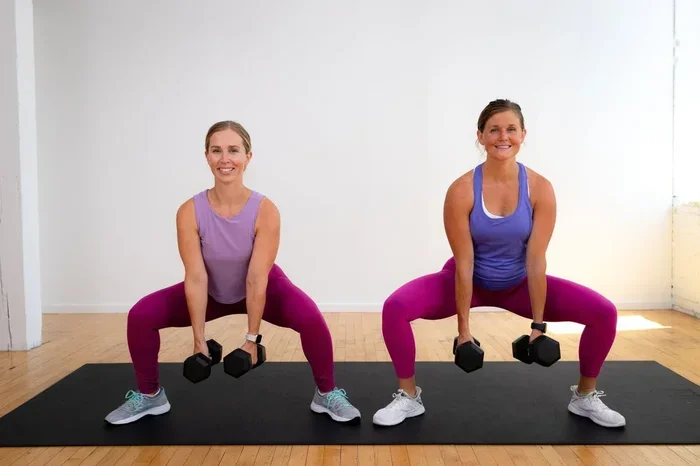
- Goblet Squats — Great for legs and glutes. Hold one dumbbell at your chest and squat down slowly.
- Dumbbell Chest Press — Lie on a bench or floor and press the dumbbells up. Targets your chest and shoulders.
- Bent-Over Rows — Bend forward slightly and pull the dumbbells up to your chest. Works your back and biceps.
- Dumbbell Shoulder Press — Press the dumbbells overhead from shoulder height. Builds strong shoulders.
- Dumbbell Lunges — Step forward and lower your body. Excellent for legs and balance.
- Dumbbell Bicep Curls — Stand tall and curl the dumbbells up slowly. Isolates your biceps.
- Dumbbell Deadlifts — Hinge at the hips and lower the dumbbells toward the floor. A full-body movement.
For each exercise, start with the lighter end of the weight range. Focus on controlled movements. Squeeze your muscles at the top of each rep. Lower the weight slowly on the way down. This approach builds strength and muscle effectively.
Want more exercise ideas? Here is a helpful guide on what is the best weight to start with dumbbells that covers exercise selection and weight recommendations in detail.
Comparing Dumbbell Weights: A Quick Reference
Use this table as a quick reference when choosing your starting dumbbell size for women:
| Fitness Level | Upper Body Weight | Lower Body Weight | Rep Range |
|---|---|---|---|
| Complete Beginner | 5-8 lbs | 8-12 lbs | 12-15 reps |
| Intermediate Beginner | 10-15 lbs | 15-25 lbs | 10-12 reps |
| Advanced Beginner | 15-20 lbs | 20-30 lbs | 8-10 reps |
Remember, these are starting points. Your body is unique. What works for one woman may not work for another. Trust how your body feels and adjust from there.
Final Thoughts on Finding Your Perfect Dumbbell Starting Weight
Choosing the right dumbbell size for women starting out does not have to be complicated. Start with a weight that challenges you but lets you maintain good form. Progress slowly and consistently. Listen to your body and adjust as you get stronger. The best dumbbell weight for a female beginner is the one you will actually use.
Strength training is one of the best things you can do for your body and mind. It builds confidence, boosts metabolism, and creates a stronger foundation for everyday life. The journey starts with picking up the right pair of dumbbells. So go ahead, find your starting weight, and take that first step toward a stronger you.
Frequently Asked Questions
What size dumbbells should a woman start with for toning?
For toning, most women should start with 5 to 10 pound dumbbells for upper body exercises and 10 to 15 pounds for lower body movements. Focus on higher reps (12 to 15) with good form. The weight should feel challenging by the last few reps but not so heavy that you lose control.
Can I start strength training with 5 pound dumbbells as a woman?
Absolutely. Five-pound dumbbells are a great starting point for complete beginners. They help you learn proper form and build a foundation of strength. As you get stronger, you can gradually increase the weight. Starting light is always better than starting too heavy and risking injury.
How do I know if my dumbbell weight is too light?
If you can easily complete all your sets and reps without feeling challenged, the weight is probably too light. You should feel your muscles working by the last two or three reps of each set. If the workout feels too easy, it is time to increase the weight by 2 to 5 pounds.
Should I buy adjustable or fixed dumbbells as a beginner?
Adjustable dumbbells are a great choice for beginners because they let you change weight easily and save space. Fixed dumbbells are simpler and often more durable. Choose based on your budget, available space, and how quickly you expect to progress in your training.
How often should a female beginner lift dumbbells?
Most women can start with two to three strength training sessions per week. Allow at least one rest day between sessions for the same muscle groups. Consistency is more important than intensity. Showing up regularly with the right weight will deliver better results than pushing too hard too soon.
Is 10 pounds heavy for a female beginner?
Ten pounds can be a solid starting weight for many upper body exercises, but it depends on the movement and your fitness level. For exercises like lateral raises, 10 pounds might be too heavy. For exercises like squats or lunges, 10 pounds might feel too light. Always match the weight to the specific exercise and your current strength level.
=== CONCLUSION ===
Finding the right what size dumbbells should I start with female answer comes down to understanding your body, your goals, and your current fitness level. Start with a weight that challenges you without compromising your form. Use the guidelines in this article as a roadmap, and adjust as you grow stronger. The journey of female strength training is personal and rewarding. Pick the right dumbbell weight for women, stay consistent, and enjoy the process of getting stronger every day.