How Heavy Are the Dumbbells You Lift Abs

Choosing the right dumbbell weight for your abs is crucial for building a strong core. The ideal dumbbell abs workout depends on your fitness level, goals, and the specific exercise you perform. This guide breaks down how heavy the dumbbells you lift abs should be, with practical recommendations for beginners and advanced lifters alike.
When you think about building a strong core, dumbbells for abs might not be the first thing that comes to mind. But here is the truth: adding weight to your ab exercises can seriously transform your results. The question most people ask is simple: how heavy are the dumbbells you lift abs should be? The answer is not one-size-fits-all. It depends on your fitness level, the exercise you are doing, and what you want to achieve.
Many beginners grab the heaviest dumbbell they can find and start swinging it around. That is a fast track to bad form and potential injury. On the other hand, using weights that are too light will not challenge your muscles enough to grow. Finding the sweet spot is key. In this article, we will walk you through everything you need to know about dumbbell weight for abs, from choosing the right load to performing the best exercises safely.
Whether you are just starting out or looking to push past a plateau, understanding how heavy the dumbbells you lift abs should be will help you train smarter. Let us dive in.
Key Takeaways
- Start Light, Progress Gradually: Beginners should begin with lighter dumbbells and increase weight over time to avoid injury.
- Weight Varies by Exercise: Different ab exercises require different dumbbell weights for optimal results.
- Proper Form Matters More Than Heavy Weight: Using the right technique prevents strain and maximizes muscle engagement.
- Consistency Beats Heavy Lifting: Regular training with moderate weights builds stronger abs than occasional heavy sessions.
- Listen to Your Body: If an exercise feels too easy or too hard, adjust the weight accordingly.
- Combine with Other Core Work: Pair dumbbell exercises with bodyweight movements for a complete ab routine.
📑 Table of Contents
- Why Dumbbells Work for Ab Training
- How Heavy Should the Dumbbells Be for Abs Exercises?
- Best Dumbbell Exercises for Abs
- How Many Times Should You Train Abs with Dumbbells?
- Common Mistakes to Avoid
- Quick Tips for Maximizing Your Dumbbell Ab Workout
- Choosing the Right Dumbbells for Your Home Gym
- How Heavy Are the Dumbbells You Lift Abs: Final Thoughts
Why Dumbbells Work for Ab Training
Your abdominal muscles are like any other muscle group. They need resistance to grow and strengthen. Bodyweight ab exercises like crunches and planks are great starting points. But at some point, your muscles adapt and need more challenge. This is where weighted ab exercises come in.
Dumbbells add external resistance that forces your core to work harder. When you hold a dumbbell during a crunch or a side bend, your abs must generate more force to complete the movement. This extra load stimulates muscle growth and builds functional strength. Over time, this leads to a stronger, more defined midsection.
Adding dumbbells to your ab routine also improves your overall stability and balance. Your core stabilizes your entire body during almost every movement. Training it with weights carries over to other lifts, sports, and daily activities. You do not need a gym full of machines to get great results. A set of dumbbells and a floor is all you need.
The Science Behind Weighted Ab Training
When you add weight to an exercise, you increase the tension on your muscles. This tension creates tiny tears in the muscle fibers. During recovery, your body repairs these fibers and builds them back stronger and thicker. This is how muscles grow. The same principle applies to your abs.
Research shows that progressive overload is essential for muscle development. Progressive overload means gradually increasing the weight, reps, or sets over time. For your abs, this could mean adding a few pounds to your dumbbell every couple of weeks. It is a simple concept but it works incredibly well.
How Heavy Should the Dumbbells Be for Abs Exercises?
The weight you should use depends on several factors. Your experience level, the specific exercise, and your personal strength all play a role. There is no magic number that works for everyone. But there are guidelines that can help you find the right starting point.
For Beginners
If you are new to dumbbell core workout routines, start with a light weight. A 5 to 10 pound dumbbell is usually a good starting point for most people. The goal is to learn the movements with proper form before adding more load. Focus on feeling your abs engage throughout each rep.
Do not worry about going heavy right away. Your abs are smaller stabilizer muscles. They respond well to higher repetitions with moderate weight. Aim for 12 to 15 reps per set. If you can easily complete all reps with good form, the weight is probably right for you.
For Intermediate Lifters
Once you have built a foundation, you can increase the weight. Most intermediate lifters do well with dumbbells between 10 and 25 pounds for ab work. Exercises like dumbbell side bends and weighted crunches can handle moderate loads without compromising form.
At this stage, you should also start varying your exercises. Mix heavy compound movements with lighter, higher-rep ab work. This approach keeps your muscles guessing and promotes balanced development. A good rule of thumb: if you can barely complete the last two reps, the weight is about right.
For Advanced Trainers
Advanced lifters can handle heavier weights for certain ab exercises. You might use 25 to 50 pound dumbbells for movements like standing wood chops or heavy Russian twists. However, heavier does not always mean better. Your form must remain strict throughout the entire range of motion.
Advanced trainers should also focus on time under tension. Slowing down each rep and pausing at the peak contraction can make a lighter weight feel much more challenging. This technique is incredibly effective for building abs with dumbbells without needing the heaviest load available.
Best Dumbbell Exercises for Abs
Not all dumbbell exercises are created equal when it comes to targeting your abs. Some movements hit the upper abs, others target the lower abs or obliques. Choosing the right exercises and pairing them with the correct weight is essential for a balanced core.
If you want a full breakdown of effective movements, check out our guide on what are the best exercises to do with dumbbells for a broader look at dumbbell training. Below are the top dumbbell ab exercises you should include in your routine.
Dumbbell Crunch
Lie on your back with your knees bent. Hold a dumbbell against your chest and perform a crunch. The weight adds resistance to the classic bodyweight movement. Start with a lighter dumbbell and focus on squeezing your abs at the top of each rep. This exercise targets the upper abs primarily.
Dumbbell Side Bend
Stand tall with a dumbbell in one hand. Slowly bend to the side, letting the dumbbell slide down your thigh. This movement isolates the obliques. Use a moderate weight and control the movement throughout. Avoid rushing through the reps. You should feel a deep stretch and contraction in your side abs.
Dumbbell Russian Twist
Sit on the floor with your knees bent and feet slightly elevated. Hold a dumbbell with both hands and twist your torso from side to side. This exercise works the entire core, especially the obliques. Start with a light dumbbell and increase weight as you get stronger. Keep your back straight throughout the movement.
Dumbbell Leg Raise
Lie flat on your back and hold a dumbbell between your feet. Raise your legs toward the ceiling while keeping them straight. This targets the lower abs effectively. Use a weight that allows you to maintain control. If your lower back starts to arch, the dumbbell is too heavy.
Dumbbell Wood Chop
Stand with feet shoulder-width apart and hold a dumbbell with both hands. Simulate a chopping motion from high to low across your body. This dynamic movement builds rotational strength and works the entire core. Use a moderate weight and focus on controlled, deliberate movements.
How Many Times Should You Train Abs with Dumbbells?
Frequency matters just as much as weight when building strong abs. Training your abs too often without rest can lead to overuse injuries. Training them too rarely will not give them enough stimulus to grow.
For most people, training abs two to three times per week is ideal. This gives your muscles enough time to recover between sessions while still providing consistent stimulus. On your non-ab days, you can focus on other muscle groups or take a rest day.
If you are unsure about how often to train, check out our article on how many times should I lift dumbbells a week for a detailed breakdown of training frequency across all muscle groups. Similarly, if you prefer daily training, our piece on how many times should I lift dumbbells a day can help you structure a safe routine.
Each ab session should last about 10 to 20 minutes. This is enough time to hit all the core muscles without overdoing it. Keep your rest periods short, around 30 to 60 seconds between sets. The goal is to maintain tension in your abs throughout the workout.
Common Mistakes to Avoid
Even with the best intentions, many people make mistakes when training their abs with dumbbells. Avoiding these errors will help you get better results and stay injury-free.
- Using Too Much Weight: This is the most common mistake. Heavy weights often lead to poor form and momentum-based reps. Your abs should do the work, not your hips or back.
- Skipping the Warm-Up: Your core muscles need preparation just like any other muscle group. A few minutes of light stretching or bodyweight crunches before your workout makes a big difference.
- Rushing Through Reps: Slow and controlled movements are more effective than fast, jerky ones. Take your time and feel the muscle working on every rep.
- Ignoring the Lower Back: Your lower back supports your core during ab exercises. Keep it pressed flat against the floor or maintain a neutral spine to prevent strain.
- Neglecting Breathing: Exhale during the exertion phase of each exercise. Proper breathing helps engage your core and provides stability.
Quick Tips for Maximizing Your Dumbbell Ab Workout
Getting the most out of your dumbbell abs workout is about more than just picking up a weight. Small adjustments can make a big difference in your results.
- Focus on the Mind-Muscle Connection: Think about your abs contracting with every rep. This mental focus increases muscle activation.
- Use a Full Range of Motion: Do not cut reps short. Full range of motion stretches and contracts the muscles completely.
- Add Weight Gradually: Increase the dumbbell weight by 2 to 5 pounds every one to two weeks. This keeps the challenge fresh without overwhelming your muscles.
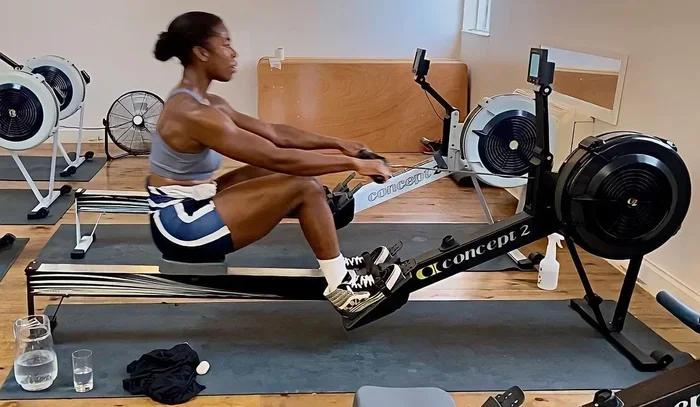
- Pair with Cardio: A strong core supports better performance in cardio activities. Consider combining your ab work with rowing machine sessions for a complete full-body workout.
- Track Your Progress: Keep a log of the weights you use and the reps you complete. Tracking helps you see improvements over time and stay motivated.
Choosing the Right Dumbbells for Your Home Gym
If you are setting up a home gym, choosing the right dumbbells is important. Adjustable dumbbells are a great option because they let you change the weight quickly. This is especially useful for ab workouts where you might need different weights for different exercises.
For dumbbell ab exercises, you want a set that goes from light to moderate. A range of 5 to 50 pounds covers most needs. If space is limited, a single adjustable pair can replace an entire rack of fixed-weight dumbbells.
Consider the material and grip as well. Rubber-coated dumbbells protect your floors and provide a comfortable hold. Neoprene dumbbells are lighter and great for beginners. Whatever you choose, make sure the weight increments are small enough to allow for gradual progression.
Remember, the goal is to build a strong, functional core. The right equipment supports that goal without breaking the bank or taking up too much space.
How Heavy Are the Dumbbells You Lift Abs: Final Thoughts
Understanding how heavy the dumbbells you lift abs should be is the first step toward building a stronger core. Start with a weight that challenges you but allows for proper form. Progress gradually, stay consistent, and always prioritize quality over quantity. Your abs will respond to smart, focused training.
The best dumbbell weight for abs is the one that lets you complete your sets with good technique and a challenging final few reps. Whether you are a beginner with a 5-pound dumbbell or an advanced lifter working with 40 pounds, the principles remain the same. Train smart, stay consistent, and let your core strength grow over time.
Now that you have the knowledge, it is time to put it into action. Grab your dumbbells, find a comfortable space, and start your dumbbell core workout today. Your abs will thank you.
Frequently Asked Questions
What is the best dumbbell weight for ab exercises?
The best weight depends on your fitness level. Beginners should start with 5 to 10 pounds, while intermediate lifters can use 10 to 25 pounds. Advanced trainers may go up to 50 pounds for certain exercises. Always choose a weight that allows you to maintain proper form throughout every rep.
Can you build abs with dumbbells alone?
Yes, dumbbells are excellent tools for building strong abs. Weighted exercises like crunches, side bends, and Russian twists provide the resistance your core muscles need to grow. Combine dumbbell work with a healthy diet and consistent training for the best results.
How often should I train my abs with dumbbells?
Training your abs two to three times per week is ideal for most people. This frequency gives your muscles enough time to recover while still providing consistent stimulus. Keep each session short, around 10 to 20 minutes, for maximum effectiveness.
Is it better to use heavy or light dumbbells for abs?
Moderate weight with higher repetitions works best for most people. Your abs are endurance-oriented muscles that respond well to controlled, moderate loads. Using too much weight can compromise form and increase injury risk. Focus on quality reps over heavy weight.
What are the easiest dumbbell ab exercises for beginners?
The dumbbell crunch, side bend, and Russian twist are great starting points. These exercises are simple to learn and effective for building core strength. Start with a light weight and focus on feeling your abs work during each movement.
How do I know if the dumbbell weight is too heavy for abs work?
If you cannot complete all your reps with good form, the weight is too heavy. Signs include using momentum, arching your back, or straining your neck. Drop the weight by 2 to 5 pounds and focus on controlled movements instead.