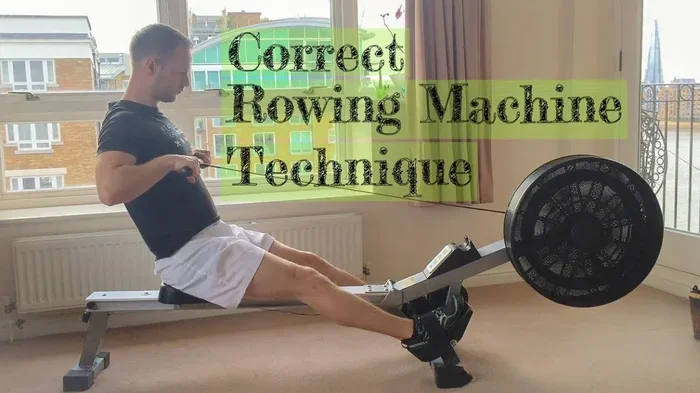
Does a Rowing Machine Help Flatten Your Stomach
A rowing machine can absolutely help flatten your stomach by combining a full-body cardio workout with core engagement that burns calories and targets abdominal fat. Unlike isolated ab exercises, rowing activates your legs, back, arms, and midsection simultaneously, making it one of the most efficient tools for reducing overall body fat — including belly fat. When paired with a healthy diet and consistent routine, regular rowing sessions can deliver a leaner, flatter stomach over time.
Key Takeaways
- Rowing machines engage your core throughout every stroke, toning your midsection effectively.
- Spot reduction is a myth — rowing burns overall body fat including belly fat.
- Pair rowing with a healthy diet for the best flat stomach results.
- Rowing burns significant calories, helping create the deficit needed for belly fat loss.
- Proper rowing form maximizes core engagement and abdominal toning benefits.
- Regular rowing improves posture, making your stomach appear flatter and more toned.
📑 Table of Contents
- Why People Want to Flatten Their Stomach with a Rowing Machine
- How a Rowing Machine Targets Your Stomach Area
- The Science Behind Rowing and Fat Loss
- Best Rowing Techniques for a Flatter Stomach
- Rowing vs Other Exercises for Stomach Flattening
- How to Build an Effective Rowing Routine for Flattening Your Stomach
- Common Mistakes That Slow Your Progress
- Key Takeaways: Does a Rowing Machine Help Flatten Your Stomach?
Why People Want to Flatten Their Stomach with a Rowing Machine
Let’s be honest. Almost everyone wishes they could flatten their stomach and show off a tighter waistline. You see ads everywhere promising quick fixes, but most of them are empty promises. That’s where the rowing machine comes in. More people are hopping on this piece of equipment and asking a simple question: does a rowing machine help flatten your stomach?
The truth is, a rowing machine can do a lot more than you think. It’s not just a leg exercise or a back workout. When you use it the right way, it can help you burn fat, tighten your core, and get closer to that flat stomach look. But you need to know how it works. You also need to pair it with the right routine and eating habits.
In this article, we’ll break it all down. We’ll look at the science, the best techniques, and how rowing stacks up against other popular exercises. By the end, you’ll know exactly whether a rowing machine is the right tool for your flat stomach goals.
How a Rowing Machine Targets Your Stomach Area
So how does a rowing machine help flatten your stomach? It starts with how your body moves during rowing. Every stroke you take isn’t just about your arms or legs. Your entire body works together, and your midsection plays a huge role.
When you row, you engage your abdominal muscles to stabilize your torso. This means your core is working the whole time. Unlike exercises that target just one muscle group, rowing keeps your stomach muscles active for the entire workout.
Muscles Involved in a Rowing Stroke
- Legs: Your quads, hamstrings, and glutes push off the footplate.
- Back: Your upper back and lower back muscles pull your arms back.
- Arms: Your biceps and forearms handle the final pull toward your chest.
- Core: Your abs and obliques keep your body stable and balanced throughout every stroke.
That core engagement is what makes rowing special. Your abdominal muscles are constantly firing to protect your spine and keep your posture strong. Over time, this repeated activation can help tighten and tone your midsection.
If you’re curious about how the full body works during rowing, check out this guide on does a rowing machine give a full body workout. It goes deep into every muscle group involved and why rowing is such a powerful exercise.
Does Rowing Build Abs?
Here’s the honest answer. Rowing won’t give you a six-pack on its own. But it does build strong, functional core strength. Think of it this way. Your abs stabilize your body during each stroke. That’s like doing hundreds of tiny plank holds during your workout. Over weeks and months, that adds up.
The key is consistency. You need to row regularly and use proper form. If you slouch or rely too much on your arms, you won’t get the full core benefit. But with good technique, your stomach muscles get a serious workout.
The Science Behind Rowing and Fat Loss
Now let’s talk about the part everyone cares about: losing belly fat. You can’t target fat loss in one specific area. That’s a fact. But you can create the conditions that help your body burn fat overall, including around your midsection.
Rowing is a fantastic cardio exercise that burns a lot of calories. And burning more calories than you eat is what drives fat loss. Let’s look at some numbers.
Calorie Burn Comparison
| Exercise | Calories Burned (30 min, 155 lb person) | Impact on Core |
|---|---|---|
| Rowing Machine | 260-316 calories | High (constant core engagement) |
| Running | 280-350 calories | Low to moderate |
| Cycling | 210-260 calories | Low |
| Walking | 120-150 calories | Very low |
As you can see, rowing burns a serious amount of calories. And because your core is always working, it helps build muscle while you burn fat. That’s a win-win for flattening your stomach.
Want to learn more about how rowing helps with weight loss? This detailed article explains the connection between rowing and losing weight effectively. It covers everything from calorie burn to metabolism boosts.
How Rowing Boosts Your Metabolism
One thing many people overlook is metabolism. When you do intense workouts like rowing, your body keeps burning calories even after you stop. This is called the afterburn effect or excess post-exercise oxygen consumption (EPOC).
High-intensity rowing sessions can spike your metabolism for hours after your workout. That means you’re still burning fat while sitting on the couch watching TV. It’s not magic. It’s science.
Rowing also helps improve your body composition. This means you gain more muscle and lose more fat. Muscle tissue burns more calories at rest than fat tissue does. So the more muscle you build, the easier it becomes to maintain a healthy weight and a flatter waistline.
Best Rowing Techniques for a Flatter Stomach
You already know that rowing works your core. But not all rowing techniques are equal when it comes to flattening your stomach. Some methods target your abs more than others. Let’s look at the best approaches.
Proper Rowing Form for Core Activation
Good form is everything. Here’s how to row in a way that maximizes your core engagement:
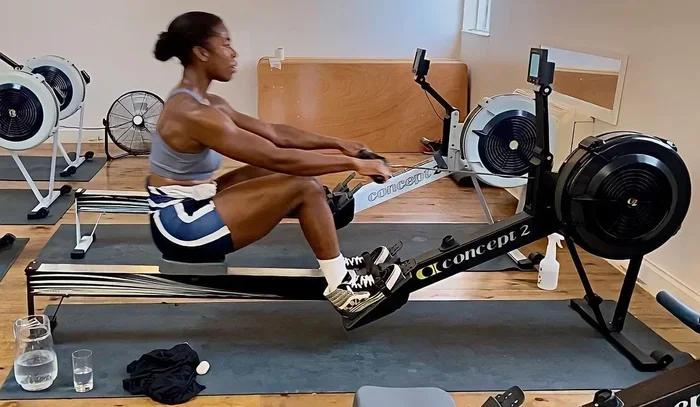
- Sit up tall: Don’t slouch. Keep your back straight and your shoulders pulled back.
- Engage your abs: Think about pulling your belly button toward your spine before you start rowing.
- Use your legs first: Push through your feet, then lean back slightly, then pull with your arms.
- Control the return: Go slow on the way back. This is where your abs work hardest to keep you stable.
When you row with this kind of form, your abdominal muscles stay tight the entire time. That constant tension is what builds strength and helps tighten your midsection.
High-Intensity Interval Training (HIIT) on a Rowing Machine
If you really want to burn stomach fat, try HIIT on your rowing machine. This means you alternate between short bursts of intense effort and periods of rest or low effort.
Here’s a simple HIIT rowing workout you can try:
- Warm up for 3 minutes at a comfortable pace.
- Row as hard as you can for 30 seconds.
- Rest for 60 seconds at a slow pace.
- Repeat the sprint and rest cycle 8 to 10 times.
- Cool down for 3 minutes at a light pace.
This type of workout torches calories and keeps your metabolism elevated long after you finish. Studies show that HIIT is one of the most effective ways to reduce visceral fat, which is the deep fat around your organs that makes your stomach look bigger.
Long Steady Rowing for Beginners
If you’re just starting out, don’t worry about HIIT yet. Steady-state rowing is a great way to build endurance and burn fat at a comfortable pace. Aim for 20 to 30 minutes at a moderate intensity. Focus on keeping your form tight and your core engaged. This is a solid foundation that will prepare you for more advanced workouts.
Rowing vs Other Exercises for Stomach Flattening
You might be wondering how rowing compares to other popular exercises. Let’s settle this once and for all. Is rowing better than running for flattening your stomach? How does it compare to cycling or ab-specific exercises?
Rowing vs Running
Both rowing and running are great cardio exercises. But they target your body differently. Running is mostly a lower body activity. Your core does work, but not as much as during rowing.
Rowing, on the other hand, involves your entire body. Your arms, back, legs, and core all work together. This means you burn more calories overall and engage your abdominal muscles more consistently.
If you’re curious about how running compares specifically for flattening your stomach, you can read this comparison on will running on a treadmill flatten my stomach. It gives a clear picture of how running stacks up against other methods.
Rowing vs Ab-Specific Exercises
Doing crunches and planks is great for building abdominal strength. But these exercises don’t burn much fat. Rowing does both. It strengthens your core while also burning a significant number of calories.
That doesn’t mean you should skip ab exercises entirely. The best approach is to combine rowing with some targeted core work. Together, they create a powerful combo for a flatter stomach.
Rowing vs Cycling
Cycling is another popular cardio option. It burns calories and is easy on your joints. However, cycling doesn’t engage your core as actively as rowing does. On a bike, your body is supported by the seat. On a rowing machine, you’re unsupported and your core has to work hard to keep you stable.
How to Build an Effective Rowing Routine for Flattening Your Stomach
Now let’s put it all together. You know rowing burns fat, engages your core, and can help you achieve a flatter stomach. But how do you actually build a routine that works?
Sample Weekly Rowing Plan
Here’s a simple weekly plan you can follow. It balances intensity, recovery, and core engagement:
- Monday: 25 minutes of steady-state rowing at moderate intensity. Focus on keeping your core tight.
- Tuesday: Rest day or light stretching.
- Wednesday: 20 minutes of HIIT rowing. Alternate 30-second sprints with 60-second rest periods.
- Thursday: 25 minutes of steady rowing. Add short core engagement drills every 5 minutes.
- Friday: Rest day.
- Saturday: 30 minutes of long, slow rowing. This builds endurance and burns fat over time.
- Sunday: Active recovery. Take a walk or do some light yoga.
This plan gives you a mix of high-intensity and low-intensity sessions. It also allows your body to recover so you can stay consistent. Consistency is the real secret to flattening your stomach.
Pair Rowing with a Healthy Diet
No amount of rowing will flatten your stomach if your diet isn’t on track. You need to create a calorie deficit, which means eating fewer calories than your body burns. Focus on whole foods like lean proteins, vegetables, fruits, and whole grains. Cut back on processed foods, sugary drinks, and excess alcohol.
Think of rowing as the tool that burns the calories. Your diet is what determines whether those calories come from stored fat. Together, they create the fat loss you need to see real results.
For more tips on how rowing contributes to overall weight loss and body composition changes, check out this in-depth resource on how a rowing machine helps you lose weight. It covers everything from workout strategies to nutrition advice.
Quick Tips for Maximum Results
- Track your progress: Use the rowing machine’s monitor to track your time, distance, and calories burned.
- Stay consistent: Aim for at least 3 to 4 rowing sessions per week.
- Don’t skip warm-ups: A 5-minute warm-up prepares your muscles and reduces injury risk.
- Mix up your workouts: Alternate between steady rowing and HIIT to keep your body challenged.
- Get enough sleep: Sleep affects your hormones, appetite, and recovery. Aim for 7 to 9 hours per night.
Common Mistakes That Slow Your Progress
Even with the best plan, some mistakes can hold you back. Here are the most common ones people make when trying to flatten their stomach with a rowing machine:
- Rounding your back: This takes the work away from your core and puts stress on your spine. Always sit up straight.
- Pulling with your arms only: Your arms are just the finishing touch. The power should come from your legs and hips.
- Rowing too fast: Speed doesn’t equal results. Focus on smooth, controlled strokes instead.
- Ignoring your diet: You can’t out-row a bad diet. Eating well is just as important as exercising.
- Not giving yourself rest days: Your body needs time to recover and build muscle. Skipping rest leads to burnout and injury.
Avoiding these mistakes will help you get the most out of every rowing session. And remember, results take time. Most people start seeing noticeable changes in their body composition within 4 to 6 weeks of consistent training.
Key Takeaways: Does a Rowing Machine Help Flatten Your Stomach?
So let’s answer the big question. Does a rowing machine help flatten your stomach? The short answer is yes. It absolutely can, but it requires the right approach.
Here’s what we covered:
- Rowing engages your core throughout every stroke, which helps build and tone your abdominal muscles.
- Rowing burns a lot of calories, making it an effective tool for overall fat loss, including belly fat.
- Proper form and technique maximize core activation and prevent injury.
- HIIT rowing is especially effective for burning visceral fat and boosting your metabolism.
- Pair rowing with a healthy diet for the best results. Exercise alone isn’t enough.
- Consistency is key. Stick with your routine and you will see results over time.
A rowing machine is one of the most versatile and effective tools you can use on your journey to a flatter stomach. It works your whole body, burns serious calories, and keeps your core engaged from start to finish. It’s not a magic solution, but combined with good nutrition and consistency, it can help you achieve the results you want.
So the next time someone asks you, does a rowing machine help flatten your stomach, you’ll have the answer. You’ll know it’s not just about crunches or restrictive diets. Sometimes the best path to a flatter stomach is a full-body workout that keeps you moving, burning, and building strength. Hop on that rowing machine and give it a try. Your future self will thank you.
Frequently Asked Questions
Does a rowing machine help flatten your stomach?
Yes, a rowing machine can help flatten your stomach by burning calories and engaging your core muscles throughout each stroke. It works your abs, obliques, and lower back while also delivering a full-body cardio workout that promotes fat loss. However, spot reduction is a myth, so combining rowing with a healthy diet is essential for visible results.
How long should I row on a rowing machine to see stomach results?
Most experts recommend rowing for 20 to 30 minutes per session, three to five times a week, to see noticeable changes. Consistency matters more than intensity, so sticking to a regular routine will deliver better long-term results. Pair your sessions with a balanced diet to maximize fat burning around your midsection.
Can a rowing machine target belly fat specifically?
Unfortunately, no exercise can target fat loss in just one area of your body, including the belly. A rowing machine burns overall body fat, which means your stomach will shrink as part of a general reduction in body fat percentage. Combine it with strength training and proper nutrition for the best belly-flattening effects.
How often should I use a rowing machine for a flatter stomach?
Using a rowing machine four to five times per week for 20 to 30 minutes is a solid routine for flattening your stomach. On days you don’t row, consider adding light stretching or core exercises to keep your muscles engaged. Rest days are just as important, so listen to your body and recover properly.
Does rowing tone your stomach muscles?
Yes, rowing engages your core with every stroke, which helps tone and strengthen your abdominal muscles over time. The drive phase of each row forces your abs to stabilize your torso, giving them a consistent workout. For even better muscle definition, add targeted ab exercises to your routine alongside your rowing sessions.
What else should I do besides using a rowing machine to get a flat stomach?
A rowing machine is a great tool, but you also need a healthy, calorie-controlled diet to reveal a flat stomach. Adding strength training boosts your metabolism and helps you burn more calories even at rest. Staying hydrated, getting enough sleep, and managing stress all play important roles in reducing belly fat too.