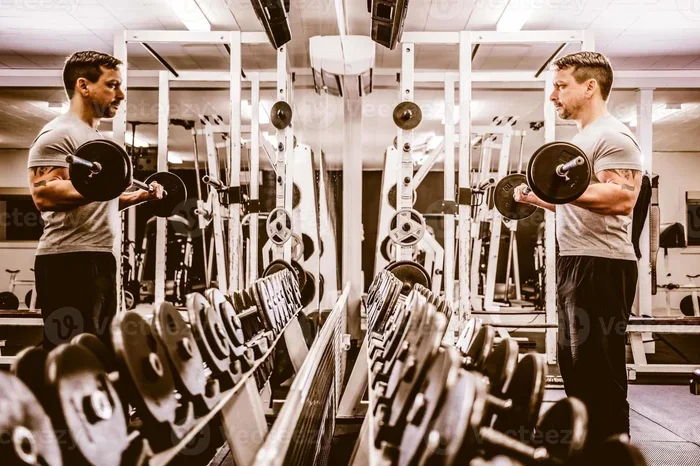
How Heavy Are the Dumbbells You Can Lift

So, how heavy are the dumbbells you can lift? The answer depends on your fitness level, body weight, and training goals. Beginners typically start with 5 to 15 pounds, while advanced lifters may handle 50 pounds or more per hand. This guide breaks down exact weight ranges for every level so you can train safely and effectively.
Have you ever walked into a gym and stared at the dumbbell rack, completely unsure which weight to grab? You are not alone. How heavy are the dumbbells you can lift is one of the most common questions new gym-goers ask. The truth is, there is no single answer that fits everyone. Your ideal dumbbell weight depends on your experience level, fitness goals, body type, and the specific exercise you are doing.
Choosing the wrong weight can slow your progress or even cause injury. Pick too light, and you will not challenge your muscles enough. Pick too heavy, and your form falls apart, which sets you up for strains and sprains. This guide gives you a clear, practical roadmap to finding the right dumbbell weight for where you are right now.
Whether you are just starting out or looking to push past a plateau, you will find actionable advice here. We will walk through weight ranges for every fitness level, break down recommendations by exercise type, and share tips to help you progress safely. Let us get into it.
Key Takeaways
- Beginners should start light: 5 to 15 pounds per dumbbell lets you learn proper form without injury.
- Intermediate lifters progress to 15 to 35 pounds: This range builds strength and muscle effectively.
- Advanced trainers use 35 to 50+ pounds: Heavy weights challenge experienced muscles and drive gains.
- Exercise type matters: Different movements require different weights, from bicep curls to chest presses.
- Progressive overload is key: Gradually increasing weight over time leads to continuous improvement.
- Listen to your body: Choosing the right weight prevents injury and keeps you motivated.
📑 Table of Contents
- Understanding Dumbbell Weight Basics
- How Heavy Should Dumbbells Be for Beginners?
- Dumbbell Weights for Intermediate Lifters
- Advanced Dumbbell Weight Recommendations
- How to Choose the Right Weight for Each Exercise
- Common Mistakes When Choosing Dumbbell Weight
- Quick Tips for Finding Your Perfect Dumbbell Weight
- Conclusion
Understanding Dumbbell Weight Basics
Before we dive into specific numbers, let us cover the fundamentals. Dumbbells come in a wide range of weights, typically from as light as 1 pound all the way up to 100 pounds or more per hand. The weight you choose should match your current strength level and training objectives.
The concept of progressive overload is central to strength training. This means gradually increasing the weight you lift over time to keep challenging your muscles. If you stay at the same weight forever, your body adapts and progress stalls. So choosing the right starting weight is just the beginning of a longer journey.
Here is a simple way to think about it. If you can comfortably complete 12 to 15 repetitions with perfect form, the weight is probably too light. If you can barely finish 5 reps, the weight is likely too heavy. The sweet spot is usually 8 to 12 reps where the last few feel challenging but doable.
Why Weight Selection Matters
Selecting the correct dumbbell weight directly impacts your results. Too light, and you waste your workout time. Too heavy, and you risk bad habits and injuries. The right weight creates the perfect amount of tension on your muscles, which is what drives strength and growth.
Your dumbbell weight recommendations will shift as you get stronger. What feels tough today will feel easy in a few weeks. This is normal and expected. The key is to keep adjusting the weight as your body adapts.
How Heavy Should Dumbbells Be for Beginners?
If you are new to strength training, starting with the right weight is crucial. Most beginners should begin with dumbbells that weigh between 5 and 15 pounds per hand. This range allows you to focus on learning proper form without your muscles burning out too quickly.
For weight lifting for beginners, the goal is not to lift the heaviest thing in the room. The goal is to build a foundation of movement patterns and muscular endurance. Light weights with higher repetitions help your muscles and joints adapt to the new demands you are placing on them.
Recommended Beginner Weights by Exercise
- Bicep curls: 5 to 10 pounds per dumbbell
- Shoulder press: 8 to 12 pounds per dumbbell
- Goblet squats: 10 to 15 pounds per dumbbell
- Chest press: 8 to 12 pounds per dumbbell
- Deadlifts: 15 to 25 pounds per dumbbell
- Lunges: 5 to 10 pounds per dumbbell
These numbers are starting points, not hard rules. If 5 pounds feels too easy, go up. If 15 pounds feels impossible, go down. There is no shame in starting light. Every experienced lifter started somewhere.
One of the best ways to build a solid foundation is to follow a structured dumbbell workout plan. Consistency with lighter weights builds the habit and the base strength you need to progress safely.
Dumbbell Weights for Intermediate Lifters
Once you have been training consistently for a few months, your strength will start to climb. Intermediate lifters typically work with dumbbells ranging from 15 to 35 pounds per hand. At this stage, you have solid form and your muscles are ready for a bigger challenge.
For intermediate trainers, the focus shifts from learning movements to building real strength and muscle size. This is where progressive overload really kicks in. You should be increasing your weights every few weeks as your body adapts.
Intermediate Weight Ranges by Exercise Type
- Upper body pressing: 15 to 25 pounds
- Upper body pulling: 12 to 20 pounds
- Lower body squats: 20 to 35 pounds
- Upper body isolation: 10 to 20 pounds
- Full-body compound moves: 20 to 30 pounds
At the intermediate level, you can also start experimenting with dumbbell training techniques like supersets and drop sets. These methods add intensity without necessarily increasing the weight, which can help you break through plateaus.
If you find yourself stuck at the same weight for weeks, it might be time to reassess your nutrition, rest, or training frequency. Sometimes the weight you can lift is more about recovery than raw strength.
Advanced Dumbbell Weight Recommendations
Advanced lifters who have been training for a year or more can handle significantly heavier dumbbells. The range typically falls between 35 and 50 pounds per hand, and some experienced athletes go even heavier for specific exercises.
At this level, your dumbbell strength is built on years of consistent training. Your muscles, joints, and connective tissues have all adapted to handle heavier loads. The focus now is on maximizing muscle growth, power, and overall athletic performance.
Advanced Weight Guidelines
- Heavy pressing movements: 35 to 50 pounds per dumbbell
- Heavy rows and pulls: 30 to 45 pounds per dumbbell
- Heavy squats and lunges: 35 to 50 pounds per dumbbell
- Isolation exercises: 15 to 30 pounds per dumbbell
- Explosive power moves: 20 to 40 pounds per dumbbell
Advanced lifters can also benefit from dumbbell exercises that challenge stability and coordination. Because dumbbells require more balance than barbells, they recruit additional stabilizer muscles, which leads to more functional strength.
One important note: even at the advanced level, form should never be sacrificed for heavier weight. Sloppy reps with heavy dumbbells are a fast track to injury. Always prioritize quality over quantity.
For those looking to build serious muscle with dumbbells alone, can you build a good body with just dumbbells is a question many advanced trainees ask. The answer is absolutely yes, provided you use the right weights and follow a well-designed program.
How to Choose the Right Weight for Each Exercise
Not all dumbbell exercises are created equal. Some movements recruit large muscle groups and can handle heavier weights, while others isolate smaller muscles and require lighter loads. Understanding this distinction helps you pick the right weight for every exercise in your routine.
Compound vs. Isolation Exercises
Compound exercises like squats, presses, and rows work multiple muscle groups at once. They can handle heavier dumbbell weights because more muscles share the load. Isolation exercises like curls and lateral raises target a single muscle, so they require lighter weights.
Here is a quick comparison table to help you visualize the difference.
| Exercise Type | Muscles Worked | Typical Weight Range | Rep Range |
|---|---|---|---|
| Compound (Squats, Presses) | Multiple muscle groups | 20 to 50 lbs | 6 to 12 reps |
| Compound (Rows, Deadlifts) | Back, legs, core | 15 to 45 lbs | 8 to 12 reps |
| Isolation (Curls, Raises) | Single muscle group | 5 to 20 lbs | 10 to 15 reps |
| Isolation (Extensions, Flyes) | Single muscle group | 5 to 15 lbs | 10 to 15 reps |
The Rep Range Method
One of the simplest ways to choose your weight is the rep range method. Pick a weight that allows you to complete your target reps with 2 to 3 reps left in the tank. This ensures you are working hard without burning out too quickly.
If you want to focus on dumbbell exercises for building muscle, aim for 8 to 12 reps per set. For endurance and toning, go higher with 12 to 20 reps and slightly lighter weights. For raw strength, keep the reps lower at 4 to 8 and use heavier dumbbells.
Remember that your how heavy should my dumbbells be to build muscle answer will vary by exercise. Your chest press weight will likely be higher than your bicep curl weight, and that is perfectly normal.
Common Mistakes When Choosing Dumbbell Weight
Even with the best intentions, lifters often make mistakes when selecting their dumbbell weight. Being aware of these pitfalls helps you avoid them and train more effectively.
Lifting Too Heavy Too Soon
The most common mistake is jumping to heavy weights before the body is ready. This leads to poor form, momentum-based reps, and a higher risk of injury. If you cannot complete a full range of motion with control, the weight is too heavy.
Lifting Too Light for Too Long
On the flip side, staying with weights that feel easy for months will not drive progress. If your last few reps feel completely effortless, it is time to go up. Your muscles need a reason to grow, and that reason is increased tension.
Using the Same Weight for Every Exercise
Not every exercise should use the same dumbbell weight. Your legs are stronger than your shoulders, so your squat weight should be higher than your overhead press weight. Treat each exercise independently when choosing your load.
Ignoring Fatigue and Form Breakdown
As you get tired toward the end of a set, your form will naturally degrade slightly. This is normal. But if you find yourself swinging the dumbbells or using momentum to complete reps, the weight is too heavy. Stop the set and reduce the load.
Quick Tips for Finding Your Perfect Dumbbell Weight
- Start lighter than you think: It is always better to warm up with a weight you can handle easily.
- Use the talk test: If you cannot speak a full sentence during a set, the weight may be too heavy.
- Track your workouts: Write down the weights you use so you can track progress over time.
- Increase by small increments: Add 2 to 5 pounds at a time rather than jumping up by 10 pounds.
- Warm up before heavy sets: Do 1 to 2 lighter sets before working with your challenging weight.
- Rest between sets: Give your muscles 60 to 90 seconds of rest to recover before the next set.
- Ask for guidance: If you are unsure, a certified trainer can help you find the right starting weight.
For those who train at home and want to maximize their results with limited equipment, you might wonder can you do a full workout with just dumbbells. The answer is a resounding yes. A well-structured dumbbell routine can hit every major muscle group effectively, provided you select the right weights for each movement.
Another common question is about training frequency. How many times should I lift dumbbells a week depends on your goals and recovery capacity, but most people see great results training with dumbbells 3 to 4 times per week.
Conclusion
So, how heavy are the dumbbells you can lift? The honest answer is that it depends entirely on you. Your fitness level, training history, the specific exercise, and your goals all play a role in determining the right weight.
Start where you are, not where you think you should be. Beginners should embrace lighter weights and focus on form. Intermediate lifters should push into moderate ranges and chase progressive gains. Advanced trainers can handle heavy loads but should never let ego override good technique.
The beauty of dumbbell training is its simplicity and versatility. You do not need a fancy gym or expensive machines. A set of dumbbells and a clear plan can transform your body. The key is to choose weights that challenge you without breaking your form, and to increase those weights steadily over time.
Now that you have a clear roadmap for selecting your dumbbell weight, it is time to put this knowledge into action. Grab the right pair of dumbbells, follow a solid program, and trust the process. Your stronger, healthier self is on the other side of consistent, smart training.
Frequently Asked Questions
How do I know if my dumbbell weight is too heavy?
If you cannot complete the full range of motion with control, or if you are swinging your body to lift the weight, it is too heavy. Your form should break down before your muscles fully fail. Stop the set and drop to a lighter weight if you notice your technique falling apart.
Can I build muscle with light dumbbells?
Yes, you can build muscle with lighter dumbbells if you use higher repetitions and focus on time under tension. Light weights work well for endurance and toning, but for maximum muscle growth, you will eventually need to incorporate heavier weights into your routine.
How often should I increase my dumbbell weight?
Most lifters should increase their dumbbell weight every 2 to 4 weeks, depending on their progress rate. Small increases of 2 to 5 pounds are ideal. If you can comfortably complete all your sets and reps with perfect form, it is time to go up.
What weight dumbbells should a 10-year-old use?
Children should start with very light dumbbells, typically 1 to 5 pounds per hand. The focus should be on learning proper form and building a positive relationship with exercise. Always supervise young lifters and prioritize safety over heavy lifting.
Are heavier dumbbells always better for building strength?
Not necessarily. Heavier dumbbells are only better if you can maintain proper form throughout the exercise. Lifting too heavy with poor technique leads to injury and wasted effort. The best weight is the one that challenges you while keeping your movements controlled and precise.
Can I use dumbbells for a full-body workout?
Absolutely. Dumbbells are incredibly versatile and can be used for a full-body workout targeting your chest, back, shoulders, arms, legs, and core. A well-designed dumbbell routine can replace most gym machines and deliver excellent results for all fitness levels.