How Long to Jump Rope for a Mile
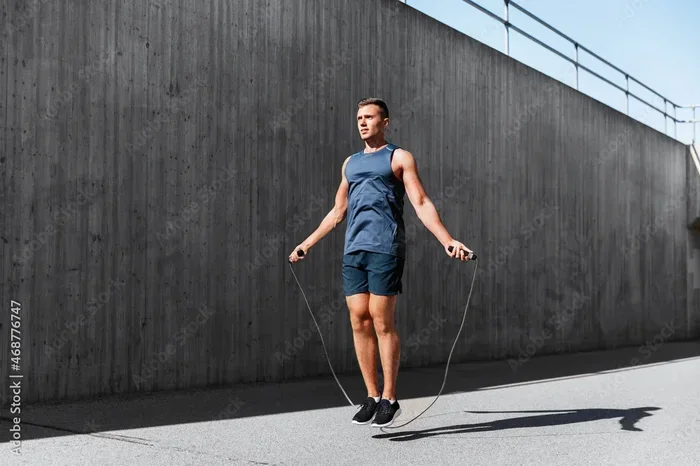
Jumping rope for a mile typically takes 6 to 12 minutes depending on your fitness level, rope length, and jumping technique. This guide breaks down exactly how long it takes, how to measure your progress, and how to improve your rope skipping speed over time. Whether you are a beginner or a seasoned athlete, you will find practical tips to make your jump rope mile faster and more effective.
Jumping rope is one of the simplest and most effective ways to get a full-body workout. But if you have ever wondered how long to jump rope for a mile, the answer depends on several factors. Your fitness level, rope length, jumping style, and even the surface you are on all play a role.
For many people, completing a mile of rope skipping takes about 6 to 12 minutes. Beginners might take closer to 15 minutes, while experienced jumpers can finish in under 6 minutes. This guide will walk you through everything you need to know about timing, technique, and improving your jump rope mile performance.
If you are looking to add rope jumping to your routine, understanding the time it takes to cover a mile helps you set realistic goals. It also gives you a benchmark to track your progress as your cardiovascular fitness improves over time.
Key Takeaways
- Average Time: Most people take between 6 and 12 minutes to jump rope a mile, depending on fitness and skill level.
- Beginners Take Longer: New jumpers should expect 10 to 15 minutes as they build coordination and endurance.
- Rope Length Matters: Using the right rope size improves your speed and reduces tripping, making your mile faster.
- Calorie Burn Is High: A mile of jump rope can burn 100 to 200 calories, making it one of the most efficient cardio exercises.
- Pace Improves Over Time: Consistent practice helps you shorten your time significantly within weeks.
- Tracking Helps: Using a fitness tracker or timer lets you measure progress and set new goals for your jump rope sessions.
📑 Table of Contents
- How Long Does It Take to Jump Rope a Mile?
- Factors That Affect Your Jump Rope Mile Time
- How Many Calories Do You Burn Jumping Rope a Mile?
- How to Measure Your Jump Rope Mile
- Tips to Improve Your Jump Rope Mile Time
- Common Mistakes to Avoid
- How Long Should Beginners Jump Rope for a Mile?
- Can Jumping Rope Replace Running for Cardio?
- Final Thoughts
How Long Does It Take to Jump Rope a Mile?
The time it takes to jump rope a mile varies widely. There is no single answer because everyone jumps at a different pace. However, we can break it down into general categories based on experience and fitness.
Average Times by Fitness Level
Here is a rough breakdown of what to expect:
- Beginner: 10 to 15 minutes per mile. You may trip often and need short breaks.
- Intermediate: 7 to 10 minutes per mile. You have better coordination and can sustain a steady rhythm.
- Advanced: 5 to 7 minutes per mile. Your endurance and speed are well developed.
- Elite: Under 5 minutes per mile. These are highly trained athletes with excellent rope control.
These numbers give you a starting point. Your actual time will depend on your jump rope pace, the type of rope you use, and how consistently you practice.
Why the Variance Matters
Understanding that there is a wide range of times is important. Do not get discouraged if you are on the slower end. Every jumper starts somewhere. The key is to focus on consistency and gradual improvement. Over time, your rope skipping distance will feel easier, and your pace will naturally increase.
Factors That Affect Your Jump Rope Mile Time
Several factors influence how fast you can complete a mile. Let us look at the biggest ones.
Rope Length and Fit
Using the correct rope length is essential for speed. A rope that is too long drags on the ground and slows you down. One that is too short causes you to jump higher than needed, wasting energy.
To find the right fit, stand on the middle of the rope and pull the handles up. The handles should reach your armpits or just below your shoulders. For more guidance on sizing, check out our article on how long should a jump rope be for you.
Jumping Technique
Your technique has a huge impact on your speed. Two common styles are:
- Basic Bounce: Small, quick jumps with just enough clearance for the rope to pass under your feet. This is the most energy-efficient style for longer sessions.
- Double Unders: The rope passes under your feet twice per jump. This is faster but requires more skill and strength. Learn more about sizing for double unders in our guide on sizing a jump rope for double unders.
Most beginners should stick with the basic bounce. As you build coordination, you can experiment with faster techniques to shorten your mile time.
Surface and Environment
The surface you jump on matters more than you might think. A wooden gym floor or rubber mat provides good bounce and reduces impact on your joints. Concrete is hard on your knees and ankles and can slow you down because of the lack of give.
Indoor environments also let you control distractions. Outdoor jumping can be fun but wind and uneven ground may affect your rhythm and pace.
Fitness Level and Endurance
Your overall fitness plays a big role in how long it takes you to complete a mile. People with good endurance training backgrounds often pick up jump rope quickly. If you are new to exercise, give yourself grace and focus on building stamina gradually.
For those looking to improve general endurance through rope jumping, our article on how to jump rope for long periods of time offers great tips.
How Many Calories Do You Burn Jumping Rope a Mile?
One of the biggest draws of rope skipping is the calorie burn. Jumping rope is a high-intensity exercise that works your legs, core, arms, and heart all at once.
On average, jumping rope for a mile burns between 100 and 200 calories. The exact number depends on your weight, intensity level, and how efficiently you jump. A 155-pound person burning roughly 150 calories per mile is a common estimate.
Compared to running a mile, jump rope burns a similar number of calories but with less impact on your joints. This makes it an excellent option for people who want effective cardio without the stress on their knees.
Calorie Burn Comparison
Exercise | Calories Burned (per mile) | Impact Level
Jump Rope | 100 to 200 cal | Low to Medium
Running | 100 to 120 cal | High
Cycling | 50 to 80 cal | Low
Walking | 80 to 100 cal | Very Low
As you can see, jump rope for cardio is one of the most efficient ways to burn calories in a short amount of time. If weight loss is your goal, adding a daily rope skipping session can make a big difference.
How to Measure Your Jump Rope Mile
Measuring your mile accurately helps you track progress and stay motivated. Here are the best ways to do it.
Using a Track or Measured Path
The simplest method is to find a quarter-mile track and complete four laps while jumping rope. Most schools, parks, and gyms have these available. Just start jumping when you begin your first lap and stop when you finish the fourth.
Using a Fitness Tracker
Many modern fitness trackers and smartwatches can estimate distance based on your heartbeat and movement patterns. While they are not 100% precise for jump rope, they give you a solid approximation. Some trackers even have specific jump rope workout modes that calculate calories and effort level.
Counting Rotations
For a more hands-on approach, count the number of rope rotations it takes to complete a mile. A typical mile requires about 2,000 to 3,000 jumps depending on your rope length and jumping style. Tracking your rotations over time helps you see improvement even if you do not have a measured path available.
Tips to Improve Your Jump Rope Mile Time
Want to get faster? Here are practical tips that actually work.
1. Practice Consistently
The more you jump, the better you get. Aim for at least 3 to 4 sessions per week. Even 10 to 15 minutes per session adds up quickly. Consistency builds muscle memory, coordination, and endurance.
2. Work on Your Rhythm
Find a steady beat and stick with it. Using a metronome app or a playlist with a consistent tempo helps you maintain an even pace. Smooth, controlled jumps waste less energy than erratic, jerky movements.
3. Strengthen Your Core
Your core stabilizes your body while you jump. Planks, crunches, and leg raises all support better balance and posture during rope skipping. A strong core also helps you maintain form as you get tired.
4. Use the Right Rope
Not all jump ropes are the same. Speed ropes with thin cables and lightweight handles are designed for fast rotations. Weighted ropes build strength but slow you down. Choose based on your goals. For more on choosing the right rope length, see our guide on how long a jump rope needs to be.
5. Include Intervals
Interval training is one of the fastest ways to boost your speed and endurance. Try jumping fast for 30 seconds, then recovering at a slower pace for 60 seconds. Repeat for 10 to 15 minutes. This type of HIIT jump rope training pushes your cardiovascular system and improves your overall pace.
6. Focus on Footwork
Light, quiet foot strikes mean you are jumping efficiently. Try to land on the balls of your feet and keep your jumps just a few inches off the ground. Excessive height wastes energy and slows you down.
Common Mistakes to Avoid
Avoiding these mistakes can save you time and help you improve faster.
- Using the wrong rope length: This is the number one mistake beginners make. An ill-fitting rope throws off your timing and slows you down.
- Jumping too high: You only need a few inches of clearance. Jumping higher than necessary wastes energy and tires you out faster.
- Ignoring rest days: Your muscles need recovery time. Jumping rope every single day without rest leads to burnout and injury.
- Poor posture: Keep your back straight, shoulders relaxed, and eyes forward. Slouching restricts your breathing and reduces endurance.
- Skipping warm-ups: Always warm up your wrists, ankles, and calves before jumping. Cold muscles are more prone to injury.
For a deeper look at avoiding common pitfalls, check out our article on how long to jump rope for a good workout for more practical advice.
How Long Should Beginners Jump Rope for a Mile?
If you are just starting out, do not worry about speed. Your first goal should simply be completing the mile. Most beginners will take 10 to 15 minutes on their first attempt, and that is perfectly fine.
Start with shorter sessions of 5 to 10 minutes and gradually increase the duration. Focus on building a consistent rhythm before trying to go faster. Within a few weeks of regular practice, you will notice your time dropping and your stamina growing.
For beginners specifically, our article on how long should you jump rope for a beginner offers more tailored guidance on building a routine that works for you.
Can Jumping Rope Replace Running for Cardio?
Many people wonder if rope skipping can fully replace running as their primary cardio exercise. The short answer is yes, for most people. Jumping rope provides excellent cardiovascular benefits with lower joint impact.
Both activities raise your heart rate, improve endurance, and burn calories effectively. However, running builds bone density through repetitive impact, while jump rope strengthens muscles and coordination in different ways. The best approach may be to combine both for a well-rounded fitness routine.
If you are curious about how jump rope compares to running a mile, our piece on how long to jump rope to equal a mile breaks down the comparison in detail.
Final Thoughts
How long to jump rope for a mile is a question with a flexible answer. Whether you finish in 6 minutes or 15 minutes, the important thing is that you are moving, improving, and having fun. Jump rope is one of the most accessible, affordable, and effective exercises you can do. All you need is a rope, a small space, and the willingness to start.
Set a realistic goal, track your progress, and celebrate small wins. Every session you complete brings you closer to a faster mile time and better overall fitness. Keep jumping, stay consistent, and enjoy the journey.
Frequently Asked Questions
How long does it take the average person to jump rope a mile?
The average person takes between 6 and 12 minutes to jump rope a mile. Beginners may take closer to 15 minutes, while experienced jumpers can finish in under 6 minutes. Your time depends on fitness level, rope length, and jumping technique.
Is jumping rope a mile better than running a mile?
Jumping rope a mile burns a similar number of calories as running but with less impact on your joints. It also builds coordination and upper body strength. Both are excellent exercises, and many people benefit from doing both.
How many calories do you burn jumping rope a mile?
You can expect to burn between 100 and 200 calories per mile of jump rope. The exact number depends on your body weight, jumping intensity, and how efficiently you maintain your rhythm throughout the mile.
What rope length is best for jumping a mile quickly?
A speed rope with a length that reaches your armpits when you stand on the middle of the cable is ideal for fast jumping. The right fit reduces drag and allows for smooth, quick rotations that help you complete your mile faster.
Can beginners jump rope for a mile right away?
Most beginners should not try to jump a full mile right away. Start with 5 to 10 minute sessions and build up your endurance over time. Once you can jump continuously for several minutes, a full mile becomes a realistic goal.
How often should I practice to improve my jump rope mile time?
Aim for 3 to 4 sessions per week, with each session lasting 10 to 20 minutes. Consistent practice builds the coordination, stamina, and speed needed to shorten your mile time over weeks and months.
=== CONCLUSION ===
How long to jump rope for a mile is a great question, and now you have a clear picture of what to expect. From beginner times of 10 to 15 minutes down to elite paces under 5 minutes, there is a range for everyone. The beauty of jump rope is that it meets you where you are and gets better as you do.
Focus on the right rope length, build your endurance gradually, and avoid the common mistakes that slow beginners down. Track your progress, stay consistent, and you will see real improvements in your jump rope mile time. Now grab your rope, find your space, and start jumping!