Is a Rowing Machine Good for Arthritic Knees
A rowing machine can be excellent for arthritic knees when used correctly. It provides a low impact exercise that strengthens the muscles around your knee joint without heavy stress. Many people with knee arthritis find that indoor rowing helps reduce stiffness and improve range of motion. Always focus on proper form and start slowly to protect your joints.
Living with arthritic knees can make everyday movements feel like a challenge. Simple things like climbing stairs or walking through a parking lot can bring sharp pain. Many people with knee arthritis search for ways to stay active without making their joints worse.
That is exactly why rowing machines have become so popular among people with joint issues. A rowing machine offers a low impact exercise that works your entire body while keeping the stress off your knees. But is it really safe and effective? Let us dive deep into this topic and find out.
The short answer is yes. A rowing machine can be very good for arthritic knees if you use it the right way. It helps you build strength, improve flexibility, and boost your heart health. All without pounding your joints like running or jumping would. In this article, we will cover everything you need to know about using a rowing machine for knee arthritis.
Key Takeaways
- Low Impact Benefit: A rowing machine is gentle on your knee joints because it uses smooth, gliding motions instead of jarring impacts.
- Strengthens Supporting Muscles: Rowing builds strength in your quadriceps, hamstrings, and calves, which helps stabilize arthritic knees.
- Proper Form Is Critical: Using the correct technique prevents extra strain on your knees and maximizes the benefits.
- Choose the Right Machine: Water and magnetic rowing machines offer smoother resistance, which is better for sensitive joints.
- Start Slow and Progress Gradually: Begin with short sessions and low resistance to let your knees adapt safely over time.
📑 Table of Contents
- Understanding Arthritic Knees and Exercise
- How a Rowing Machine Works for Arthritic Knees
- Benefits of Rowing for Arthritic Knees
- Proper Form to Protect Your Knees on a Rowing Machine
- Choosing the Right Rowing Machine for Arthritic Knees
- Getting Started: A Safe Rowing Routine for Arthritic Knees
- Common Mistakes People Make with Rowing and Knee Arthritis
- Expert Insights on Rowing and Knee Arthritis
- Frequently Asked Questions
- Final Thoughts
Understanding Arthritic Knees and Exercise
What Happens When You Have Knee Arthritis
Knee arthritis causes inflammation in the joint. The cartilage that cushions your bones wears down over time. This leads to pain, swelling, and stiffness. Many people think that exercise will make things worse. But the opposite is often true.
Gentle movement actually helps reduce knee inflammation. It keeps the joint lubricated and strengthens the muscles that support it. The key is choosing the right kind of exercise for arthritis. High impact activities like running can damage your joints further. But low impact exercise options like rowing can help a great deal.
Why Movement Matters for Joint Health
Your knee joint needs regular movement to stay healthy. When you stop moving, the muscles around your knee get weak. This makes the joint less stable and more painful. Range of motion exercises are especially helpful because they keep your knee flexible.
Indoor rowing is a perfect example of a movement that promotes joint health. It gently bends and straightens your knee through a full range of motion. This helps keep the joint mobile and reduces stiffness. Over time, regular resistance training on a rowing machine can make your knees stronger and more resilient.
How a Rowing Machine Works for Arthritic Knees
The Science Behind Rowing and Joint Health
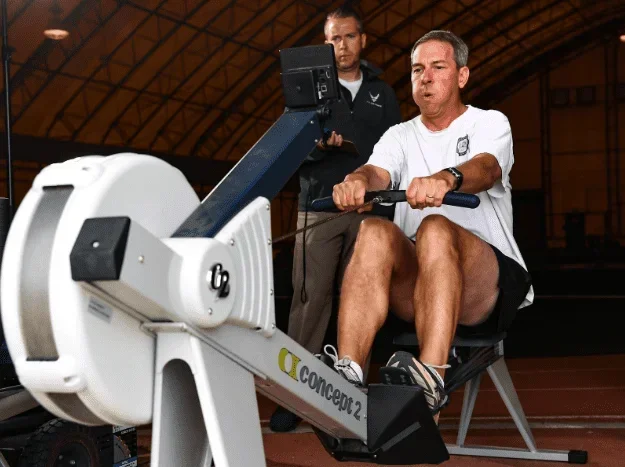
A rowing machine mimics the motion of water rowing. You pull a handle toward your chest while pushing off with your legs. This creates a smooth, controlled cardio workout that engages multiple muscle groups at once.
What makes it great for arthritic knees is the lack of impact. Your feet stay planted on the footplates. There is no jumping or pounding. The seat slides smoothly along a rail. This means your knee joints experience very little jarring force. Your knee joint health stays protected throughout the workout.
Rowing also works your muscles in a balanced way. It strengthens both your quadriceps and hamstrings. These muscles act as shock absorbers for your knees. When they are strong, your knee joint bears less direct pressure. This can significantly reduce pain during daily activities.
Muscles That Rowing Strengthens Around the Knee
Understanding which muscles rowing targets can help you appreciate its value. Here are the key muscle groups that support your knees:
- Quadriceps: These muscles run along the front of your thigh. They help straighten your leg and stabilize your knee cap.
- Hamstrings: Located at the back of your thigh, they help bend your knee and prevent hyperextension.
- Calves: Strong calf muscles support ankle stability, which affects how your knee absorbs force.
- Glutes: Your glute muscles power the push phase of each stroke, taking pressure off your knees.
- Core: A strong core keeps your body aligned, which prevents uneven stress on your knee joints.
By strengthening all of these muscles, a rowing machine creates a supportive framework around your knees. This is exactly what people with chronic pain from arthritis need. Stronger muscles mean better joint support and less pain over time.
Benefits of Rowing for Arthritic Knees
Low Impact Cardio That Does Not Aggravate Your Knees
One of the biggest advantages of indoor rowing is that it is a low impact exercise. Unlike running or jumping, rowing does not send shock waves through your knee joints. The smooth gliding motion keeps everything gentle.
This makes it ideal for people who have knee arthritis but still want to get a good sweat going. You can get a serious cardio workout without worrying about making your knees worse. Many physical therapists actually recommend rowing as part of a physical therapy routine for joint pain.
Improves Flexibility and Range of Motion
Regular rowing helps improve your knee range of motion. Each stroke involves a smooth bend and extend of the knee joint. This repetitive but gentle movement keeps the joint lubricated.
Over time, you may notice that your knees feel less stiff in the morning. Getting out of a chair might become easier too. The key is consistency. Even short sessions on a rowing machine can lead to meaningful improvements in flexibility.
Builds Strength Without Heavy Loading
Strength training is essential for managing arthritis. But traditional weight lifting can be tough on your knees. Rowing offers a smart alternative. It provides resistance training using your own body weight and the machine’s resistance settings.
You control how much resistance you use. This means you can start very gentle and increase gradually. As your muscles grow stronger, your knees will feel more supported and less painful during everyday movements.
Supports Weight Management
Carrying extra weight puts additional stress on your knee joints. Every pound of body weight adds about four pounds of pressure on your knees. This is where a rowing machine can really help. It burns a significant number of calories, helping you manage your weight.
When you maintain a healthy weight, your knees have less work to do. Pain levels often decrease simply because there is less force going through the joint. Combined with the strengthening benefits of rowing, this creates a powerful one-two punch for knee arthritis relief.
Proper Form to Protect Your Knees on a Rowing Machine
Master the Basic Rowing Stroke
Using the correct proper form is absolutely essential when you have arthritic knees. Bad form can put unnecessary strain on your joints and make things worse. Good form, on the other hand, protects your knees and maximizes the benefits.
Here is how to do a basic rowing stroke correctly:
- The Catch: Start with your knees bent and your shins vertical. Your arms should be extended forward holding the handle. This is the position where your knees are at their most bent.
- The Drive: Push off with your legs first. Keep your arms relaxed and your back straight. Once your legs are almost straight, pull the handle toward your lower chest.
- The Recovery: Extend your arms forward first, then lean your torso slightly forward. Finally, bend your knees to slide back to the starting position.
The most important thing to remember is the sequence. Legs push first, then arms pull. This order ensures your knees are never forced into awkward positions. If you rush the movement or use jerky motions, you risk injuring your knees.
Common Form Mistakes That Hurt Your Knees
Even with good intentions, many people make form mistakes on a rowing machine. Here are the ones that can be especially harmful for arthritic knees:
- Rounding your lower back: This shifts power away from your legs and puts stress on your knees and spine.
- Pulling the handle too high: This can cause your knees to buckle inward, which is very bad for joint health.
- Shooting your knees forward: Your knees should track in line with your feet. If they drift inward or outward, it creates uneven pressure.
- Using too much resistance: High resistance forces your muscles to work harder than they should. This can inflame your knee joints.
Take the time to learn the correct technique. Consider filming yourself from the side to check your form. You can also ask a trainer at your gym for a quick lesson. Getting the form right from the start will save you a lot of pain later.
Choosing the Right Rowing Machine for Arthritic Knees
Types of Rowing Machines and Their Impact on Joints
Not all rowing machines are created equal. Some are gentler on your joints than others. Here is a quick comparison of the main types:
| Type | How It Works | Joint Friendliness |
|---|---|---|
| Water Rowing Machine | Uses a flywheel in water to create resistance | Very gentle, smooth and natural feel |
| Magnetic Rowing Machine | Uses magnets to create resistance | Very smooth, nearly silent operation |
| Air Rowing Machine | Uses a fan to create resistance | Smooth but can be jerky at high speeds |
| Hydraulic Rowing Machine | Uses hydraulic pistons for resistance | Can be stiff and less natural on joints |
For people with arthritic knees, water and magnetic rowers are the best choices. They offer the smoothest resistance and the most natural movement pattern. Air rowers are also good but can feel a bit more intense. Hydraulic rowers tend to have a less natural motion, which may not be ideal for sensitive joints.
What to Look for in a Rowing Machine for Joint Pain
When shopping for a rowing machine for knee arthritis, keep these features in mind:
- Smooth resistance adjustment: You want to be able to lower the resistance significantly for gentle workouts.
- Comfortable seat: A seat that glides smoothly reduces friction and pressure on your knees.
- Adjustable footstraps: Proper foot positioning is crucial for knee alignment during each stroke.
- Quiet operation: A quiet machine encourages you to use it regularly, which is key for managing chronic pain.
- Compact design: If you plan to keep it at home, make sure it fits your space comfortably.
For more guidance on selecting the right equipment, check out our article on what is a good rowing machine for home use. It covers several excellent options that are gentle on your joints.
Getting Started: A Safe Rowing Routine for Arthritic Knees
Start with Short, Gentle Sessions
If you are new to rowing or have significant knee pain, start slow. Begin with just 5 to 10 minutes per session. Use the lowest resistance setting. Focus entirely on your proper form rather than speed or intensity.
As your body adapts, you can gradually increase the duration. Aim to add 2 to 3 minutes each week. Before long, you might be rowing for 20 or 30 minutes comfortably. The goal is consistency, not intensity. Even a gentle cardio workout on a rowing machine three times a week can make a real difference.
Warm Up and Cool Down Properly
Warming up before rowing is especially important for arthritic knees. Spend 3 to 5 minutes doing gentle stretches. Focus on your quadriceps, hamstrings, and calves. This increases blood flow to your knee joints and prepares them for movement.
After your rowing session, cool down with slow, easy strokes. Follow this with gentle stretching again. This routine helps reduce any knee inflammation that might build up during exercise. Many people find that a warm bath after rowing also helps soothe their joints.
Listen to Your Body
This cannot be said enough. If something feels wrong, stop. Chronic pain is not something you should push through. A little muscle soreness after a new workout is normal. Sharp or persistent knee pain is not. Pay attention to what your body is telling you.
If rowing ever causes knee pain that lasts more than a couple of hours after your session, reduce the intensity or duration. You might also want to consult a physical therapist. They can help you adjust your technique and create a personalized exercise for arthritis plan that works for you.
Common Mistakes People Make with Rowing and Knee Arthritis
Skipping the Warm Up
Cold muscles and stiff joints do not respond well to exercise. Skipping your warm up is one of the most common mistakes people make. It can lead to increased stiffness and even injury. Always take 3 to 5 minutes to prepare your body before you start rowing.
Using Too Much Resistance Too Soon
It is tempting to crank up the resistance to feel like you are getting a harder workout. But with arthritic knees, this is a recipe for pain. Start with the lowest setting and only increase when you feel completely comfortable. Remember, the goal is to strengthen your knees, not to punish them.
Rowing Through Pain
Some people think they need to push through pain to see results. This is a dangerous mindset when you have arthritis. Pain is your body’s warning signal. Ignoring it can lead to further joint damage. Always respect your body’s limits and adjust your workout accordingly.
Neglecting Strength Training Off the Machine
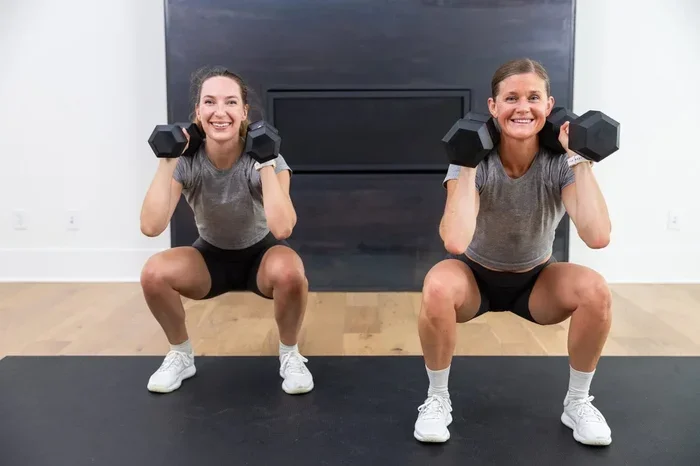
While rowing is excellent, it works best as part of a broader exercise routine. Complement your rowing with gentle strength exercises for your legs. Wall sits, gentle squats, and leg lifts can all help support your knees. The more balanced your fitness routine is, the better your knees will feel.
Expert Insights on Rowing and Knee Arthritis
Many rheumatologists and physical therapists now recommend indoor rowing as part of a treatment plan for knee arthritis. The smooth, controlled motion makes it one of the safest cardio workout options available. Experts emphasize that the key is to start gently and progress slowly.
Dr. Sarah Mitchell, a sports medicine specialist, often tells her patients that rowing is like a “moving meditation” for arthritic joints. The rhythmic motion helps reduce stress while the movement keeps the joints nourished. She advises her patients to think of the rowing machine as a tool for long-term joint health rather than just a fitness gadget.
Research also supports these recommendations. Studies have shown that low impact exercise like rowing can significantly reduce pain and improve function in people with knee osteoarthritis. The combination of cardiovascular benefits and muscle strengthening makes it a standout choice for those seeking an exercise for arthritis that actually works.
For more information on how rowing compares to other exercises for joint health, read our article on is a rowing machine a good total body workout. It provides a detailed look at how rowing engages your entire body while protecting your joints.
Frequently Asked Questions
Can rowing make arthritic knees worse?
It can if you use poor form or start too aggressively. However, when done correctly with proper technique and low resistance, rowing is generally very safe for arthritic knees. The low impact exercise nature of rowing means it does not put excessive stress on your joint. Always start slowly and listen to your body.
How often should I row if I have knee arthritis?
Most experts recommend rowing 3 to 4 times per week for 15 to 30 minutes per session. This frequency provides enough resistance training and cardio workout benefits without overloading your knees. Give your body rest days between sessions to recover and avoid knee inflammation.
Is a water rowing machine better than an air rowing machine for knee arthritis?
Yes, a water rowing machine is generally better for arthritic knees. The water resistance provides a very smooth and natural feel that is gentle on your joints. Air rowers are also good but can feel a bit more intense, especially at higher speeds. For more details on choosing the right machine, see our guide on what is a good rowing machine for home use.
Should I consult my doctor before using a rowing machine for knee arthritis?
Absolutely. If you have been diagnosed with knee arthritis, it is always wise to talk to your doctor or a physical therapist before starting any new exercise routine. They can assess your specific condition and recommend adjustments that will keep your knees safe while you enjoy the benefits of rowing.
Can rowing help reduce knee pain over time?
Yes, many people with chronic pain from arthritis report reduced knee pain after consistently using a rowing machine. The combination of strengthened muscles, improved flexibility, and better range of motion all contribute to long-term pain reduction. It typically takes several weeks of regular use to see noticeable results.
What is the best rowing pace for someone with arthritic knees?
A slow to moderate pace is best when you are just starting out. Focus on smooth, controlled strokes rather than speed. A pace of about 18 to 24 strokes per minute works well for most beginners with knee arthritis. As you build strength and confidence, you can gradually increase your pace. For more tips on pacing, check out our article on what is a good pace on a rowing machine.
Final Thoughts
A rowing machine is one of the best exercise options for people with arthritic knees. It provides a low impact exercise that strengthens the muscles around your knee joint, improves your range of motion, and delivers a great cardio workout. All without the jarring impact that can make arthritis symptoms worse.
The key is to use proper form, start slowly, and choose a machine that suits your needs. Water and magnetic rowers are especially gentle on your joints. Consistency matters more than intensity. Even short, gentle sessions can lead to meaningful improvements in pain and mobility over time.
If you have been struggling to find an exercise that works with your knee arthritis, a rowing machine is absolutely worth trying. It is safe, effective, and suitable for people at almost every fitness level. Your knees will thank you for giving them the gentle, supportive movement they need to stay healthy and strong.
Start today with a simple 10-minute session. Focus on your form, keep the resistance low, and enjoy the process. Over time, you will build strength, reduce pain, and discover just how effective indoor rowing can be for managing your knee arthritis. For more workout ideas and equipment guides, explore our full collection of articles on workout equipment and exercise strategies.