What Muscle Groups Does a Rowing Machine Work
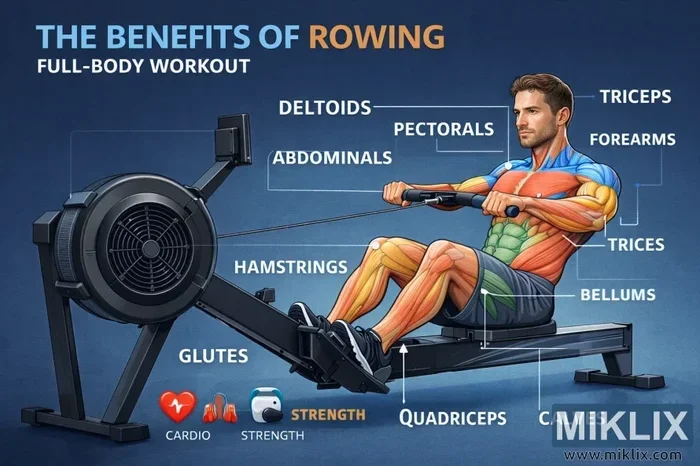
A rowing machine targets nearly every major muscle group in your body, from your legs and back to your arms and core. It delivers a powerful full-body workout that builds strength, boosts endurance, and burns serious calories. Understanding which muscles you engage helps you row smarter and get better results.
A rowing machine is one of the most effective pieces of workout equipment you can use at home or in the gym. Whether you are a beginner or a seasoned athlete, understanding what muscle groups does a rowing machine work helps you get the most out of every stroke. This guide breaks down exactly which muscles you engage, how the rowing stroke works, and how to maximize your results.
## The Muscle Groups a Rowing Machine Targets
When you sit down on a rowing machine, you might think it is all about pulling with your arms. But the truth is far more interesting. A rowing machine activates a surprising number of muscle groups across your entire body. What muscles does a rowing machine work on? Let us break it down by body region so you can see the full picture.
### Upper Body Muscles
Your upper body plays a big role during the pulling phase of each stroke. The rowing machine muscles in your upper body include several key areas that work together to power every pull.
Your back muscles are heavily involved. The latissimus dorsi, rhomboids, and trapezius all fire as you pull the handle toward your torso. These muscles help you maintain good posture and generate pulling force. Your biceps and forearms also engage during the pull, giving your arms a solid workout.
Your shoulders play a supporting role too. The rear deltoids help stabilize the shoulder joint as you row. Even your core ties into upper body movement, keeping your torso stable and transferring power from your legs to your arms.
### Lower Body Muscles
Here is a secret many people miss: your legs do the heavy lifting on a rowing machine. In fact, about 60 percent of the power in each stroke comes from your lower body. The leg muscles activated include your quadriceps, hamstrings, glutes, and calves.
When you push off the footplate, your quadriceps and glutes drive the movement. Your hamstrings and calves assist as you extend your legs fully. This makes rowing an excellent lower body workout that rivals squats and lunges in muscle activation.
People who focus only on the upper body miss out on the biggest source of power. Learning to drive through your legs first changes everything.
### Core Muscles
Your core acts as the bridge between your upper and lower body during every stroke. The core muscles engaged include the rectus abdominis, obliques, and erector spinae. These muscles keep your torso stable and prevent unnecessary swaying.
A strong core also protects your lower back. Many people experience back pain from poor rowing form, and a weak core is often the culprit. Strengthening your core through rowing can reduce that risk over time.
## How the Rowing Stroke Engages Your Muscles
Understanding the rowing stroke helps you see exactly when and how each muscle group activates. The stroke has four distinct phases, and each one targets different muscles in a specific sequence.
1. The Catch: You start with your knees bent and arms extended. Your core is engaged and your shins are vertical. This position preloads your leg muscles.
2. The Drive: You push with your legs first, then open your hips, and finally pull with your arms. This is where the full body workout magic happens. Your quads, glutes, and back muscles all fire in sequence.
3. The Recovery: You reverse the motion. Arms extend first, then hips hinge forward, and finally knees bend. This phase resets your body for the next stroke.
4. The Finish: At the end of the drive, your legs are extended, your torso is slightly leaned back, and the handle is at your lower chest. Your core and back muscles hold this position briefly.
Each phase matters. Skipping or rushing any phase reduces muscle engagement and can lead to poor form.
## Benefits of Rowing Machine Workouts for Muscle Building
Rowing is not just for cardio lovers. It offers serious benefits for muscle building and overall fitness. Here are some of the top reasons to add rowing to your routine.
### It Works Multiple Muscle Groups at Once
Unlike a bicep curl that isolates one muscle, rowing hits your entire body in every rep. This full body workout saves time and boosts efficiency. You can build strength and endurance simultaneously.
### It Is Low Impact
Running on a treadmill puts stress on your knees and ankles. Rowing is low impact, which means it is easier on your joints. This makes it a great option for people recovering from injuries or those with joint pain.
### It Improves Posture
Rowing strengthens the muscles that support good posture. Your back muscles, core, and shoulders all get stronger over time. Better posture reduces back pain and helps you look and feel more confident.
### It Burns Calories While Building Muscle
Rowing combines cardiovascular exercise with resistance training. You burn calories during the workout and continue burning them afterward. This calorie burn effect supports both weight loss and muscle toning.
## Common Mistakes That Limit Muscle Engagement
Even if you row every day, poor form can keep you from working the right muscle groups. Here are the most common mistakes people make on a rowing machine.
### Over-Relying on Your Arms
Many beginners pull with their arms too early in the stroke. This puts unnecessary strain on your biceps and forearms while skipping the powerful leg drive. Remember the sequence: legs first, then hips, then arms.
### Rounding Your Back
A rounded back puts pressure on your spine and reduces core engagement. Keep your back straight and your shoulders relaxed throughout the stroke. Think tall and proud at all times.
### Rushing the Recovery
The recovery phase is just as important as the drive. If you rush through it, you lose the chance to properly reset your muscles. Slow and controlled movements lead to better results.
### Slouching at the Finish
Leaning too far back at the end of the stroke strains your lower back. Keep your torso at a slight angle and avoid hyperextending. Your core should hold you in a stable position.
## How to Maximize Muscle Activation on a Rowing Machine
Want to get the most out of every session? Follow these tips to maximize muscle activation and see better results.
### Adjust the Damper Correctly
The damper controls how much resistance the flywheel creates. A setting between 3 and 5 works well for most people. Too low and you will not challenge your muscles enough. Too high and you will burn out too quickly. Find the best resistance for a rowing machine that lets you maintain proper form throughout your workout.
### Focus on Form Over Speed
Fast strokes with poor form waste energy and reduce muscle engagement. Slow down and focus on each phase of the stroke. Quality always beats quantity when it comes to building muscle.
### Try Interval Training
Alternate between high-intensity bursts and steady-state rowing. This type of interval training challenges your muscles in new ways and boosts endurance. You will feel the burn in your legs and back like never before.
### Increase Resistance Gradually
As your muscles adapt, increase the resistance or duration of your workouts. Progressive overload is key to continued strength gains. Add small increments each week to keep challenging your body.
### Pair Rowing with Strength Training
Rowing alone is fantastic, but pairing it with resistance training outside the gym amplifies results. Use rowing as your warm-up or cool-down to keep your muscles engaged on rest days.
## Rowing Machine vs Other Cardio Equipment for Muscle Building
Not all cardio machines are created equal when it comes to muscle engagement. Here is how rowing compares to a few popular alternatives.
| Equipment | Upper Body | Lower Body | Core | Low Impact |
|—|—|—|—|—|
| Rowing Machine | High | High | High | Yes |
| Treadmill | Low | High | Low | No |
| Elliptical | Medium | High | Low | Yes |
| Exercise Bike | Low | High | Low | Yes |
Rowing stands out because it delivers a balanced full body workout. You get the upper and lower body engagement that treadmills and bikes lack, with the joint-friendly benefits of an elliptical.
## Final Thoughts
A rowing machine is one of the most versatile pieces of workout equipment you can own. It targets your legs, back, arms, and core in every stroke, giving you a complete full body workout in less time than you think. Whether your goal is muscle building, weight loss, or better cardiovascular health, rowing delivers.
Focus on proper form, adjust your resistance wisely, and stay consistent. The muscle groups a rowing machine works are vast and interconnected, which means every session builds real, functional strength. Start today and feel the difference in your next workout.
For more details on how rowing affects your entire body, check out this guide on what does a rowing machine work on your body to deepen your understanding of the full-body benefits.
Key Takeaways
- Full-Body Engagement: A rowing machine works your legs, back, arms, and core all at once.
- Low Impact: Rowing is gentle on your joints while still delivering a tough muscle workout.
- Proper Form Matters: Using correct rowing technique ensures you hit the right muscle groups effectively.
- Adjustable Resistance: You can increase or decrease damper settings to target strength or endurance goals.
- Cardio + Strength: Rowing combines cardiovascular fitness with muscle building in one session.
- Common Mistakes Hurt Results: Over-relying on your arms or skipping the leg drive reduces muscle activation.
Frequently Asked Questions
What are the main muscle groups worked on a rowing machine?
The main muscle groups include your legs, back, arms, and core. Your quadriceps, hamstrings, and glutes power the drive phase. Your back muscles, biceps, and shoulders handle the pull. Your core stabilizes your entire body throughout every stroke.
Does a rowing machine give you a full body workout?
Yes, a rowing machine engages approximately 86 percent of your body’s muscles in each stroke. It is one of the most efficient full body workouts available. You build strength and cardiovascular fitness at the same time.
Is rowing good for building muscle?
Rowing builds muscle, especially in your legs, back, and core. Increasing the resistance on your machine adds a strength-training element. However, for maximum muscle growth, pair rowing with dedicated resistance training.
What muscles does a rowing machine work the most?
The legs do the most work, contributing about 60 percent of the power. Your back and core muscles are the next most engaged. Your arms and shoulders provide the finishing pull but play a smaller role than many people think.
Can rowing help with weight loss?
Absolutely. Rowing burns a high number of calories while preserving muscle mass. It combines cardiovascular exercise with muscle engagement, making it one of the best exercises for weight loss. A single session can burn 400 to 800 calories depending on intensity.
How long should I row to see muscle-building results?
Consistency matters more than duration. Aim for 20 to 30 minutes of rowing, three to four times per week. Focus on proper form and gradually increase resistance over time. You should notice improved muscle tone and strength within four to six weeks.