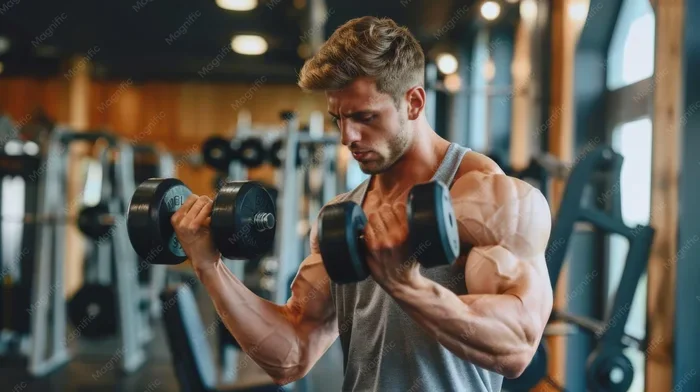
How to Use Two Dumbbells in One Hand
Using two dumbbells in one hand is a powerful training technique that builds strength, improves muscle balance, and takes your dumbbell exercises to the next level. This method forces each arm to work independently, which helps you spot and fix weaknesses that single-arm training can reveal. Whether you are a beginner or a seasoned lifter, this technique can transform your home workout routine and deliver real results in less time.
Have you ever tried holding two dumbbells in just one hand? It sounds tricky at first, but it is one of the most effective ways to level up your strength training game. This technique, often called unilateral training, makes every single rep count more because your muscles have to work harder to stabilize the weight.
When you hold two dumbbells in one hand, you are not just building bigger muscles. You are also improving your core stability, fixing hidden strength gaps, and boosting your grip strength in ways that regular exercises simply cannot match. This guide will walk you through everything you need to know, from basic holds to advanced exercises, so you can start using this method safely and effectively.
Key Takeaways
- Better Muscle Balance: Training with two dumbbells in one hand exposes and fixes strength imbalances between your left and right arms.
- Stronger Grip and Core: Holding two dumbbells at once builds serious grip strength and forces your core to stabilize throughout every rep.
- More Efficient Workouts: You can train your arms, shoulders, and back faster by combining two dumbbells into one hand.
- Proper Form Matters: Using the right grip and posture prevents injury and maximizes muscle activation.
- Easy to Progress: You can increase weight, reps, or sets over time to keep challenging your muscles.
- Great for Home Training: You do not need a full gym setup to get a serious arm workout with this method.
📑 Table of Contents
Why Train with Two Dumbbells in One Hand?
Most people lift one dumbbell per hand. That works fine for many exercises. But holding two dumbbells in a single hand creates a unique challenge that standard resistance training does not offer. Your body has to recruit more muscle fibers to keep the weights steady and controlled.
This approach is especially useful if you want to build bigger arms, improve your balance, or add variety to your dumbbell workout at home. It also saves time. Instead of doing separate sets for each arm, you can train both sides while focusing on one hand at a time. The result is a more efficient and intense session.
Better Muscle Activation
When you squeeze two dumbbells together in one hand, your muscles have to fight to keep them from rolling or slipping. This constant tension means your target muscles stay engaged longer. Studies show that unilateral training can increase muscle activation by up to 20 percent compared to bilateral movements.
For example, a bicep exercise where you curl two dumbbells in one hand forces your biceps, forearms, and shoulders to work together in a way that a single dumbbell simply cannot replicate. Your muscles have to coordinate more, which leads to better growth and strength gains over time.
Improved Core Stability
Holding two dumbbells in one hand shifts your center of gravity. Your core muscles kick in immediately to keep your body balanced and upright. This means you are getting a core stability workout every time you train your arms or shoulders with this method.
Think of it like this. When you hold one dumbbell in each hand, your body stays fairly balanced. But when you load one side with two dumbbells, your core has to work overtime to prevent you from tipping or leaning. This hidden benefit makes your strength training sessions more functional and carryover to real-world movements.
Corrects Muscle Imbalances
Almost everyone has a stronger side. You might not even notice it. Training with two dumbbells in one hand forces your weaker arm to step up and do its fair share of the work. Over time, this helps you build more balanced strength and reduces your risk of injury.
If you want to learn more about how to spot and fix imbalances, check out our guide on how to get bigger arms at home with dumbbells for additional tips on building balanced arm strength.
How to Hold Two Dumbbells in One Hand
Before you jump into exercises, you need to know the proper way to hold two dumbbells in a single hand. The grip you choose affects your comfort, stability, and the muscles you target. There are three main methods, and each has its own benefits.
The Crush Grip Method
This is the most common way to hold two dumbbells in one hand. You place the dumbbells side by side, palms facing in, and squeeze them together firmly. The pressure from your fingers and palm keeps the weights from moving. This method works great for bicep curls, overhead presses, and lateral raises.
The crush grip is simple and effective. It gives you a solid hold without straining your wrists too much. If you find that the dumbbells keep slipping, consider using wrist straps for dumbbells to improve your hold and protect your wrists during heavier sets.
The Parallel Grip Method
In this method, you hold the dumbbells so that their ends run parallel to each other, like two logs stacked on top of one another. Your thumb wraps around both weights, and your fingers support them from the other side. This grip is ideal for pressing movements and exercises where you need a more compact hold.
The parallel grip gives you excellent control. It keeps the dumbbells close to your body, which makes exercises like shoulder presses and tricep extensions feel more stable. This is also a great option if you have smaller hands and find the crush grip uncomfortable.
The Zercher-Style Hold
This method involves cradling the two dumbbells in the crook of your elbow, similar to the Zercher squat position. You use your forearm to support the weights while your other hand stabilizes from the top. This hold is advanced and works well for slow, controlled movements like bent-over rows and front raises.
The Zercher-style hold is not for beginners. It requires good exercise form and strong forearms. Start with lighter weights and practice the position before adding more load. This hold is a game-changer for your back and arm workout once you master it.
Best Exercises for Two Dumbbells in One Hand
Now that you know how to hold the dumbbells, let us look at the best exercises you can do with this technique. Each exercise targets different muscle groups and brings unique benefits to your home workout routine.
Two-Dumbbell Bicep Curl
Stand tall with a dumbbell in each hand. Place both dumbbells into your right hand using the crush grip. Keep your elbow close to your torso and curl both weights up slowly. Squeeze at the top for one second, then lower them back down with control.
Do 10 to 12 reps, then switch hands. This exercise builds serious bicep size and improves your grip strength at the same time. Focus on keeping your upper arm still and letting your forearm do all the work.
Single-Hand Overhead Press
Sit on a bench or stand with your feet shoulder-width apart. Hold two dumbbells in one hand at shoulder height, palms facing forward. Press the weights straight up until your arms are fully extended. Lower them back to shoulder level with control.
This exercise targets your shoulders, triceps, and upper chest. It also challenges your core because your body has to resist the uneven load. Start with lighter dumbbells and focus on smooth, controlled movement. For more on dumbbell chest exercises, you can also explore our guide on how to target chest with dumbbells for additional exercise ideas.
Two-Dumbbell Bent-Over Row
Hinge at your hips with a slight bend in your knees. Hold two dumbbells in your left hand and let them hang straight down. Pull both dumbbells up toward your hip, squeezing your shoulder blades together at the top. Lower them slowly and repeat.
This is one of the best back exercises you can do with dumbbells. It builds thickness in your lats and rhomboids while also working your biceps and rear delts. If you want a deeper dive into proper row form, check out our detailed guide on how to do a bent-over row with dumbbells.
Two-Dumbbell Lateral Raise
Stand with good posture and hold two dumbbells in one hand at your side. Raise both dumbbells out to the side until your arms are parallel to the floor. Lower them slowly and repeat. Switch hands after each set.
This exercise isolates your side delts and helps build wider shoulders. The key is to use light weight and focus on the squeeze at the top. Avoid swinging or using momentum. Slow and steady reps will give you the best results for building big shoulders over time.
Two-Dumbbell Tricep Extension
Hold two dumbbells in one hand behind your head, elbows bent and pointing up. Extend both dumbbells straight up until your arms are fully locked. Lower them back down and repeat. This movement targets your triceps hard and builds arm definition.
Keep your elbows close to your ears throughout the movement. Do not let them flare out. This exercise pairs well with bicep curls for a complete arm workout routine. If you want to learn more about building bigger arms at home, our guide on how to build arm muscles at home with dumbbells covers additional exercises and strategies.
Common Mistakes to Avoid
Using two dumbbells in one hand can be tricky, especially when you are just starting out. Here are the most common mistakes people make and how to avoid them.
- Using Too Much Weight: It is tempting to grab heavy dumbbells, but this technique demands more control than you think. Start light and increase weight gradually. Proper weight progression is key to long-term gains without injury.
- Rushing the Reps: Speed kills results in this style of training. Each rep should be slow and deliberate. Fast movements reduce muscle tension and increase your risk of dropping the dumbbells.
- Neglecting Your Wrists: Your wrists take a beating when you hold two dumbbells. Keep them in a neutral position and avoid bending them backward. If you feel strain, stop and rest.
- Ignoring Your Core: Your core is working hard to keep you stable. Do not let your torso lean or twist excessively. Brace your abs throughout every exercise.
- Skipping the Warm-Up: Your grip and forearms need to be warm before you load them up. Do a few light sets of wrist circles and finger stretches before your first working set.
Progression Tips for Building Strength
The beauty of this technique is that it is easy to make it harder over time. You do not need fancy equipment. Here are simple ways to keep progressing your dumbbell exercises.
- Increase the Weight: Add a small amount of weight to your dumbbells every two weeks. Even a one- or two-pound increase makes a difference over time.
- Add More Reps: Start with 10 reps and work your way up to 15 or 20 before increasing weight. Higher reps build muscle endurance and improve your grip strength.
- Slow Down the Tempo: Take three seconds to lift and three seconds to lower each rep. This increases time under tension and forces your muscles to work harder.
- Add a Pause: Hold the top position of each exercise for two to three seconds. This eliminates momentum and makes every rep count more.
- Train More Frequently: Try doing one-armed sessions three times per week with a day of rest in between. Consistency is the secret to building strength.
For more tips on how to get heavier dumbbells into position safely, check out our guide on how to get heavy dumbbells up for bench press. The techniques there apply well to any heavy dumbbell movement.
Who Should Try This Technique?
Almost anyone can benefit from training with two dumbbells in one hand. This technique is especially helpful for people who train at home and want to maximize their limited equipment. It is also great for athletes who need strong, balanced arms and a solid grip.
If you are a beginner, start with light dumbbells and practice the holds first. Focus on exercise form before adding any significant weight. Intermediate and advanced lifters can use this method to break through plateaus and add a new challenge to their routine.
People who sit at a desk all day will also benefit greatly. This technique strengthens the small muscles in your hands, wrists, and forearms that weaken from prolonged typing and mouse use. Over time, you will notice improved grip strength and less stiffness in your hands.
Final Thoughts
Using two dumbbells in one hand is a simple yet incredibly effective way to upgrade your strength training. It builds balanced muscle, sharpens your core stability, and improves your grip strength in ways that traditional exercises cannot match. The best part is that you can start today with just a pair of dumbbells and a little practice.
Remember to start with lighter weights, focus on proper exercise form, and progress gradually. Your arms, shoulders, and core will thank you. Add this technique to your home workout routine two or three times per week, and you will see noticeable changes in your strength and muscle tone within a few weeks.
Do not let the learning curve scare you off. Once you get comfortable holding two dumbbells in one hand, you will wonder how you ever trained without it. Grab a pair of dumbbells, try the exercises in this guide, and enjoy the challenge. Your muscle building journey just got a lot more interesting.
Frequently Asked Questions
Can beginners use two dumbbells in one hand?
Yes, beginners can use this technique, but you should start with very light dumbbells. Focus on learning the proper grip and keeping your form tight. Once you feel comfortable, you can gradually increase the weight over several weeks.
Is it better than using one dumbbell per hand?
Both methods have their benefits. Using two dumbbells in one hand creates more instability, which forces your core and stabilizing muscles to work harder. It is not necessarily better, but it is a great addition to your routine for variety and extra challenge.
What muscles does this technique target?
This technique targets your biceps, triceps, shoulders, forearms, and core. Because you are holding two weights in one hand, your stabilizing muscles in the grip, wrist, and shoulder also get a serious workout that standard single-dumbbell exercises may miss.
How heavy should the dumbbells be?
Start with dumbbells that are about 30 to 40 percent lighter than what you would normally use for single-arm exercises. As your grip strength and form improve, you can slowly increase the weight. The goal is control, not ego lifting.
How often should I train with two dumbbells in one hand?
Two to three times per week is ideal for most people. Give your muscles at least one day of rest between sessions. This allows your muscle building and recovery processes to work effectively without overtraining.
Can I use this technique with kettlebells instead?
You can, but dumbbells are generally easier to hold in this configuration because of their shape. If you want to try kettlebells, start with a lighter weight and practice the crush grip method first. You can learn more about using a dumbbell as a kettlebell for additional exercise variety at home.