How Does a Magnetic Rowing Machine Work 2
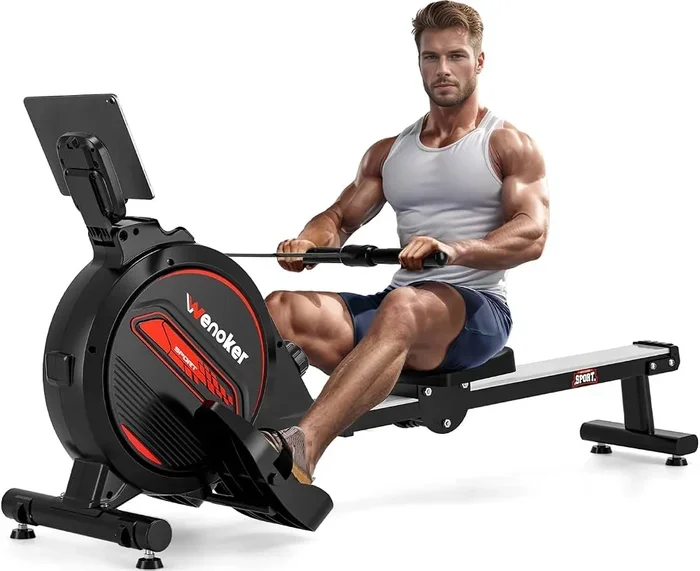
A magnetic rowing machine uses magnets to create smooth, adjustable resistance without physical contact. This technology delivers a quiet, low-maintenance workout perfect for home gyms. You get a full-body cardio session with minimal noise and maximum control over your intensity levels.
Have you ever wondered what makes a magnetic rowing machine different from other types? The answer lies in the clever use of magnets to create resistance. Unlike air or water rowers, magnetic rowers work without any loud fans or splashing water. The result is a smooth, whisper-quiet workout that fits perfectly into any home.
Whether you are new to rowing or looking to upgrade your setup, understanding how this machine works helps you get more from every session. In this guide, we break down the technology, the benefits, and the simple mechanics behind a magnetic rowing machine. By the end, you will know exactly why this type of rower has become a favorite for home gyms everywhere.
Key Takeaways
- Magnetic resistance works silently: Magnets create friction-free resistance that keeps your workouts peaceful.
- Adjustable intensity levels: You can easily dial up or down the resistance to match your fitness goals.
- Low maintenance design: No moving parts touch the flywheel, so wear and tear is minimal.
- Smooth and comfortable rowing: The magnetic system provides a consistent, jerk-free stroke throughout your workout.
- Great for home use: Quiet operation means you can row early morning or late night without disturbing anyone.
- Full-body workout: A magnetic rower targets your legs, arms, back, and core in every stroke.
📑 Table of Contents
What Is a Magnetic Rowing Machine?
A magnetic rowing machine is an indoor fitness device that uses magnetic fields to generate resistance. You pull the handle, the seat slides along the rail, and the flywheel spins. But instead of air or water creating the drag, magnets do the work. This design makes the entire experience much quieter and more controlled.
These machines are popular because they offer a full-body workout without a lot of noise. You can row in the early morning, late at night, or even while watching TV without any distractions. The magnetic resistance system is also very durable, which means less maintenance over time.
How Does the Magnetic System Work?
Here is where it gets interesting. Inside a magnetic rower, you will find a flywheel with magnets positioned near it. When you pull the handle, the flywheel spins. The magnets create a magnetic field that pushes against the flywheel. This push is what we call resistance.
The cool part is that the magnets never actually touch the flywheel. There is no physical contact. This means less friction, less wear, and almost no noise. You get a smooth rowing experience that feels natural and fluid from the very first stroke.
The Key Components of a Magnetic Rowing Machine
To really understand how a magnetic rowing machine works, it helps to know the main parts. Each component plays a specific role in delivering your workout. Let us walk through them one by one.
The Flywheel
The flywheel is the heavy wheel that spins when you row. In a magnetic rower, the flywheel is designed to work closely with the magnets. A heavier flywheel stores more momentum, which gives you a smoother stroke. Many users prefer a heavier flywheel because it mimics the feel of on-water rowing more closely.
The Magnets
The magnets are the heart of the system. They sit close to the flywheel but do not touch it. When the flywheel spins past the magnets, the magnetic field creates resistance. The closer the magnets are to the flywheel, the stronger the resistance becomes. This is how you adjust your workout intensity.
The Rail and Seat
The rail is the smooth track that the seat slides along. It needs to be well-maintained for a friction-free glide. The seat supports your body as you push and pull through each stroke. A good rail system makes your indoor rowing feel effortless and comfortable.
The Handle and Chain or Belt
The handle connects to the flywheel through either a chain or a belt. Chains feel more traditional, while belts are quieter and require less maintenance. Both systems transfer your pulling force to the flywheel efficiently. Your rowing technique matters more than which type you have, so focus on form either way.
Benefits of Using a Magnetic Rowing Machine
Now that you know the parts, let us talk about why this matters for your fitness. Magnetic rowers offer several standout benefits that make them a top choice for home workouts.
Silent Operation
The biggest advantage of a magnetic rower is how quiet it is. There is no rushing air or splashing water. You can row at 6 AM while the house is still asleep. This makes magnetic rowers ideal for apartments, shared homes, or anyone who values a peaceful workout environment.
Adjustable Resistance Levels
Most magnetic rowers let you change the resistance with the turn of a dial or the press of a button. You can go from a light recovery pace to a tough sprint effort without leaving your seat. This adjustable resistance feature makes the machine suitable for beginners and advanced athletes alike.
Low Maintenance
Because the magnets never touch the flywheel, there is very little wear and tear. You do not need to oil the system or replace parts frequently. A quick wipe-down and occasional rail lubrication are usually all it takes. This low-impact exercise machine saves you time and money on upkeep.
Consistent Resistance
Air rowers change resistance based on how hard you pull. Magnetic rowers give you a consistent feel no matter your speed. This makes it easier to track your progress and maintain a steady pace. If you are following a structured calorie burn plan, the consistency of magnetic resistance helps you stay on target.
Magnetic Rowing Machine vs Other Types
Not all rowers are created equal. Let us compare magnetic rowers with the other popular types so you can see where they stand.
| Feature | Magnetic Rower | Air Rower | Water Rower |
|---|---|---|---|
| Noise Level | Very quiet | Moderate to loud | Gentle splashing sound |
| Resistance Type | Magnetic field | Air fan | Water tank |
| Maintenance | Very low | Low | Moderate |
| Resistance Adjustment | Easy, digital or dial | Harder to adjust | Manual, limited |
| Price Range | Mid to high | Mid range | High |
| Smoothness of Stroke | Very smooth | Slightly jerky at start | Very smooth |
Each type has its fans, but magnetic rowers win on quietness and ease of use. If you are choosing a rower for a small apartment or a shared living space, a magnetic rowing machine is often the best pick. For a deeper comparison of rowing machines for weight loss, check out our guide on how a rowing machine helps you lose weight to find the best option for your goals.
Common Uses and Who Benefits Most
Magnetic rowers are versatile machines that serve a wide range of users. Here is a closer look at who benefits most from this type of equipment.
Home Gym Users
If you are building a home gym, a magnetic rower is a smart investment. It takes up relatively little space, operates silently, and works for users of all fitness levels. You get a professional-grade cardio workout without the noise complaints from neighbors or family members.
Seniors and Rehabilitation
The smooth, low-impact nature of magnetic rowing makes it excellent for older adults or those recovering from injuries. The resistance is gentle on the joints while still providing an effective workout. It strengthens the back, legs, and arms without jarring movements. For tips on how long seniors should use a rower, check out our guide on how long a senior should use a rowing machine.
Fitness Enthusiasts
Even serious athletes use magnetic rowers for training. The ability to fine-tune resistance levels allows for precise workout programming. You can simulate endurance rows, sprint intervals, and steady-state sessions all on one machine. To learn more about using a rower effectively, explore our article on how to use a rowing machine step by step for detailed guidance.
Tips for Getting the Most Out of Your Magnetic Rowing Machine
Owning a magnetic rower is one thing. Using it well is another. Here are some practical tips to help you maximize every workout.
- Focus on your form: Push with your legs first, then pull with your arms. Keep your back straight throughout the stroke.
- Start slow: Begin with lower resistance and shorter sessions. Build up your endurance gradually over several weeks.
- Track your metrics: Most magnetic rowers display stroke rate, distance, and calories. Use this data to monitor your progress.
- Stay consistent: Aim for at least 3 to 4 sessions per week. Consistency beats intensity when building lasting fitness.
- Maintain the machine: Wipe down the rail after each use and check the belt or chain periodically for wear.
For more guidance on workout duration, read our article on how long you should row on a rowing machine to find the right session length for your goals. And if you are curious about how effective rowing really is for burning calories, our piece on how effective a rowing machine is for weight loss has the details you need.
Final Thoughts
A magnetic rowing machine is one of the best investments you can make for your home fitness setup. The combination of quiet operation, smooth resistance, and low maintenance makes it hard to beat. Whether you are a beginner just starting out or a seasoned athlete looking for a reliable cardio machine, a magnetic rower delivers results.
The technology behind it is elegant in its simplicity. Magnets create resistance without contact, which means a smoother, quieter, and longer-lasting machine. You get a full-body workout that is easy on your joints and tough on your fitness goals. So if you have been considering adding a rower to your home gym, a magnetic model is a fantastic place to start.
Take the time to learn proper form, set realistic goals, and enjoy the process. The best workout is the one you actually stick with. A magnetic rowing machine makes that easier than ever.
Frequently Asked Questions
How does a magnetic rowing machine create resistance?
A magnetic rowing machine uses magnets positioned near a spinning flywheel. The magnetic field creates resistance against the flywheel without any physical contact. You can adjust the distance between the magnets and the flywheel to increase or decrease the resistance level.
Is a magnetic rowing machine loud?
No, magnetic rowers are extremely quiet. Since there is no air fan or water tank, the only sound you will hear is the gentle seat sliding along the rail. This makes them perfect for apartments, shared spaces, or early morning workouts.
Can beginners use a magnetic rowing machine?
Absolutely. Magnetic rowers are beginner-friendly because the resistance is smooth and easy to control. You can start with low resistance and short sessions, then gradually increase the intensity as your fitness improves.
How often should I use a magnetic rowing machine?
Most experts recommend rowing 3 to 5 times per week for 20 to 45 minutes per session. The exact frequency depends on your fitness level and goals. Consistency matters more than intensity, so find a schedule you can stick with long term.
Does a magnetic rowing machine help with weight loss?
Yes, rowing is a highly effective full-body exercise that burns a significant number of calories. A magnetic rower provides the consistent resistance needed for sustained cardio sessions, which supports healthy weight loss when combined with a balanced diet.
What is the difference between a magnetic rower and an air rower?
The main difference is how they create resistance. Magnetic rowers use magnets for a quiet, smooth, and consistent feel. Air rowers use a spinning fan that gets louder as you pull harder. Magnetic rowers are better for noise-sensitive environments, while air rowers are often preferred by competitive athletes.