How to Do Jump Rope Tricks for Beginners
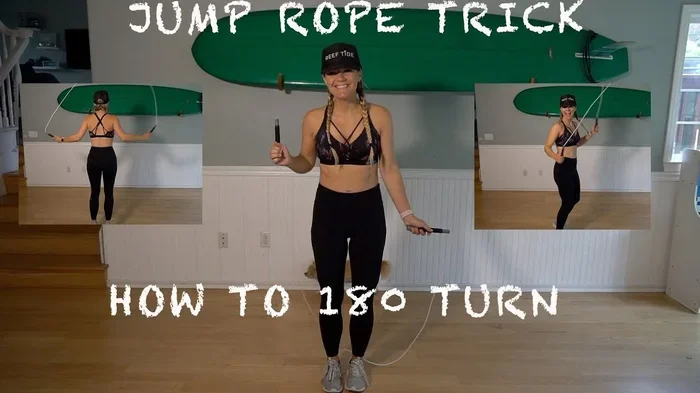
Learning jump rope tricks for beginners is easier than you think, and with just a few simple techniques you can quickly master the basics and impress your friends. This guide breaks down easy jump rope tricks for beginners step by step, from the foundational bounce to classic moves like the side swing and criss-cross, so you can build coordination and confidence fast. Whether you’re looking to add fun cardio to your routine or level up your skills, these beginner-friendly tips will get you jumping smoothly in no time.
Key Takeaways
- Master basic jump rope tricks before attempting advanced moves.
- Get the right rope length to prevent constant tripping.
- Practice the two-foot bounce until it feels effortless.
- Learn the criss-cross after perfecting the basic bounce.
- Keep wrists relaxed for smoother, faster rotations.
- Use a weighted rope to build endurance quickly.
- Daily practice builds muscle memory for consistent progress.
📑 Table of Contents
- SEO Title
- Meta Title
- Meta Description
- URL Slug
- Opening Summary
- Introduction
- Getting Ready: What You Need Before Trying Jump Rope Tricks
- Basic Jump Rope Tricks Every Beginner Should Learn
- Intermediate Jump Rope Tricks to Level Up
- Common Mistakes Beginners Make with Jump Rope Tricks
- How to Practice Jump Rope Tricks Effectively
- Jump Rope Tricks Comparison Table
- Key Takeaways
- Conclusion
SEO Title
How To Do Jump Rope Tricks For Beginners: A Complete Guide
Meta Title
How To Do Jump Rope Tricks For Beginners | Step-by-Step Guide
Meta Description
Learn how to do jump rope tricks for beginners with our easy step-by-step guide. Master basic moves, avoid common mistakes, and build confidence fast!
URL Slug
how-to-do-jump-rope-tricks-for-beginners
Opening Summary
Want to learn jump rope tricks for beginners? You are in the right place. Whether you are new to jump rope techniques or just looking to sharpen your skills, this guide covers everything you need. We will walk you through the basic moves, fun tricks, and practical tips that make rope jumping skills easy to pick up. You do not need to be a fitness pro to start. With the right rope, a little space, and a positive attitude, you can master basic jump rope moves in no time. This article gives you clear steps, honest advice, and real strategies to help you succeed. Let us get into it and get you jumping!
Introduction
Jumping rope is one of the most effective cardio workouts you can do. It burns calories, builds endurance, and improves your coordination. But once you nail the basic bounce, things get really exciting. Jump rope tricks add a whole new layer of fun and challenge to your routine. They push your agility, test your timing, and give you goals to work toward.
Whether you want to impress friends or just make your workouts more interesting, learning tricks is the way to go. The best part? You do not need fancy equipment or years of experience. Start small, stay consistent, and the progress will come. Let us break it all down for you.
Getting Ready: What You Need Before Trying Jump Rope Tricks
Before you attempt any jump rope tricks, you need to set yourself up for success. Skipping this step is one of the biggest mistakes beginners make. Proper preparation makes every trick easier to learn and reduces your risk of injury.
Choosing the Right Jump Rope
The rope itself matters more than you think. A rope that is too long or too short will throw off your rhythm. For beginners, a basic speed rope with adjustable length works great. You want something lightweight but with enough weight to maintain momentum. If you are unsure about sizing, check out this guide on how to adjust the length of a jump rope to get the perfect fit for your height.
Here is a quick breakdown of rope types for beginners:
- Basic plastic ropes: Affordable and great for learning. They are slightly heavier, which helps with timing.
- Speed ropes (beaded or cable): These rotate fast and are better once you move to intermediate jump rope tricks.
- Weighted ropes: Good for building upper body strength, but not ideal for learning tricks at first.
Start with a basic or adjustable rope. You can always upgrade later as your rope jumping skills improve.
Finding Your Space
You need enough room to move freely. A clear area of about 6 by 6 feet works well. Hardwood floors or rubber mats are easier on your joints than concrete. If you are unsure about space requirements, how much space you need for jump rope depends on your height and the tricks you plan to try. Keep the area free of furniture and obstacles so you can focus entirely on your form.
Perfecting Your Basic Jump
Every jump rope trick builds on the basic bounce. Before you move forward, make sure you can:
- Jump with both feet together, using small, controlled movements.
- Land softly on the balls of your feet.
- Keep your elbows close to your body and wrists relaxed.
- Maintain a steady rhythm without tripping over the rope.
Spend at least a few practice sessions getting comfortable. Jump rope form is the foundation for everything that follows. Do not rush this step.
Basic Jump Rope Tricks Every Beginner Should Learn
Once you are confident with the basic bounce, it is time to add some simple jump rope tricks. These moves are easy to learn and build your coordination at the same time.
The Basic Bounce (Your Foundation)
This is not technically a “trick,” but it is the core of everything. Stand tall, keep your core tight, and bounce lightly on your toes. The rope should pass under your feet with minimal effort. Think of it as a smooth, rhythmic cycle. Most beginner jump rope exercises start here. Practice for 5 to 10 minutes at a time until it feels natural.
The Boxer Step
The boxer step is a game-changer for beginners. Instead of jumping with both feet together, you shift your weight from one foot to the other. It looks like a boxer shuffling in place. This move uses less energy and lets you jump for longer periods. It is also a great coordination exercise because your feet move independently.
How to do it:
- Start with the basic bounce to find your rhythm.
- Lift your left foot slightly and shift your weight to your right foot.
- Place your left foot back down, then shift to the left side.
- Keep the movement small and steady. Do not lift your feet too high.
This is one of the most useful basic jump rope moves because it saves your energy for longer sessions. It also looks smooth and controlled.
The Alternate Foot Step
Similar to the boxer step, this trick has you running in place while the rope turns. The key difference is a slightly higher knee lift. Think of it as jogging lightly with a rope. This move strengthens your agility training skills and improves footwork speed.
Quick Tip: Start slow. Speed comes later. Focus on keeping the rope turning at a consistent pace while your feet alternate smoothly.
Quick Tips for Beginners Learning Basic Tricks
- Keep jumps low. You only need a few inches of clearance off the ground.
- Use your wrists. The rope turns from wrist movement, not your arms.
- Stay relaxed. Tension in your shoulders and legs slows you down.
- Practice regularly. Short daily sessions beat long, infrequent ones.
Intermediate Jump Rope Tricks to Level Up
Once the basics feel easy, it is time to challenge yourself with more advanced jump rope tricks. These moves require better timing and stronger rope speed control. Be patient. They take practice, but the payoff is huge.
The Criss Cross
The criss cross is one of the most popular tricks among jump rope fitness enthusiasts. It involves crossing your arms in front of your body while the rope passes under your feet. Learn more about how to do the criss cross jump rope trick in detail if you want a deep dive into technique and common pitfalls.
How to do it:
- Start with a steady basic bounce.
- On your next jump, cross your right arm over your left, crossing the rope in front of your body.
- Jump through the crossed rope as it passes under your feet.
- Uncross your arms quickly and return to the basic bounce.
The trick is timing. Your arms cross just before your feet leave the ground. Do not rush it. Many beginners struggle with this at first, but it clicks after a few attempts. If you find yourself getting tangled frequently, slow the rope speed down and focus on the arm position.
The Double Under
The double under is a milestone trick. The rope passes under your feet twice in a single jump. It requires strong wrists, good rope speed, and a slightly higher jump than normal. This move is a staple in competitive jump rope training and builds serious cardiovascular endurance.
How to do it:
- Bounce at your normal pace.
- On the next jump, flick your wrists faster to spin the rope twice.
- Jump slightly higher than usual, but do not overdo it.
- Land softly and return to your normal bounce.
The most common mistake is jumping too high. You actually need only a small increase in height. The real work is in wrist speed. Strengthen your wrists by practicing fast flicks even without the rope.
The Side Swing
This is a simpler trick that acts as a bridge between basic and intermediate moves. You swing the rope to one side of your body instead of over your head, then jump through it. It helps you get comfortable with different rope paths and builds confidence with non-traditional movements. The side swing is also a great warm-up before attempting the criss cross or double under.
Common Mistakes Beginners Make with Jump Rope Tricks
Everyone makes mistakes when learning jump rope tricks. Knowing what to avoid saves you time and frustration. Here are the most common errors beginners make.
Using the Wrong Rope Length
This is the number one issue. A rope that is too long tangles under your feet. One that is too short hits your ankles. The correct length should reach your armpits when you stand on the center of the rope. For more guidance, see this helpful resource on how long a jump rope needs to be based on your specific measurements. Proper sizing makes a dramatic difference in how smoothly your tricks come together.
Jumping Too High
New jumpers often lift their feet way too high. This wastes energy and puts stress on your knees and ankles. For most basic jump rope moves, you only need an inch or two of clearance. Keep those jumps low and efficient. Save the high jumps for specific tricks that call for it, like the double under.
Poor Posture and Tension
Slouching, looking down, or holding tension in your shoulders ruins your balance. Keep your chest up, shoulders back, and eyes forward. Your body should feel loose and aligned. Tension in your jump rope form leads to fatigue and mistakes. Stay relaxed and let the rope do the work.
Giving Up Too Soon
Jump rope mastery takes time. Do not expect to land a criss cross on your first try. Every skilled jumper has stumbled, tripped, and felt frustrated. The difference is they kept going. Consistent jump rope practice is the real secret. Show up, stay patient, and celebrate small wins along the way.
How to Practice Jump Rope Tricks Effectively
Smart practice leads to faster progress. You do not need to grind for hours each day. Instead, focus on quality sessions that target specific skills. If you are also wondering about workout duration, how long to jump rope for a good workout is typically 15 to 30 minutes, which gives you enough time to practice tricks and build endurance in one session.
Set a Routine
Structure your practice sessions. Here is a simple routine for beginners:
- Warm-up: 2 minutes of basic bouncing to get rhythm.
- Skill focus: Spend 5 minutes on one specific trick.
- Freestyle: 3 minutes of mixing moves you already know.
- Cool-down: 2 minutes of slow bouncing and stretching.
Repeat this 3 to 4 times per week. You will see improvement within weeks.
Build Endurance Gradually
Learning tricks is tiring. Your cardio endurance plays a big role in how long you can maintain focus and energy. To build stamina, try longer sessions at a slower pace before speeding things up. How to jump rope for long periods of time is a skill in itself. Start with 10-minute sessions and gradually increase duration as your body adapts. This approach also supports your endurance training goals beyond just tricks.
Use a Mirror or Video
Watching yourself jump helps you spot mistakes you cannot feel. Stand near a mirror or record short videos on your phone. Check your posture, arm position, and footwork after each session. This simple habit accelerates your learning curve significantly.
Expert Insights
Professional trainers often emphasize one key point: focus on consistency over intensity. According to experienced jump rope coaches, the most successful learners practice a little every day rather than long sessions once a week. They also recommend learning one trick at a time. Trying to master multiple jump rope techniques at once leads to confusion and bad habits. Master the basics, then layer in complexity step by step. This approach builds jump rope mastery the right way.
Jump Rope Tricks Comparison Table
Here is a side-by-side comparison of the jump rope tricks covered in this guide. Use it to see how each trick stacks up in terms of difficulty, calories burned, and skill requirements.
| Trick | Difficulty Level | Calories Burned (per 10 min) | Key Skill Required |
|---|---|---|---|
| Basic Bounce | Beginner | ~100-130 | Rhythm and timing |
| Boxer Step | Beginner | ~110-140 | Foot coordination |
| Alternate Foot Step | Beginner | ~120-150 | Agility and balance |
| Criss Cross | Intermediate | ~140-170 | Arm-eye coordination |
| Double Under | Intermediate | ~160-200 | Wrist speed and timing |
| Side Swing | Beginner-Intermediate | ~120-150 | Rope control |
As you can see, the more advanced tricks demand more skill but also burn more calories. Keep in mind that these numbers vary based on your body weight, intensity level, and rope speed. The important thing is to start where you are comfortable and progress at your own pace.
Key Takeaways
- Master the basic bounce before attempting any jump rope tricks.
- Choose the right rope length and find a clear, comfortable space.
- Start with easy moves like the boxer step and alternate foot step.
- Progress to intermediate tricks like the criss cross and double under gradually.
- Avoid common mistakes such as jumping too high or using poor posture.
- Practice consistently with structured routines for the best results.
- Use mirrors or video recordings to track your improvement.
Conclusion
Learning jump rope tricks for beginners is an exciting journey that builds fitness, confidence, and coordination. You started with the basics, explored beginner-friendly moves like the boxer step, and worked your way toward intermediate tricks like the criss cross and double under. Along the way, you learned how to avoid common mistakes and structure your practice for real progress.
The key to jump rope mastery is patience and consistency. Do not compare your progress to others. Every session you put in sharpens your rope jumping skills and strengthens your body. Set small goals, celebrate each milestone, and enjoy the process. Whether your goal is cardio workout variety, agility training, or simply having more fun in your fitness routine, jump rope tricks deliver on all fronts. Now grab your rope, find your space, and start practicing. The tricks are waiting for you.
Frequently Asked Questions
What Are the Easiest Jump Rope Tricks for Beginners?
The basic bounce, alternate foot step, and side swing are the best starting points. These moves build your timing and rhythm without overwhelming you. Once you master these, you can move on to more advanced moves with confidence.
How Long Does It Take to Learn Jump Rope Tricks?
Most beginners pick up basic tricks within one to two weeks of consistent practice. More complex moves like criss-crosses or double unders can take a few months. The key is to practice a little every day rather than cramming long sessions.
What Type of Jump Rope Is Best for Beginners Learning Tricks?
A lightweight beaded rope or a PVC cable rope works best for beginners. These ropes maintain their shape and give you clear feedback when they pass under your feet. Avoid heavy leather ropes until you have built up your speed and coordination.
How Do I Properly Warm Up Before Doing Jump Rope Tricks?
Start with five minutes of light jogging or dynamic stretches to get your blood flowing. Then do a few minutes of basic bouncing to find your rhythm before attempting any tricks. This warm-up helps prevent ankle and knee injuries while improving your performance.
Can Beginners Learn Double Unders Safely?
Double unders are challenging but achievable for beginners with patience and practice. Start by mastering the basic bounce first, then gradually increase your rope speed. Focus on wrist rotation rather than arm movement to generate the extra speed needed for the rope to pass under your feet twice.
What Common Mistakes Should I Avoid When Learning Jump Rope Tricks?
Jumping too high is the most common mistake beginners make — keep your hops low and controlled. Using only your arms instead of your wrists to turn the rope also slows you down significantly. Finally, rushing through tricks before you are ready often leads to frustration and poor form.