How to Build Up Your Chest with Dumbbells
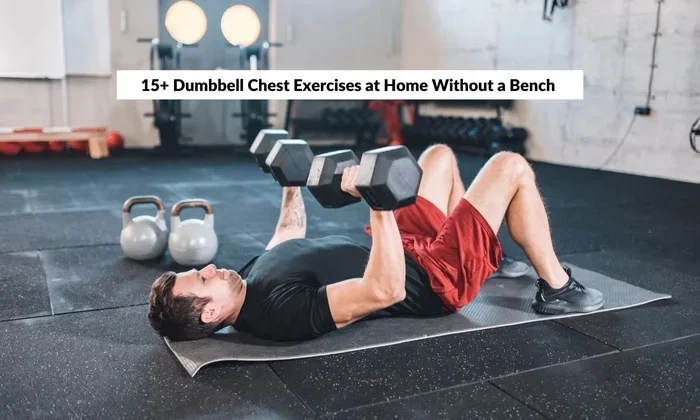
Learn how to build up your chest with dumbbells using proven exercises, proper form, and smart training strategies. This guide covers everything from basic movements to advanced techniques for maximum chest growth.
Key Takeaways
- Compound movements matter: Exercises like the dumbbell bench press and incline press target multiple chest muscles for balanced development.
- Form over weight: Proper technique ensures you activate the chest muscles effectively and avoid injury.
- Progressive overload is key: Gradually increasing weight or reps over time is essential for muscle growth.
- Train chest twice a week: Hitting your chest with dumbbells two to three times per week promotes faster gains.
- Mind-muscle connection matters: Focusing on squeezing your chest during each rep improves muscle activation.
- Rest and recovery count: Muscles grow outside the gym, so give your chest 48 hours between sessions.
- Nutrition fuels growth: Eating enough protein and calories supports chest muscle development.
📑 Table of Contents
- Introduction
- Why Dumbbells Are Perfect for Chest Building
- Understanding Your Chest Anatomy
- Best Dumbbell Exercises to Build Your Chest
- How to Build Up Your Chest with Dumbbells: A Complete Routine
- Common Mistakes That Slow Your Progress
- Pro Tips for Faster Chest Growth
- How Heavy Should Your Dumbbells Be?
- Nutrition and Recovery for Chest Development
- Conclusion
Introduction
Building a strong, well-defined chest is a goal for many fitness enthusiasts. The good news? You don’t need a fancy gym or expensive equipment. Dumbbells are all you need to develop impressive chest muscles. Whether you’re a beginner or experienced, how to build up your chest with dumbbells is a question worth exploring.
Dumbbell exercises offer incredible flexibility. You can target every part of your chest from home. Plus, they protect your joints and allow natural movement patterns. This guide walks you through everything you need to know.
Why Dumbbells Are Perfect for Chest Building
Many people think they need barbells or machines. But dumbbells actually give you more benefits for chest training. Let’s look at why they’re such a powerful tool.
Greater Range of Motion
Dumbbells allow a wider range of motion than barbells. Your arms can move freely at the top of each rep. This means more muscle fiber recruitment. Studies support this. A wider stretch under load leads to better growth.
Joint Safety and Comfort
Dumbbells are much kinder to your shoulders and wrists. They let your arms rotate naturally during pressing movements. This reduces strain on sensitive joints. You can train more often without pain or injury.
Unilateral Training Benefits
You can train each side independently with dumbbells. This helps fix muscle imbalances. It also improves core stability. Every rep forces both sides to work equally hard.
Understanding Your Chest Anatomy
To build your chest effectively, you need to know what you’re training. Your chest is made up of several muscles that work together. Targeting each one leads to a complete, balanced look.
The Pectoralis Major
This is the large muscle most people think of when they say “chest.” It has two main heads:
- Upper (clavicular) head: Located near your collarbone. This gives your chest that impressive upper sweep.
- Lower (sternal) head: Found in the middle and lower chest. This is the muscle that creates that thick, powerful look.
The Pectoralis Minor
This smaller muscle sits beneath the pectoralis major. It helps move your shoulders forward. Many people overlook it. But training it improves overall chest strength and appearance.
Supporting Muscles
Your front deltoids and triceps also play a big role. They assist during most chest pressing movements. A strong chest workout with dumbbells also develops these supporting muscles.
Best Dumbbell Exercises to Build Your Chest
Now let’s get to the good stuff. These exercises are proven to build serious chest mass. Each one targets different areas of your chest for complete development.
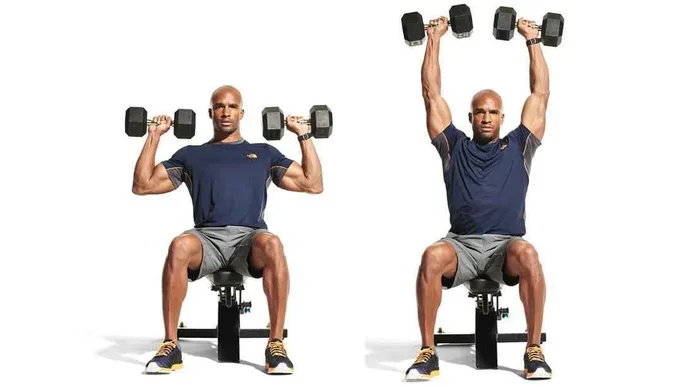
Dumbbell Bench Press
The king of chest exercises. Lie flat on a bench and press the dumbbells upward. This movement hits your entire chest. It also builds strong shoulders and triceps. Focus on lowering the weights slowly for maximum muscle activation.
Incline Dumbbell Press
Set your bench to a 30 to 45 degree angle. Press upward with control. This targets your upper chest. Most people have a weak upper chest. This exercise fixes that problem fast. It’s one of the best how to build upper chest at home with dumbbells movements.
Dumbbell Flyes
Lie flat and lower the dumbbells out to the sides in a wide arc. This is a pure isolation movement. It stretches and contracts your chest muscles completely. Keep a slight bend in your elbows. Squeeze hard at the top.
Floor Press
No bench? No problem. Lie on the floor and press the dumbbells up. Your elbows will stop at the ground. This limits range of motion slightly. But it still builds serious chest strength. It’s also a great exercise for how to work chest with dumbbells and no bench.
Svend Press
Hold two dumbbells together and press them straight out. This movement keeps constant tension on your chest. It’s a fantastic inner chest builder. Use lighter weights for this one. The squeeze at the top is everything.
Dumbbell Pullover
Lie on a bench lengthwise. Hold one dumbbell and lower it behind your head. This targets your chest and lats simultaneously. It’s a stretch under load, which is gold for muscle growth. Great for building that wide chest look.
How to Build Up Your Chest with Dumbbells: A Complete Routine
Knowing exercises is one thing. Putting together a smart routine is another. Here’s a proven plan for building your chest with dumbbells at home or in the gym.
Weekly Split
Train your chest two to three times per week. Allow at least 48 hours of rest between sessions. This gives your muscles time to recover and grow. Try this weekly setup:
- Day 1: Heavy compound chest work (bench press, incline press)
- Day 2: Rest
- Day 3: Chest isolation work (flyes, pullovers)
- Day 4: Rest
- Day 5: Moderate chest volume (mix of all exercises)
Sample Workout
Here’s a complete session you can follow. Perform three to four sets of each exercise.
- Incline Dumbbell Press: 4 sets of 8 to 10 reps
- Flat Dumbbell Bench Press: 4 sets of 8 to 12 reps
- Dumbbell Flyes: 3 sets of 10 to 15 reps
- Dumbbell Pullover: 3 sets of 12 reps
- Svend Press: 3 sets of 15 reps
Rest Periods
Rest 60 to 90 seconds between sets for isolation work. Rest 2 to 3 minutes for heavy compound lifts. This keeps your strength up during each session. Proper rest also supports muscle recovery.
Common Mistakes That Slow Your Progress
Even the best exercises fail if your form is off. These are the most common mistakes people make when trying to build their chest with dumbbells.
Using Too Much Weight
Swinging heavy dumbbells is dangerous and ineffective. It reduces muscle time under tension. You also risk shoulder injuries. Choose a weight you can control for the full range of motion. Every rep should be smooth and deliberate.
Poor Elbow Position
Flaring your elbows too wide shifts the workload to your shoulders. Tuck them at about 45 degrees. This keeps the focus on your chest. Small adjustments make a big difference.
Skipping the Stretch
Many people rush through the bottom of each rep. The stretch phase is where muscle growth happens. Lower the dumbbells slowly. Feel the stretch in your chest. Then squeeze hard on the way up. This is the chest building secret most people miss.
Not Using a Mind-Muscle Connection
Think about your chest during every single rep. Squeeze the muscle at the peak of each movement. Research shows this improves muscle activation. It’s simple but incredibly effective. You can even squeeze a pencil between your palms during presses to enhance the connection.
Pro Tips for Faster Chest Growth
Want to see real results faster? These expert-backed tips will help.
Progressive Overload
Your muscles adapt quickly. You need to keep challenging them. Add weight gradually. Or add an extra rep each week. Either approach works. Progressive overload is the engine of muscle growth. Without it, your progress stalls.
Train to Failure (Sometimes)
Take your last set to technical failure. This means you can’t do another clean rep. Don’t do this on every set though. Save it for the final set of each exercise. It triggers powerful growth signals.
Eat Enough Protein
Muscles need fuel to grow. Aim for 0.7 to 1 gram of protein per pound of body weight. Spread it across your meals. Good sources include chicken, eggs, fish, and Greek yogurt. Without enough protein, all your hard work goes to waste.
Get Enough Sleep
Growth hormone peaks during deep sleep. Aim for 7 to 9 hours per night. Your chest muscles recover and rebuild while you rest. Skimp on sleep and your gains suffer. This is non-negotiable for serious lifters.
Vary Your Angles
Your chest responds best to different angles. Flat work builds overall mass. Incline work targets the upper chest. Decline work hits the lower chest. Mix it up regularly. This ensures complete development from top to bottom.
How Heavy Should Your Dumbbells Be?
Choosing the right weight is crucial. Too light and you won’t build muscle. Too heavy and your form falls apart. Here’s a simple guide.
For compound movements like the bench press, use heavier weights. Aim for 8 to 12 reps. If you can easily do 15 reps, increase the weight. For isolation exercises like flyes, go lighter. Focus on the stretch and squeeze for 12 to 15 reps.
If you’re just starting out, don’t worry about heavy lifting. Build a foundation first. Master the form. Then gradually increase the load. This approach prevents injuries. It also builds long-term strength. For more guidance, check out this resource on how heavy your dumbbells should be to build muscle.
Beginner Weight Recommendations
- Men (beginner): 15 to 25 pound dumbbells for flat press
- Women (beginner): 8 to 15 pound dumbbells for flat press
- Incline press: Reduce weight by 20 to 30 percent
- Flyes and pullovers: Use 40 to 60 percent of your bench press weight
Nutrition and Recovery for Chest Development
Training is only half the battle. What you do outside the gym matters just as much. Your body builds muscle during recovery. Give it the right tools.
Caloric Surplus
You need extra calories to build muscle. Eat 250 to 500 calories above your maintenance level. Focus on whole foods. Don’t just eat junk. A controlled surplus supports muscle growth without excessive fat gain.
Protein Timing
Eat protein within 1 to 2 hours after your workout. This helps kickstart recovery. A shake with 20 to 30 grams of protein works well. Whole food meals are even better. Your body absorbs nutrients more efficiently when spread throughout the day.
Active Recovery
Light movement on rest days helps. Go for a walk. Do some gentle stretching. This increases blood flow to your muscles. It speeds up recovery. Your chest will thank you for it.
Conclusion
How to build up your chest with dumbbells is simpler than most people think. You don’t need fancy equipment or a gym membership. A set of dumbbells and a smart plan is all it takes. Focus on compound movements, train from multiple angles, and use progressive overload. Don’t forget the basics like protein, sleep, and proper form. Stay consistent and you will see results. Start your chest journey today and build the strong, powerful chest you’ve always wanted.
Frequently Asked Questions
How often should I train my chest with dumbbells?
Train your chest two to three times per week. Allow at least 48 hours of rest between sessions. This gives your muscles time to recover and grow stronger.
Can I build a big chest with just dumbbells?
Absolutely. Dumbbells offer a wide range of motion and great flexibility. Many people build impressive chest development using only dumbbells. Compound and isolation movements with dumbbells can build significant mass.
What is the best dumbbell exercise for chest growth?
The dumbbell bench press is considered the most effective. It targets your entire chest along with shoulders and triceps. Add incline presses and flyes for complete development.
How long until I see results in my chest?
Most people notice visible changes in 4 to 8 weeks. This depends on your training consistency, nutrition, and recovery. Stay patient and keep pushing yourself during workouts.
Should I use heavy or light dumbbells for chest exercises?
Use moderate to heavy weights for compound movements like the bench press. Aim for 8 to 12 reps. Use lighter weights for isolation exercises like flyes. Focus on controlled, full range of motion.
Do I need a bench to build chest with dumbbells?
A bench helps but isn’t required. You can perform floor presses and other movements on the ground. Many exercises work well without any equipment at all. Check out how to work chest with dumbbells and no bench for more ideas.