How Does a Rowing Machine Help Your Body
A rowing machine delivers a full body workout that targets over 80% of your muscles while boosting cardiovascular health and burning serious calories. It is one of the most effective low impact exercise machines for weight loss, muscle toning, and building endurance. Whether you are a beginner or a seasoned athlete, the rowing machine offers benefits that few other pieces of equipment can match.
A rowing machine is one of the most versatile and effective pieces of workout equipment you can own. Whether you want to shed extra pounds, build strength, or improve your heart health, this single machine delivers results. But exactly how does a rowing machine help your body? Let us break it down in simple terms so you understand every benefit this incredible machine offers.
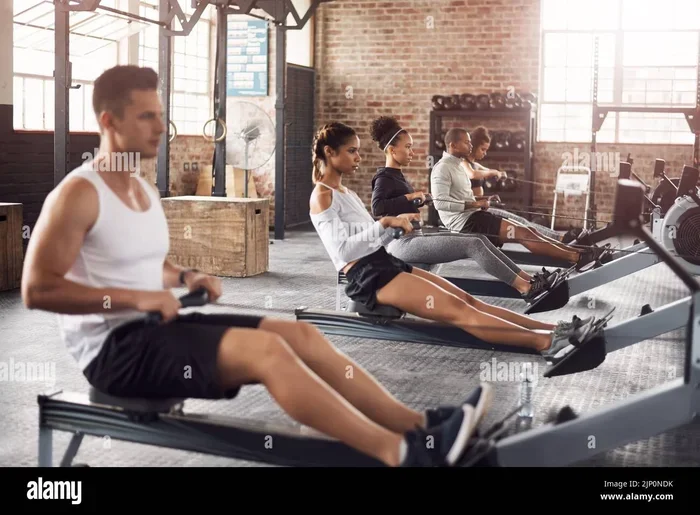
Indoor rowing has exploded in popularity over the past few years, and for good reason. Unlike treadmills that pound your knees or stationary bikes that mostly work your legs, a rowing machine brings your entire body into play. The smooth, gliding motion mimics real rowing on water, giving you an exercise experience that feels natural and highly effective.
Many people wonder if a rowing machine really lives up to the hype. The short answer is yes. Research supports what fitness enthusiasts have known for years: rowing is one of the best full body workouts you can do. It combines strength training and aerobic exercise into one seamless movement. This makes it incredibly efficient for people who want maximum results in minimum time.
Key Takeaways
- Full Body Engagement: A rowing machine works your legs, arms, back, and core in every single stroke.
- Cardiovascular Health: Regular rowing improves heart health and boosts endurance significantly.
- Low Impact Workout: It is gentle on your joints, making it ideal for all fitness levels and ages.
- Effective for Weight Loss: Rowing burns a high number of calories in a short amount of time.
- Muscle Toning and Strength: It builds lean muscle across multiple muscle groups simultaneously.
- Mental Health Benefits: Rowing reduces stress and improves mood through rhythmic, focused movement.
📑 Table of Contents
What Makes the Rowing Machine So Effective for Your Body
The rowing machine stands out because it engages nearly every major muscle group in a single exercise. When you pull the handle toward your chest, your arms, shoulders, and back fire up. When you push off the footplates, your legs drive the motion. And your core stabilizes your entire body throughout every stroke. This is why so many experts call it the ultimate full body workout machine.
One of the biggest advantages of indoor rowing is that it provides both aerobic and anaerobic benefits at the same time. Aerobic exercise improves your cardiovascular system, while anaerobic work builds muscle strength and power. Very few machines can claim this dual benefit. Treadmills focus mostly on cardio. Dumbbells focus mostly on strength. The rowing machine does both brilliantly.
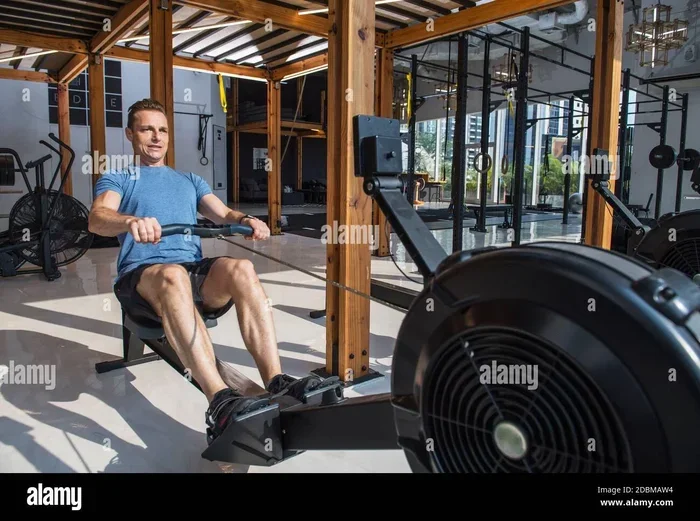
The rowing stroke itself is a four-part movement that includes the catch, the drive, the finish, and the recovery. Each phase targets different muscle groups, creating a balanced and comprehensive workout. When you learn proper rowing form, every single stroke becomes a mini full body exercise session.
The Four Phases of a Rowing Stroke
Understanding the rowing stroke helps you appreciate how this machine works your body so effectively.
- The Catch: You lean forward slightly with your arms extended and your shins vertical. Your core is engaged and ready.
- The Drive: This is the power phase. Your legs push first, then your hips swing open, and finally your arms pull the handle to your lower chest.
- The Finish: Your legs are fully extended, your hips are open, and the handle rests just below your ribcage. Your core is tight.
- The Recovery: You reverse the sequence smoothly. Arms extend first, then hips hinge forward, and finally your knees bend as you slide forward to the catch position.
Every phase works different muscles in harmony. This coordinated movement is what makes rowing so effective and why so many people experience rapid fitness improvements from consistent use.
The Muscles a Rowing Machine Targets
If you have ever asked yourself what body parts does a rowing machine work out, the answer might surprise you. The rowing machine targets more muscles than most people realize. It is not just an arm exercise or a leg exercise. It is a complete body conditioning tool.
How does a rowing machine help your body when it comes to muscle engagement? Let us look at the specific muscles involved in every stroke:
- Legs: Your quadriceps, hamstrings, glutes, and calves generate the initial power during the drive phase.
- Back: Your latissimus dorsi, rhomboids, and trapezius muscles pull the handle toward your torso.
- Arms and Shoulders: Your biceps, forearms, and deltoids control the handle throughout the stroke.
- Core: Your abdominals and obliques stabilize your spine and transfer power between your upper and lower body.
- Chest: Your pectoral muscles assist during the pulling phase of each stroke.
Because so many muscles work together, your body burns more calories during rowing than it does during isolated exercises. A rowing machine workout can burn between 400 and 800 calories per hour depending on your intensity level and body weight. This makes it one of the most efficient calorie burning machines available.
For those looking to build lean muscle while also improving endurance, rowing offers the perfect combination. It provides resistance training through the machine’s drag settings while also elevating your heart rate for cardiovascular benefits. This dual action is what sets rowing apart from most other exercise machines.
Cardiovascular and Heart Health Benefits
Your heart is a muscle, and like all muscles, it gets stronger with regular exercise. A rowing machine provides excellent cardiovascular training that strengthens your heart and improves blood circulation. Over time, this leads to lower blood pressure, improved cholesterol levels, and reduced risk of heart disease.
How does a rowing machine help your body from a heart health perspective? The rhythmic, continuous nature of rowing elevates your heart rate into the aerobic zone quickly. This means your heart and lungs get a thorough workout with every session. Even moderate rowing sessions can significantly improve your cardiovascular fitness over weeks and months.
Indoor rowing is particularly effective because you can easily control the intensity. Beginners can start at a comfortable pace and gradually increase resistance and speed as their fitness improves. This scalability makes rowing accessible to virtually everyone, regardless of current fitness level.
Rowing and Endurance Building
One of the most overlooked benefits of rowing is its ability to build endurance. Endurance is not just about being able to run longer or cycle farther. It is about your body’s overall ability to sustain physical effort over time. Rowing trains both your muscular endurance and your cardiovascular endurance simultaneously.
When you row regularly, your body becomes more efficient at delivering oxygen to your working muscles. Your lungs expand their capacity, and your heart pumps blood more effectively. These improvements translate into better performance in every area of your life, from climbing stairs to playing sports to keeping up with active children.
Studies show that consistent aerobic exercise like rowing can reduce the risk of chronic diseases including type 2 diabetes, stroke, and certain cancers. The health benefits of rowing extend far beyond the time you spend on the machine.
Rowing Machine for Weight Loss and Body Toning
Many people turn to a rowing machine specifically for weight loss. And rightfully so. Rowing is one of the most effective machines for burning calories and shedding unwanted body fat. But the benefits go beyond just the number on the scale.
How does a rowing machine help you lose weight so effectively? The answer lies in the combination of high calorie burn and muscle building. When you build lean muscle, your resting metabolic rate increases. This means you burn more calories even when you are not exercising. Rowing helps you create this lean muscle while simultaneously burning fat during your workout sessions.
For those specifically targeting belly fat, rowing offers a unique advantage. While spot reduction is not possible, the full body nature of rowing means you burn fat from all over your body, including your midsection. The intense core engagement during every stroke helps tone and tighten your abdominal area over time.
Compared to other machines, rowing often produces faster visible results. This is because it works so many muscles at once. A stationary bike might burn similar calories, but it does not engage your upper body or core to the same degree. The rowing machine gives you a more complete transformation.
Calorie Burn Comparison
Here is a general comparison of how different machines stack up for a 155-pound person exercising at moderate intensity for 30 minutes:
- Rowing Machine: Approximately 260 to 316 calories burned
- Stationary Bike: Approximately 210 to 260 calories burned
- Treadmill (Jogging): Approximately 240 to 300 calories burned
- Elliptical Trainer: Approximately 270 to 335 calories burned
As you can see, rowing competes with the best machines in the business. But remember, rowing also builds muscle, which gives it an edge for long-term weight management and body composition improvement.
Low Impact and Joint-Friendly Exercise
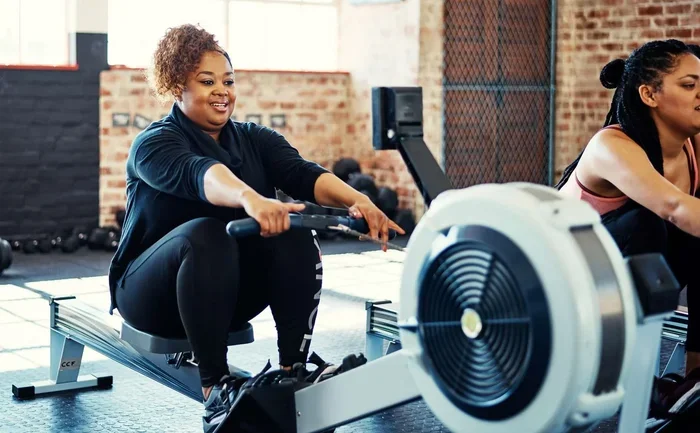
One of the greatest advantages of a rowing machine is that it is low impact. This means it puts minimal stress on your joints, particularly your knees and ankles. For people who are overweight, older adults, or those recovering from injuries, this makes rowing an ideal exercise option.
How does a rowing machine help your body if you have joint concerns? The sliding seat and smooth rowing motion eliminate the jarring impact that comes with running or jumping. Your feet never leave the footplates, and there is no pounding force on your joints. This allows you to get an intense workout without the wear and tear on your body.
People with conditions like arthritis or knee pain often find that rowing is one of the few exercises they can do comfortably. The joint friendly workout aspect of rowing opens up fitness opportunities for people who might otherwise struggle to exercise effectively.
Rowing for Seniors and Beginners
Rowing is incredibly forgiving when it comes to fitness level. Beginners can start with short sessions at low resistance and gradually build up. Seniors benefit from the seated position, which reduces strain on the back and legs while still providing an effective workout.
The key is to start slowly and focus on proper technique. Learning the correct rowing form from the beginning prevents injuries and ensures you get the most out of every session. Many gyms offer introductory rowing classes, and there are countless online tutorials that demonstrate proper technique step by step.
Because rowing is so adaptable, it serves as an excellent exercise machine for beginners and a challenging workout for advanced athletes. The resistance can be adjusted to match your current fitness level and progressively increased as you get stronger.
How to Get the Most Out of Your Rowing Sessions
Now that you understand all the incredible ways a rowing machine helps your body, let us talk about how to maximize those benefits. Proper technique, consistent routine, and smart programming all play a role in getting the best results.
Focus on technique first. Before you chase speed or resistance, master the rowing stroke. Poor form leads to inefficiency and potential injury. Spend your first few sessions learning the sequence: legs, hips, arms on the drive; arms, hips, legs on the recovery.
Start with short sessions. If you are new to rowing, begin with 10 to 15 minute sessions. As your fitness improves, gradually increase to 20, 30, or even 45 minutes. Consistency matters more than intensity when you are starting out.
Mix up your workouts. Try interval training where you alternate between high intensity bursts and recovery rows. This approach boosts your metabolism and improves both aerobic and anaerobic fitness. You can also try steady state rows at a moderate pace for endurance building.
Track your progress. Most modern rowing machines display stroke rate, distance, calories burned, and split time. Use these metrics to set goals and monitor your improvement over time. Seeing progress keeps you motivated and committed to your routine.
For those interested in using rowing specifically for weight loss goals, check out our guide on how does a rowing machine help you lose weight for more targeted strategies.
Rowing also complements other forms of exercise beautifully. Many athletes use rowing as a cross training tool to build full body strength and cardiovascular endurance. Whether you are a runner, cyclist, or weightlifter, adding rowing to your routine can help prevent imbalances and improve overall fitness.
If you want to understand the complete picture of what a rowing machine does, explore our detailed article on what does a rowing machine do for your body for even more insights.
Conclusion
The rowing machine is truly one of the best investments you can make for your health and fitness. It delivers a full body workout that builds muscle, strengthens your heart, burns calories, and protects your joints. Whether your goal is weight loss, muscle toning, or simply getting healthier, rowing has you covered.
What makes rowing so special is its accessibility. Almost anyone can use a rowing machine, regardless of age, fitness level, or physical limitations. The low impact nature means you can exercise consistently without worrying about injury, and the full body engagement means every minute you spend rowing counts.
Start with short sessions, focus on proper form, and build gradually. The benefits of rowing will compound over time, transforming your body and your overall health. Give it a try, and you will quickly understand why so many fitness enthusiasts consider the rowing machine their favorite piece of equipment.
Frequently Asked Questions
Is a rowing machine a good workout for beginners?
Absolutely. A rowing machine is one of the most beginner friendly exercise machines available. You can start with short sessions at low resistance and focus on learning proper technique. The seated position and smooth motion make it easy on your body while still delivering effective results.
How long should I row to see results?
Most people start noticing improvements in strength and endurance within two to three weeks of consistent rowing. For visible body composition changes like weight loss or muscle toning, aim for three to five sessions per week lasting 20 to 45 minutes each.
Can rowing help reduce belly fat?
Rowing is excellent for overall fat loss, which includes belly fat. Because it engages your core and burns a high number of calories, it creates the calorie deficit needed for fat loss. However, spot reduction is not possible, so combining rowing with a healthy diet yields the best results.
How does rowing compare to running for weight loss?
Both rowing and running are effective for weight loss, but rowing offers a significant advantage: it is low impact. Running can stress your joints over time, while rowing provides a similar calorie burn without the wear and tear. Many people find they can row longer and more frequently than they can run.
What muscles does a rowing machine work the most?
The rowing machine primarily works your legs, back, arms, and core. The drive phase of each stroke engages your quadriceps, glutes, hamstrings, and calves. The pull phase targets your lats, rhomboids, biceps, and shoulders. Your core stabilizes the entire movement throughout.
Can I use a rowing machine every day?
Yes, you can use a rowing machine daily because it is low impact and gentle on your joints. However, it is wise to vary the intensity. Use lighter sessions on consecutive days and save high intensity workouts for every other day. This approach prevents overtraining and promotes sustainable progress.