Do the Jump Rope Double Dutch Wit It
Do the Jump Rope Double Dutch Wit It is a fun and challenging rope jumping activity that combines rhythm, coordination, and cardio fitness. Whether you are a beginner or an experienced jumper, mastering this skill builds agility, endurance, and confidence. This guide walks you through everything from basic steps to advanced tricks. Double Dutch wit it is more than just a game — it is a full-body workout that people of all ages can enjoy.
Jump rope is one of the simplest and most effective workouts you can do. But when you add a second rope and a rhythm to it, everything changes. Do the Jump Rope Double Dutch Wit It is not just a playground activity — it is a skill, a workout, and a whole lot of fun. If you have ever watched someone fly through a double Dutch routine and thought, “I want to do that,” this guide is for you.
Double Dutch has been around for decades. Kids on sidewalks and adults in fitness classes all over the world enjoy it. The “wit it” part adds a rhythmic, musical element that makes the experience even more engaging. You are not just jumping — you are moving to a beat, coordinating your body with two spinning ropes, and building real athletic ability along the way.
In this article, we break down everything you need to know. From choosing the right gear to nailing your first jump, we cover it all. By the end, you will understand why double Dutch wit it has become such a popular fitness and recreation activity. Let us dive in.
Key Takeaways
- Double Dutch wit it is a dynamic jump rope game that uses two ropes turned in opposite directions.
- Learning the basic rhythm and footwork is the first step to mastering this skill.
- Choosing the right rope length and type makes a huge difference in your performance.
- Consistent practice and patience are key to improving your double Dutch technique.
- Double Dutch offers great cardio benefits and helps build coordination and agility.
- Common mistakes like poor timing and stiff posture can slow your progress.
- Advanced tricks and group play make double Dutch even more exciting and social.
📑 Table of Contents
- What Is Do the Jump Rope Double Dutch Wit It?
- Getting Started with Double Dutch
- Basic Techniques for Double Dutch
- Common Mistakes and How to Avoid Them
- Advanced Double Dutch Tricks and Moves
- Fitness Benefits of Double Dutch
- Tips for Getting Better at Double Dutch
- Where to Practice Double Dutch
- Conclusion
What Is Do the Jump Rope Double Dutch Wit It?
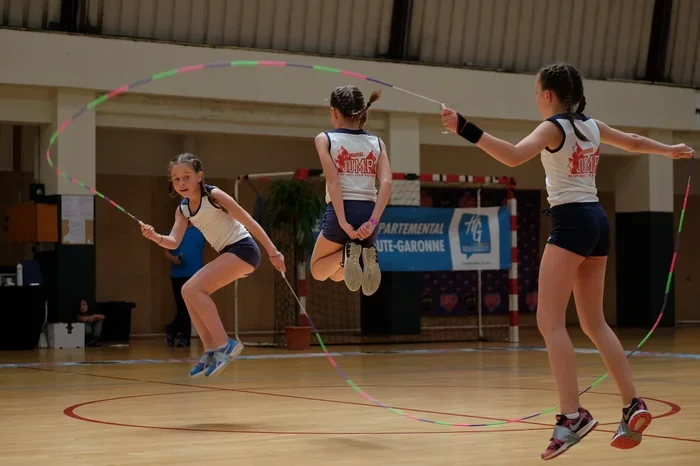
Double Dutch is a jump rope game where two people turn two ropes in opposite directions. One or more jumpers hop in and out of the ropes in time with the rhythm. The “wit it” part refers to the musical or rhythmic flow that skilled jumpers add to their routine. It makes the activity feel almost like a dance combined with a cardio workout.
Unlike single rope jumping, double Dutch requires more coordination, timing, and spatial awareness. You need to watch two ropes instead of one, time your jumps just right, and stay in rhythm. This is what makes it both challenging and rewarding.
Why People Love Double Dutch
There are many reasons people gravitate toward double Dutch. Here are some of the top ones:
- It is social. Double Dutch is usually done in groups, which makes it a great bonding activity.
- It is a full-body workout. You use your legs, arms, core, and even your brain to keep the rhythm.
- It is adaptable. You can go at your own pace or push yourself with advanced tricks.
- It is fun. Unlike running on a treadmill, double Dutch feels like play, not exercise.
Many people start with basic jumps and gradually work their way up to more complex moves. The journey of learning do the jump rope double Dutch wit it is part of what makes it so enjoyable.
Getting Started with Double Dutch
Before you jump in, you need the right setup. Having the correct equipment and a good understanding of the basics will save you a lot of frustration.
Choosing the Right Jump Rope
The rope you use matters a lot. Not all jump ropes are the same, and double Dutch has specific needs. You want ropes that are sturdy, smooth, and the right length. If the ropes are too short, they will drag on the ground. If they are too long, they will tangle easily.
For double Dutch, look for ropes made of durable material like vinyl or beaded nylon. These handle the extra speed and tension of two ropes turning at once. You can also check out our guide on the best jump rope for double unders to find the right fit for your needs.
How Long Should Your Double Dutch Rope Be?
Rope length is critical. When standing in the middle of a rope, the handles should reach about armpit height. If you are unsure about sizing, our detailed guide on how long should a double Dutch jump rope be can help you get the perfect fit every time.
Getting the length right means fewer tangles, smoother turns, and a much better jumping experience. It is one of the easiest ways to improve your double Dutch from day one.
Finding a Partner or Group
Double Dutch requires at least two people to turn the ropes. Ideally, you have a third person jumping. If you are just starting out, find a friend or family member who is willing to learn with you. Practicing together makes the process faster and more enjoyable.
Basic Techniques for Double Dutch
Now that you have your ropes and your group, it is time to learn the fundamentals. Mastering these basics will set you up for success as you progress.
The Two-Rope Turn
The foundation of double Dutch is the two-rope turn. Both turners hold a rope handle and swing their rope in opposite directions. One rope goes clockwise while the other goes counterclockwise. This creates a continuous loop that the jumper moves through.
Here is how to start:
- Both turners stand a comfortable distance apart, holding the rope at waist height.
- They begin swinging the ropes in opposite directions at a steady pace.
- The jumper stands to the side and waits for the right moment to enter.
- When the ropes are about to pass under their feet, the jumper hops in.
Timing is everything. The jumper needs to feel the rhythm of the ropes before jumping in. Start slow and gradually increase speed as you get more comfortable.
Basic Jumping Form
Once you are inside the ropes, keep these tips in mind:
- Keep your feet close together and jump lightly on the balls of your feet.
- Hold your arms relaxed at your sides.
- Keep your core engaged for balance.
- Look forward, not down at your feet.
- Breathe steadily and stay relaxed.
Good form prevents trips and injuries. It also helps you jump longer without getting tired. The goal is to make your movements smooth and efficient.
Adding Rhythm and Style
This is where the “wit it” part comes in. Once you can jump consistently, you can start adding personal flair. Try shifting your weight from side to side, doing small hops, or stepping in creative patterns. The rhythm of the ropes becomes your music, and your body becomes the instrument.
Many people find that double Dutch wit it feels like a dance. The ropes set the beat, and you respond with your movement. This is what makes it so addictive and fun.
Common Mistakes and How to Avoid Them
Everyone makes mistakes when learning double Dutch. The key is to recognize them early and correct them. Here are the most common ones:
Mistake 1: Starting Too Fast
New jumpers often want to go full speed right away. This leads to tangled ropes and frustration. Start at a slow, steady pace. Build your confidence before trying to go faster.
Mistake 2: Looking Down
It is natural to stare at your feet, but this throws off your balance and timing. Keep your eyes up and focus on the rhythm of the ropes instead.
Mistake 3: Stiff Arms and Shoulders
Tension in your upper body wastes energy and makes jumping harder. Keep your arms loose and let the ropes do the work.
Mistake 4: Poor Rope Length
As mentioned earlier, rope length matters a lot. Ropes that are too long or too short will cause constant tripping. Take the time to adjust them properly before each session.
Mistake 5: Ignoring the Turners
Double Dutch is a team effort. Communication with your rope turners is essential. Agree on a starting rhythm and stick to it. A smooth turn makes everything easier for the jumper.
Avoiding these mistakes will speed up your learning curve significantly. You will spend less time frustrated and more time actually enjoying the ropes.
Advanced Double Dutch Tricks and Moves
Once you have the basics down, you can start exploring more advanced techniques. This is where double Dutch becomes truly exciting.
Criss-Cross Jump
The criss-cross is one of the most iconic double Dutch moves. You cross your arms in front of your body while jumping, creating an X pattern with the ropes. It looks impressive and requires solid timing.
If you want a detailed breakdown of this technique, check out our guide on how to do the criss cross jump rope trick for step-by-step instructions.
Side Swings and Under-the-Leg Jumps
Side swings involve swinging one rope to the side while jumping with the other. Under-the-leg jumps require you to kick one leg forward or backward while the ropes pass under you. Both moves add flair and difficulty to your routine.
Running Into the Ropes
Advanced jumpers sometimes run into the double Dutch ropes instead of hopping in. This requires speed, precision, and perfect timing. It is a crowd-pleaser and a great way to challenge yourself.
Group Routines
With multiple jumpers, you can create full routines with synchronized moves, formations, and even music. Group double Dutch is a fantastic way to stay active with friends or in a fitness class setting.
Fitness Benefits of Double Dutch
Double Dutch is not just fun — it is also incredibly effective for fitness. Here are some of the key benefits:
- Cardiovascular endurance. Jumping rope gets your heart rate up quickly, improving heart health and stamina.
- Coordination and agility. Managing two ropes sharpens your hand-eye-foot coordination.
- Calorie burning. Double Dutch can burn as many calories as running, but with less impact on your joints.
- Core strength. Keeping your balance while jumping engages your abdominal muscles constantly.
- Bone density. The rhythmic impact of jumping helps strengthen bones over time.
- Mental focus. Staying in rhythm with two ropes requires concentration, which sharpens your mind.
Many fitness experts consider double Dutch one of the best full-body exercises available. It combines strength, cardio, balance, and coordination in one activity. If you are looking for a workout that does not feel like a workout, double Dutch is a great choice.
Tips for Getting Better at Double Dutch
Improving at double Dutch takes time and consistent practice. Here are some tips that will help you progress faster:
- Practice the rope turn first. Before jumping, have your turners practice a steady, even rhythm. A smooth turn makes jumping ten times easier.
- Start with one rope. If you are new to jumping, get comfortable with a single rope first. Then transition to double Dutch.
- Use a metronome or beat. Playing a steady beat can help you find your rhythm faster.
- Watch and learn. There are many great videos online showing double Dutch techniques. Watching skilled jumpers can teach you new moves and proper form.
- Be patient with yourself. Progress takes time. Celebrate small wins like your first successful jump or your first full minute without stopping.
- Stay consistent. Even 10 to 15 minutes of practice a few times a week will lead to noticeable improvement.
The journey of learning do the jump rope double Dutch wit it is a rewarding one. Every session you complete brings you closer to fluid, confident double Dutch skills.
Where to Practice Double Dutch
One of the best things about double Dutch is that you can do it almost anywhere. All you need is a flat surface and enough space for two ropes to swing freely.
- Parks and playgrounds. Open spaces with smooth surfaces are ideal.
- Gyms and fitness centers. Many gyms now offer double Dutch classes as group fitness activities.
- Backyards and driveways. As long as the ground is flat and clear, you are good to go.
- School gyms and recreation centers. These spaces often have the room and flooring needed for double Dutch.
Make sure the area is free of obstacles and has enough overhead clearance. You do not want ropes hitting low ceilings or tree branches.
Conclusion
Do the Jump Rope Double Dutch Wit It is a fantastic activity that blends fitness, fun, and creativity. Whether you are looking for a new way to stay active, want to impress your friends, or simply enjoy the joy of jumping rope, double Dutch delivers on all fronts.
Start with the basics, be patient with your progress, and gradually work your way up to more advanced moves. The right equipment, good technique, and consistent practice will take you far. Double Dutch is more than a childhood pastime — it is a powerful workout and a social activity that people of all ages can enjoy.
Grab your ropes, find a partner, and start your double Dutch journey today. The ropes are waiting, and the rhythm is calling.
Frequently Asked Questions
What does “wit it” mean in double Dutch?
The “wit it” part refers to adding rhythm, style, and musical flow to your double Dutch jumping. It is about making the routine feel like a dance rather than just a fitness exercise. Adding “wit it” to your double Dutch makes the experience more enjoyable and expressive.
Is double Dutch a good workout for beginners?
Absolutely. Double Dutch can be adapted to any fitness level. Beginners can start with slow rope turns and basic jumps, then gradually increase speed and complexity. It is a low-impact exercise that is gentle on the joints while still providing an excellent cardio workout.
How long does it take to learn double Dutch?
Most people can learn the basics of double Dutch within a few practice sessions. However, mastering more advanced tricks and maintaining a smooth rhythm takes longer. With consistent practice, you can see significant improvement within a few weeks.
Can I do double Dutch alone?
Double Dutch traditionally requires at least two people to turn the ropes and one person to jump. You can practice rope turning alone or work on single rope skills by yourself. But the full double Dutch experience is best enjoyed with a group.
What type of jump rope is best for double Dutch?
For double Dutch, you want ropes that are sturdy, lightweight, and rotate smoothly. Beaded nylon or vinyl ropes are popular choices because they hold their shape and turn easily. Check out our guide on the best jump rope for double unders for specific recommendations.
How many calories can you burn doing double Dutch?
Double Dutch is a high-intensity activity that can burn a significant number of calories. Depending on your weight and intensity level, you can burn anywhere from 700 to 1,000 calories per hour. It is one of the most efficient cardio exercises you can do, rivaling running but with less joint stress.