Ready to wow friends with a slick jump rope move? In this guide we break down how to do the criss cross jump rope trick, from basic stance to flawless execution. Follow our easy steps, avoid common mistakes, and turn a simple rope into a fun, calorie‑burning workout.
Key Takeaways
- Proper stance matters: A balanced foot position sets the foundation for a smooth criss cross.
- Timing is everything: Sync your wrist rotation with the jump to keep the rope crossing cleanly.
- Core engagement protects your back: Keeping the core tight prevents wobble and improves speed.
- Progressive practice works: Start with single crosses, then add double unders for advanced skill.
- Equipment choice counts: A lightweight, 9‑ft rope and supportive shoes make learning easier.
- Consistent warm‑up reduces injury: Dynamic stretches prepare ankles, calves, and shoulders.
- Video feedback accelerates learning: Recording yourself helps spot timing errors fast.
📑 Table of Contents
Introduction: Why the Criss Cross Is Worth Learning
If you’ve ever watched a fitness video and seen someone spin a rope like a dancer, you’ve probably wondered how they make it look so effortless. The criss cross jump rope trick is one of the most popular moves because it looks impressive, burns extra calories, and improves coordination. Unlike basic jumps, the criss cross forces you to sync your arms, wrists, and feet in a rhythm that challenges both the mind and the body.
Learning how to do the criss cross jump rope trick also adds variety to your cardio routine. It breaks the monotony of plain jumps, keeps your heart rate higher, and engages your core more intensely. Whether you’re a beginner looking for a new challenge or an experienced jumper wanting to spice up a HIIT circuit, this guide will walk you through every detail you need to master the move.
1. Preparing Your Body and Gear
1.1 Choose the Right Rope
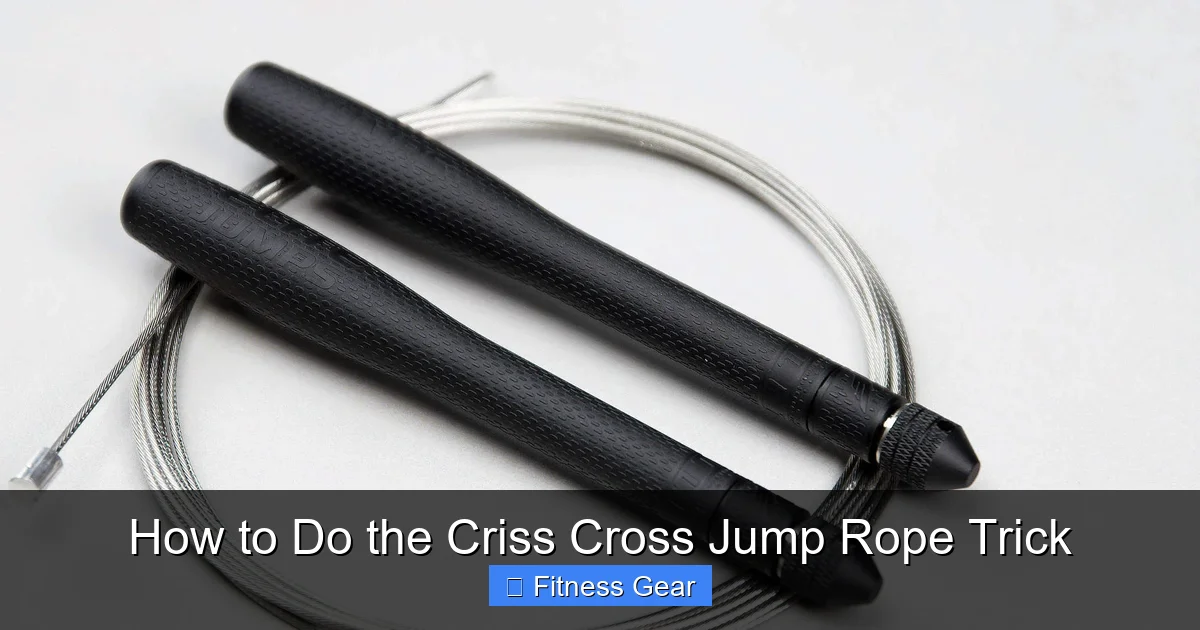
The first step in how to do the criss cross jump rope trick is picking a rope that matches your height and skill level. A 9‑foot (2.7 m) speed rope works for most adults. If you’re under 5 ft tall, opt for an 8‑foot rope. Look for a rope with a thin, coated cable and comfortable handles that won’t slip when you rotate them quickly.

Visual guide about How to Do the Criss Cross Jump Rope Trick
Image source: i.pinimg.com
1.2 Wear Supportive Footwear
Good shoes are essential. Choose low‑profile trainers with a firm heel counter and enough cushioning for repeated landings. Avoid heavy boots or sandals; they will throw off your balance and increase the risk of ankle strain.
1.3 Warm‑Up the Whole System
A proper warm‑up prepares the calves, ankles, shoulders, and core. Spend 5‑7 minutes on dynamic movements such as:
- Leg swings (front‑to‑back and side‑to‑side)
- Arm circles (small to large)
- Hip circles
- Light jogging in place
- Torso twists
Finish with 30 seconds of basic jumps to get the rope moving and your heart rate up.
2. Mastering the Basic Jump
2.1 Find Your Rhythm
Before you attempt the criss cross, you need a comfortable jump rhythm. Keep your elbows close to your sides, wrists relaxed, and use a gentle flick to swing the rope. Aim for 2‑3 jumps per second. Count “one‑two” in your head to stay consistent.
Visual guide about How to Do the Criss Cross Jump Rope Trick
Image source: elitejumps.co
2.2 Perfect Your Landing
Land softly on the balls of your feet, knees slightly bent, and hips aligned under your knees. This stance absorbs impact and keeps you ready for the cross‑over motion.
2.3 Practice Single‑Leg Jumps
Single‑leg hops improve balance and strengthen the stabilizing muscles you’ll need for the criss cross. Alternate legs every 10 seconds for a minute.
3. Learning the Criss Cross Motion
3.1 The Visual Cue
Imagine drawing an “X” in front of you with the rope. The crossing point should be about waist height, directly in front of your torso. This mental picture helps you time the wrist flick and the jump.

Visual guide about How to Do the Criss Cross Jump Rope Trick
Image source: elitejumps.co
3.2 Step‑by‑Step Breakdown
Here’s the core of how to do the criss cross jump rope trick:
- Start with a basic jump. Keep the rope moving in a smooth, circular path.
- On the next rotation, bring your wrists together. As the rope reaches the front of your body, twist your wrists so the handles cross.
- Jump higher. The rope now travels a slightly longer path, so you need a bit more height to let it pass under your feet.
- Let the rope cross. The handles should intersect in front of you while the rope slides under your feet.
- Uncross the handles. As the rope completes the rotation, release the twist so the handles return to parallel.
- Land softly and repeat. Keep your core tight and eyes forward.
3.3 Timing Tips
The most common mistake when learning how to do the criss cross jump rope trick is mistiming the wrist twist. A good rule of thumb: start the twist just as the rope passes the front of your hips, not when it’s already near your knees. This gives the rope enough space to cross without hitting your shins.
3.4 Common Errors and Fixes
- Too low a jump: The rope will hit your feet. Add a half‑inch of extra height.
- Wrist fatigue: Keep the grip relaxed; the power comes from a quick flick, not a strong squeeze.
- Crossing too early: You’ll catch the rope on the handles. Delay the twist until the rope is at the front‑hip line.
4. Building Speed and Endurance
4.1 Incremental Increases
Start with sets of 10 criss crosses, resting 30 seconds between sets. When you can complete three sets comfortably, add five more repetitions each week. This gradual load prevents over‑training and keeps your form sharp.
4.2 Integrating Into HIIT
Combine the criss cross with other jumps for a high‑intensity interval:
- 30 seconds basic jumps
- 15 seconds criss cross
- 30 seconds high knees
- 15 seconds rest
Repeat the circuit 4‑6 times for a cardio blast that also improves coordination.
4.3 Monitoring Heart Rate
Use a wrist‑based monitor or a simple talk test. During criss cross intervals, you should be able to speak only a few words before needing to breathe. This indicates you’re in the optimal cardio zone (70‑85% of max HR).
5. Advanced Variations
5.1 Double Criss Cross
Once you’re comfortable with a single cross, try crossing the rope twice in one rotation. The timing is tighter; practice the wrist twist twice before the rope reaches the front of your hips.
5.2 Criss Cross with Side Swings
Combine a side swing (rope moves horizontally across the body) with a cross. This adds a lateral challenge and works the obliques more intensely.
5.3 Adding a Turn (360° Jump)
Perform a small 360° turn of your body while executing the criss cross. This requires strong core control and precise foot placement. Start by turning only 90° and gradually increase the rotation.
6. Tracking Progress and Staying Motivated
6.1 Keep a Jump Log
Write down the number of successful criss crosses, sets, rest time, and how you felt. Seeing numbers improve over weeks is a huge confidence booster.
6.2 Use Video Playback
Record a short clip of each practice session. Playback lets you spot early mistakes—like crossing the rope too low—without relying on memory.
6.3 Celebrate Milestones
Reward yourself when you hit a new goal, such as 50 continuous criss crosses. A new pair of socks, a protein shake, or a quick walk outside can reinforce the habit.
Conclusion
Learning how to do the criss cross jump rope trick is a blend of technique, timing, and practice. By starting with the right rope, warming up properly, mastering the basic jump, and then adding the cross motion step by step, you’ll quickly move from shaky attempts to smooth, confident repetitions. Remember to stay patient, use video feedback, and progress at a pace that feels challenging but manageable. With consistent effort, the criss cross will become a staple in your fitness arsenal, boosting cardio, coordination, and confidence.
Frequently Asked Questions
What length rope should I use for the criss cross?
For most adults, a 9‑foot (2.7 m) speed rope works best. If you’re under 5 ft tall, choose an 8‑foot rope to keep the swing comfortable.
How high should I jump when doing the criss cross?
Jump just high enough for the rope to clear your feet—usually about half an inch higher than a normal jump. Too high wastes energy and can throw off timing.
Can I learn the criss cross without a weighted rope?
Yes. A lightweight, coated cable is ideal for beginners because it spins faster and requires less wrist strength.
How many sets should I do when I’m first learning?
Start with three sets of 10 criss crosses, resting 30 seconds between sets. Add five reps each week as you get comfortable.
Is the criss cross good for burning calories?
Absolutely. The added arm and core work raises your heart rate, helping you burn roughly 10‑15% more calories than basic jumps.
What common mistake should I avoid?
Crossing the rope too early is the most frequent error. Wait until the rope reaches the front‑hip line before twisting the handles.