What Part of Body Does Rowing Machine Tone
A rowing machine is a powerful tool for toning multiple muscle groups across your entire body. It targets your legs, arms, back, and core all in one smooth motion. Keep reading to discover exactly which muscles get the most work and how to get the best results from every stroke.
If you have been wondering what part of body does rowing machine tone, you are in the right place. A rowing machine is one of the most effective pieces of fitness equipment you can use at home or at the gym. It works multiple muscle groups at the same time, giving you a efficient and rewarding workout. In this article, we will break down exactly which muscles get toned when you use a rowing machine. You will also learn proper technique, common mistakes, and tips to get the best results from every stroke.
Many people think rowing is just an arm exercise. That is a common myth. In reality, a rowing machine engages your entire body from head to toe. The beauty of indoor rowing is that it combines cardio and resistance training in one smooth motion. This makes it a favorite among fitness enthusiasts who want a full body workout without putting too much stress on their joints.
Key Takeaways
- Full Body Toning: A rowing machine works your legs, back, arms, and core simultaneously, making it one of the most efficient tools for muscle toning.
- Legs Drive the Stroke: Your quadriceps, hamstrings, and glutes generate the most power during each rowing stroke.
- Upper Body Benefits: Your lats, rhomboids, biceps, and shoulders all get activated as you pull the handle toward your chest.
- Core Stability is Key: Your abs and obliques work hard to stabilize your body throughout the entire rowing motion.
- Proper Form Matters: Using the correct rowing technique prevents injury and ensures every muscle group gets properly toned.
- Low Impact, High Reward: Rowing is gentle on your joints while still delivering an intense muscle toning workout.
- Consistency Beats Intensity: Regular rowing sessions with good form will give you better toning results than occasional intense workouts.
📑 Table of Contents
How a Rowing Machine Tones Your Body
The Science Behind Muscle Toning
Muscle toning happens when you challenge your muscles through repeated contractions. A rowing machine uses your own body weight and adjustable resistance to create this challenge. Each stroke on the rowing machine forces your muscles to work against resistance. Over time, this builds lean muscle and improves muscle definition.
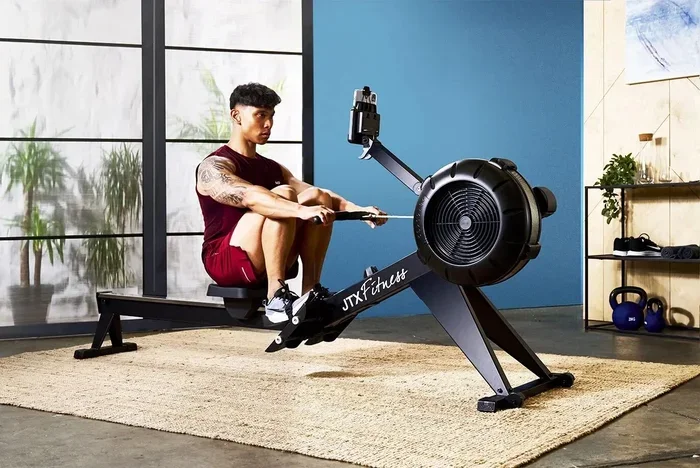
The rowing stroke has four distinct phases. Each phase activates different muscle groups. This is why rowing is so effective for full body toning. The drive phase pushes your legs out and pulls your arms in. The recovery phase resets your body for the next stroke. Together, these phases create a balanced workout that tones muscles all around your body.
Why Rowing Stands Out From Other Machines
Unlike a treadmill or stationary bike, a rowing machine gives you both upper and lower body toning. It also works your core in every single stroke. When you compare it to what a rowing machine does for your body, the results speak for themselves. Rowing targets over 80 percent of your muscles. That is more than almost any other cardio machine.
Another big advantage is the low impact nature of indoor rowing. Your feet stay planted on the footplates, and your body glides smoothly on the seat. This means less stress on your knees and hips. If you have joint issues or are recovering from an injury, rowing can be a gentle way to stay active while still building toned muscles.
If you are curious about how a rowing machine compares to other equipment, check out what a rowing machine does for your body to understand the full scope of benefits.
The Primary Muscle Groups Targeted
Understanding which muscles a rowing machine works helps you appreciate the full value of each stroke. The primary muscle groups include your legs, back, arms, and core. Let us break these down so you can see exactly how what part of body does rowing machine tone plays out in real time.
During the drive phase of the stroke, your legs push first. Then your back and arms pull second. During the recovery phase, your arms extend first, then your back leans forward, and finally your knees bend. This sequenced activation is what makes rowing so effective. Every muscle group gets its moment to work and then rest in a rhythmic cycle.
If you want a deeper look at all the areas a rowing machine engages, you can explore what parts of the body a rowing machine works for a more detailed breakdown of muscle activation patterns.
Leg Muscles
Your legs are the engine of the rowing stroke. They generate the most power and do the heaviest lifting. The quadriceps, located on the front of your thighs, extend your knees during the drive. Your hamstrings, on the back of your thighs, help control the recovery phase. Your glutes fire up as you push off the footplates, and your calves stabilize your ankles throughout the stroke.
Over time, consistent rowing will tone your legs and give them a more defined appearance. The repetitive pushing motion builds lean muscle without creating bulk. This is one reason why rowing is so popular among people who want sleek, toned legs.
Back and Arm Muscles
Your back muscles do a huge amount of work during each stroke. The latissimus dorsi, or lats, are the large muscles across your back. They pull your arms backward during the drive phase. Your rhomboids and trapezius muscles stabilize your shoulder blades. Your erector spinae runs along your spine and keeps your back straight throughout the motion.
Your arms also get a great workout. Your biceps pull the handle toward your chest. Your forearms grip the handle and control the movement. Your shoulders, especially the rear deltoids, engage as you complete each pull. Together, these muscles create the pulling motion that defines the rowing stroke.
Core Strength and the Rowing Stroke
Your core is the bridge between your upper and lower body during every rowing stroke. It stabilizes your torso, transfers power from your legs to your arms, and keeps your form solid. Without a strong core, your rowing technique falls apart and your muscles do not get fully toned.
Your rectus abdominis, the front of your abs, works to keep your torso upright. Your obliques on the sides of your waist rotate and stabilize your spine. Even your deep transverse abdominis engages to hold your midsection firm. This is why many people notice improved core strength after just a few weeks of regular rowing.
A strong core does more than help your rowing. It improves your posture, reduces back pain, and supports every other movement you do in daily life. Rowing is one of the best ways to build functional core strength while also getting a great cardio workout.
Maximizing Muscle Toning with Proper Form
Common Mistakes That Reduce Toning Results
One of the biggest mistakes people make is using only their arms. Your arms should finish the stroke, not start it. If you pull with your arms first, you put unnecessary strain on your shoulders and miss the power of your legs. Remember the sequence: legs push, back swings, arms pull.
Another common error is hunching your back. A rounded spine reduces the engagement of your back muscles and can lead to pain over time. Keep your chest lifted and your shoulders relaxed. Think tall and proud throughout every stroke.
Rushing the recovery phase is also a mistake. The recovery should be slow and controlled. This is when your muscles reset for the next powerful drive. If you rush through it, you lose the eccentric muscle engagement that helps with toning. Slow and steady wins the toning game.
Quick Tips for Better Results
- Start with low resistance: Focus on form before increasing the damper setting. Proper technique leads to better toning.
- Use a mirror or record yourself: Watching your form helps you spot issues you cannot feel.
- Keep your strokes smooth: Jerky movements waste energy and reduce muscle engagement.
- Breathe with the stroke: Exhale during the drive and inhale during the recovery.
- Row consistently: Aim for 3 to 5 sessions per week to see steady toning progress.
- Mix up your workouts: Try interval training and steady-state rows to challenge your muscles in different ways.
How Often Should You Row for Best Toning?
For visible muscle toning, aim for 3 to 5 rowing sessions per week. Each session should last between 20 and 45 minutes. If you are new to rowing, start with shorter sessions and gradually increase your time. Your muscles need both stimulus and recovery to grow and tone properly.
Combining rowing with a balanced diet will accelerate your results. Protein helps repair and build muscle after each workout. Staying hydrated keeps your muscles functioning at their best. And getting enough sleep allows your body to recover and grow stronger between sessions.
Rowing is also a fantastic way to boost your overall fitness. It improves cardiovascular health, increases endurance, and burns calories effectively. If you want to learn more about the broader benefits of this equipment, check out does a rowing machine give a full body workout for deeper insights into the complete training experience.
Rowing Toning vs. Other Forms of Exercise
How does rowing compare to other toning exercises? Let us look at a few popular options. Running and cycling primarily target your lower body. They are great for cardio but do not tone your upper body as effectively. Weight lifting builds muscle mass but requires separate exercises for each muscle group. Yoga improves flexibility and core strength but may not provide enough resistance for significant muscle toning.
Rowing stands out because it combines cardio and resistance in a single movement. It tones your entire body in one session. It is also adaptable to any fitness level. You can increase or decrease the resistance to match your current strength. This makes rowing accessible for beginners and challenging for advanced athletes alike.
The low impact nature of rowing is another major advantage. Exercises like running can be hard on your joints over time. Rowing lets you get an intense workout without the wear and tear on your knees, hips, and ankles. This is especially valuable for people who are older, overweight, or recovering from injuries.
When you look at the big picture, what part of body does rowing machine tone really comes down to this: almost everything. From your calves to your lats, from your abs to your forearms, rowing touches muscles that many other exercises miss. That is what makes it such a powerful tool for anyone looking to get toned and fit.
For more information on the wide-ranging benefits, explore the benefits of using a rowing machine to understand how this equipment supports your overall fitness journey.
Final Thoughts on Rowing Machine Toning
A rowing machine is one of the most versatile and effective pieces of fitness equipment you can own. It tones your legs, back, arms, and core in every single stroke. The rhythmic, full body motion builds lean muscle, improves endurance, and boosts your overall fitness. Whether you are a beginner or a seasoned athlete, rowing offers something for everyone.
The key to getting the best results is consistency and proper form. Focus on technique, stay patient, and trust the process. Your body will respond to the work you put in. Start with short sessions, build up gradually, and enjoy the journey toward a stronger, more toned physique.
Remember, the best exercise is the one you enjoy and can stick with long term. Rowing checks every box. It is effective, low impact, and engaging. So grab that handle, set your resistance, and start toning your entire body one stroke at a time.
Frequently Asked Questions
Does a rowing machine tone your stomach?
Yes, your core muscles including your abs and obliques are engaged with every rowing stroke. The rhythmic motion of pushing and pulling forces your midsection to stabilize your torso throughout the workout. Over time, this leads to a stronger and more toned stomach area.
Can rowing help tone flabby arms?
Absolutely. The pulling motion of rowing activates your biceps, forearms, and shoulders. When combined with a healthy diet and consistent training, rowing can help reduce arm fat and build lean, toned arm muscles. It is one of the best cardio exercises for arm toning.
How long does it take to see toning results from rowing?
Most people start noticing improvements in muscle tone after 4 to 6 weeks of consistent rowing. Results depend on your frequency, intensity, and diet. Rowing 3 to 5 times per week for 20 to 45 minutes per session will give you the best toning outcomes.
Is rowing better than running for toning?
Rowing tones more muscle groups than running because it engages your upper body, core, and lower body simultaneously. Running is excellent for cardio and leg toning but does not work your arms or back as effectively. For full body toning, rowing has a clear advantage.
What resistance setting should I use for toning?
Start with a moderate resistance setting, around 3 to 5 on most machines. Focus on maintaining proper form and smooth strokes. As you get stronger, you can gradually increase the resistance. The goal is to challenge your muscles without sacrificing technique.
Can beginners use a rowing machine for toning?
Yes, rowing is very beginner friendly. Start with short sessions of 10 to 15 minutes and focus on learning the correct rowing form. As your technique improves and your endurance builds, you can increase the duration and intensity. The low impact nature makes it safe for most fitness levels.