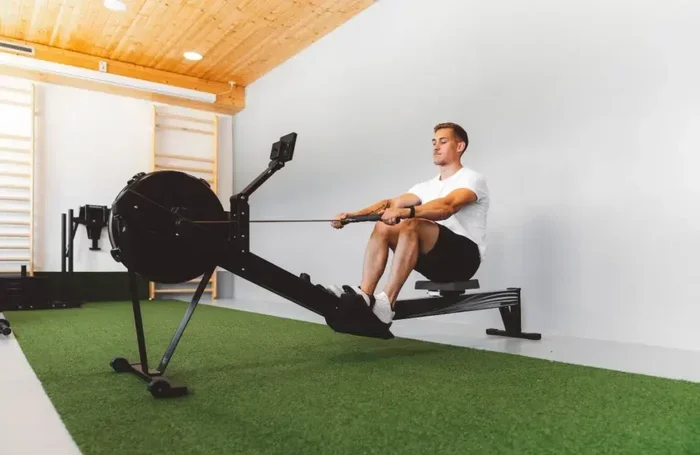
What Does Rowing Machine Do for Your Body

A rowing machine delivers a powerful full-body workout that targets over 80% of your muscles. It improves heart health, burns serious calories, and builds strength without stressing your joints. Whether you are a beginner or a seasoned athlete, the rowing machine offers benefits that few other pieces of equipment can match.
A rowing machine is one of the most underrated pieces of gym equipment out there. Many people see it sitting in the corner of the gym and walk right past it. But if you know what a rowing machine does for your body, you will never ignore it again. This simple machine offers a workout that few other tools can rival.
The beauty of indoor rowing is its simplicity. You sit, you pull, and your entire body moves. Yet behind that simple motion lies a workout that engages over 80 percent of your muscles. It strengthens your heart, torches calories, and builds endurance. Whether you want to lose weight, get stronger, or just feel better, the rowing machine delivers.
In this guide, we will break down exactly what a rowing machine does for your body. You will learn which muscles it targets, how it benefits your heart, and why it is one of the best low-impact exercises available. We will also cover common mistakes and tips to get the most from every stroke. Let us dive in.
Key Takeaways
- Full-Body Engagement: A rowing machine works your legs, core, back, and arms all at once.
- Low Impact: It is gentle on your joints while still delivering a high-intensity workout.
- Heart Health: Regular rowing improves cardiovascular fitness and lowers blood pressure.
- Calorie Burning: You can burn 400 to 800 calories per hour depending on intensity.
- Posture Improvement: Rowing strengthens the muscles that support good posture.
- Mental Health Boost: It reduces stress and anxiety through rhythmic, meditative movement.
📑 Table of Contents
- What Does a Rowing Machine Do for Your Body?
- Cardiovascular and Heart Health Benefits
- Calorie Burning and Weight Loss
- Muscle Building and Strength Gains
- Mental Health and Stress Relief
- Common Mistakes and How to Fix Them
- Expert Insights: Why Rowing Deserves a Spot in Your Routine
- How to Get Started With Rowing
- Final Thoughts
What Does a Rowing Machine Do for Your Body?
When you hop on a rowing machine, you are signing up for a full-body experience. Unlike a treadmill that mostly works your lower body, rowing pulls nearly every major muscle group into the movement. Each stroke is a coordinated effort that builds strength and endurance at the same time.
The rowing motion has four distinct phases: the catch, the drive, the finish, and the recovery. During the drive, your legs push, your core engages, and your arms pull. During the recovery, you reverse the motion. This constant back-and-forth keeps your heart rate up and your muscles working. That is why a rowing machine workout is so effective for overall fitness.
What Body Parts Does a Rowing Machine Work Out?
Rowing targets a surprising number of muscle groups. Here is a breakdown of what gets worked with every stroke:
- Legs: Your quads, hamstrings, and calves power the initial push.
- Core: Your abs and lower back stabilize your torso throughout the movement.
- Back: Your lats and rhomboids pull the handle toward your chest.
- Arms: Your biceps and forearms complete the pull motion.
- Glutes: Your glutes fire during the leg drive phase.
For a more detailed look at which muscles get activated, check out our guide on what body parts a rowing machine works out. The full-body nature of rowing is exactly why it stands out from other gym equipment.
Cardiovascular and Heart Health Benefits
One of the biggest reasons people turn to a rowing machine is for cardiovascular health. Rowing gets your heart pumping and your blood flowing. Over time, this leads to real improvements in heart function and endurance.
When you row at a moderate pace, your heart rate stays in the aerobic zone. This is the zone where your body gets better at delivering oxygen to your muscles. Regular training in this zone strengthens your heart and lungs. It also lowers your resting heart rate and blood pressure over time.
How Rowing Improves Your Heart
Here is what happens inside your body when you row consistently:
- Your heart becomes stronger and more efficient at pumping blood.
- Your blood vessels become more flexible and responsive.
- Your lungs improve their oxygen exchange capacity.
- Your resting heart rate drops, meaning less strain on your heart.
- Your cholesterol profile improves with regular cardiovascular exercise.
These benefits are not just theory. Studies show that consistent indoor rowing can significantly reduce the risk of heart disease. Even 20 to 30 minutes of rowing a few times a week makes a real difference. Your heart is a muscle, and rowing is one of the best ways to train it.
Calorie Burning and Weight Loss
If weight loss is your goal, the rowing machine is a serious contender. It burns calories at a high rate while preserving lean muscle mass. This combination is rare and incredibly valuable for anyone trying to shed fat.
The number of calories you burn depends on your weight, intensity, and technique. A 155-pound person can burn roughly 400 to 600 calories in 30 minutes of vigorous rowing. That is comparable to running but with far less stress on your knees and ankles.
Rowing Machine vs. Other Equipment for Calorie Burn
| Equipment | Calories Burned (30 min) | Impact Level |
|---|---|---|
| Rowing Machine | 400 – 600 | Low |
| Treadmill (Running) | 300 – 500 | High |
| Exercise Bike | 250 – 400 | Low |
| Elliptical Machine | 300 – 450 | Low |
| Jump Rope | 350 – 550 | Medium |
As you can see, the rowing machine holds its own against other popular cardio machines. And because it is joint friendly, you can row longer and more frequently without the wear and tear that running causes.
For more information on how rowing compares to other equipment, read our article on does a rowing machine give a full body workout. It covers the unique full-body advantage that makes rowing so efficient for calorie burning.
Muscle Building and Strength Gains
Many people think rowing is only a cardio exercise. That is a mistake. Rowing is also a powerful strength-building tool. The resistance from the flywheel forces your muscles to work hard with every stroke.
Unlike lifting weights where you isolate one muscle group, rowing builds functional strength across your entire body. This means the strength you gain transfers directly to real-world movements. You will notice improvements in your posture, your lifting capacity, and your overall physical endurance.
Which Muscles Grow Strongest With Rowing?
The primary muscles that develop with consistent rowing include:
- Latissimus Dorsi: The large back muscles that give you that V-shaped torso.
- Quadriceps: The front of your thighs that power each drive.
- Erector Spinae: The muscles along your spine that support your lower back.
- Deltoids and Biceps: Your upper body muscles that complete the pull.
- Abdominals: Your core stabilizes every single stroke.
For a deeper dive into which muscles rowers target most, visit our piece on what part of the body a rowing machine tones. It breaks down the muscle activation patterns in detail.
Quick Tips for Building Muscle on a Rowing Machine
- Increase the damper setting to 6 or 7 for more resistance.
- Focus on driving through your legs rather than just pulling with your arms.
- Try interval training: alternate between 30 seconds of hard rowing and 1 minute of easy rowing.
- Row at least 3 times per week for consistent strength gains.
Mental Health and Stress Relief
Rowing does wonders for your mind, not just your body. The rhythmic, repetitive motion of rowing has a meditative quality that many people find calming. It is one of the best forms of active recovery for mental stress.
When you row, your brain releases endorphins. These are the feel-good chemicals that naturally reduce stress and improve your mood. Over time, regular rowing can help manage anxiety, improve sleep quality, and boost your overall sense of well-being.
Why Rowing Is Great for Your Mind
- The rhythmic breathing pattern helps calm your nervous system.
- Focusing on technique gives your mind a break from daily worries.
- The low-impact nature means you can row even when you feel mentally drained.
- Setting and hitting rowing goals builds confidence and discipline.
Many rowers describe their sessions as moving meditations. The combination of physical effort and rhythmic motion creates a flow state that is hard to find in other workouts. If you have been feeling stressed or overwhelmed, a rowing session might be exactly what you need.
Common Mistakes and How to Fix Them
Even though rowing looks simple, poor technique can lead to injuries or wasted effort. Here are the most common mistakes beginners make and how to correct them.
Mistake 1: Relying Too Much on Your Arms
Many new rowers pull with their arms and neglect their legs. This wastes the biggest power source in the movement. Your legs should do about 60 percent of the work. Your arms and back handle the rest.
Fix: Think legs first, then core, then arms. The sequence matters.
Mistake 2: Slouching on the Machine
Rounding your back puts unnecessary strain on your spine. It also reduces the effectiveness of each stroke. Good posture on the rower means a straight back and shoulders pulled back slightly.
Fix: Imagine a string pulling your head toward the ceiling. Keep your core tight throughout the stroke.
Mistake 3: Rushing the Recovery
The recovery phase is just as important as the drive. Rushing through it wastes energy and throws off your rhythm. The recovery should be smooth and controlled.
Fix: Count to three during recovery. Arms extend first, then the body hinges forward, then the knees bend.
Expert Insights: Why Rowing Deserves a Spot in Your Routine
Fitness experts consistently rank rowing as one of the most efficient exercises available. The reason is simple: it combines cardio and strength into one seamless movement. You cannot get that kind of efficiency from most single-purpose machines.
Dr. Jordan Metzl, a sports medicine physician, has called rowing one of the best full-body exercises for people of all fitness levels. The low-impact nature makes it accessible for older adults and those recovering from injuries. At the same time, the intensity options make it challenging for elite athletes.
Whether you are looking to improve your endurance training, build functional strength, or simply move your body more, the rowing machine fits the bill. It is versatile, effective, and forgiving on your joints. That is a combination that is hard to beat.
How to Get Started With Rowing
Starting a rowing routine is easier than you might think. You do not need any special skills or experience. Here is a simple plan to get you going:
- Week 1: Row for 10 to 15 minutes at a comfortable pace. Focus on learning the correct technique.
- Week 2: Increase to 20 minutes. Add short bursts of higher intensity.
- Week 3: Try interval training. Row hard for 1 minute, then easy for 2 minutes. Repeat 5 times.
- Week 4: Aim for 30 minutes of continuous rowing at a moderate pace.
Remember, consistency matters more than intensity at the start. Build the habit first, and the results will follow. Within a few weeks, you will notice improvements in your energy, strength, and overall fitness.
For tips on how long your sessions should be, check out our guide on how long to do the rowing machine. It covers workout durations for different fitness goals.
Final Thoughts
The rowing machine is a true gem in the world of fitness equipment. It works your entire body, protects your joints, burns calories efficiently, and boosts your mental health. Few machines can claim all of those benefits in one package. Whether you are a complete beginner or a seasoned fitness enthusiast, the rowing machine has something to offer you.
If you have been curious about adding a rowing machine to your routine, now is the perfect time. Start slow, focus on your form, and let the machine do what it does best. Your body will thank you for it. The rowing machine benefits are real, and they start showing up faster than you might expect. Get on the machine, find your rhythm, and enjoy the ride.
Frequently Asked Questions
Is a rowing machine good for beginners?
Absolutely. The rowing machine is one of the most beginner-friendly pieces of gym equipment. The motion is simple to learn, and you can easily adjust the resistance to match your fitness level. Start with short sessions and focus on proper form, and you will progress quickly.
How often should I use a rowing machine?
For general fitness, rowing 3 to 5 times per week is ideal. Each session can last anywhere from 15 to 45 minutes depending on your goals. Consistency is more important than intensity, especially when you are just getting started.
Can rowing help with lower back pain?
Rowing can help strengthen the muscles that support your lower back, which may reduce pain over time. However, you should use proper form and start gently. If you have chronic back issues, consult a doctor before starting any new exercise routine.
How many calories can I burn in a 30-minute rowing session?
A 30-minute rowing session can burn between 300 and 600 calories depending on your weight and intensity level. Vigorous rowing at a high resistance burns more calories, while moderate rowing is still effective for steady calorie burn.
Does rowing tone your stomach?
Yes, rowing engages your core muscles with every stroke, which helps tone your abdominal area. However, spot reduction is a myth. To see visible results, combine rowing with a balanced diet and overall strength training for the best outcomes.
What is the difference between rowing and using an elliptical machine?
Rowing is a pulling motion that works your upper and lower body simultaneously, while an elliptical is a stepping motion that focuses more on your legs. Rowing also tends to burn more calories per minute and engages more muscle groups than most elliptical workouts.