What Does a Rowing Machine Do for Your Body
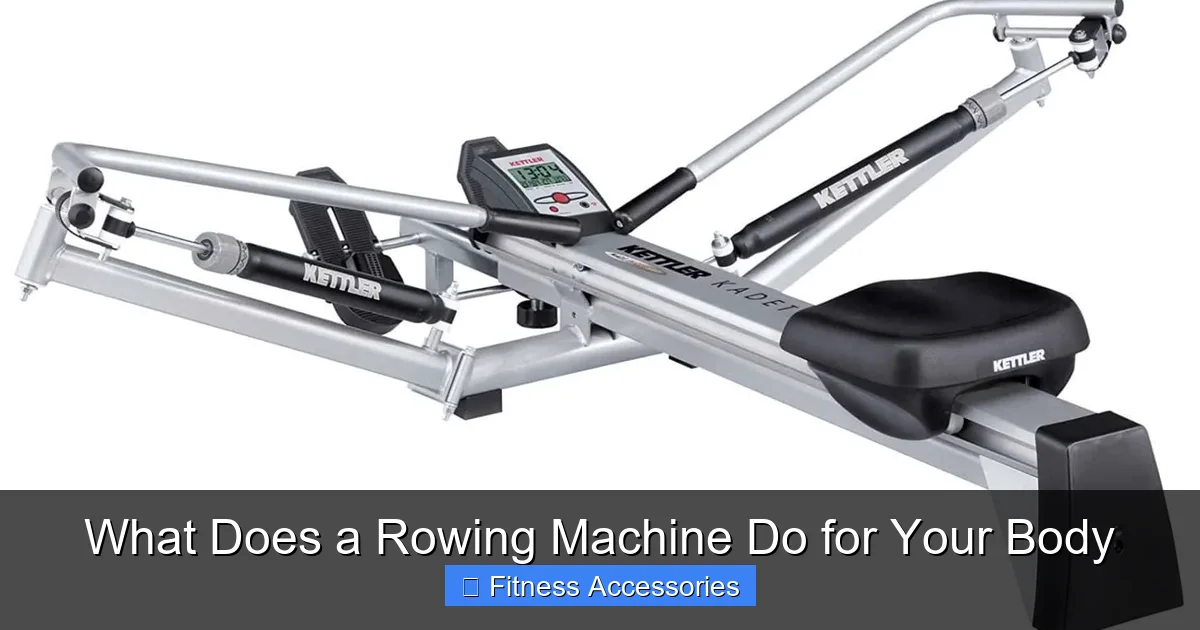
What does a rowing machine do for your body? It delivers a full‑body workout that builds cardiovascular endurance, tones muscles, and burns calories while being gentle on joints. Whether you’re a beginner or an athlete, rowing offers measurable health benefits you can feel after just a few sessions.
Key Takeaways
- Full‑body engagement: Rowing activates legs, core, back, and arms in a single motion.
- Cardiovascular boost: Consistent rowing improves heart health and lung capacity.
- Low‑impact on joints: The sliding seat reduces stress on knees and hips.
- Calorie‑torching efficiency: You can burn 400‑800 calories per hour depending on intensity.
- Strengthens posture: Regular rowing counters slouching by reinforcing the upper back.
- Adaptable intensity: Resistance can be dialed up or down for any fitness level.
- Mental benefits: Rhythm and breath control promote stress relief and focus.
📑 Table of Contents
- Introduction: Why Rowing Is the Unsung Hero of Fitness
- 1. Cardiovascular Benefits: Your Heart’s New Best Friend
- 2. Muscle Development: From Legs to Lats
- 3. Calorie Burning & Weight Management
- 4. Joint Health: Low‑Impact, High‑Reward
- 5. Posture and Core Stability
- 6. Mental and Emotional Perks
- Putting It All Together: Sample Weekly Rowing Plan
- Conclusion: The Bottom Line on What a Rowing Machine Does for Your Body
Introduction: Why Rowing Is the Unsung Hero of Fitness
When you hear the word “rowing,” you might picture a sleek boat gliding across a lake. But the same motion can happen right in your living room, garage, or gym on a compact rowing machine. What does a rowing machine do for your body? The answer is simple: it works almost every major muscle group while giving your heart a serious workout. And because the movement is smooth and low‑impact, it’s kind to joints that other cardio machines can stress.
In the next few pages, we’ll break down exactly how rowing shapes your physique, fuels your heart, and even sharpens your mind. Think of it as a friendly chat over coffee—no jargon, just clear, practical info you can start using today.
1. Cardiovascular Benefits: Your Heart’s New Best Friend
How Rowing Improves Heart Health
Rowing is essentially a form of aerobic exercise. When you pull the handle, your heart rate rises, blood vessels dilate, and oxygen delivery to muscles increases. Over time, this strengthens the heart muscle, lowers resting heart rate, and improves overall circulation.
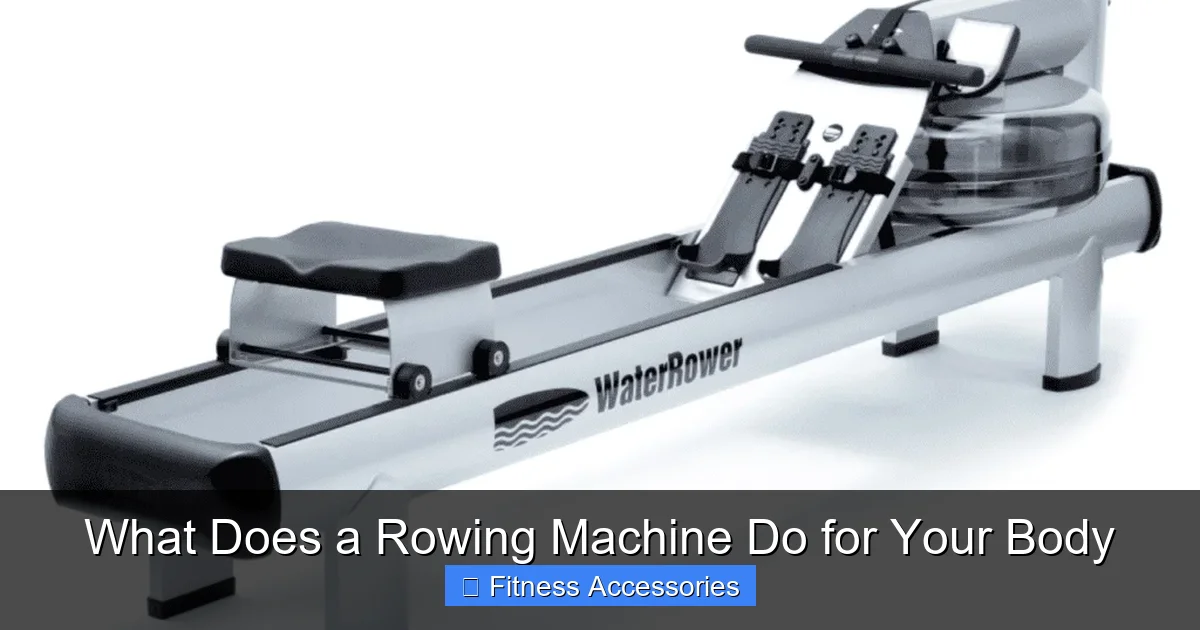
Visual guide about What Does a Rowing Machine Do for Your Body
Image source: rowingmachineking.com
Measurable Gains
- VO₂ max increase: Regular sessions can boost your maximal oxygen uptake by 10‑15 %.
- Blood pressure reduction: Studies show a 5‑8 mm Hg drop after 12 weeks of moderate rowing.
- Cholesterol balance: Rowing helps raise HDL (good) cholesterol while lowering LDL (bad).
Practical Tip
Start with 10‑minute intervals at a moderate pace (aim for 120‑130 bpm). Gradually extend to 30‑45 minutes as your stamina builds. Use a heart‑rate monitor to stay within 70‑85 % of your max for optimal cardio conditioning.
2. Muscle Development: From Legs to Lats
The Muscle Groups That Row
Every stroke involves a coordinated sequence:

Visual guide about What Does a Rowing Machine Do for Your Body
Image source: rowingmachineking.com
- Leg drive: Quads, glutes, and hamstrings push the seat back.
- Core stabilization: Abs and lower back keep the torso upright.
- Upper‑body pull: Lats, rhomboids, biceps, and forearms pull the handle.
Why This Matters
Because you’re working both the “push” and “pull” muscles, rowing creates balanced strength. This reduces the risk of muscular imbalances that can lead to injury.
Strength Gains Without Weights
Resistance on a rowing machine can be set to mimic light to heavy lifting. A 30‑minute session at high resistance can equal a traditional weight‑training circuit for the back and legs.
Practical Tip
Incorporate “power strokes” every 5 minutes: increase resistance and pull hard for 20 seconds, then return to your steady pace. This interval method spikes muscle recruitment and boosts growth.
3. Calorie Burning & Weight Management
How Many Calories Can You Burn?
Rowing is one of the most efficient calorie‑torching activities. A 155‑lb person can burn roughly:
- 400 calories in 30 minutes at a moderate pace.
- 600‑800 calories in 45 minutes if intensity is high.
Why Rowing Beats Some Other Cardio
Because you’re moving both upper and lower body, you expend more energy than on a treadmill or stationary bike, which primarily engage the legs.
Weight‑Loss Strategy
Combine rowing with a modest calorie deficit (200‑500 cal per day). Aim for 150‑300 minutes of rowing per week, split into 3‑5 sessions. Track progress with a simple app or a fitness watch.
Practical Tip
Use the “split time” display on most machines to monitor your 500‑meter or 2,000‑meter splits. Faster splits indicate higher intensity and more calories burned.
4. Joint Health: Low‑Impact, High‑Reward
Why Rowing Is Gentle on Knees and Hips
The sliding seat and fluid resistance mean there’s no pounding impact like you’d get from running. The motion is smooth, and the weight is distributed across the entire lower body.
Rehabilitation and Recovery
Physical therapists often prescribe rowing for clients recovering from knee surgery or hip replacements because it builds strength without stressing the joints.
Practical Tip
If you have pre‑existing joint issues, start with low resistance and focus on perfecting technique. A short 5‑minute warm‑up on a bike or elliptical can also prime the joints for rowing.
5. Posture and Core Stability
How Rowing Straightens You Out
Every stroke requires you to sit tall, engage the core, and pull the handle using the back muscles rather than the arms alone. Over time, this reinforces the muscles that keep your spine aligned.
Benefits Beyond the Gym
- Reduced lower‑back pain.
- Improved balance for daily activities.
- Better performance in sports that demand a strong core (e.g., tennis, golf).
Practical Tip
Focus on the “catch” position: sit with shins vertical, shoulders relaxed, and core braced. Imagine a straight line from your head to your tailbone. This cue keeps your back safe and maximizes core activation.
6. Mental and Emotional Perks
Rhythm, Breath, and Stress Relief
Rowing follows a natural rhythm—drive, finish, recovery, and repeat. Pairing this with deep, diaphragmatic breathing creates a meditative flow that lowers cortisol (the stress hormone).
Boosting Focus and Discipline
Setting split goals and tracking progress trains the brain to stay present and goal‑oriented. Many athletes use rowing as a mental warm‑up before competitions.
Practical Tip
Try a “mindful row”: set the machine to a comfortable resistance, close your eyes (if safe), and sync each pull with an inhale, each release with an exhale. Do this for 5 minutes at the start or end of your workout.
Putting It All Together: Sample Weekly Rowing Plan
Beginner (Weeks 1‑4)
- Monday: 15‑minute steady row at low resistance.
- Wednesday: 20‑minute interval row (1 min hard, 2 min easy).
- Friday: 15‑minute technique focus—slow, perfect strokes.
Intermediate (Weeks 5‑8)
- Tuesday: 30‑minute steady row, moderate resistance.
- Thursday: 25‑minute pyramid intervals (30 s, 1 min, 2 min, 1 min, 30 s).
- Saturday: 20‑minute power‑stroke circuit (20 s hard, 40 s easy).
Advanced (Weeks 9+)
- Monday: 45‑minute mixed‑pace row, include 5 × 500 m sprints.
- Wednesday: 30‑minute high‑resistance strength row (focus on legs).
- Friday: 60‑minute endurance row, keep heart rate in zone 2.
- Sunday: Active recovery—light 15‑minute row + stretching.
Conclusion: The Bottom Line on What a Rowing Machine Does for Your Body
Rowing is a powerhouse of fitness in a single piece of equipment. It builds cardiovascular endurance, sculpts muscles from head to toe, burns calories efficiently, protects your joints, improves posture, and even calms the mind. The best part? You can start at any level and progress at your own pace.
So, the next time you wonder what does a rowing machine do for your body, remember it does a little bit of everything—making it one of the most balanced, effective, and enjoyable workouts you can add to your routine.
Frequently Asked Questions
How many calories does a 30‑minute rowing session burn?
For a person weighing around 155 lb, a moderate‑intensity 30‑minute row burns approximately 400 calories. Higher intensity can push that number to 500‑600 calories.
Is rowing suitable for beginners?
Absolutely. Start with low resistance and focus on proper form. Even a 10‑minute session can build confidence and lay the foundation for longer workouts.
Can rowing help with lower‑back pain?
Yes, when performed with correct posture. Rowing strengthens the core and back muscles that support the spine, often reducing chronic lower‑back discomfort.
Do I need a specific type of rowing machine?
Both water‑rowers and air‑resistance models work well. Choose one that fits your space, budget, and preferred feel. The key is consistency, not the brand.
How often should I row to see results?
Aim for 3‑5 sessions per week, totaling 150‑300 minutes. Mix steady‑state rows with interval training for balanced cardio and strength gains.
Can I combine rowing with other forms of exercise?
Definitely. Rowing pairs nicely with strength training, yoga, or cycling. Just ensure you give muscles a day of rest or low‑intensity activity to recover.