Do I Need a Yoga Mat for Barre

Whether you need a yoga mat for barre depends on the studio, your comfort level, and the type of barre exercises you do. Most barre classes use a shared mat or none at all, but having your own exercise mat improves grip, cushioning, and hygiene. This guide breaks down everything you need to know about choosing the right fitness mat for your barre workouts.
Have you just signed up for your first barre class? Maybe you saw a friend doing it on social media and felt inspired. Or perhaps you want a low-impact workout that tones your muscles without pounding your joints. Whatever brought you here, one question keeps popping up: do you actually need a yoga mat for barre?
The short answer is: it depends. Some studios hand you a mat at the door. Others expect you to bring your own. And some barre classes don’t use mats at all. But here’s the thing — having your own exercise mat can make a huge difference in comfort, stability, and cleanliness. Let’s dig into everything you need to know.
Barre workouts blend elements of ballet, pilates, and fitness training. You’ll do small, controlled movements at the barre (that handrail you see in dance studios), plus floor exercises for your core and seat. Because so much of the workout involves balancing on one leg or sliding into squats, your feet need a stable surface. That’s where the right mat comes in.
Key Takeaways
- Barre classes often provide mats: Many studios supply shared mats, so you may not need your own right away.
- A non-slip surface is essential: Barre involves lots of standing and small movements where grip matters a lot.
- Thickness affects comfort: A mat thickness of 4-6mm works well for most barre exercises and floor work.
- Hygiene is a real concern: Using your own mat reduces contact with shared surfaces in busy studios.
- Material matters: TPE and rubber mats offer great cushioning and traction for barre workouts.
- Check with your studio first: Always ask what equipment is provided before buying a mat.
📑 Table of Contents
- What Is Barre and Why Does It Matter for Your Mat Choice?
- Do You Really Need a Yoga Mat for Barre?
- Types of Mats That Work Well for Barre
- What to Look for When Choosing a Mat for Barre
- Common Mistakes People Make with Barre Mats
- Quick Tips for Your Barre Mat Setup
- Expert Insights: What Barre Instructors Recommend
- Final Thoughts on Using a Yoga Mat for Barre
What Is Barre and Why Does It Matter for Your Mat Choice?
Barre fitness is a unique blend of dance-inspired movements, isometrics, and stretching. Unlike yoga where you flow through poses, barre focuses on tiny pulses and holds that burn your muscles fast. You’ll work your legs, glutes, arms, and core — often all in one session.
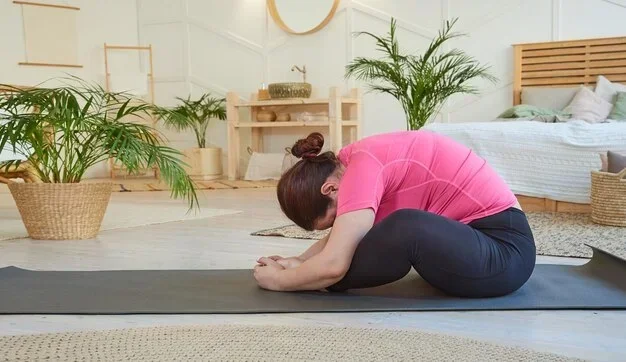
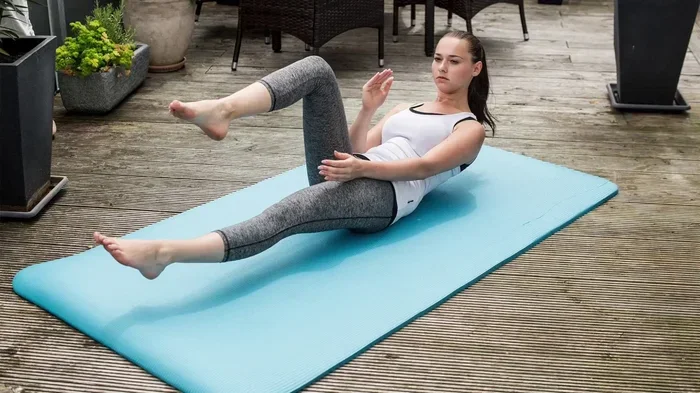
Because barre involves so much floor work, the surface under you matters. When you’re lying on your back doing leg lifts or rolling through your spine, a hard floor can dig into your tailbone and neck. A good fitness mat adds cushioning that protects your joints and makes the workout more enjoyable.
The Role of the Barre Itself
Most barre classes use a fixed barre or a portable barre for balance support. You’ll hold onto it during standing exercises. But during floor sequences, the barre isn’t there to help you. That’s when your mat becomes your best friend. It gives you a comfortable, stable base for all your seated and lying-down work.
Some studios use a ballet barre attached to the wall. Others use free-standing barres that can be moved around the room. Either way, the floor beneath you needs to be forgiving enough to protect your body during repetitive movements.
Do You Really Need a Yoga Mat for Barre?
Here’s where it gets interesting. The answer isn’t a simple yes or no. It depends on several factors:
- The studio’s policy: Some studios provide mats for all participants. Others rent them for a small fee. And some expect you to bring your own.
- The type of barre class: A class focused mostly on standing work may not need a mat at all. But a class with heavy floor work absolutely benefits from one.
- Your personal comfort: Even if the studio provides mats, you might prefer your own for hygiene reasons or because you like a specific thickness or texture.
- Your foot sensitivity: Barre involves a lot of barefoot work. A non-slip surface keeps your feet from sliding during relevés and pulses.
If you’re just trying out barre for the first time, I’d suggest going to a class without a mat first. See how you feel. If the studio provides one, great. If not, you’ll quickly realize how much a mat for barre changes your experience.
Many people who do barre ballet style workouts also practice yoga or pilates. If that sounds like you, you probably already own a yoga mat. And yes, that same mat works perfectly well for barre. You don’t need a special “barre mat” — any quality exercise mat will do the job.
Types of Mats That Work Well for Barre
Not all mats are created equal. Some are better suited for barre than others. Here’s a breakdown of the most common types you’ll encounter.
Standard Yoga Mats
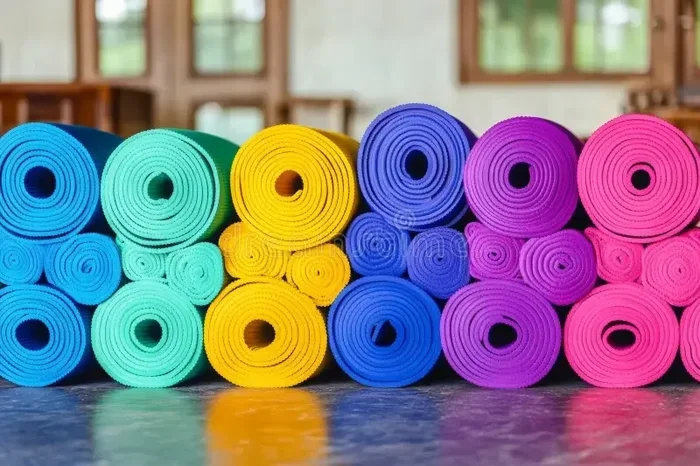
The classic yoga mat is the most popular choice for barre. These are usually 6mm thick and made from TPE (thermoplastic elastomer) or PVC. They offer a good balance of cushioning and grip. If you already have one at home, use it for barre — there’s no need to buy something new.
Look for a mat with a textured surface. Smooth mats can be slippery when your feet are bare, and nobody wants to slip during a balance exercise. A non-slip yoga mat gives you confidence to hold those tiny pulses without worrying about your footing.
Pilates Mats
Pilates mats are slightly thicker than standard yoga mats — usually 8mm or more. They provide extra cushioning for floor work. If your barre class involves a lot of lying-down exercises or if you have sensitive joints, a pilates-style mat is a great option.
The trade-off is that thicker mats can be heavier and bulkier to carry. But for comfort during long floor sequences, they’re hard to beat.
Travel and Foldable Mats
If you plan to bring your mat to class regularly, consider a foldable exercise mat or a travel-sized option. These roll up small and fit in a gym bag easily. They’re great for people who don’t want to lug a full-sized mat across town.
Just make sure the travel mat still offers enough cushioning. Some ultra-thin travel mats feel like working out on a carpet — fine for stretching, but not ideal for barre’s repetitive floor work.
Extra Thick Mats for Joint Support
If you have knee issues, back pain, or just prefer extra padding, look for a mat that’s 10mm or thicker. These are sometimes called extra cushion mats and they’re wonderful for protecting your joints during barre’s many floor exercises.
The downside? Very thick mats can feel unstable during standing work. If you’re wobbly on one leg, a thick squishy mat can actually make balancing harder. Consider your needs carefully before choosing a super-thick option.
What to Look for When Choosing a Mat for Barre
Not sure what to look for? Here are the key features that matter most for barre workouts.
Grip and Traction
This is the number one thing to consider. Barre involves lots of barefoot movement — small slides, pivots, and pulses. Your mat needs to keep your feet in place. A non-slip surface with a slightly textured top layer is ideal.
Some mats get slippery when wet (sweat), so look for one that maintains its grip even when you’re working hard. Rubber mats tend to have excellent traction, though they can be heavier than TPE options.
Thickness and Cushioning
For barre, a mat thickness of 4mm to 6mm hits the sweet spot. It’s thick enough to cushion your spine and joints during floor work, but not so thick that it throws off your balance during standing exercises.
If you’re torn between comfort and stability, go with 5mm. It’s the Goldilocks zone for most barre practitioners.
Size
Standard mats are about 68 inches long and 24 inches wide. If you’re taller than 5’8″, consider a long yoga mat (72 or 84 inches). You want your whole body to fit comfortably on the mat, especially during lying-down exercises.
Material and Eco-Friendliness
Many people prefer eco-friendly mats made from natural rubber or TPE. These are free from harmful chemicals and often have better grip than cheap PVC mats. Plus, they tend to last longer, which saves you money in the long run.
If you have a latex allergy, avoid natural rubber mats and opt for TPE or synthetic rubber instead. Always check the material specs before purchasing.
Weight and Portability
Let’s be real — if your mat is too heavy, you won’t bring it to class. A standard yoga mat weighs about 2 to 3 pounds. That’s manageable for most people. If you want something lighter, look for travel mats or thin TPE options.
Some mats come with carrying straps or bags, which makes transport a breeze. This is especially helpful if you’re walking to class or using public transit.
Common Mistakes People Make with Barre Mats
Avoid these pitfalls so you get the most out of your barre practice.
- Using a towel on a hard floor: A towel might seem like a quick fix, but it offers zero cushioning and can slide around dangerously. A proper mat for barre gives you both grip and padding.
- Choosing a mat that’s too thick: As mentioned earlier, super-thick mats can throw off your balance. Stick to 4-6mm for the best all-around performance.
- Ignoring the non-slip requirement: A smooth, slippery mat is a safety hazard during barre. Always prioritize traction over fancy designs or colors.
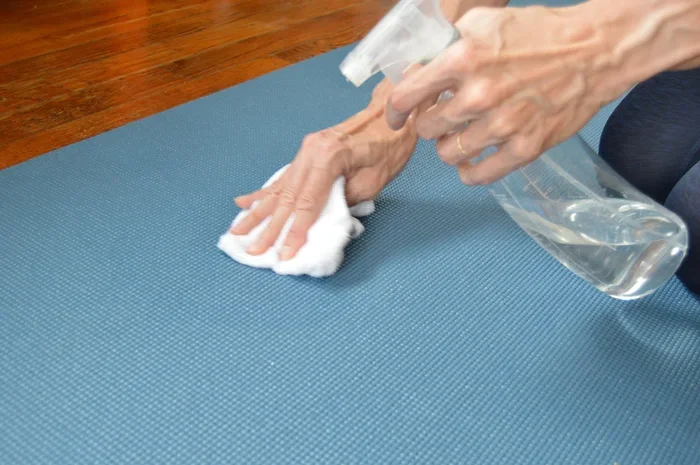
- Forgetting to clean your mat: Barre classes make you sweat. Your mat collects bacteria just like any other gym equipment. Wipe it down after every use with a mat cleaner or a damp cloth.
- Buying the cheapest option: A $10 mat might seem like a deal, but it often wears out fast, loses its grip, and provides minimal cushioning. Invest in a quality exercise mat that will last.
Quick Tips for Your Barre Mat Setup
- Unroll your mat 10 minutes before class so it flattens out and doesn’t curl at the edges.
- Place a towel over your mat if you tend to sweat a lot during class. This adds an extra layer of grip and absorbs moisture.
- Mark your mat with a small tag or sticker so you can spot it easily in a crowded studio.
- Store your mat rolled, not folded to prevent creases and cracks in the material.
- Replace your mat every 12-18 months if you use it regularly. Worn-out mats lose their cushioning and grip over time.
Expert Insights: What Barre Instructors Recommend
I asked a few experienced barre instructors what they look for in a student’s mat. Here’s what they had to say.
Sarah, 8-year barre veteran and instructor: “I always tell my beginners not to stress about buying a mat right away. Most of our studios have extras. But once you commit to the practice, having your own mat makes a world of difference. It’s about personal comfort and hygiene.”
Mike, former dancer turned barre coach: “Grip is everything in barre. I’ve seen people slip during a relevé and nearly lose their balance. A good non-slip mat is non-negotiable in my opinion. Thick or thin, as long as it grips, you’re set.”
Jess, pilates and barre hybrid teacher: “I recommend a 5mm TPE mat to all my students. It’s the perfect balance of cushion and stability. And it’s light enough that anyone can carry it to class without breaking a sweat.”
Final Thoughts on Using a Yoga Mat for Barre
So, do you need a yoga mat for barre? If you’re attending a class at a studio that provides equipment, you can start without one. But as you fall in love with the workout — and you will — having your own mat becomes almost essential. It gives you better grip, more comfort, and peace of mind about hygiene.
The good news is you don’t need anything fancy. A standard yoga mat or a basic exercise mat works perfectly for barre. Focus on grip, choose a mat thickness between 4-6mm, and make sure it’s big enough to fit your whole body.
Whether you’re doing barre ballet moves or a full-body barre workout, your mat is the foundation of your practice. Pick one you love, bring it to every class, and enjoy the burn. Your joints and your feet will thank you.
And remember — if you’re ever unsure about what equipment you need, check out our guide on do you need a yoga mat for barre class for more studio-specific advice. Also, if you’re curious about mat thickness in general, our piece on how thick of a yoga mat do I need covers everything you should know.
Finally, before you buy anything, take a look at what should I look for in a yoga mat to make a smart, informed choice. The right mat can elevate your entire barre experience.
Frequently Asked Questions
Can I use a regular yoga mat for barre class?
Absolutely. A standard yoga mat works great for barre workouts. Just make sure it has a non-slip surface and enough cushioning for floor exercises. Most yoga mats are 5-6mm thick, which is ideal for barre.
Do barre studios provide mats for free?
Many barre studios do provide shared mats for their clients. However, these mats vary in quality and cleanliness. Bringing your own mat ensures you have a comfortable, hygienic surface to work on every time.
What thickness mat is best for barre floor work?
A mat thickness of 4-6mm works best for most barre practitioners. It provides enough cushioning for your spine and joints during floor exercises while remaining stable enough for standing work.
Is a thicker mat better for barre?
Not necessarily. While extra cushioning feels nice on the floor, a very thick mat (over 8mm) can make balancing harder during standing exercises. Stick to 4-6mm for the best all-around performance in barre class.
What’s the difference between a yoga mat and a barre mat?
There’s no real difference. A yoga mat and a barre mat serve the same purpose — providing cushioning and grip during floor work. Any quality yoga mat will work perfectly for barre workouts.
How often should I replace my barre mat?
If you use your mat regularly (3-5 times per week), replace it every 12-18 months. Over time, mats lose their cushioning, grip, and hygiene. Signs it’s time for a new one include visible wear, loss of stickiness, and compressed areas that no longer bounce back.