How Often Should I Replace My Yoga Mat
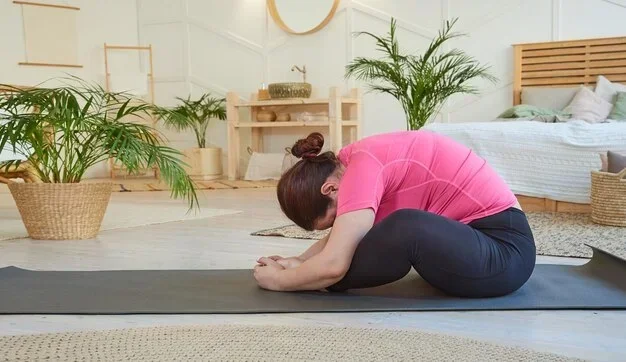
Most yoga mats need replacing every 6 to 12 months with regular use. Your yoga mat replacement timeline depends on how often you practice, the mat material, and how well you care for it. A worn-out mat loses grip, cushioning, and hygiene, which can lead to slipping and joint pain during your sessions.
Your yoga mat is one of the most important pieces of equipment in your practice. It supports your joints, gives you traction, and creates a personal space for movement. But like everything else, it has a limited lifespan.
So how often should you actually replace it? The answer depends on several factors, including how often you practice, what type of mat you own, and how well you maintain it. In this guide, we walk you through everything you need to know about yoga mat replacement timing. You will learn the signs of a worn-out mat, what affects mat durability, and how to get the most out of your investment.
Whether you are a daily practitioner or someone who rolls out the mat a few times a week, this article will help you decide when it is time for a new one. Let us dive in.
Key Takeaways
- Replace every 6–12 months: Regular practitioners should swap mats yearly for safety and comfort.
- Watch for wear signs: Loss of grip, thinning cushioning, and persistent odors signal it is time.
- Material matters: Rubber and TPE mats tend to last longer than basic PVC options.
- Care extends life: Cleaning your mat after each session and storing it properly adds months of use.
- Your practice style counts: Hot yoga and intense flows wear mats out faster than gentle sessions.
- Budget wisely: Spending more upfront on a quality mat can save money over time.
📑 Table of Contents
- How Often Should You Replace Your Yoga Mat?
- Signs Your Yoga Mat Needs Replacing
- Factors That Affect Yoga Mat Lifespan
- How to Extend the Life of Your Yoga Mat
- When to Invest in a New Yoga Mat
- How Much Should You Spend on a Replacement Mat?
- Common Mistakes That Shorten Mat Life
- Final Thoughts on Yoga Mat Replacement
How Often Should You Replace Your Yoga Mat?
The general rule of thumb is to replace your yoga mat every 6 to 12 months if you use it regularly. But this is not a one-size-fits-all answer. Your personal timeline depends on a few key variables.
For Daily Practitioners
If you practice yoga every day, your mat takes a beating. Daily use means more sweat, more pressure, and more friction. For this group, replacing the mat every 6 months is a smart move. A mat that has been used daily for half a year starts to lose its structural integrity. The cushioning compresses, the surface becomes smooth, and bacteria build up faster than you might think.
For Weekly Practitioners
Those who practice 2 to 3 times a week can usually stretch the lifespan to 12 months or even up to 18 months. Your mat has more time to recover between sessions, which helps preserve the material. However, you still need to watch for wear and tear. Even moderate use breaks down mat fibers over time.
For Casual or Occasional Users
If you only unroll your mat once in a while, you might get 2 years or more out of it. But here is the catch: mats that sit unused for long periods can also degrade. The material can dry out, crack, or lose its flexibility. So even occasional users should inspect their mat regularly.
One thing to keep in mind is that the yoga mat lifespan also depends on how you store and clean it. A well-cared-for mat will always outlast a neglected one. If you want to learn more about cleaning your mat properly, check out our guide on what should I use to clean my yoga mat.
Signs Your Yoga Mat Needs Replacing
Knowing when to replace a yoga mat is not always obvious. Some signs are subtle and easy to overlook. Here are the most common indicators that your mat has reached the end of its life.
Loss of Grip and Traction
This is the number one sign that your mat is worn out. When your hands or feet start sliding during poses, the surface is no longer providing enough friction. A fresh mat should feel slightly tacky or grippy. If you find yourself constantly adjusting your hands during downward dog or warrior poses, the mat surface has likely broken down. Slipping during a practice is not just annoying, it is also dangerous. You risk injury from falling out of poses.
Thinning Cushioning
Over time, the cushioning in your mat compresses and flattens. You might notice that poses which used to feel comfortable now put pressure on your knees, wrists, or spine. This is especially true for thinner mats or those made from lower-density materials. When the yoga mat cushioning disappears, your joints take the impact instead of the mat. This defeats the purpose of having a mat in the first place.
Persistent Odors
Let us be honest, yoga mats get smelly. Sweat, dirt, and bacteria accumulate over time. A mild odor after a tough session is normal. But if your mat smells bad even after cleaning, that is a red flag. Bacteria can embed deep into the material, especially in porous surfaces like rubber mats. No amount of scrubbing will fix a mat that has reached this stage. A persistent odor means the mat is harboring germs that could affect your skin and health.
Cracking, Peeling, or Flaking
Physical damage is easy to spot. If your mat is cracking, peeling, or flaking, it is definitely time for a replacement. This kind of breakdown happens when the material dries out or is exposed to extreme temperatures. Cracks create tiny spaces where bacteria can hide, making the mat unhygienic. They also affect your balance and stability during poses.
Stains That Won’t Come Out
Deep stains are not just unsightly, they can also indicate that the material has absorbed too much sweat and oil. Surface stains usually come out with proper cleaning. But stains that have seeped into the mat itself are a sign of material breakdown. At this point, the mat is no longer functioning at its best.
Factors That Affect Yoga Mat Lifespan
Not all mats wear out at the same rate. Several factors determine how long your mat will last before you need a yoga mat replacement.
Mat Material
The material your mat is made from plays a huge role in its durability. Here is a quick comparison of common mat materials:
- PVC mats: These are the most affordable and widely available. They tend to last 6 to 12 months with regular use. PVC is durable but can break down with sweat and heat exposure.
- TPE mats: TPE (Thermoplastic Elastomer) mats are eco-friendly and lightweight. They typically last 12 to 18 months. They offer good cushioning but may lose grip faster than other materials.
- Natural rubber mats: These are among the most durable options. A high-quality rubber mat can last 2 years or more with proper care. They offer excellent grip and cushioning but can be heavier and may have a natural rubber smell.
- Jute or cotton mats: These natural fiber mats are great for grip but tend to wear out faster, usually within 6 to 12 months. They absorb moisture well but require more frequent cleaning.
If you want to learn more about choosing the right thickness for your needs, see our article on how thick of a yoga mat should I get.
Frequency of Use
The more you use your mat, the faster it wears out. This seems obvious, but it is worth repeating. A mat used five times a week will degrade much faster than one used twice a week. Your yoga practice frequency directly impacts how often you need to buy a new mat. If you practice hot yoga frequently, the heat and sweat accelerate material breakdown significantly.
Body Weight and Practice Style
Heavier practitioners put more pressure on the mat, which compresses the cushioning faster. Similarly, dynamic styles like Vinyasa or Ashtanga involve more sliding and gripping, which wears down the surface. Gentle styles like Yin or Restorative yoga are much easier on the mat. Your body weight and the type of yoga you practice both influence how quickly your mat wears out.
Storage and Care Habits
How you store and care for your mat makes a big difference. Leaving a mat rolled up in a hot car, for example, can warp and degrade the material quickly. Storing it in a cool, dry place extends its life significantly. Similarly, cleaning your mat after every use prevents sweat and bacteria from breaking down the material. If you want tips on proper cleaning, check out our guide on how much should I spend on a yoga mat for advice on investing in quality mats that are easier to maintain.
How to Extend the Life of Your Yoga Mat
Want to get the most out of your current mat before you need a replacement? These practical tips will help you extend the yoga mat lifespan and keep your mat in great shape.
Clean Your Mat After Every Session
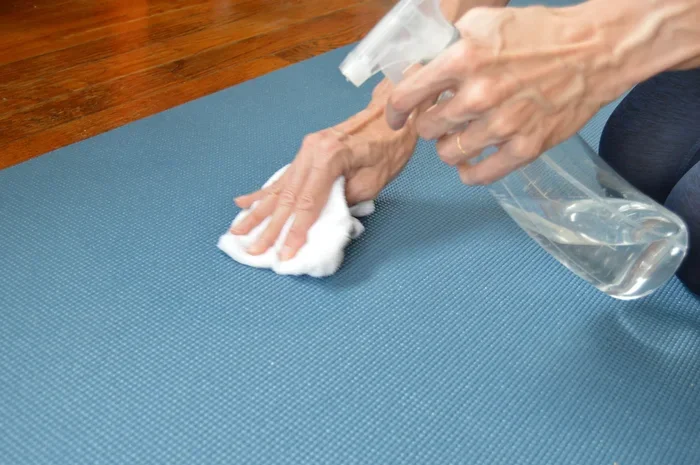
Sweat, dirt, and oils build up on the surface after every practice. Wiping your mat down with a gentle cleaner after each session prevents bacteria from embedding into the material. You do not need anything fancy. A spray bottle with water and a few drops of mild dish soap works great. For deeper cleaning, follow our guide on can I clean my yoga mat with Clorox wipes to learn what cleaning products are safe.
Roll It Up Properly
How you roll your mat matters more than you might think. Always roll it with the top side facing outward. Rolling it the wrong way creates creases that can crack the surface over time. Unrolling it gently also prevents the material from stretching or tearing.
Store in a Cool, Dry Place
Heat and moisture are the enemies of yoga mats. Never leave your mat in direct sunlight or in a hot car. Store it in a cool, dry area away from extreme temperatures. A mat bag or carry strap helps protect it from dust and damage when you are traveling.
Avoid Folding
Folding your mat creates permanent creases and weakens the material. Always roll it instead of folding it. If you need to pack it into a small space, roll it loosely rather than squeezing it into a tight fold.
Rotate Your Mat
If you have two mats, alternating between them gives each one time to dry out fully between uses. This prevents moisture buildup and reduces wear. It is a simple habit that adds months to the life of each mat.
Quick Tips to Keep Your Mat Fresh
- Always wipe down your mat after sweaty sessions.
- Let it air dry completely before rolling it up.
- Avoid using harsh chemicals that can break down the material.
- Wash your hands before practicing to reduce oil transfer.
- Replace your mat the moment you notice significant wear.
When to Invest in a New Yoga Mat
Sometimes the best decision is simply to replace your mat. Knowing when to make that investment saves you from injuries and uncomfortable practices. Here are the situations where buying a new mat is the right call.
You Notice Persistent Slipping
If you have tried cleaning your mat and it still slips, the surface has likely worn away. No amount of mat spray or towel can fix a completely smooth surface. A new mat will give you the grip and confidence you need for safe practice.
Your Joints Hurt After Practice
A mat that has lost its cushioning puts stress on your joints. If your knees, wrists, or back hurt after a session that used to feel comfortable, the mat is no longer providing adequate support. This is a clear sign that you need a replacement.
The Mat Looks and Feels Flat
A fresh mat has a certain bounce and resilience. When it starts feeling flat and lifeless, the internal structure has compressed beyond recovery. Even if there are no visible holes or cracks, a flat mat does not protect your joints effectively.
You Cannot Get Rid of the Smell
A mat that smells bad even after thorough cleaning is a health hazard. Bacteria and mold can grow deep within the material. Continuing to use a smelly mat can cause skin irritation and respiratory issues. Trust your nose on this one. If it smells bad, replace it.
How Much Should You Spend on a Replacement Mat?
Budget plays a big role in yoga mat replacement decisions. The good news is that you do not have to spend a fortune to get a quality mat. Here is what to expect when shopping for a replacement.
Entry-level mats under $20 are fine for beginners or casual users. They typically last 6 to 12 months. Mid-range mats between $30 and $60 offer better durability, cushioning, and grip. These are ideal for regular practitioners who want a mat that lasts 12 to 18 months. Premium mats above $60, especially those made from natural rubber or high-end TPE, can last 2 years or more. They cost more upfront but save money in the long run.
When deciding how much to spend, think about your practice frequency and style. If you practice daily, investing in a higher-quality mat is worth it. If you only practice occasionally, an affordable option works perfectly fine. For more guidance on budgeting, see our article on how much should I spend on a yoga mat.
Common Mistakes That Shorten Mat Life
Many people unknowingly shorten the life of their yoga mat with simple habits. Avoiding these mistakes can add months or even years to your mat’s lifespan.
- Leaving the mat unrolled for weeks: This causes the material to lose its shape and develop permanent creases.
- Using harsh cleaners: Bleach and strong chemicals break down the mat surface. Stick to gentle, mat-safe cleaners.
- Skipping the air-dry step: Rolling up a damp mat traps moisture and promotes bacterial growth.
- Walking on the mat with shoes: Dirt and grit from shoes scratch and wear down the surface.
- Ignoring small tears: A small tear quickly becomes a big one. Address minor damage early to prevent further breakdown.
Final Thoughts on Yoga Mat Replacement
Your yoga mat is a tool that supports your health and practice every time you unroll it. Treating it well extends its life, but eventually, every mat needs replacing. The key is to stay aware of the signs of wear and not wait too long to make the switch. A fresh mat improves your grip, protects your joints, and keeps your practice hygienic.
As a general guideline, plan to replace your mat every 6 to 12 months if you practice regularly. Listen to your body and inspect your mat often. When it starts losing grip, cushioning, or freshness, it is time to invest in a new one. Your practice and your body will thank you for it.
Remember, the best mat is one that supports your practice safely and comfortably. Whether you choose a budget-friendly option or invest in a premium mat, what matters most is that it serves you well. Keep practicing, keep caring for your equipment, and enjoy every moment on your mat.
Frequently Asked Questions
How do I know if my yoga mat needs replacing?
Look for signs like loss of grip, thinning cushioning, persistent odors, cracking, or peeling. If your mat slips during poses or feels flat and unsupportive, it is time for a replacement. Trust your senses, and do not wait until the mat is falling apart.
Can a yoga mat last 2 years?
Yes, with proper care and less frequent use, a yoga mat can last up to 2 years. High-quality materials like natural rubber and TPE tend to hold up longer. However, daily practitioners may need to replace their mat sooner, even with excellent care habits.
Does cleaning my yoga mat help it last longer?
Absolutely. Regular cleaning removes sweat, bacteria, and oils that break down the material over time. Wiping your mat after each session and giving it a deep clean once a week can significantly extend its lifespan.
Is it okay to use a worn-out yoga mat?
It is not recommended. A worn-out mat loses its grip and cushioning, which increases the risk of slipping and joint injuries. Using a damaged mat also exposes you to bacteria buildup that can cause skin irritation or other health issues.
What type of yoga mat lasts the longest?
Natural rubber mats tend to be the most durable, often lasting 2 years or more with proper care. TPE mats also offer good longevity, typically lasting 12 to 18 months. PVC mats are affordable but generally wear out faster than other materials.
How often should I replace my yoga mat if I do hot yoga?
Hot yoga accelerates mat wear due to heat and heavy sweating. If you practice hot yoga regularly, consider replacing your mat every 4 to 6 months. The combination of heat and moisture breaks down the material faster than standard practice conditions.
=== CONCLUSION ===
Replacing your yoga mat at the right time keeps your practice safe, comfortable, and hygienic. Most practitioners should plan for a yoga mat replacement every 6 to 12 months, depending on usage and care habits. Watch for the signs of wear, invest in quality materials, and take good care of your mat between sessions. A fresh mat makes a real difference in how your practice feels and how safe you are on the surface. Take care of your mat, and it will take care of you.