Can You Use Yoga Mat for Exercise 2
Yes, you can absolutely use a yoga mat for exercise. A yoga mat provides cushioning support, non-slip surface grip, and portability that makes it ideal for a wide range of mat exercises and floor exercises. Whether you are doing bodyweight exercises, core workouts, or stretching routines, a quality fitness mat can be your best workout partner.
Key Takeaways
- Versatile Workout Tool: A yoga mat works for bodyweight exercises, core training, balance exercises, and stretching routines.
- Joint Protection: The cushioning support protects your knees, wrists, and spine during high-impact and low-impact movements.
- Non-Slip Surface: A good yoga mat provides grip and stability for resistance training and balance training.
- Portable Workout: Lightweight and easy to carry, a yoga mat enables home fitness and gym workouts anywhere.
- Not Ideal for Everything: Some activities like heavy resistance training or cardio workouts may need more specialized exercise equipment.
- Choose Wisely: Mat thickness, material, and grip matter when selecting a yoga mat for exercise.
📑 Table of Contents
- Can You Use Yoga Mat for Exercise? Everything You Need to Know
- Why a Yoga Mat Works for Exercise
- Best Exercises to Do on a Yoga Mat
- Exercises That May Not Work Well on a Yoga Mat
- How to Choose the Right Yoga Mat for Exercise
- Tips for Getting the Most Out of Your Yoga Mat Workout
- Common Mistakes When Using a Yoga Mat for Exercise
- Expert Insights on Mat-Based Fitness
- Conclusion
- Frequently Asked Questions
Can You Use Yoga Mat for Exercise? Everything You Need to Know
If you have ever wondered whether a yoga mat can handle more than just downward dog, you are not alone. The short answer is yes — a yoga mat is one of the most versatile pieces of exercise equipment you can own. It supports a surprising range of mat exercises, from core workouts and bodyweight exercises to balance training and mobility drills.
But there is more to it than just unrolling a mat and getting started. The type of mat, its thickness, the material, and your fitness goals all play a role. In this guide, we break down everything you need to know about using a yoga mat for exercise. You will learn what works, what does not, and how to get the most out of your fitness mat.
Whether you are a beginner building a stretching routine at home or a seasoned athlete looking for portable workout solutions, this article has you covered. Let us dive in.
Why a Yoga Mat Works for Exercise
A yoga mat is designed to give you a stable, comfortable workout surface. That makes it useful well beyond yoga. Here are some key reasons why it works so well for general exercise.
Cushioning Support for Joints
One of the biggest advantages of a yoga mat is its cushioning support. Exercises like planks, push-ups, and sit-ups put pressure on your knees, wrists, and spine. A good mat absorbs shock and reduces strain. This joint protection is especially important if you work out on hard floors like concrete or tile.
Thicker mats offer even more padding. If you want to know more about choosing the right thickness, check out our guide on what is the best thickness for a yoga mat.
Non-Slip Surface for Stability
Quality mats provide a non-slip surface that keeps you in place during movement. This grip is critical for balance training and exercises where you transition quickly between positions. A mat that slides around can be frustrating and even dangerous. Look for mats made from natural rubber or high-density TPE for the best traction.
Portable Workout Companion
Most yoga mats are lightweight and roll up neatly. That makes them perfect for a portable workout wherever you go. Head to the park? Roll up your mat. Hit the gym? Bring it along. A gym mat like this fits in a backpack and gives you a reliable workout surface in any location. It supports your home fitness goals even when you leave the house.
Best Exercises to Do on a Yoga Mat
Now that we know why a yoga mat works let us look at specific exercises. The mat is more versatile than most people realize.
Bodyweight Exercises
Bodyweight exercises are the most natural fit for a yoga mat. These require no equipment beyond your own body and a stable surface. Here are some top picks:
- Push-ups: The mat protects your knees and wrists. It also gives you a non-slip base for explosive push-up variations.
- Planks: Hold a high or low plank on your mat. The cushioning keeps your forearms comfortable.
- Sit-ups and Crunches: A mat pads your back and spine during core workouts.
- Burpees: Drop and jump movements feel more controlled on a grippy mat surface.
- Mountain Climbers: The non-slip surface keeps your hands from sliding during this cardio workout.
Core Workouts
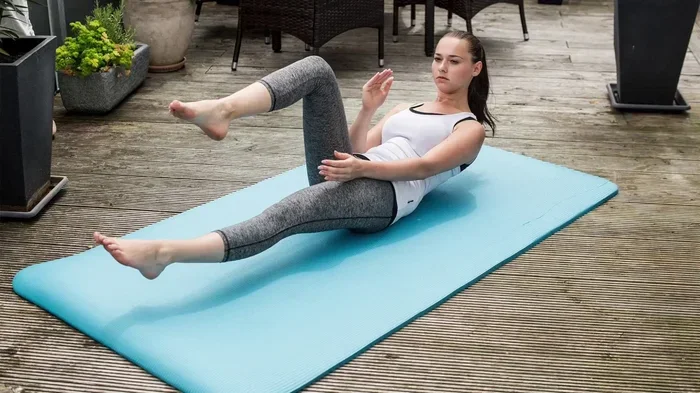
A yoga mat is practically made for core workouts. Exercises like leg raises, bicycle crunches, and Russian twists all benefit from the cushioned support. You can also try the hollow body hold and flutter kicks. Each move engages your abs while keeping your spine safe on the mat.
For more ideas on mat-based fitness, you might find our article on can you use a yoga mat for jump rope helpful for understanding how mats support different movement styles.
Balance Training
Balance training is another area where a yoga mat shines. Single-leg stands, tree pose variations, and stability drills all require a steady surface. A non-slip surface gives you confidence to hold poses longer and challenge yourself. You can even stand on one foot while brushing your teeth — the mat makes it a comfortable daily practice.
Floor Exercises and Stretching
Floor exercises and stretching routines are the bread and butter of yoga mat use. Hamstring stretches, hip openers, and seated forward folds all feel better on a padded surface. A stretching routine done on a quality mat can improve flexibility, reduce soreness, and help you recover faster from workouts.
Exercises That May Not Work Well on a Yoga Mat
While a yoga mat is incredibly useful, it is not the best choice for every type of exercise. Knowing its limits helps you stay safe and get better results.
Heavy Resistance Training
If you are lifting heavy dumbbells or barbells, a yoga mat is not enough. The mat compresses under heavy loads and offers limited cushioning support for heavy drops. For resistance training with heavy weights, you need proper weightlifting platforms or rubber flooring. A yoga mat can serve as a supplement for stretching after your lifting session, though.
High-Impact Cardio
Running, jumping rope, and box jumps generate a lot of force. A standard yoga mat may not absorb enough impact for these activities. It can also slide on hard floors during explosive movements. For cardio workouts that involve a lot of jumping, consider a thicker gym floor mat or a specialized exercise mat designed for high impact.
Standing Heavy Lifts
Exercises like deadlifts and squats need a firm, unyielding surface. A yoga mat can compress and shift under heavy weight, compromising your form and safety. Save your mat for exercises where floor contact and joint protection matter most.
How to Choose the Right Yoga Mat for Exercise
Not all yoga mats are created equal. The right mat depends on the type of exercise you plan to do. Here are the key factors to consider.
Thickness Matters
Mat thickness directly affects comfort and stability. Thinner mats (3-5mm) give you a firm feel that is great for balance training and yoga. Thicker mats (6-8mm) offer more cushioning support for bodyweight exercises and core workouts. If you need extra padding for joint protection, go for a mat at least 6mm thick.
For a deeper dive into thickness options, see our guide on what is the ideal thickness for a yoga mat.
Material and Grip
The material determines grip, durability, and feel. Here is a quick comparison:
- Natural Rubber: Excellent grip and eco-friendly. Great for non-slip surface needs. Heavy but stable.
- TPE (Thermoplastic Elastomer): Lightweight, affordable, and easy to clean. Good for a portable workout.
- Polyurethane (PU): Sweat-resistant and grippy. Ideal for sweaty workouts and cardio workouts on the mat.
- Cork: Naturally antimicrobial and offers great grip when wet. Best for hot yoga and intense mat exercises.
Size and Portability
Standard mats are about 68 inches long. Taller people may need a longer mat (72-74 inches). If you carry your mat to the gym or the park, look for lightweight options that come with a carrying strap. A truly portable workout setup starts with a mat that fits your body and your lifestyle.
Tips for Getting the Most Out of Your Yoga Mat Workout
Ready to start? Here are some practical tips to make your yoga mat for exercise experience better.
Always Wipe Your Mat After Sweaty Sessions
Sweat breaks down the grip over time. Use a gentle cleaner or yoga mat-specific spray after every workout. Keeping your mat clean extends its life and maintains that non-slip surface you need. You can learn more about safe cleaning methods in our article on can I use dawn to clean my yoga mat.
Use a Towel on Top for Extra Grip
If your mat gets slippery during intense exercise, drape a thin towel over the surface. This trick works especially well for cardio workouts and exercises where you sweat heavily. It adds a layer of absorption without replacing your mat.
Pair Your Mat with the Right Footwear
Some mat exercises are best done barefoot for maximum grip and balance. Others may need supportive shoes, especially if you do bodyweight exercises that involve jumping. Choose your footwear based on the exercise, not just habit.
Store It Properly
Never leave your mat rolled up in direct sunlight or in a hot car. Heat breaks down the material and reduces cushioning support. Store it in a cool, dry place. If you want to learn more about mat care, our article on can you put a yoga mat in the dryer covers common mistakes to avoid.
Common Mistakes When Using a Yoga Mat for Exercise
Even simple workouts can go wrong if you are not careful. Here are some common mistakes to watch out for.
- Using a mat that is too thin: A thin mat does not offer enough joint protection for repetitive movements like planks and push-ups.
- Skipping the warm-up: Just because the mat is comfortable does not mean your muscles are ready. Always warm up before mat exercises.
- Ignoring mat wear: A worn-out mat with visible compression or holes is no longer safe. Replace it when it loses its cushioning support and grip.
- Overlooking hygiene: Shared mats at gyms can harbor bacteria. Bring your own fitness mat and clean it regularly.
- Trying advanced moves too soon: Balance training and core workouts take time to build. Start simple and progress gradually.
Expert Insights on Mat-Based Fitness
We asked fitness professionals about using a yoga mat for general exercise. Here is what they had to say.
Sarah Mitchell, a certified personal trainer, shares: “A yoga mat is one of the most underrated tools in a home gym. It is perfect for bodyweight exercises, stretching, and mobility work. I recommend my clients keep one in their living room for quick stretching routines after sitting all day.”
James Lee, a yoga instructor with over 10 years of experience, adds: “The beauty of a mat is its simplicity. You do not need fancy exercise equipment. A mat, your body weight, and a little creativity can give you a full workout. From core workouts to balance training, the possibilities are endless.”
Their advice reinforces a simple truth: a quality yoga mat paired with consistent effort goes a long way.
Conclusion
So, can you use a yoga mat for exercise? Absolutely. A fitness mat gives you cushioning support, a non-slip surface, and a portable workout solution for a wide range of activities. From bodyweight exercises and core workouts to stretching routines and balance training, the mat supports it all. Just remember that it has limits when it comes to heavy resistance training and high-impact cardio workouts.
Choose the right mat for your needs, keep it clean, and use it consistently. That simple routine will help you build strength, improve flexibility, and protect your joints. Your yoga mat is ready — now you are too.
Frequently Asked Questions
Can I do push-ups and sit-ups on a yoga mat?
Yes, a yoga mat is perfect for push-ups and sit-ups. The cushioning support protects your knees, wrists, and spine. A non-slip surface also keeps your hands in place during push-ups. These classic bodyweight exercises are some of the best mat exercises you can do.
Is a yoga mat good for HIIT workouts?
A yoga mat works for low-impact HIIT moves like planks, mountain climbers, and bicycle crunches. However, for explosive jumps and burpees, a thicker gym mat may be better. The standard mat offers cushioning support but may slide on hard floors during high-intensity moves.
Can I use a yoga mat for stretching exercises?
Definitely. A yoga mat is one of the best tools for any stretching routine. It pads your spine, hips, and knees during floor stretches. This joint protection makes it easier to hold stretches longer and improve your flexibility safely.
What type of yoga mat is best for exercise?
Look for a mat that is at least 5-6mm thick for good cushioning support. Natural rubber or TPE materials provide a reliable non-slip surface. A mat with a carrying strap supports your portable workout needs. The best fitness mat depends on your body weight and exercise style.
Can a yoga mat replace a gym mat entirely?
For mat exercises, core workouts, and balance training, a yoga mat can serve as your primary mat. However, for heavy lifting or high-impact activities, a specialized gym mat or flooring is safer. Think of the yoga mat as a versatile supplement, not a full replacement for all exercise equipment.
How do I keep my yoga mat from sliding during exercise?
Choose a mat with a non-slip surface made from rubber or cork. You can also place a towel on top for extra grip. Keeping your mat clean and dry helps maintain traction. If you sweat a lot during cardio workouts, a towel layer is a simple and effective fix.