Do I Need a Yoga Mat on Carpet
You do not always need a yoga mat on carpet, but it depends on the type of carpet and your practice. A mat adds cushioning, grip, and hygiene benefits that can make your sessions more comfortable and safe. Let us break down when a mat helps and when you can skip it.
Ever unrolled your yoga mat on carpet and wondered if it was even worth it? You are not alone. Many people set up their home practice on carpeted floors and ask the same question. The short answer is: it depends. Your carpet type, your style of yoga, and your comfort level all play a role.
This guide covers everything you need to know. We will look at when a mat helps, when you can go without one, and what to watch out for. By the end, you will know exactly what to do for your setup. Let us get into it.
Key Takeaways
- Short carpet piles are fine for barefoot yoga without a mat in most cases.
- Long or thick carpet may cause instability and make poses harder to balance.
- A yoga mat adds joint support especially on hard floors beneath the carpet.
- Hygiene matters — a mat keeps your skin off dust and allergens trapped in carpet.
- Non-slip mats work best on carpet to prevent sliding during transitions.
- Mat thickness should match your carpet type for the best comfort and stability.
- Cleaning your mat regularly is even more important when practicing on carpet.
📑 Table of Contents
Why Carpet Changes the Game for Yoga
Carpet is different from hardwood, tile, or concrete. It is soft, textured, and sometimes deep. These qualities change how your body interacts with the floor. Understanding this helps you decide if you need a yoga mat on carpet.
The Texture Factor
Carpet has fibers that create friction. This can be a good thing. Bare feet grip carpet naturally in many cases. Short-pile carpet feels firm and stable underfoot. It gives you a solid base for standing poses and balances.
But deep-pile carpet is a different story. The fibers can push against your toes and shift under your weight. This makes balancing poses much harder. You may find yourself wobbling more than usual. In these cases, a mat for yoga on carpet can level the playing field.
The Cushioning Factor
Carpet cushions your knees, hips, and spine. This is great for floor poses like seated stretches or reclined twists. You might not need extra padding on carpet at all. But here is the catch. The cushion in carpet comes from the padding underneath, not the surface itself.
Some carpets are thin and offer very little give. If your carpet feels hard, a yoga mat on carpet adds comfort where you need it most. This is especially true for kneeling poses and seated meditation. Your joints will thank you for the extra support.
The Hygiene Factor
Carpet traps dust, allergens, pet dander, and bacteria. This is just how carpets work. When you practice yoga on carpet, your skin touches all of that. A yoga mat creates a clean barrier between you and the floor. This is a big reason many yogas prefer a mat even on carpet.
If you or anyone in your home has allergies, a mat is a smart move. It keeps your practice clean and healthy. You can wash your mat regularly, but you cannot easily wash your carpet before every session.
When You Do Not Need a Yoga Mat on Carpet
Not every carpet setup requires a mat. Here are the situations where you can safely skip it.
Short-Pile or Low-Pile Carpet
Short-pile carpet is firm and flat. It feels almost like a thin padded floor. If your carpet has a short nap, bare feet grip it well. Standing poses, Warrior I and II, and Tree pose all work great without a mat. The surface gives you enough stability to hold your balance.
Many people who practice yoga on short-pile carpet find that a mat actually gets in the way. It adds unnecessary height and can make you feel less grounded. In this case, going mat-free is perfectly fine.
Your Practice Is Mostly Standing
If your yoga routine focuses on standing poses and flows, carpet alone may be enough. You are not spending much time on the floor. Your knees and hips are not bearing weight against the surface. So the need for extra cushioning drops.
This is a common scenario for people who do Vinyasa or Power Yoga at home. The carpet supports your feet well, and you can move freely. Just make sure the carpet is clean and dry before you start.
You Are Practicing on a Yoga Rug
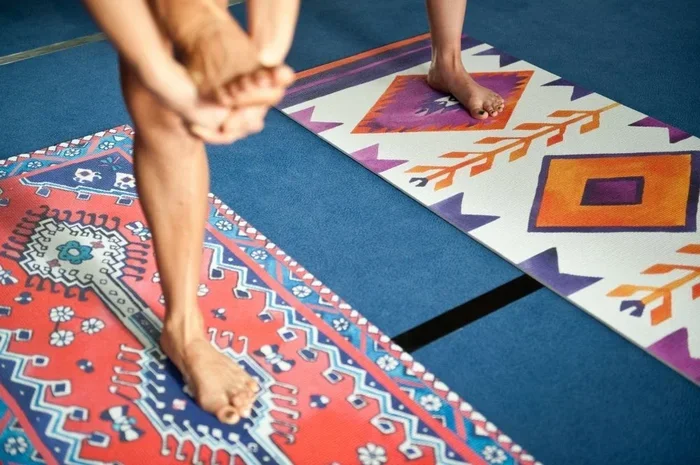
Some people use a yoga rug instead of a traditional mat. Yoga rugs are thin and woven. They add grip without adding much height. On carpet, a yoga rug can feel natural and stable. It bridges the gap between bare carpet and a full mat. If you already have one, you might not need anything else.
When You Absolutely Need a Yoga Mat on Carpet
There are clear situations where a mat makes a big difference. Here is when you should definitely use one.
Deep or Plush Carpet
Deep-pile carpet feels soft and luxurious underfoot. But for yoga, that softness becomes a problem. Your feet sink into the fibers. Your ankles roll when you shift weight. Balancing poses become a real challenge.
A yoga mat on carpet gives you a firm, flat surface on top of the plush carpet. It locks your feet in place. You can hold poses with confidence. The mat also prevents the carpet from bunching up under you during transitions.
Kneeling and Floor Poses
If your practice includes a lot of floor work, a mat is almost essential on carpet. Kneeling on carpet can put pressure on your shins and knees. The padding underneath the carpet may not be enough. A mat with the right thickness for yoga on carpet protects your joints.
Seated poses like Hero pose or seated forward folds also benefit. Your sit bones sink into the mat instead of the carpet fibers. This creates a more stable and comfortable base. You can focus on your breath instead of adjusting your position every few seconds.
Sweaty or Hot Yoga Sessions
If you practice hot yoga or tend to sweat a lot, carpet and sweat do not mix well. Sweat makes carpet slippery and damp. It can also cause odors over time. A non-slip mat for yoga on carpet absorbs sweat and keeps you stable.
Look for mats with a textured surface or a rubber base. These grip the carpet underneath and hold your feet in place. They also wipe down easily after a sweaty session. This keeps your practice space clean and safe.
You Have Joint Issues or Injuries
If you have sensitive knees, hips, or lower back pain, do not skip the mat. Carpet might feel soft, but it does not always provide even support. A yoga mat on carpet gives you consistent cushioning across your entire body. This reduces pressure on tender joints.
Even a thin mat can make a noticeable difference. Look for one that is at least 3mm thick for basic support. If you need more cushion, a 5mm or 6mm mat works well on most carpets.
How to Choose the Right Yoga Mat for Carpet
Not all mats work the same way on carpet. Some slip, some feel too thick, and some are just right. Here is what to look for.
Mat Thickness
Thick mats feel great on hard floors. But on carpet, they can make you feel too high off the ground. This throws off your balance in standing poses. A mat that is 3mm to 5mm thick usually works best on carpet. It adds cushion without creating too much height.
If your carpet is very thin or hard underneath, you can go thicker. A 6mm mat gives more padding for kneeling poses. But for most carpet types, a medium-thick mat is the sweet spot.
Mat Texture and Grip
Carpet already has texture, so your mat needs to work with it. A smooth mat can slide on carpet fibers. Look for a mat with a textured or rubberized surface. These grips the carpet and keeps you from shifting during poses.
Some mats have a sticky top layer that grips your bare feet. This is especially helpful on carpet. It prevents your feet from sticking to the mat and then pulling the mat along the carpet. You stay stable and your mat stays put.
Mat Material
Different materials behave differently on carpet. Here is a quick look at common options.
- TPE mats — Lightweight and non-toxic. They grip carpet well and are easy to carry.
- Rubber mats — Heavy and very grippy. They stay in place on carpet and offer great cushioning.
- Cork mats — Natural and antimicrobial. They work well on carpet but can be heavier than TPE.
- Jute or cotton mats — Thin and eco-friendly. They add grip without much height on carpet.
Each material has pros and cons. Think about what matters most to you. Do you want light weight? Go TPE. Do you want maximum grip? Go rubber. Your choice depends on your practice and your carpet type.
Common Mistakes People Make on Carpet
Avoid these common pitfalls when practicing yoga on carpet with or without a mat.
Skipping Mat Cleaning
Carpet already holds dirt and dust. When you add a mat on top, sweat and skin cells build up on both surfaces. If you do not clean your mat regularly, you are just spreading grime around. Wipe your mat down after every session. Give it a deep clean once a week.
Using the Wrong Mat Size
Your mat needs to fit your body and your carpet space. A mat that is too small means your hands or feet hang off the edge onto the carpet. This ruins your grip and stability. Make sure you know how big of a yoga mat you need before you buy. A standard 68-inch mat works for most people. Taller practitioners should look for 72 or 74-inch options.
Ignoring Carpet Friction
On carpet, your mat can shift during practice. This happens more than you might think. A mat that slides on carpet breaks your flow and can throw off your balance. To fix this, choose a mat with a rubber base. You can also place a towel underneath the mat for extra grip. Another option is to use a mat with a sticky top surface that grips the carpet fibers.
Practicing on Wet Carpet
Never practice yoga on a wet or damp carpet. It is a slip hazard and a breeding ground for mold. Make sure your carpet is completely dry before you unroll your mat. If you spill water during practice, clean it up right away. Safety comes first.
Expert Tips for Yoga on Carpet
Here are some tips from experienced yogis who practice on carpet regularly.
- Test your carpet first. Stand on it barefoot and try a few poses. Notice if your feet slip or sink. This tells you whether you need a mat.
- Use a mat with a non-slip base. This prevents the mat from moving during your practice. Check out tips on how to stop slipping on your yoga mat for more ideas.
- Roll out your mat away from the wall. This gives you room to move freely and prevents the mat from catching on carpet edges.
- Vacuum the carpet before practice. A clean surface means fewer allergens and a better grip for your bare feet.
- Consider a mat towel for hot sessions. A yoga towel absorbs sweat and adds grip on carpet. It also keeps your mat cleaner between washes.
Final Thoughts
So do you need a yoga mat on carpet? The honest answer is: it depends on your carpet and your practice. Short-pile carpet and standing-focused routines may not need a mat. But deep carpet, floor poses, sweaty sessions, and joint concerns all call for one.
The right mat improves your grip, protects your joints, and keeps your practice hygienic. Choose a mat that fits your carpet type and your body. Take care of it, and it will serve you well for years.
Your yoga practice should feel safe and comfortable. Whether you use a mat or not, the most important thing is that you show up and move your body. Trust your setup, listen to your body, and enjoy the practice.
Frequently Asked Questions
Can I do yoga on carpet without a mat?
Yes, you can. Short-pile carpet provides enough grip and cushioning for many yoga styles. If your practice is mostly standing poses and your carpet is clean and dry, you may not need a mat at all.
What type of yoga mat works best on carpet?
Rubber and TPE mats with a textured surface work best on carpet. They grip the carpet fibers and prevent slipping. Avoid smooth or slippery mats that can shift during your practice.
Does carpet provide enough cushioning for yoga?
It depends on the carpet type. Short-pile carpet offers decent cushioning, but deep-pile carpet can feel unstable. For floor poses and kneeling, a mat adds better joint support regardless of carpet type.
How do I stop my yoga mat from sliding on carpet?
Choose a mat with a rubber or non-slip base. You can also place a towel underneath the mat for extra grip. Keeping the carpet clean and dry helps prevent sliding too.
Is a thick or thin mat better for carpet?
A medium-thick mat (3mm to 5mm) works best on most carpets. Thick mats can make balancing poses harder by raising you too high off the ground. Thin mats are better if you want to stay close to the carpet surface.
How often should I clean my yoga mat when practicing on carpet?
Wipe your mat down after every session. Carpet holds more dust and allergens, so regular cleaning is important. Deep clean your mat at least once a week to keep it hygienic and fresh.