How to Add Weight to Barbell Without Plates

Adding weight to a barbell without plates is easier than you think. You can use household items, improvised weights, and creative methods to increase your barbell load for strength training at home. Whether you are a beginner or a seasoned lifter, these practical techniques help you keep progressing without buying expensive equipment.
You want to get stronger, but you do not have plates. Maybe your gym is closed, or you are working out at home with limited gear. Whatever the reason, knowing how to add weight to barbell without plates opens up a world of possibilities. This guide gives you real, tested methods that actually work.
Many people think you need a full set of Olympic plates to train hard. That is simply not true. With a few household items and some creativity, you can turn a basic barbell into a powerful strength training tool. Let us dive in.
Key Takeaways
- Multiple Methods Available: You can use sand, water, duct tape, and other household items to add weight to barbell without plates effectively.
- Safety First: Always secure improvised weights properly to prevent accidents during your barbell exercises.
- Progressive Overload Matters: These methods let you apply progressive overload, which is essential for strength building and muscle growth.
- Budget-Friendly: DIY weight solutions save money and make home gym setup more accessible for everyone.
- Versatile Options: From filling the barbell sleeve to using alternative loads, there are many ways to customize your barbell training routine.
📑 Table of Contents
- Why Add Weight to a Barbell Without Plates?
- Method 1: Fill the Barbell Sleeve with Sand
- Method 2: Use Water Bottles or Jugs
- Method 3: Use Dumbbell Plates or Kettlebells on the Bar
- Method 4: Weight Bags and DIY Sacks
- Method 5: Use Resistance Bands or Chains
- Safety Tips for Loading Your Barbell
- Best Barbell Exercises for Improvised Weights
- How to Track Your Progress Without Standard Plates
- Final Thoughts
Why Add Weight to a Barbell Without Plates?
There are many reasons you might need to load a barbell without traditional plates. Perhaps you are traveling and do not have access to a full gym. Or maybe you are on a tight budget and cannot afford plates right now. Whatever your situation, these methods keep your barbell workouts on track.
Progressive overload is the key to getting stronger. This means you gradually increase the weight your muscles handle over time. When you cannot add standard plates, you need alternative solutions. The methods below let you keep pushing your limits and building muscle without any fancy equipment.
The Science Behind Progressive Overload
Your muscles grow when they face resistance beyond what they are used to. This is called progressive overload. Without increasing weight, your body adapts and progress stalls. Using these barbell alternatives helps you maintain that crucial stimulus for growth.
You do not need heavy iron to trigger muscle adaptation. Even small increases in load make a difference over time. The key is consistency and gradually challenging your body. These methods let you do exactly that with your resistance training routine.
Method 1: Fill the Barbell Sleeve with Sand
This is one of the most popular ways to add weight to a barbell without plates. All you need is sand, some duct tape, and a bit of patience. Here is how to do it.
First, remove the barbell sleeves from each end. You can usually twist them off by hand or with a simple wrench. Next, fill a plastic bag or paper cup with sand. The amount depends on how much extra weight you want. A standard sandwich bag filled with sand adds roughly 2 to 3 pounds per sleeve.
Place the filled bag inside the sleeve and push it down firmly. Use duct tape to seal the sleeve end tightly. Repeat on the other side. This method works great for barbell exercises like squats, presses, and rows. It is cheap, easy, and surprisingly effective.
Why Sand Works Well
Sand conforms to the shape of the sleeve, which means it stays in place better than loose objects. It also distributes weight evenly, reducing the risk of imbalance. For home gym setup enthusiasts, sand is one of the most accessible and affordable weight materials you can use.
Method 2: Use Water Bottles or Jugs
Filled water bottles and jugs are excellent improvised weights for your barbell. A standard one-liter water bottle weighs about 2.2 pounds. You can fill several and secure them inside the barbell sleeves for added load.
This method is especially useful for lighter weight additions. If you need just a few extra pounds to increase the challenge of your barbell training, water bottles are a go-to solution. They are easy to find, easy to fill, and easy to adjust.
For heavier loads, use larger jugs like gallon milk containers. A full gallon jug weighs about 8.6 pounds. You can place two jugs on each side for a total of roughly 34 pounds of added weight. Wrap them with duct tape or bungee cords to keep them secure during weightlifting at home sessions.
Securing Your Water Jug Weights
The biggest challenge with water jugs is keeping them from sliding around. Here are a few tricks that work well:
- Duct tape: Wrap the jug tightly around the middle and secure it to the sleeve.
- Bungee cords: Loop them around the jug and the sleeve for a tight fit.
- Zip ties: Thread them through the jug handle and around the sleeve for a quick fix.
- Towel wrap: Wrap the jug in a towel and wedge it tightly into the sleeve.
Always check your secured weights before each set. A loose jug during a heavy lift can be dangerous. Safety should always come first in your barbell exercises routine.
Method 3: Use Dumbbell Plates or Kettlebells on the Bar
Do you have dumbbells or kettlebells but no barbell plates? You can place them directly on the barbell sleeve in some cases. This works best with adjustable dumbbells or smaller kettlebells that fit inside the sleeve diameter.
For example, if you have a 10-pound dumbbell plate, you can slide it onto the barbell sleeve and secure it with a clip or clamp. This is one of the simplest ways to add more weight to barbell without plates when you already own other types of equipment.
Check out our guide on How To Add Weight To A Barbell Without Plates for more creative solutions that complement this method.
Compatibility Check
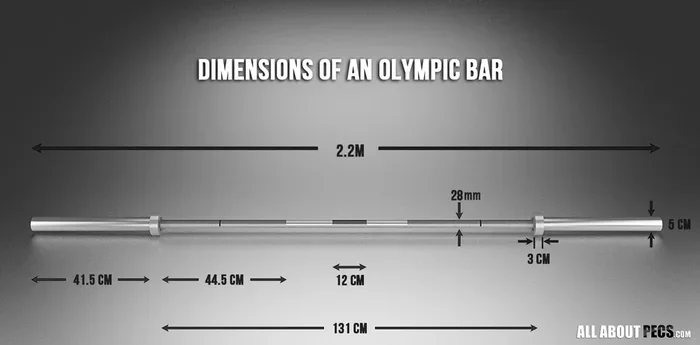
Not all dumbbell plates fit barbell sleeves. Standard barbell sleeves are about 2 inches in diameter. Many dumbbell plates are smaller or larger than this. Measure your sleeves before trying this method. If the plates do not fit snugly, they will spin and create an unsafe situation.
Also, make sure your barbell can handle the combined weight. Standard home barbells are rated for 100 to 300 pounds. Adding kettlebells or dumbbells on top of the bar weight could push you past the limit. Always check the manufacturer’s weight capacity before loading up.
Method 4: Weight Bags and DIY Sacks
Weight bags are one of the most versatile ways to load a barbell without plates. You can make them from old duffel bags, pillowcases, or canvas tote bags. Fill them with rice, beans, gravel, or sand to create custom weights.
This method gives you the most control over how much weight you add. You can fill a bag with exactly the amount you need and adjust it as you get stronger. It is also much quieter than dropping metal plates, which makes it ideal for home gym setup environments.
To attach a weight bag to your barbell, simply slide it onto the sleeve and tie it off. Use a double knot or a carabiner clip for extra security. The bag should fit snugly against the sleeve and not slide during movement.
Best Materials for DIY Weight Bags
Different fill materials offer different benefits. Here is a quick comparison:
- Sand: Heavy and compact. Adds dense weight with minimal bulk.
- Rice: Lighter and quieter. Great for beginners or lighter loads.
- Beans: Medium density. A good middle ground between sand and rice.
- Gravel: Very heavy and stable. Best for advanced lifters who need more load.
Each material has its pros and cons. Sand and gravel give you the most weight per volume. Rice and beans are lighter but easier to handle and store. Choose based on your strength building goals and available space.
Method 5: Use Resistance Bands or Chains
Adding resistance bands or chains to your barbell is a different approach to increasing load. Instead of adding static weight, these methods add variable resistance. The further you lift, the more resistance you face. This mimics how your muscles naturally produce force.
Resistance bands attach to the ends of the barbell sleeve and anchor to the floor or a heavy object. As you perform a squat or press, the band stretches and adds more challenge at the top of the movement. Chains work similarly, with more links lifting off the ground as you rise.
This method is popular among advanced lifters who want to break through plateaus. It is also a great way to add barbell training variety without buying more plates. If you are interested in learning more about how to add weight to barbell without plates, check out our detailed guide on How To Add More Weight To Barbell Without Plates.
Which Is Better: Bands or Chains?
Both methods have their place in a well-rounded strength training program. Resistance bands are cheaper and easier to store. Chains provide a more natural feel and are very durable. Many lifters use both together for maximum effect. Start with whichever is more affordable and add the other later as your budget allows.
Safety Tips for Loading Your Barbell
Adding non-standard weights to your barbell comes with risks. You must take precautions to stay safe during every session. Here are the most important safety tips to follow.
Always inspect your improvised weights before each workout. Look for tears in bags, loose tape, or leaking containers. A weight that shifts mid-rep can throw off your balance and cause serious injury. Take 30 seconds to check everything before you unrack the bar.
Use a spotter whenever possible, especially when trying new loading methods for the first time. If you train alone, use safety pins or a squat rack with adjustable safeties. Never lift above your head without a fail-safe in place. Your barbell exercises should challenge you, not endanger you.
Start with lighter loads when testing a new method. Do not jump straight to your heaviest improvised weight. Let your body adjust to the different balance and feel of the bar. Gradually increase the weight over several sessions as you build confidence.
Common Mistakes to Avoid
- Overloading one side: This creates an imbalance that can strain your joints and spine.
- Using unstable containers: Bags that open or bottles that leak mid-lift are dangerous.
- Ignoring the barbell weight: Remember to account for the barbell’s own weight when calculating your total load.
- Skipping warm-ups: Improvised weights may feel different. Always warm up thoroughly before heavy sets.
- Not securing weights properly: Loose weights can slide off and cause accidents. Always double-check your fastenings.
Best Barbell Exercises for Improvised Weights
Not all barbell workouts work equally well with improvised weights. Some exercises are more forgiving of uneven or unconventional loads. Here are the best exercises to try when you are adding weight to your barbell without plates.
Barbell squats are excellent for improvised weights because the load sits on your back and the balance is more forgiving. Just make sure to do barbell squats without hurting your neck by positioning the bar correctly on your traps. Use a pad or towel for comfort.
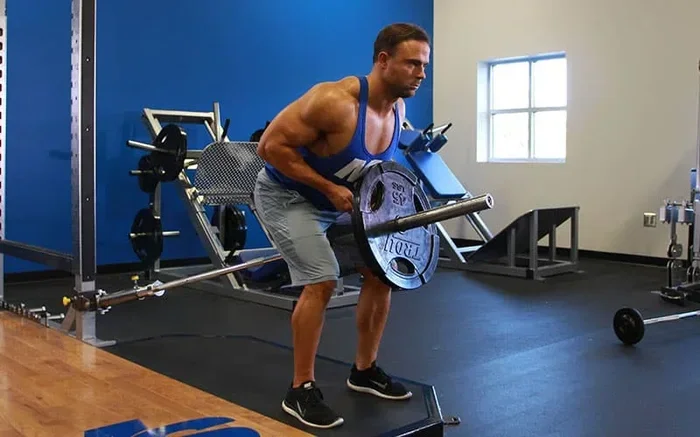
Barbell rows also work well with added weight. The load is closer to your center of gravity, which helps with stability. Focus on keeping your back straight and your core tight throughout each rep.
Barbell presses (overhead or bench) can be done with improvised weights but require extra caution. The load is further from your body, so balance is more critical. Always start with lighter loads and increase gradually.
If you want to target your lower body, barbell hip thrusts are a fantastic option. You can rest the bar on your hips with a pad and add weight bags or sand-filled sleeves for extra resistance. Check out our guide on How To Do Barbell Hip Thrusts Without A Bench for tips on performing this exercise with minimal equipment.
For those who prefer pulling movements, barbell rows are a staple. You can perform them safely at home without a rack by following our tips on How To Do Barbell Rows Without Hurting Your Back.
How to Track Your Progress Without Standard Plates
One challenge of using improvised weights is tracking your progress accurately. Standard plates have clear weight markings, but sand bags and water jugs do not. Here is how to stay on top of your weight progression.
First, weigh each improvised weight on a bathroom scale before loading it onto the barbell. Write down the weight of each item and the barbell itself. This gives you a clear total for each session.
Second, keep a workout log. Write down the total weight lifted, the number of sets and reps, and how the lift felt. Over time, you will see patterns and can make informed decisions about when to increase your load. This is essential for continued strength building and avoiding plateaus.
Third, take progress photos and measurements. Sometimes the scale does not tell the whole story. Your body composition may be changing even if the numbers on your improvised weights stay the same. Photos and measurements give you a fuller picture of your progress.
Final Thoughts
Adding weight to a barbell without plates is completely doable with the right approach. Whether you use sand, water jugs, DIY bags, or resistance bands, each method gives you a practical way to keep progressing in your strength training journey. The key is to stay safe, stay consistent, and keep challenging your body.
You do not need a fancy gym or expensive equipment to get stronger. With a little creativity and the methods in this guide, you can turn any basic barbell into a powerful fitness tool. Start with one or two methods, test them out, and build from there. Your gains do not stop just because you do not have plates.
Remember, the best barbell training system is the one you actually use. Keep it simple, keep it safe, and most importantly, keep showing up. Your future self will thank you for every rep you put in today.
Frequently Asked Questions
Can I add weight to a barbell without plates using household items?
Yes, absolutely. Household items like sand, water bottles, rice bags, and even books can be used to add weight to your barbell. Just make sure to secure them properly and check for stability before each rep. Start with lighter loads and gradually increase as you get comfortable.
How much extra weight can I add using improvised methods?
This depends on the method and your barbell’s weight capacity. Sand-filled sleeves typically add 2 to 5 pounds per side. Water jugs can add 2 to 10 pounds each. DIY weight bags can be filled to any weight you choose. Always stay within your barbell’s rated capacity to avoid damage or injury.
Is it safe to train with improvised barbell weights?
It is safe as long as you take proper precautions. Inspect your weights before each session, secure them tightly, and use a spotter or safety pins when possible. Start with lighter loads to get used to the different balance. Never compromise safety for extra weight.
What is the best improvised weight for barbell squats?
Sand-filled sleeves and weight bags are the best options for barbell squats. They sit securely on the sleeve and distribute weight evenly. Water jugs also work well but need extra securing. Always position the bar correctly on your back to avoid neck strain during squats.
How do I know if my barbell can handle improvised weights?
Check your barbell’s manufacturer specifications for the maximum weight capacity. Standard home barbells typically support 100 to 300 pounds total. Subtract the barbell’s own weight from this number to find your available capacity. Never exceed this limit, regardless of the loading method you use.
Can I combine multiple improvised weight methods?
Yes, combining methods can help you reach higher total weights. For example, you might use sand-filled sleeves on one side and water jugs on the other. However, always ensure the weight is balanced on both sides. Uneven loading is one of the biggest risks when using improvised weights on a barbell.