How to Put Air in Road Bike Tires
Learning how to put air in road bike tires is one of the simplest yet most important skills every cyclist needs. Proper tire pressure boosts speed, comfort, and safety on every ride. This guide walks you through choosing the right pump, finding the correct PSI, and inflating your tires like a pro. Whether you use a floor pump at home or a portable hand pump on the go, we have you covered. Keep reading to master tire inflation in minutes.
Riding a road bike feels incredible. The wind in your face, the smooth pavement beneath your wheels, and the sense of speed as you cruise down the road. But none of that matters if your tires are flat or underinflated. Knowing how to put air in road bike tires is a fundamental skill that every cyclist should have in their toolkit.
Whether you are a beginner just getting started or a seasoned rider looking to sharpen your maintenance game, this guide covers everything you need. We will walk you through the entire process from start to finish. You will learn about valve types, pump options, and the correct pressure levels for your tires. By the end, you will feel confident handling your own tire inflation every single time.
Key Takeaways
- Know your PSI: Always check the tire sidewall for the recommended pressure range before inflating.
- Choose the right pump: A floor pump with a pressure gauge gives the best results for road bikes.
- Match your valve type: Presta and Schrader valves require different pump heads and techniques.
- Check pressure regularly: Road bike tires lose air over time, so make it a habit to check before every ride.
- Avoid overinflation: Too much air causes a harsh ride and increases the risk of flats.
- Carry a portable pump: Always have a backup pump or CO2 inflator for emergencies on the road.
📑 Table of Contents
Why Proper Tire Pressure Matters
Road bike tires operate at much higher pressures than other types of bikes. Typical road bike tires range from 80 to 130 PSI. This high pressure is not arbitrary. It serves a very specific purpose. Properly inflated tires roll faster, feel smoother, and last longer.
Underinflated tires create more rolling resistance. This means you have to work harder to maintain your speed. Your legs will burn faster, and your ride will feel sluggish. Overinflated tires, on the other hand, give you a harsh and uncomfortable ride. They also reduce traction, which can be dangerous, especially on wet roads.
Finding the sweet spot is key. The right road bike tire pressure balances speed, comfort, and grip. Most tire manufacturers print the recommended range on the sidewall. Always start there and adjust based on your personal preference and riding conditions.
How PSI Affects Your Ride
PSI stands for pounds per square inch. It measures the air pressure inside your tire. Lower PSI gives you more cushioning and traction. Higher PSI reduces rolling resistance and increases speed. For most road cyclists, staying in the middle of the recommended range works well for everyday riding.
Here are some quick guidelines:
- Light riders (under 150 lbs): Aim for the lower end of the PSI range.
- Mid-weight riders (150-200 lbs): Stay in the middle of the range.
- Heavy riders (over 200 lbs): Use the higher end for better support and reduced pinch flats.
These are general starting points. You can fine-tune based on how the bike feels during your rides. Some riders prefer a slightly softer setup for comfort on long distances. Others go firmer for maximum speed on flat terrain.
Understanding Valve Types
Before you grab a pump, you need to know what kind of valve your road bike has. There are two main types: Presta and Schrader. Each one works differently and requires a specific pump head.
Presta valves are the most common on road bikes. They are slim, lightweight, and have a small nut at the top that you must unscrew before inflating. Schrader valves are wider and look like car tire valves. They are less common on road bikes but still found on some models and hybrid setups.
Presta Valve: Step by Step
Inflating a Presta valve is straightforward once you know the steps. First, remove the valve cap. Next, unscrew the small brass nut at the top of the valve. Press the valve stem down firmly to release any residual air. Then, attach your pump head and start inflating.
When the tire reaches the desired pressure, remove the pump head quickly. Screw the brass nut back on and replace the valve cap. It sounds like a lot, but after a few tries, it becomes second nature.
Schrader Valve: Step by Step
Schrader valves are simpler to use. Remove the valve cap, attach the pump head directly, and inflate. There is no nut to unscrew. Once you reach the target PSI, pull the pump head off and replace the cap. That is all there is to it.
If you are unsure which valve you have, just look at the shape. A thin, tall valve is Presta. A shorter, wider valve is Schrader. Knowing this difference saves time and prevents frustration at the bike shop or on the side of the road.
Choosing the Right Pump
Not all pumps are created equal. The right pump makes tire inflation faster, easier, and more accurate. There are three main types of pumps that road cyclists use: floor pumps, hand pumps, and CO2 inflators.
Floor Pumps
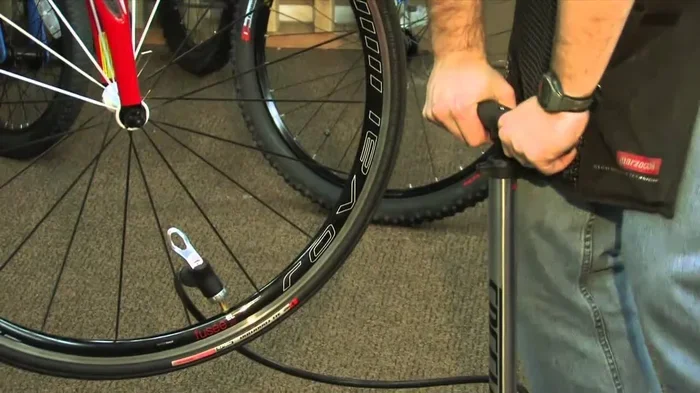
A floor pump is the best option for home use. It has a large barrel that moves a lot of air with each stroke. Most quality floor pumps come with a built-in pressure gauge. This lets you monitor PSI as you inflate in real time.
Look for a floor pump with a dual head that fits both Presta and Schrader valves. Brands like Topeak, Lezyne, and Blackburn make excellent options. A good floor pump should feel sturdy and easy to operate. You should be able to inflate a road tire from flat to full pressure in under two minutes.
Hand Pumps
A hand pump is compact and portable. It is perfect for carrying on rides or keeping in your bike bag. However, hand pumps require more effort because the barrel is smaller. You will need more strokes to reach the target pressure.
When choosing a hand pump, make sure it has a pressure gauge and a compatible head for your valve type. Some hand pumps are designed specifically for road bike tires and can reach high PSI levels. Check the maximum pressure rating before purchasing.
CO2 Inflators
CO2 inflators use small cartridges of compressed carbon dioxide. They are the fastest way to inflate a tire on the go. A single cartridge can fill a road tire in seconds. This makes them ideal for emergency repairs during a ride.
The downside is that CO2 cartridges are single-use. You cannot control the pressure as precisely as with a hand pump. And they can be expensive if you use them frequently. Many riders carry one CO2 inflator as a backup while relying on a hand pump for regular use.
Step-by-Step: How to Put Air in Road Bike Tires
Now that you understand valves and pumps, let us walk through the full process. Follow these steps every time you inflate your tires for consistent, reliable results.
Step 1: Check the Current Pressure
Before adding any air, check what the current pressure is. If your pump has a gauge, simply read it. If not, press the tire with your thumb. It should feel firm but slightly give. A completely soft or squishy tire needs air immediately.
Step 2: Remove the Valve Cap
Unscrew and set aside the valve cap. Keep it in a safe place so it does not get lost. The cap protects the valve from dirt and debris, so always replace it after inflating.
Step 3: Prepare the Valve
If you have a Presta valve, unscrew the brass nut counterclockwise. Do not remove it entirely. Just loosen it enough so the valve opens. For Schrader valves, you can skip this step entirely.
Step 4: Attach the Pump Head
Place the pump head onto the valve and lock it in place. Most modern pumps use a lever or clamp system. Make sure the connection is tight. A loose fit will let air escape, making inflation inefficient and frustrating.
Step 5: Inflate the Tire
Start pumping in smooth, steady strokes. Watch the pressure gauge on your pump closely. Stop when you reach the recommended PSI range printed on the tire sidewall. Do not exceed the maximum pressure. Overinflation is just as dangerous as underinflation.
Step 6: Remove the Pump and Reattach the Cap
Pull the pump head off quickly and straight up. You may hear a small hiss of air. This is normal. Screw the brass nut back on for Presta valves, and replace the valve cap for both types.
Step 7: Do a Quick Check
Give the tire a press with your thumb. It should feel firm and solid. If it still feels soft, add a few more pumps and recheck. Once you are satisfied, you are ready to ride.
Common Mistakes to Avoid
Even experienced riders sometimes make mistakes when inflating their tires. Here are the most common errors and how to avoid them.
- Forgetting to open the Presta valve: This is the number one mistake beginners make. If the brass nut stays closed, no air will enter the tire no matter how hard you pump.
- Using the wrong pump head: A pump head that does not match your valve type will not create a proper seal. Air will leak around the connection, and you will waste time and effort.
- Ignoring the pressure gauge: Pumping blindly without checking the gauge often leads to overinflation or underinflation. Always use a pump with a gauge.
- Neglecting regular checks: Road bike tires naturally lose air over time. A tire can lose 1-2 PSI per day. Make it a habit to check pressure before every ride.
- Overinflating for speed: Some riders crank the pressure way up thinking it will make them faster. In reality, excessive pressure reduces comfort and traction, especially on rough roads.
Avoiding these simple mistakes will save you time, protect your tires, and keep you safe on the road.
Pro Tips for Better Tire Inflation
Here are some expert tips that will take your tire inflation game to the next level. These small habits make a big difference over time.
- Invest in a quality floor pump: A good pump with an accurate gauge is worth every penny. It makes home maintenance quick and painless.
- Keep a portable pump in your saddlebag: You never know when you will get a flat on a ride. A compact hand pump or CO2 inflator can save your day.
- Check tire pressure before every ride: This takes only ten seconds and prevents a world of problems. Make it part of your pre-ride routine.
- Know your recommended pressure range: Check the tire sidewall regularly. The range may change if you swap to a different tire brand or model.
- Replace valve caps after every inflation: The caps protect the valve core from dirt and moisture. Lost caps can lead to slow leaks.
- Bleed air if you overinflate: If you accidentally add too much air, press the valve stem gently to release a little. Then recheck with your gauge.
These tips may seem minor, but they add up to better performance and fewer headaches on the road. Consistent tire care extends the life of your tires and improves every ride.
When to Seek Professional Help
Most of the time, inflating road bike tires is a simple DIY task. But there are situations where professional help makes sense. If you notice a slow leak that does not go away after repeated inflations, your tube may have a puncture. A local bike shop can patch or replace the tube quickly.
If you are using tubeless road tires, the process is slightly different. Tubeless setups require sealant and a specialized pump to seat the tire properly. If you are new to tubeless tires, a bike shop can help you get set up correctly the first time.
Also, if your valve is damaged or the tire bead is compromised, do not try to force inflation. Take the bike to a professional. Forcing air into a damaged tire can cause a blowout, which is both dangerous and costly.
Final Thoughts
Learning how to put air in road bike tires is one of the easiest ways to take control of your cycling experience. It takes just a few minutes to learn, and the benefits last a lifetime. Proper tire pressure improves your speed, comfort, and safety on every single ride.
Keep a quality pump at home and a portable option in your bike bag. Check your pressure before each ride. Respect the recommended PSI range on your tire sidewall. These simple habits will keep your road bike rolling smoothly for thousands of miles to come.
If you want to dive deeper into how much air to put in road bike tires, check out our detailed guide on recommended tire pressure levels. And if you ever find yourself needing to air up tires on a road bike while out on a ride, our tips on on-the-road tire inflation will help you stay prepared for any situation.
Now grab your pump, head to your bike, and give your tires the air they deserve. Happy riding.
Frequently Asked Questions
How do I know if my road bike tires need air?
If your tire feels soft when you press it with your thumb, it likely needs air. You may also notice increased rolling resistance or a squishy feel while riding. Check your tire pressure with a gauge to confirm. Road bike tires should be checked before every ride since they lose air naturally over time.
What happens if I overinflate my road bike tires?
Overinflation makes the ride harsh and uncomfortable. It reduces the tire’s contact patch with the road, which decreases traction. This is especially dangerous on wet or rough surfaces. Overinflated tires are also more prone to blowouts from impacts like potholes or sharp debris.
Can I use a gas station pump to inflate road bike tires?
You can, but it is not ideal. Gas station pumps are designed for car tires and lack precision for high-pressure road bike tires. They also rarely have a Presta valve adapter. If you must use one, go slowly and monitor the pressure closely to avoid overinflation.
How often should I inflate my road bike tires?
Road bike tires lose about 1 to 2 PSI per day. Most riders should inflate their tires at least once a week. If you ride frequently, check and top off the pressure before each ride. This simple habit keeps your bike performing at its best.
Do I need a special pump for Presta valves?
Yes, most pumps designed for road bikes include a Presta-compatible head. Some pumps have a dual head that fits both Presta and Schrader valves. Always check that your pump head matches your valve type before inflating to ensure a proper seal.
Is it normal for road bike tires to lose air slowly?
A small amount of air loss is completely normal. Even brand-new tubes lose a little air over time due to the porous nature of rubber. However, if you are losing significant pressure within a day or two, you may have a slow leak or a puncture that needs attention.