How to Put Weight Plates on a Barbell

Putting weight plates on a barbell correctly is essential for safe and effective strength training. This guide walks you through the entire process, from choosing the right plates to securing them properly. You will learn proper loading order, common mistakes to avoid, and expert tips for every exercise type.
There is something satisfying about loading a barbell with weight plates. It signals the start of a focused strength training session. But did you know that how you put weight plates on a barbell can make or break your workout? Poor loading leads to imbalance, injury, and wasted effort.
Whether you are a beginner or a seasoned lifter, this guide will walk you through every step of putting weight plates on a barbell the right way. We will cover plate types, loading order, securing methods, and common mistakes. By the end, you will feel confident and safe every time you load your bar.
Key Takeaways
- Proper plate loading prevents injury and ensures balanced workouts.
- Always secure plates with collars to prevent shifting during lifts.
- Loading order matters — place heavier plates on the inside and lighter ones on the outside.
- Check your barbell weight capacity before adding plates.
- Different exercises require different plate configurations.
- Warm up before loading heavy plates to prepare your body.
📑 Table of Contents
- Why Proper Plate Loading Matters
- Step-by-Step Guide to Loading a Barbell
- Plate Loading for Different Exercises
- Common Mistakes When Loading a Barbell
- Quick Tips for Efficient Plate Loading
- How to Choose the Right Plates for Your Barbell
- Expert Insight: The Science Behind Balanced Loading
- How to Safely Unload a Barbell
- Conclusion
Why Proper Plate Loading Matters
Many people think loading a barbell is simple. Just slap some plates on and lift, right? Not quite. Proper plate loading is a critical part of any resistance training routine. When plates are loaded incorrectly, the bar can tip, shift, or become unbalanced mid-lift. This puts unnecessary stress on your joints and muscles.
A well-loaded barbell also helps you maintain proper form throughout each rep. Good form leads to better results and fewer injuries. Plus, when your setup is clean and organized, you spend less time adjusting and more time actually lifting. That means a more efficient and productive workout routine.
Understanding Your Barbell and Plates
Before you start loading, it helps to understand the equipment. Not all barbells and plates are the same. Here is a quick breakdown of what you need to know.
Barbell Types: The most common barbell is the Olympic barbell. It is 7 feet long and weighs 45 pounds. Standard barbells are shorter and lighter. How much does a barbell weigh on its own? That depends on the type. Always check your barbell specifications before adding plates.
Plate Types: Weight plates come in different sizes and materials. Iron plates are the most common. Rubber-coated plates are gentler on floors and quieter. Fractional plates are small and great for progressive overload. Each type loads onto the barbell sleeve differently, so match your plates to your bar.
Barbell Weight Capacity: Every barbell has a maximum weight limit. Exceeding this limit is dangerous. Check the manufacturer’s guidelines. If you are unsure, look up your specific barbell model online or ask a gym staff member.
Step-by-Step Guide to Loading a Barbell
Now let us get into the process. Loading a barbell correctly is straightforward once you know the steps. Follow this guide each time you set up for a barbell exercise.
Step 1: Place the Barbell on a Stable Surface
Start by setting the barbell on a squat rack or bench at a comfortable height. The bar should be at about mid-chest level. This makes it easy to slide plates on without bending over too much. If you do not have a rack, you can use the floor, but be careful of your back.
Make sure the area around the barbell is clear. No dumbbells, water bottles, or towels nearby. A clean workspace prevents accidents and keeps your plate loading smooth.
Step 2: Know Your Loading Order
This is where many people go wrong. The order in which you place plates matters. Always put the heaviest plates on the inside, closest to the center collar. Then place lighter plates on the outside. This keeps the weight balanced and close to your body during the lift.
For example, if you need 225 pounds total on a 45-pound barbell, you would add 180 pounds of plates. Place two 45-pound plates on each side first, then two 25-pound plates, and finally two 10-pound plates on the outside.
Step 3: Slide Plates onto the Sleeve
Hold the plate with both hands and slide it onto the barbell sleeve. The sleeve is the part of the barbell that spins. Go slowly and control the plate as it slides on. Do not drop plates onto the bar. This can damage the barbell and the floor.
Repeat on the opposite side. Always add the same number and type of plates to each side. Symmetry is key for balanced lifting. If you add an extra 10-pound plate on the left, the bar will be uneven, and your barbell exercises will suffer.
Step 4: Secure the Plates with Collars
This step is non-negotiable. Once all plates are on, put collars on each end of the barbell. Collars lock the plates in place and prevent them from sliding during your set. Without collars, plates can shift mid-rep, causing a dangerous imbalance.
There are different types of collars. Spring collars are quick and easy. Clip collars are more secure. Lock-jaw collars are popular for Olympic lifting. Choose the type that fits your barbell and lifting style. Always double-check that collars are tight before you start lifting.
Step 5: Check the Balance
Before you unrack or pick up the barbell, do a quick balance check. Look at both sides of the bar. Do the plates line up evenly? Is the weight the same on each side? If something looks off, fix it now. A few extra seconds of checking can prevent a serious injury later.
You can also gently tap the barbell to see if any plates wobble. If they do, tighten the collars or reposition the plates. A stable barbell gives you confidence and safety during every rep.
Plate Loading for Different Exercises
Different exercises call for different plate setups. The way you load a barbell for squats is not always the same as for bench press or rows. Here is how to adapt your plate configuration for common exercises.
Squats
For squats, you want the plates loaded evenly and securely. The barbell sits across your upper back, so balance is critical. When you put weights on a barbell for squats, follow the inside-to-outside loading order. Heavier plates near the center, lighter ones on the edges. This keeps the weight close to your body and reduces the lever arm.
Always use barbell collars for squats. The movement involves bending and standing, which can cause plates to shift. A tight collar setup is your best defense against accidents.
Bench Press
For bench press, the barbell rests on your chest and extends above you. Loading is similar to squats, but you may want to use lighter plates on the outside for easier grip adjustments. Make sure the total weight is within your barbell’s capacity. If you are new to benching, ask a spotter to help you load and unload the bar.
Bent-Over Rows
When performing bent-over rows, the barbell hangs in front of you. Plates should be loaded symmetrically, just like any other exercise. If you are doing bent-over rows with a barbell, make sure the plates do not touch the floor between reps. Use enough clearance by selecting plate sizes that keep the bar off the ground.
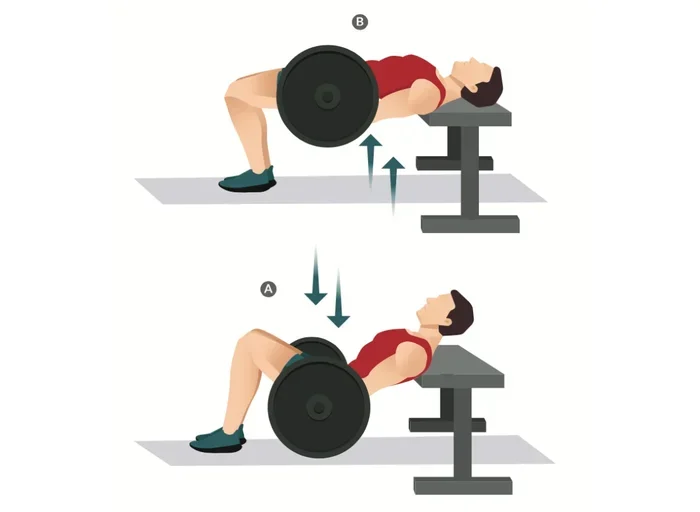
Hip Thrusts
For hip thrusts, the barbell rests across your hips. This exercise requires stable plates that will not roll. Rubber-coated plates are a great choice because they grip the floor and the bar better. When you put weights on a barbell for hip thrusts, focus on securing the plates tightly with collars and adding a pad under the bar for comfort.
Common Mistakes When Loading a Barbell
Even experienced lifters make mistakes when loading a barbell. Being aware of these errors helps you avoid them. Here are the most common ones.
- Skipping collars: This is the number one mistake. Never lift without securing plates with collars. It is a simple step that prevents dangerous accidents.
- Uneven loading: Adding different amounts of weight to each side throws off your balance. Always match plates on both sides of the barbell.
- Overloading the barbell: Every barbell has a weight limit. Exceeding it can cause the bar to bend or break. Know your barbell’s capacity before loading.
- Wrong plate size: Using plates that are too large or too small for your barbell sleeve can cause fit issues. Make sure your plates fit the sleeve diameter.
- Loading from the outside in: Placing lighter plates on the inside and heavier ones on the outside creates an unstable setup. Always load heavy to light, inside to outside.
- Not checking the total weight: Forgetting to add up the total weight can lead to loading too much or too little. Always double-check before you lift.
Quick Tips for Efficient Plate Loading
Here are some expert tips to make your plate loading faster and safer every time.
- Organize your plates before loading. Sort them by size and weight before you approach the barbell. This saves time and prevents confusion.
- Use a plate tree or storage rack. Keeping plates organized in a rack makes it easy to grab the right ones quickly.
- Load one side at a time. Focus on one side of the barbell first, then mirror it on the other side. This ensures symmetry.
- Wear lifting gloves or use chalk. Plates can be slippery, especially if they are coated in rubber or sweat. Grip aids help you handle them safely.
- Ask for help with heavy loads. If you are loading more than 300 pounds, grab a training partner. Two people can load a barbell faster and safer than one.
- Store plates properly after use. Return plates to their racks after your workout. This keeps the gym tidy and makes your next session smoother.
How to Choose the Right Plates for Your Barbell
Not all weight plates are created equal. Choosing the right ones for your barbell depends on your goals, budget, and equipment. Here is what to consider.
Standard vs. Olympic Plates: Olympic plates have a 2-inch hole and fit Olympic barbells. Standard plates have a 1-inch hole and fit standard barbells. Using the wrong type can be dangerous and will not fit properly.
Material Matters: Cast iron plates are durable and affordable. Rubber-coated plates protect floors and reduce noise. Chromed plates look great but can be slippery. Choose based on your training environment.
Fractional Plates for Progressive Overload: If you are trying to add more weight to your barbell in small increments, fractional plates are essential. They come in 0.5, 1, and 2.5-pound sizes and allow for precise progression.
When deciding how many plates you can fit on a barbell, consider the sleeve length and plate diameter. How many plates can you fit on a barbell? This depends on your specific barbell model and the size of your plates. Check your barbell specifications for exact guidance.
Expert Insight: The Science Behind Balanced Loading
From a biomechanics perspective, balanced plate loading directly affects your lifting form and muscle activation. When weight is distributed evenly on both sides of the barbell, your body can recruit muscles symmetrically. This means both sides of your body work equally, reducing the risk of imbalances and overuse injuries.
Unbalanced loading, on the other hand, forces your body to compensate. One side works harder than the other. Over time, this can lead to muscle imbalances, joint pain, and poor posture. That is why taking a few extra seconds to load your barbell correctly is one of the best investments you can make in your strength training journey.
Experts also recommend checking your plate setup before every session. Things shift during transport and storage. A quick visual check ensures everything is where it should be. This small habit builds safety into every workout.
How to Safely Unload a Barbell
Unloading a barbell is just as important as loading it. Here is the safe way to remove plates after your workout.
- Set the barbell down on a stable surface or rack.
- Remove the collars from both sides.
- Slide plates off one side at a time, starting from the outside.
- Return each plate to its proper storage spot.
- Wipe down the barbell if needed and store it properly.
Never drop plates off the barbell. This damages the plates, the barbell sleeves, and the floor. Controlled removal extends the life of your equipment and keeps the gym safe for everyone.
Conclusion
Learning how to put weight plates on a barbell is a fundamental skill for anyone who lifts. It takes just a few minutes but pays off in safety, performance, and confidence. Remember to load heavy plates on the inside, secure everything with collars, and always check your setup before you lift.
Whether you are performing squats, bench presses, rows, or hip thrusts, proper plate loading sets the foundation for every successful set. Make it a habit, and you will notice the difference in your barbell exercises from day one. Now go load up that barbell and crush your next workout!
Frequently Asked Questions
What is the correct order to load plates on a barbell?
Always load the heaviest plates closest to the center of the barbell and lighter plates toward the outside. This inside-to-outside order keeps the weight balanced and close to your body during lifts, which improves stability and safety.
Do I really need to use barbell collars every time?
Yes, you should always use collars. They lock the plates in place and prevent them from sliding during your set. Even a small shift in weight mid-rep can cause imbalance and lead to injury. Collars are a simple but essential safety tool.
How much weight can a standard barbell hold?
A standard Olympic barbell can typically hold between 500 and 1,000 pounds depending on the model. Always check the manufacturer’s weight capacity before loading your barbell. Exceeding the limit can cause the bar to bend or break.
Can I mix different types of weight plates on the same barbell?
Yes, you can mix plate types as long as they fit the same barbell sleeve. Just make sure the total weight is balanced on both sides. Mixing rubber-coated and iron plates is common in many gyms and works fine for most exercises.
What should I do if a plate is stuck on the barbell sleeve?
Do not force it off. Try tapping the plate gently with a rubber mallet to loosen it. You can also try rotating the plate back and forth while pulling it outward. If it still will not move, ask a gym staff member for help.
How do I know if my barbell is loaded evenly?
Stand back and look at both sides of the barbell. The plates should mirror each other in type, size, and position. You can also gently tap the bar to check for wobbling. If one side feels heavier or the bar leans, recheck your plate setup before lifting.
=== INTERNAL LINKS ===
For more tips on barbell exercises, check out our guide on how to put weights on a barbell for squats. This article covers squat-specific loading techniques in detail.
Curious about your barbell’s limits? Learn how much a barbell weighs on its own before you start adding plates.
Want to explore more barbell exercises? Read our guide on how to do a bent-over row with a barbell for a full workout breakdown.