Should I Use a Barbell Pad for Squats

A barbell pad for squats can make a huge difference in comfort and safety during heavy lifts. It cushions your shoulders, reduces pressure, and helps you focus on form instead of pain. Not everyone needs one, but if you squat heavy or struggle with shoulder discomfort, a barbell pad might be a game-changer.
Key Takeaways
- A barbell pad protects your shoulders from bruising and pain during heavy squats.
- Not all squatters need one. It depends on your bar path, body type, and training weight.
- Foam and padded barbell pads are the most popular options for comfort.
- Using a barbell pad can improve your squat form by removing shoulder discomfort as a distraction.
- Barbell pads also work for hip thrusts and other barbell exercises that load the shoulders.
- Choosing the right pad thickness matters for proper bar placement and squat depth.
- A barbell pad is affordable and easy to add to your home or gym setup.
📑 Table of Contents
- Should I Use a Barbell Pad for Squats?
- What Is a Barbell Pad and How Does It Work?
- When Should You Use a Barbell Pad for Squats?
- When You Might Not Need a Barbell Pad
- How to Choose the Right Barbell Pad for Your Squats
- Common Mistakes When Using a Barbell Pad for Squats
- Benefits of Using a Barbell Pad for Squats
- Expert Insights on Barbell Pads and Squat Comfort
- Final Thoughts on Should I Use a Barbell Pad for Squats
Should I Use a Barbell Pad for Squats?
If you have ever felt the barbell digging into your shoulders during a set of squats, you are not alone. Many lifters deal with shoulder pain, bruising, and discomfort when they squat with heavy weight. This leads to a simple question: should I use a barbell pad for squats?
The short answer is maybe. A barbell pad adds cushioning between the bar and your shoulders. It can reduce pain and let you focus on your form. But it is not always necessary. Some lifters squat just fine without one. In this guide, we will walk through everything you need to know. We will cover when a pad helps, when it does not, and how to pick the right one.
Whether you are a beginner or a seasoned lifter, understanding your options matters. Shoulder comfort plays a big role in how well you squat. If your shoulders hurt, your form breaks down. And bad form leads to injuries. A simple pad might be the fix you need.
Let us dive in and explore the world of barbell squat padding. By the end of this article, you will know exactly whether a barbell pad belongs in your gym bag.
What Is a Barbell Pad and How Does It Work?
A barbell pad is a thick piece of foam or padded material that wraps around the barbell. It sits across your upper back and shoulders during squats. The pad spreads out the weight over a larger area. This reduces the pressure on any single point of your shoulder.
Most barbell pads are made from high-density foam. Some have a leather or vinyl outer shell. They attach to the bar using straps or a sleeve design. You slide them on, adjust the position, and you are ready to lift.
The idea is simple. More cushion means less pain. Less pain means better focus. Better focus means better squats. It is a chain reaction that starts with one simple piece of gear.
How a Barbell Pad Protects Your Shoulders
When you squat heavy, the barbell rests on your upper traps and rear deltoids. Without padding, all that weight concentrates on a small area. This can cause bruising, numbness, and even nerve pinching. A weightlifting pad spreads the load across a wider surface.
Think of it like wearing a thick jacket in cold weather. The same amount of cold hits a much larger area. The cold feels less intense. A barbell pad works the same way for your shoulders. It turns a sharp pressure point into a gentle, distributed load.
Common Types of Barbell Pads
Not all pads are the same. Here are the most common types you will find:
- Foam barbell pads — Lightweight, affordable, and easy to install. Great for most lifters.
- Leather barbell pads — More durable and often thicker. Best for very heavy squats.
- Gel-filled pads — Offer the most cushioning. A bit bulkier but very comfortable.
- Strap-on pads — Secured with straps. Easy to move between bars.
- Sleeve-style pads — Slide directly over the bar. Stay in place during lifts.
Each type has its pros and cons. Your choice depends on your budget, how much you squat, and your personal comfort preference.
When Should You Use a Barbell Pad for Squats?
Now that you know what a barbell pad is, let us talk about when it actually makes sense to use one. Not every squat session requires padding. Knowing the right time to use a pad can save you money and unnecessary gear.
You Are Squatting Heavy Weights
If you are working with heavy loads, a pad becomes more important. When the weight gets close to your max, your body feels every pound. Heavy squats put intense pressure on your shoulders. A barbell pad for squats can be the difference between a comfortable set and a painful one.
As a general rule, if you are squatting above 80% of your one-rep max, consider using a pad. At that level, the bar feels like it is trying to dig into your back. Padding helps you stay focused on driving the weight up.
You Have Shoulder Sensitivity or Previous Injuries
Some lifters have naturally sensitive shoulders. Others have old injuries that flare up under heavy loads. If you fall into either category, a barbell pad is worth trying. It reduces direct pressure on tender areas. This lets you train without flaring up old injuries.
You should still consult a doctor or physical therapist if you have serious shoulder issues. But for general sensitivity, a good pad can make training much more enjoyable.
You Are Doing High-Volume Squat Sessions
High-volume training means many sets and reps. If you are doing 5 sets of 10 squats three times a week, your shoulders take a beating over time. Repetitive bar contact without padding can lead to chronic bruising and discomfort. A pad helps you recover faster between sessions.
For those who follow a program that asks for many barbell squat sets per week, padding is a smart investment. It keeps your shoulders healthy for the long haul.
You Are Doing Hip Thrusts With a Barbell
Here is a bonus tip. A barbell pad is not just for squats. It also works great for hip thrusts. The bar presses into your hips during hip thrusts, and without padding, that can be painful. If you want to learn more about using pads for hip thrusts, check out this guide on barbell pad for hip thrusts. It covers everything you need to know about padding for hip-focused exercises.
When You Might Not Need a Barbell Pad
A barbell pad is not always necessary. In fact, some lifters do better without one. Here are situations where you can skip the pad and still squat safely and effectively.
You Are a Beginner Squatting Light Weights
If you are new to squatting and working with lighter weights, a pad is probably not needed. The barbell weight is not enough to cause significant discomfort. Plus, learning proper bar placement on your bare back helps you develop better squat mechanics from the start.
Focus on mastering the movement pattern first. Add padding later if you find you need it as the weight increases.
You Have a Low Bar Squat Style
Low bar squats place the bar lower on your rear deltoids. This changes the pressure point compared to high bar squats. Some lifters find that low bar positioning feels more comfortable without a pad. The bar sits more securely and does not dig in the same way.
However, this varies from person to person. Try both ways and see what feels better for your body.
You Are Using a Safety Squat Bar
A safety squat bar is designed specifically to reduce shoulder strain. It has padded handles and a cambered shape that shifts the load. If you use a safety squat bar, you likely do not need an additional barbell pad. The bar itself provides enough cushioning.
How to Choose the Right Barbell Pad for Your Squats
Not all barbell pads are created equal. Picking the right one can make a big difference in your squat sessions. Here is what to look for when shopping for a squat cushion.
Consider the Thickness
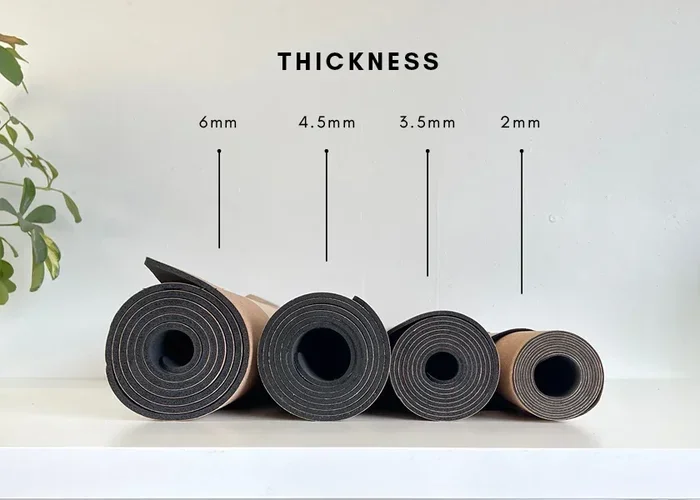
Thicker pads offer more cushioning but can shift the bar higher on your back. This changes your squat mechanics slightly. Thinner pads keep the bar closer to your body but offer less protection.
Most lifters do well with a pad that is about 1 to 2 inches thick. This provides a good balance of comfort and bar position. If you are very sensitive to pressure, go thicker.
Look at the Material
Foam is the most common material. It is lightweight and affordable. Leather pads last longer and resist compression over time. Gel pads offer the softest feel but can be bulky.
Think about how often you squat. If you train daily, a durable leather pad might be the best long-term investment. For casual lifters, foam works just fine.
Check the Attachment Method
Pads attach to the bar in different ways. Strap-on pads are adjustable and easy to remove. Sleeve-style pads slide over the bar and stay in place. Make sure the attachment method works with your barbell setup.
If you are learning how to put weights on a barbell for squats, you might want a pad that is easy to slide on and off. Quick setup saves time between sets.
Price and Brand Reputation
Barbell pads range from $15 to $50 or more. You do not need to spend a fortune to get good padding. Look for pads with solid reviews and a warranty. A well-made pad should last at least a year of regular use.
Remember, a pad is a small investment compared to the cost of missing workouts due to shoulder pain. Spending a little extra on quality padding pays off over time.
Common Mistakes When Using a Barbell Pad for Squats
Even with a barbell pad, lifters can make mistakes that reduce its effectiveness or cause new problems. Here are some common errors to avoid.
Placing the Pad Too High or Too Low
The pad should sit right across your upper traps and rear deltoids. If you place it too high, it slides toward your neck. Too low, and it digs into your lower back. Find the sweet spot where the pad sits comfortably on your upper back.
Using a Pad That Is Too Thick
A very thick pad can push the bar away from your body. This changes your center of gravity and makes the squat harder to control. The bar should stay close to your body throughout the movement. If the pad forces the bar outward, try a thinner option.
Forgetting to Tighten the Pad
A loose pad shifts during squats. This can throw off your balance and comfort. Always make sure the pad is snug against the bar. Adjust the straps or sleeve before every set.
Relying on the Pad Instead of Fixing Form
A pad is a tool, not a cure-all. If you have chronic shoulder pain during squats, it might be a form issue. Check your bar path, rack position, and shoulder mobility. Sometimes the real fix is improving your technique, not adding more padding.
Also, remember that proper barbell squat form involves more than just padding. Your stance, depth, and breathing all play important roles. A pad supports good form but does not replace it.
Benefits of Using a Barbell Pad for Squats
Let us highlight the key benefits of adding a barbell pad to your squat routine.
- Reduced shoulder pain — The most obvious benefit. Padding cushions the pressure point and prevents bruising.
- Better focus on form — When your shoulders do not hurt, you can concentrate on driving the weight up and maintaining tight form.
- Improved squat performance — Less discomfort means you can push harder and add more reps or weight over time.
- Protection for heavy sets — A pad acts as insurance when you are working near your max.
- Versatility — You can use the same pad for squats, hip thrusts, and other barbell exercises.
- Faster recovery — Your shoulders recover better between sessions when they are not battered by the barbell.
These benefits add up over weeks and months of consistent training. A small piece of gear can have a big impact on your long-term progress.
Expert Insights on Barbell Pads and Squat Comfort
Many strength coaches agree that a barbell pad is a useful tool for certain lifters. Coaches often recommend pads for trainees who struggle with shoulder comfort during heavy barbell squats. The key is using the pad as part of a complete approach to squat training.
Your rep count and set structure also matter. If you are doing high-rep squat sets, the cumulative pressure on your shoulders increases. A pad becomes more valuable in these scenarios. For guidance on how many reps to perform, check out this resource on how many reps of barbell squats you should do.
Proper weight placement on the bar also affects comfort. If the weights are not balanced, the bar can shift during squats and cause uneven pressure on your shoulders. Always double-check that your plates are secured and evenly distributed before unracking.
Finally, remember that your body type matters. Some people have broader shoulders or longer torsos that change how the bar sits. A barbell pad can help customize the fit for your unique body. Do not compare your setup to someone else. Find what works for you.
Final Thoughts on Should I Use a Barbell Pad for Squats
So, should you use a barbell pad for squats? The answer depends on your body, your weight, and your goals. If heavy squats cause shoulder pain or discomfort, a pad is a simple and effective solution. It protects your shoulders, improves comfort, and helps you stay focused on your form.
On the other hand, if you squat lighter weights or have no shoulder issues, you might not need one. Listen to your body. Try squats both with and without a pad. See what feels better for you.
A barbell pad is an affordable, easy-to-use piece of equipment that can improve your squat experience. It is especially helpful for lifters who train heavy, do high-volume work, or have sensitive shoulders. If any of these situations sound familiar, a barbell pad is worth trying.
Start with a basic foam pad. See how it feels. Upgrade to a thicker or more durable option if needed. The goal is to squat comfortably and safely so you can keep making progress in the gym. A small investment in padding can pay off with bigger gains and fewer setbacks.
Your squats are the foundation of your strength training. Make sure your setup supports your goals. Whether you use a pad or not, the most important thing is that you squat with confidence and proper form. Keep pushing, keep learning, and keep getting stronger.
Frequently Asked Questions
Do I really need a barbell pad for squats?
Not everyone needs one. If you squat light to moderate weights and have no shoulder pain, you can skip it. But if heavy squats cause discomfort or bruising, a barbell pad can make a big difference in your comfort and performance.
Can I use a barbell pad for other exercises besides squats?
Yes, absolutely. Barbell pads work well for hip thrusts, shoulder presses, and any exercise where the bar rests on your body. They are versatile and easy to move between exercises.
What is the best thickness for a barbell pad?
Most lifters prefer a pad that is 1 to 2 inches thick. This provides good cushioning without shifting the bar too far from your body. Choose thicker pads if you have high sensitivity or very heavy training loads.
Will a barbell pad fix bad squat form?
No. A pad is a comfort tool, not a form fixer. If you have underlying technique issues, a pad will not solve them. Focus on proper bar placement, core bracing, and squat mechanics first. Use a pad to supplement good form, not replace it.
How do I clean a barbell pad?
Most foam pads can be wiped down with a damp cloth. For deeper cleaning, use mild soap and let the pad air dry. Leather pads may need a leather conditioner to stay supple and durable over time.
Can a barbell pad help with neck pain during squats?
It can help if the neck pain comes from bar pressure on your upper traps. A barbell pad spreads the load and reduces direct pressure. However, if neck pain persists, it may be a form or mobility issue that needs attention beyond just padding.